Kerala can be an excellent choice for older travelers, not because every place is effortless, but because the state rewards a slower, more thoughtful style of travel. Backwaters, hill stations, coastal heritage areas, wildlife edges, and cultural stops can all work beautifully for seniors when the plan respects pace, weather, and mobility.
The key is simple: reduce strain before the trip begins. Fewer hotel changes, shorter drive days, easier boarding points, and rooms that do not require stairs can turn a good holiday into a genuinely restful one.
Why Kerala works well for senior travelers
Kerala has a natural advantage for comfort-first travel. Many of its most memorable experiences are scenic rather than physically demanding. A backwater cruise, a sunset by the coast, tea garden views from a vehicle, a cultural performance with reserved seating, or a slow afternoon in a plantation town can offer plenty without requiring long hikes or crowded transit.
That matters for seniors who want depth without exhaustion.
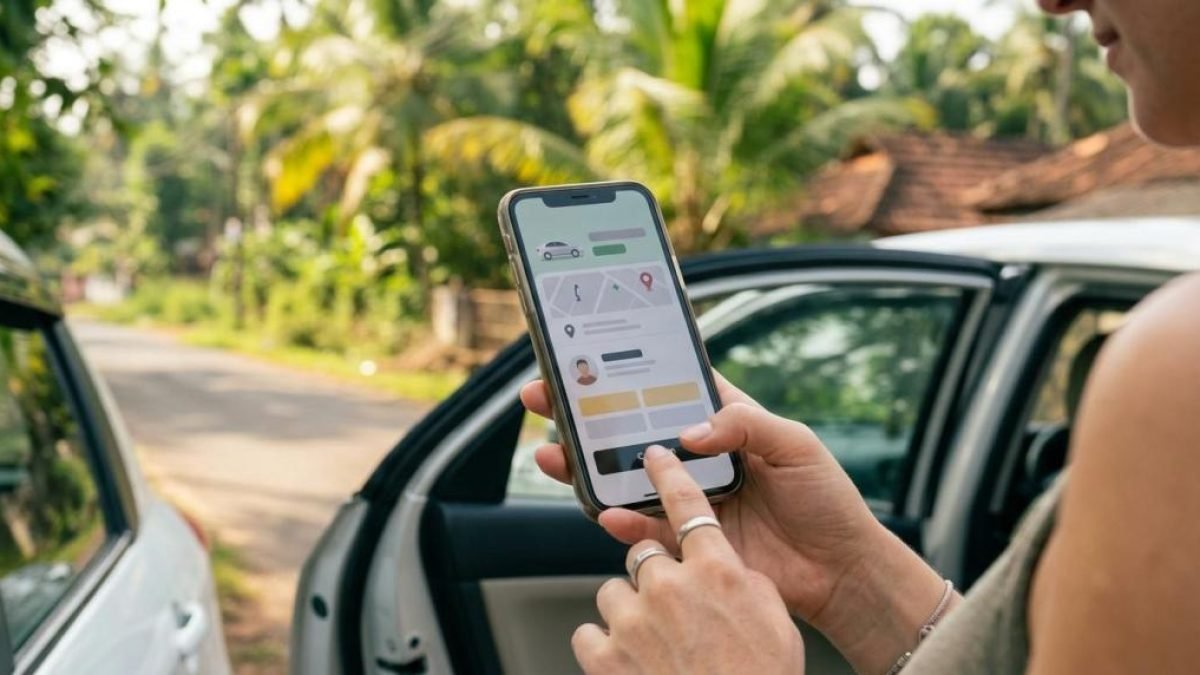
The region also suits travelers who prefer private arrangements over rigid group movement. A Private air-conditioned transport vehicle, door-to-door transfers, and flexible stop timing can remove much of the friction that usually comes with multi-stop holidays. Even small details, like easier vehicle entry or planned restroom breaks, make a visible difference across a week-long trip.
A senior-friendly Kerala trip often works best when it is built around a few clear comfort priorities:
- Fewer unpack-and-repack days
- Mid-morning departures
- Private air-conditioned transport
- Verified room access
- Short, selective sightseeing
- Built-in rest time
Best time for senior travel in Kerala
Weather is not a small detail in Kerala. It shapes road comfort, walking safety, energy levels, and how pleasant outdoor sightseeing feels.
According to Kerala Tourism, December, January, and February are usually pleasant and cool. November to February is widely the most comfortable window for older travelers, especially those who prefer lighter humidity and easier daytime movement. Mornings are gentler, road transfers feel less tiring, and sightseeing can happen without rushing to avoid peak heat.
March to May can be much harder, especially in the coastal belt and midlands, where humidity rises and the atmosphere can feel sultry. That does not make travel impossible, though it often calls for later starts, longer indoor breaks, and tighter control over outdoor plans.
Kerala also has two rainy periods identified by Kerala Tourism: the southwest monsoon in June and July, and the northeast monsoon in October and November. Rain can be beautiful in the backwaters and hills, yet wet pathways, slippery jetty edges, and damp steps are real concerns for seniors.
A practical seasonal view looks like this:
| Season in Kerala | What seniors may notice | Comfort level |
|---|---|---|
| November to February | Cooler days, easier sightseeing, better walking conditions | Best for most seniors |
| March to May | Higher heat and humidity, more fatigue outdoors | Better with slower plans |
| June to July | Strong monsoon, slippery outdoor surfaces, limited easy walking | Good only if rain is welcome and plans stay flexible |
| October to November | Rain risk continues in many areas, mixed conditions | Manageable with careful hotel and transfer choices |
Kerala trip pacing matters more than the destination list
Many senior travelers do not need a shorter trip. They need a better rhythm.

The biggest mistake in Kerala planning is trying to fit too many places into too few days. Long scenic drives sound harmless on paper, yet daily packing, checkout timing, lunch delays, traffic, and hotel arrivals can quietly drain energy. A comfort-first itinerary usually improves when it uses two-night stays in major bases instead of one-night hops.
That one change often shapes the whole holiday.

For example, a seven or eight day plan that includes Kochi, Munnar, Thekkady, and Kumarakom or Alleppey can feel calm if each stop has breathing room. The same route can feel tiring if every day includes a transfer. Senior-friendly planning favors depth over mileage.
A well-paced Kerala itinerary often includes these choices:
- Two-night bases: less packing, better rest, more time to enjoy the property
- Late morning sightseeing: softer starts and easier breakfast timing
- Planned rest stops: especially on drives longer than two hours
- Selective attractions: one or two meaningful visits instead of five rushed stops
- Early evening returns: more downtime before dinner and sleep
Some senior-oriented Kerala itineraries also reduce walking by showing places like Fort Kochi partly from the vehicle, then adding one seated cultural event in the evening. That kind of balance can be far more enjoyable than a full walking circuit.
Steps, slopes, and walking distances in Kerala destinations
When people ask whether Kerala is “senior friendly,” the honest answer is yes, with planning. The state offers many comfortable experiences, though certain places still involve uneven ground, short stair runs, or jetty access.
Fort Kochi and heritage areas
Fort Kochi is atmospheric and rewarding, but old heritage neighborhoods often come with patches of uneven pavement, curb changes, and stretches that are better for short walks than extended wandering. Kerala Tourism has also highlighted accessibility work in Fort Kochi, including ramps and wheelchair availability as part of its elderly- and differently abled-friendly efforts.
That said, not every street experience is equally easy.
A sensible approach is to use a vehicle for broad sightseeing, then add one or two short stops where seating is nearby. A Kathakali performance with fixed seating can be a strong cultural option, especially for travelers who want a rich evening without physical strain.
Munnar and hill areas
Munnar delivers views more than exertion. Many outlooks can be enjoyed with minimal walking, which is ideal for seniors. The challenge here is not usually distance but terrain. Slopes, steps at viewpoints, and cool mist after rain can make footing less predictable.
Hotel choice matters greatly in hill stations. A room with lift access or a ground-floor layout can matter more than a dramatic valley view reached by multiple staircases.
Thekkady and plantation visits
Thekkady often appears more active than it needs to be. While some experiences involve boating queues or nature walks, others can be chosen with comfort in mind. A level guided spice plantation walk can be suitable for many older travelers when the distance is modest and the ground is even. What helps most is knowing the nature of the path before arrival.
Short and shaded usually beats ambitious and scenic.
Backwaters and houseboat boarding
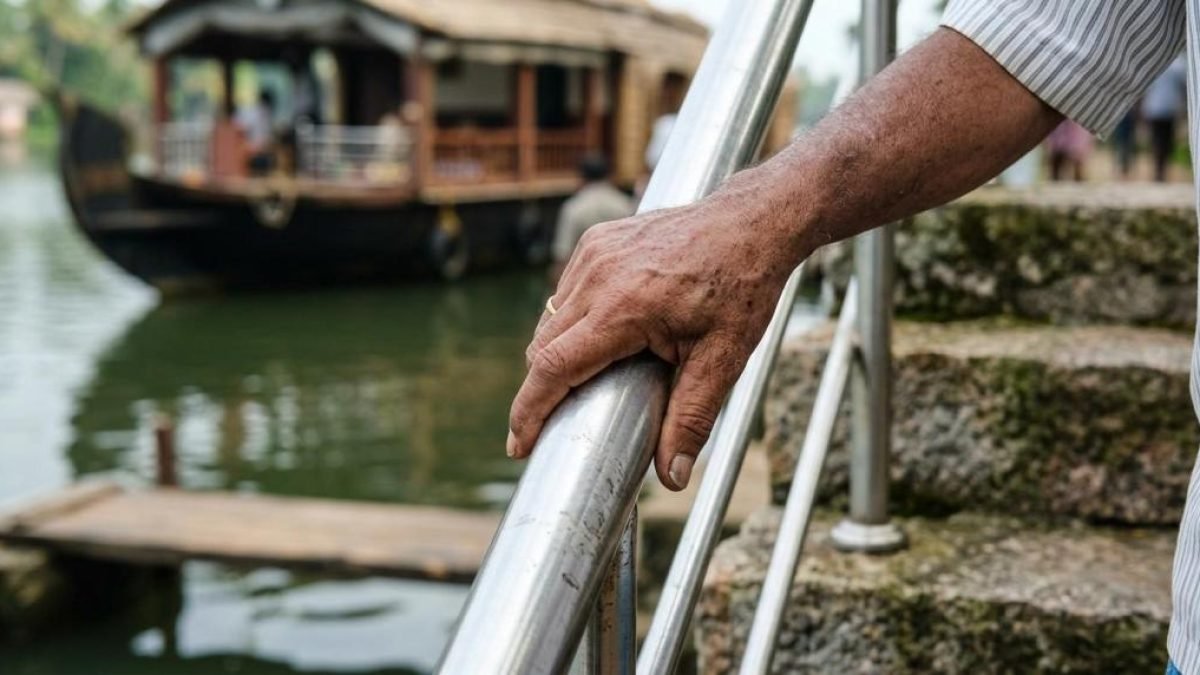
The backwaters are one of Kerala’s finest experiences for seniors, though boarding method is the question to ask early. Not every jetty is equally convenient. Some houseboat boarding points use narrow planks, while others offer fixed steps with a handrail. That difference is significant for anyone concerned about balance.
Kumarakom can be easier than some busier boarding points when the arrangement includes fixed steps and rail support. Seniors who want the backwater experience but feel uncertain about overnight houseboats may also prefer a daytime cruise with easier boarding assistance.
Kerala accessibility features are improving
Kerala Tourism’s barrier-free tourism program is a meaningful sign of progress. In its first phase, the project covered 70 destinations and included accessible ramps, special toilets, wheelchairs, walking sticks, folding walkers, crutches, tactile walkways, Braille brochures, and audio guides.
That does not mean every site is fully accessible in the same way. It does mean older travelers now have stronger reason to ask specific questions rather than assume limitations.
This is where pre-trip verification matters. Accessibility in practice often depends on the hotel entrance, distance from vehicle drop-off to lobby, number of internal steps, bathroom design, and how the sightseeing plan is sequenced.
A strong trip plan is specific, not vague.
What to verify before booking a senior-friendly Kerala itinerary
The most useful senior travel advice is not about what to pack. It is about what to confirm in writing.
Room access, vehicle type, boarding support, and walking expectations should all be clarified before payment. A polished brochure may show calm scenes, yet real comfort comes from operational details.
Ask for these points clearly:
- Room location: ground floor or lift-access room confirmation
- Bathroom design: step-free shower or low-threshold shower, grab support if available
- Vehicle entry: running board and grab handles for easier boarding
- Drive management: rest stops planned on longer road sectors
- Sightseeing style: short walks, seated cultural visits, or mostly drive-by viewing where needed
- Boat access: fixed steps and handrail, not just “easy boarding”
If mobility needs are moderate or variable, it helps to state them plainly. “Can walk 10 to 15 minutes slowly,” “cannot manage steep stairs,” or “needs one arm for support on uneven paths” are far more useful than just saying “senior citizen.”
A practical Kerala comfort plan for older travelers
A well-built itinerary does not need to be minimal. It needs to be intentional. One effective pattern is to combine a heritage arrival city, a cooler hill base, a gentle plantation or wildlife-edge stop, and one backwater stay. That creates variety without constant motion.
Some operators that focus on senior travel use two-night stays in each base, except for the houseboat or final backwater night. They may also confirm ground-floor or lift-access rooms in writing, use private SUVs or tempo travellers with grab handles, and build rest stops into longer drives. These are not luxury extras alone. They are comfort tools.
A balanced senior itinerary may look like this:
- Kochi for arrival recovery and light heritage sightseeing
- Munnar for scenery and slower mountain air
- Thekkady for a short plantation experience and restful stay
- Kumarakom or another backwater base for a calm finish
The strongest plans also leave room to scale activity up or down on the day. If energy is high, add a stop. If not, enjoy the property, the view, or a quiet boat ride.
That flexibility is one of Kerala’s strengths. The state offers enough beauty that seniors do not need to chase every attraction to feel they have seen something memorable.
A slower Kerala is often the richer one, especially when each day ends with energy still left for dinner, conversation, and the next morning’s view.