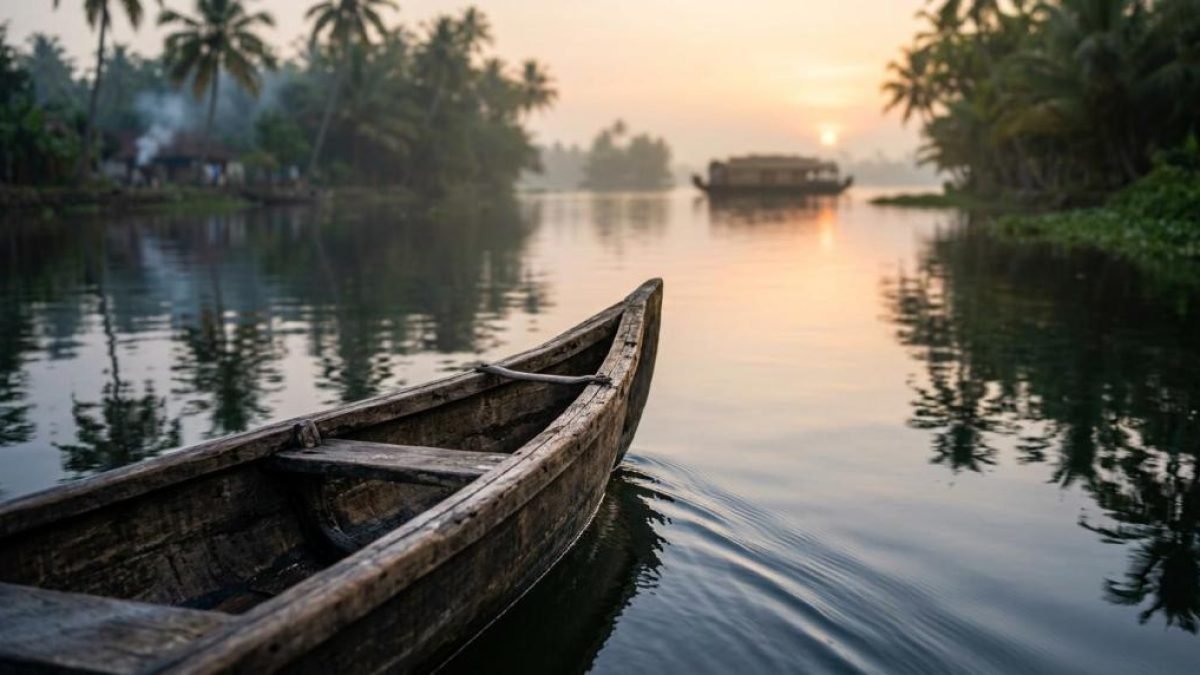
A Kerala holiday can look effortless on paper. Backwaters, hill stations, beaches, wildlife, temples, and city arrivals all seem close enough to combine in one neat loop. Then the trip begins, and the itinerary starts slipping. A late airport pickup turns into a missed sunset. A hill transfer takes twice as long as expected. A district rain alert changes the tone of an entire day.
That does not mean Kerala is difficult to plan. It means Kerala rewards realistic planning more than ambitious planning. The trips that work best are not always the ones with the most stops. They are the ones built around weather windows, road time, and the natural rhythm of the state.
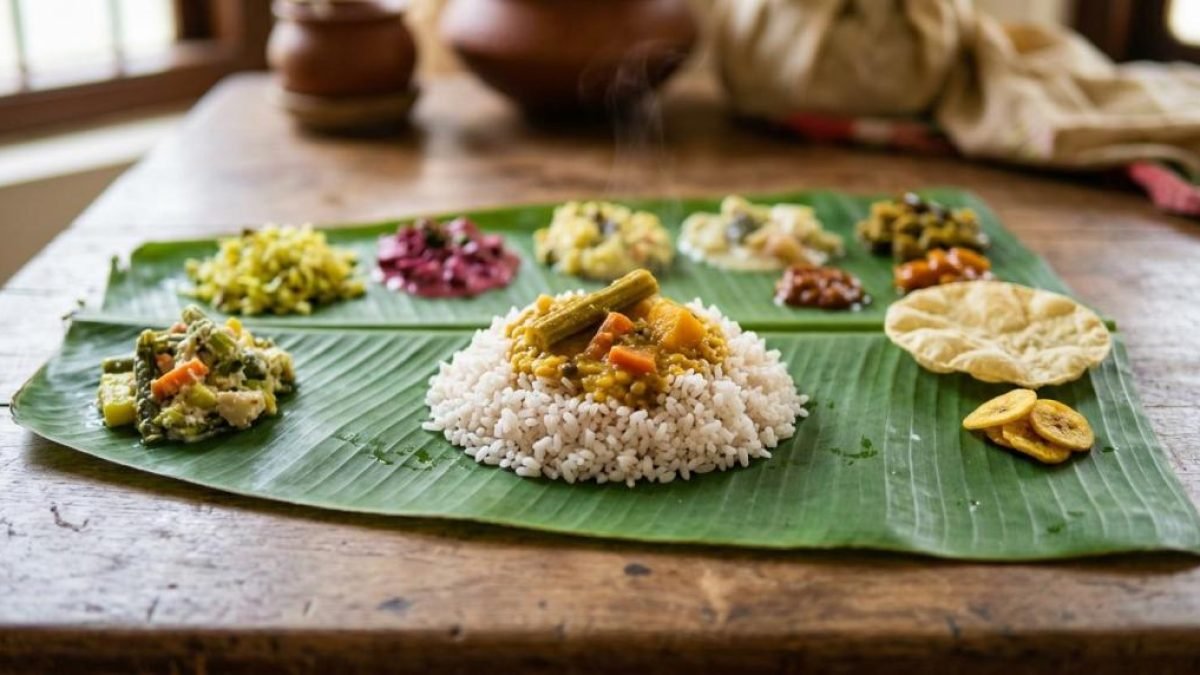
Kerala’s cuisine is an essential aspect of its cultural identity and an unforgettable experience for any visitor. The state is renowned for its tantalizing array of spices, flavors, and dishes that reflect its diverse heritage and rich natural bounty. Savoring traditional Kerala meals, whether it’s the spicy seafood curries, the crispy banana chips, or the flavorful vegetarian delights served on a banana leaf, adds a delicious dimension to your travel itinerary. Thus, allocating time to experience the local cuisine as part of your planning can significantly enhance the trip.
Kerala trip planning fails when maps replace ground reality
One of the biggest planning errors is treating Kerala as a small state that can be covered quickly. On a map, the distance between destinations may look manageable. In real travel conditions, roads wind through mountains, towns, and busy local corridors. Average speeds are often lower than travelers expect, especially when a route includes ghat sections or monsoon rain.
That gap between map distance and actual travel time is where many itineraries break down. A plan with daily hotel changes may seem productive before departure, yet it often creates a trip built around packing, check-out times, and road transfers instead of experiences.
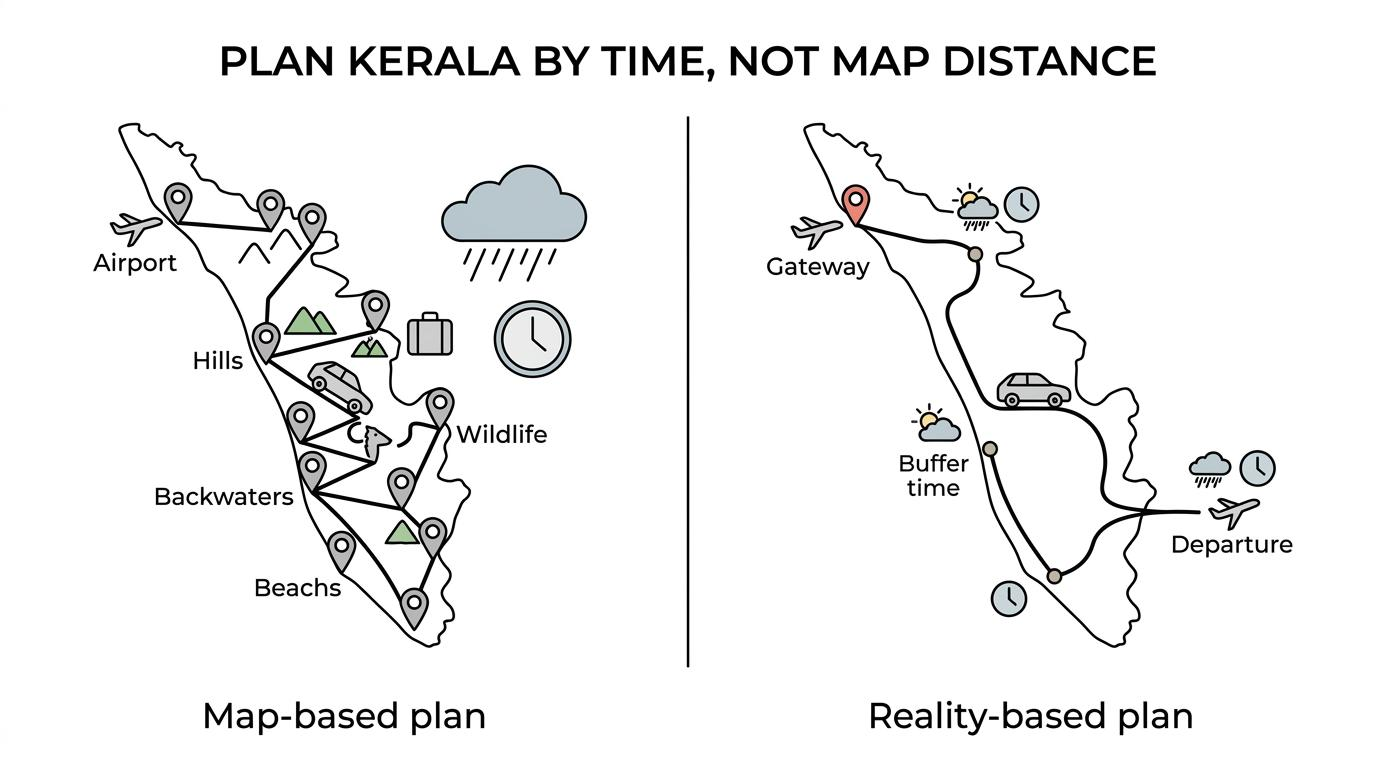
Kerala itineraries usually struggle for two reasons: weather is treated as a minor variable, and drive time is treated as a rough estimate rather than a fixed part of the day.
Kerala weather planning needs two monsoon calendars, not one rainy-season assumption
A common mistake in Kerala trip planning is assuming there is one long, vague rainy season. Official tourism guidance describes two distinct monsoon periods: the southwest monsoon in June/July and the northeast monsoon in October/November. That matters because travelers often choose dates based on a broad idea of “monsoon” or “non-monsoon” without noticing that conditions can shift sharply across the year.
Kerala’s more pleasant and cooler period is usually December through February. March to May tends to be hotter and more humid, especially across coastal and midland areas. The state does not stay uniformly wet all year, and that is good news for travelers. It gives you options. The key is timing the itinerary to fit the experience you want, rather than assuming every destination behaves the same way in every month.
Even the official declaration of monsoon onset is based on measured criteria, not a casual impression from one cloudy afternoon. The India Meteorological Department uses rainfall, wind, and satellite-linked conditions together, with rainfall tracked across a set of stations. That alone should change how people plan. If the onset itself is assessed with that level of precision, trip planning should not rely on guesswork.
| Kerala travel period | Typical conditions | Planning impact |
|---|---|---|
| December to February | Usually cooler and pleasant | Best for broad itineraries with multiple regions |
| March to May | Hotter and more humid | Better with slower pacing, pool breaks, and fewer inland transfers |
| June/July monsoon window | Southwest monsoon period | Keep buffer time, track alerts, expect slower road travel |
| October/November monsoon window | Northeast monsoon period | Recheck coastal and city movement plans, especially for short trips |
Another mistake is assuming that rain alerts apply to the whole state in the same way. Kerala’s official disaster management alerts are district based. A yellow alert may affect one part of the state while another remains workable for travel. The alert system also defines heavy rain with real thresholds. A yellow alert is not just “some rain”; it can point to substantial rainfall within 24 hours.
That means pre-trip weather planning should be active, not passive.
- Check monsoon window: Match your trip month with the southwest or northeast monsoon pattern
- Check district alerts: Review warnings for each stop, not just your arrival city
- Check transfer day weather: Rain matters most when you are moving between regions
- Pack for wet mobility: Raincoats, umbrellas, waterproof shoes, and protected luggage matter more than stylish extras
Kerala road transfer planning is the hidden pressure point
If weather is the first planning filter, road time is the second. This is where otherwise smart itineraries begin to wobble. Travelers often see “only 160 km” and assume it means a quick ride. In Kerala and nearby gateway routes, that assumption can be costly.
Official travel-time charts make this plain. Coimbatore to Munnar is listed at 160 km and 4.5 hours by road. Bengaluru to Kochi is listed at 550 km and 10.5 hours by road. Bengaluru to Trivandrum is listed at 690 km and 13 hours by road. These are not fringe examples. They show how South India travel days can stretch, even on routes that sound straightforward.
The planning lesson is simple: a transfer day is often the main event of that day. Once you account for breakfast, checkout, traffic, photo stops, rest breaks, lunch, and hotel arrival formalities, a long drive can absorb nearly everything.
You can usually spot an overloaded itinerary before booking if it includes any of these signs:
- three hotel changes in four nights
- same-day hill station arrival and sightseeing
- late evening houseboat night after a long inland drive
- airport arrival paired with a distant resort check-in
- back-to-back long drives with early morning departures
Road fatigue also changes the quality of the trip. Kerala works best when there is room to arrive, settle in, and enjoy where you are. Rushing from Kochi to Munnar, then Munnar to Thekkady, then Thekkady to Alleppey in quick succession can turn a much-anticipated holiday into a sequence of moving vehicles and short check-ins.
Common Kerala itinerary mistakes that quietly ruin the trip
Kerala itinerary mistake: too many destinations in too few days
This is probably the most frequent issue. Travelers want beaches, tea estates, wildlife, houseboats, forts, Ayurveda, and temple towns in one week. On paper, it feels efficient. In practice, it creates a chain reaction of cut corners.
A six or seven night trip is usually stronger with two or three base regions rather than five. Fewer stops give each place room to breathe. Munnar feels different when you have a full day there instead of half a day sandwiched between drives.
Kerala itinerary mistake: ignoring the arrival and departure gateway
Many Kerala trips are shaped by flight cost rather than route logic. There is nothing wrong with that, but it must be planned around. Arriving in Kochi and flying out of Trivandrum can work beautifully. Arriving in Bengaluru and trying to “road trip into Kerala” on a tight schedule can be draining from day one.
Gateway cities are part of the itinerary, not just transport points. If the first and last travel days are too aggressive, the rest of the trip starts under pressure.
Kerala itinerary mistake: treating monsoon as atmosphere, not logistics
Rain can be beautiful in Kerala. It can also slow roads, reduce visibility, affect boating comfort, and alter outdoor sightseeing plans. Some travelers romanticize monsoon travel without adjusting the structure of the trip.
A better monsoon itinerary keeps more time in each stop, reduces one-night stays, and treats weather checks as routine. That shift does not reduce enjoyment. It usually improves it.
Kerala itinerary mistake: booking every day from sunrise to night
Kerala is not a destination that rewards constant motion. Its best moments are often unhurried: a misty morning in the hills, a late breakfast by the backwaters, a slow cruise, an Ayurvedic treatment, a temple street at dusk. When every hour is scheduled, those moments disappear.
The essence of Kerala is deeply intertwined with its rich and flavorful cuisine. Each region offers a unique culinary experience that reflects its local culture and ingredients. From the spicy seafood delicacies of the coastal areas to the traditional vegetarian dishes of the highlands, the state’s cuisine is a vital aspect of any travel experience. Taking the time to savor these culinary delights is just as important as visiting the scenic spots, as food truly offers a sense of place and deepens the overall travel experience.
An itinerary should carry intention, not congestion.
Smarter Kerala trip planning starts with travel rhythm
Good planning is not about seeing less. It is about sequencing better. If you want hills, wildlife, and backwaters, place them in an order that reduces road strain and fits your arrival point. If you are traveling in a monsoon window, add margin instead of adding destinations. If your trip is short, choose one signature inland experience and one relaxing finale.
Highlighted quote reading, “Good planning is not about seeing less. It is about sequencing better.”
This is where a personalized approach becomes valuable. Kerala is not difficult because it lacks options. It is difficult because it has too many good ones, spread across very different travel environments. A well-built itinerary filters those options through weather, road conditions, and trip length.
Think in terms of travel rhythm:
- Arrival days: Keep them light and close to the gateway
- Inland moves: Pair them with easy evenings, not packed sightseeing
- High-value stays: Give hill stations and backwaters enough time to matter
- Final night: Stay within sensible reach of your departure point
That framework often produces a stronger holiday than a “cover everything” route.
Kerala trip planning for houseboats, hill stations, and coastal stays
Different Kerala experiences ask for different timing. Houseboats need calm pacing. Hill stations need daylight travel and flexible weather expectations. Coastal stays can feel easy, yet they still depend on transfer logic and seasonal conditions.
A houseboat night should not be treated as a late add-on after an exhausting drive. It works best when you reach the embarkation point with time to settle in. Hill stations like Munnar deserve the same respect. A route that looks short may still involve winding roads and slower ascent times.
Kerala’s cuisine is an essential part of any travel experience in the region. The variety and richness of the local foods reflect the state’s diverse cultural influences and abundant natural resources. From the delicious seafood of the coastal areas to the flavorful vegetarian dishes found inland, each meal offers a chance to understand Kerala’s heritage on a deeper level. Including gastronomic exploration in your itinerary allows you to savor the unique tastes of the state and enriches the overall travel experience.
One practical way to improve itinerary quality is to match trip style with destination style:
- relaxed luxury stay
- scenic two-center holiday
- family trip with fewer hotel changes
- honeymoon with slower pacing
- culture and temple route with strategic overnights
This is also where local planning knowledge matters. Verified stays, realistic transfer timing, and active support during the trip can prevent small disruptions from turning into larger ones. For travelers coming from abroad or visiting South India for the first time, that structure often brings clarity from the start.
Kerala trip planning checklist for a realistic itinerary
Before confirming hotels and transfers, it helps to pressure-test the route with a few direct questions. If the plan does not survive this check, it needs revision.
- What season am I entering? Is the trip in the pleasant winter period, the hotter pre-monsoon period, or one of the two monsoon windows?
- How many genuine transfer days are included? Not map distance, but actual road hours.
- Which stop matters most? Build enough time there instead of giving every place equal weight.
- What happens if rain slows one day down? A strong itinerary can absorb that without collapsing.
Kerala rewards travelers who plan with precision and then travel at ease. When weather timing and road time are treated as core decisions, the state opens up in a very different way. The trip stops feeling rushed, and each region starts to show its real character.
Kerala Trip Planning FAQ
Planning a trip to Kerala might appear daunting due to the sheer multitude of experiences it offers. This FAQ aims to clarify common misconceptions and provide insight into crafting a rewarding Kerala itinerary.
How should I factor weather into my Kerala trip planning?
Understand the two monsoon seasons: the southwest monsoon in June/July and the northeast monsoon in October/November. Choose your travel dates based on the specific monsoon patterns to align with your desired experiences.
Is road travel in Kerala as quick as it looks on the map?
Not always. Road conditions vary with winding routes through hills and towns. Expect longer travel times than map distances suggest.
How many bases are ideal for a week-long trip in Kerala?
Two to three base regions are ideal. This approach allows for relaxation and a fuller experience of each location.
What is the role of arrival and departure cities in planning?
These gateway cities often shape your itinerary. Ensure your travel days to and from these points are not overly taxing.
Should my itinerary be filled with activities from morning till night?
No, Kerala’s essence is best experienced with unhurried moments. Allow time for leisurely exploration and personal reflection.
How can I plan around the monsoon if traveling during the rainy season?
Allocate extra time in each location, avoid one-night stays, and keep a flexible schedule to accommodate weather changes.
Why is experiencing local cuisine important in Kerala planning?
Kerala’s cuisine offers a deep dive into the state’s culture. Including time for culinary exploration enhances the overall travel experience.
What should I consider if I want a varied experience in Kerala?
Sequence activities to minimize road fatigue. For example, visit hill stations and backwaters at a relaxed pace to balance activity and relaxation.
By addressing these key aspects, you’ll ensure that your Kerala journey is as enriching as it is enthralling. Crafting a thoughtful itinerary entices you to immerse yourself fully, motivating inspiring travels through God’s Own Country.