Kerala can work well for seniors, wheelchair users, and travelers with reduced mobility, but the best trips are rarely the ones planned at the last minute. The strongest results come from matching the route, hotel, transfers, and sightseeing pace to the traveler, not from assuming that every place will be fully step-free.
That distinction matters.
Official tourism and airport sources in Kerala point in a positive direction. They also show a practical reality: accessible travel here is possible in parts, often very rewarding, and much easier when support is arranged in advance. For families planning a holiday with an older parent, for couples traveling with a mobility aid, or for international guests who want a slower South India itinerary, Kerala offers a promising mix of infrastructure, hospitality, and carefully selected experiences.
What wheelchair accessible Kerala travel usually looks like
A good accessible trip in Kerala is less about “seeing everything” and more about choosing the right version of the state. Flat waterfront areas, assisted airport movement, verified hotel access, and shorter day plans tend to work better than fast-moving schedules packed with many check-ins.
Official messaging supports that approach. Kerala Tourism has treated accessibility as a state tourism priority through initiatives like Barrier-free Kerala and later public discussions around inclusive tourism for all ages and abilities. The message is encouraging, but it should not be read as a promise that every beach path, heritage lane, or hill viewpoint is barrier-free.
That means expectations should be precise, not pessimistic. Kerala is very travelable for many wheelchair users and seniors, yet it usually works best with a customized itinerary rather than a generic package.
- Airport assistance on request
- Selected attractions with ramps and support features
- Mixed sidewalk and street conditions
- Better experiences with slower pacing
- Stronger outcomes when rooms and transfers are checked in advance
Kerala airports with wheelchair assistance and senior support
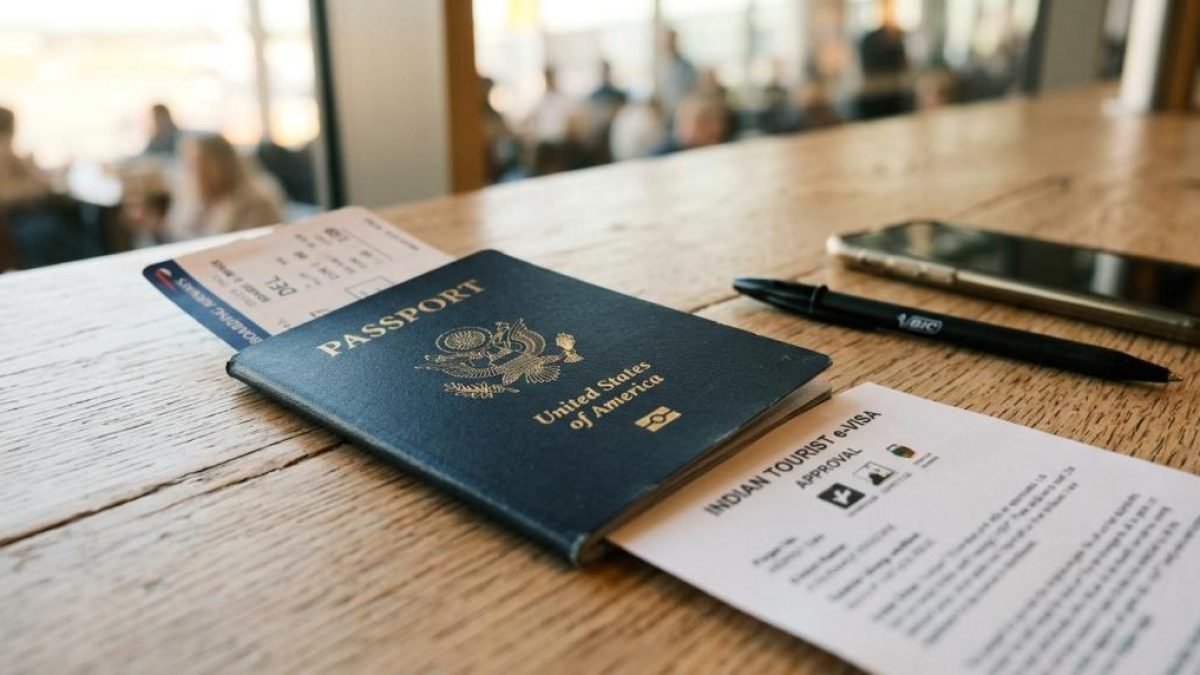
For many travelers, accessibility starts before the holiday even begins. Kerala’s airports publish passenger support details that are useful for seniors and people with reduced mobility.
The Airports Authority of India lists a “May I Help You Counter” at Trivandrum International Airport in both terminal buildings, along with medical and first-aid facilities. Cochin International Airport states that wheelchair services are available for arriving, departing, and transit passengers who request mobility assistance. The airport also notes that wheelchairs can assist passengers through security, to restrooms, and to the gate. It further states that airplane-specific wheelchairs may be requested through the airline booking system.
Those details are reassuring, though they also point to a clear planning rule: request assistance early and confirm it more than once.
| Airport | Officially published support | Best planning step |
|---|---|---|
| Trivandrum International Airport | May I Help You Counter, medical and first-aid facilities | Request wheelchair support with the airline and alert your ground transfer team |
| Cochin International Airport | Wheelchair service for arrival, departure, and transit; support to security, restrooms, and gate | Add mobility assistance during booking and reconfirm 24 to 48 hours before departure |
A well-planned airport arrival can save energy for the rest of the trip. When the airport, driver, and hotel all know the traveler’s mobility needs before landing, the first day tends to feel calmer and more comfortable.
Barrier-free Kerala tourism destinations and official accessibility efforts
Kerala Tourism’s accessibility work gives travelers a useful starting point. In a 2019 release, the department said that the first phase of the Barrier-free Kerala project made 70 destinations disabled- and elderly-friendly. The same release described a broader phase-one vision covering 120 centers and listed features that included ramps, special toilets, wheelchairs, walking sticks, folding walkers, crutches, tactile walkways, touch-screen kiosks, Braille brochures, and audio guides.
The release also gave a sense of scale at that time, citing 261 ramps, 116 toilets, 163 wheelchairs, 170 walking sticks, 958 signages, and 159 crutches across various centers. That is meaningful progress, especially in a destination state with beaches, heritage areas, backwaters, and hilly terrain.
Fort Kochi is often mentioned in this context. Kerala Tourism earlier said it would become the first differently abled-friendly heritage destination in the state, with plans that included ramps, wheelchairs, accessible food outlets, tactile maps, Braille signage, and special rest rooms in hotels, houseboats. For travelers who want culture without intense physical demands, that matters.
Still, accessibility on the ground can differ by property, season, maintenance standards, crowd levels, and the specific route taken within a destination. One museum entrance may be manageable while a nearby lane is uneven. A promenade may be easy in the morning but difficult when crowded in the evening. That is why “accessible Kerala” should be treated as a curated travel model, not a blanket label.
Hotels, houseboats, and transfers for wheelchair accessible Kerala holidays
Accommodation is often the biggest make-or-break factor. A hotel may have a lift and still be hard to use if the bathroom door is narrow, the shower has a raised lip, or the route from the lobby to the room includes small steps. Seniors may face a different issue: the room is technically reachable, but the walking distance inside the property is tiring.
That is why the phrase “wheelchair friendly” is not enough on its own. It should be backed by specifics, ideally photos and measurements. A verified ground-floor room can be better than a higher-category room with a long internal route.

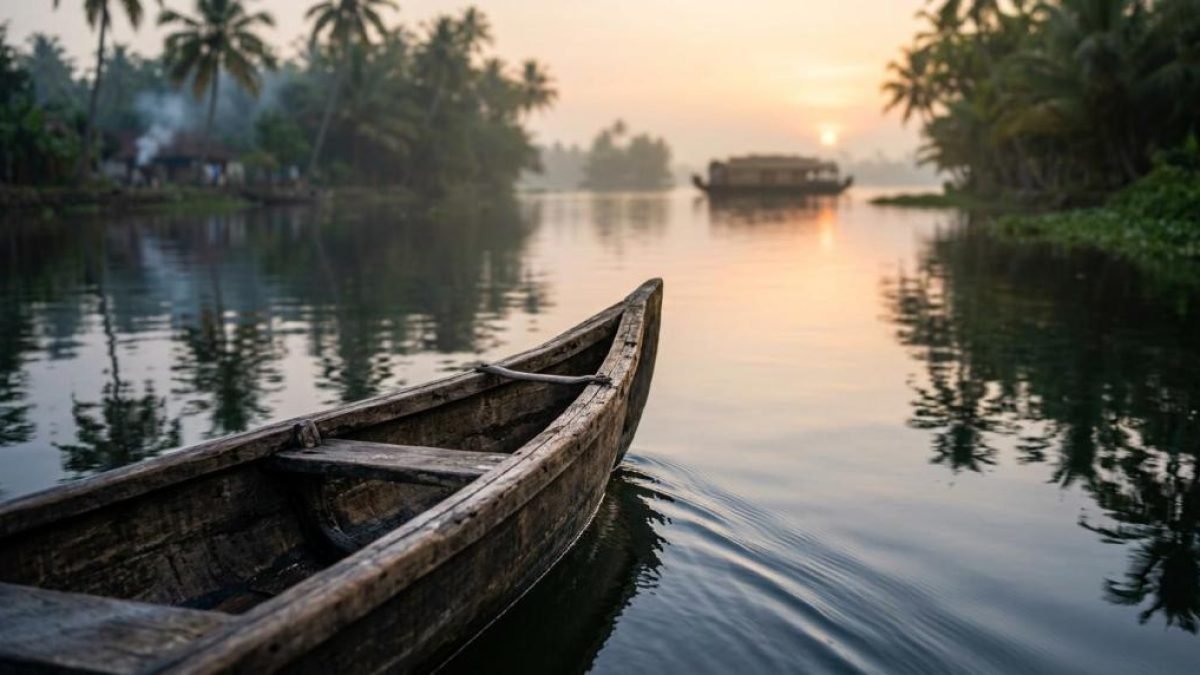
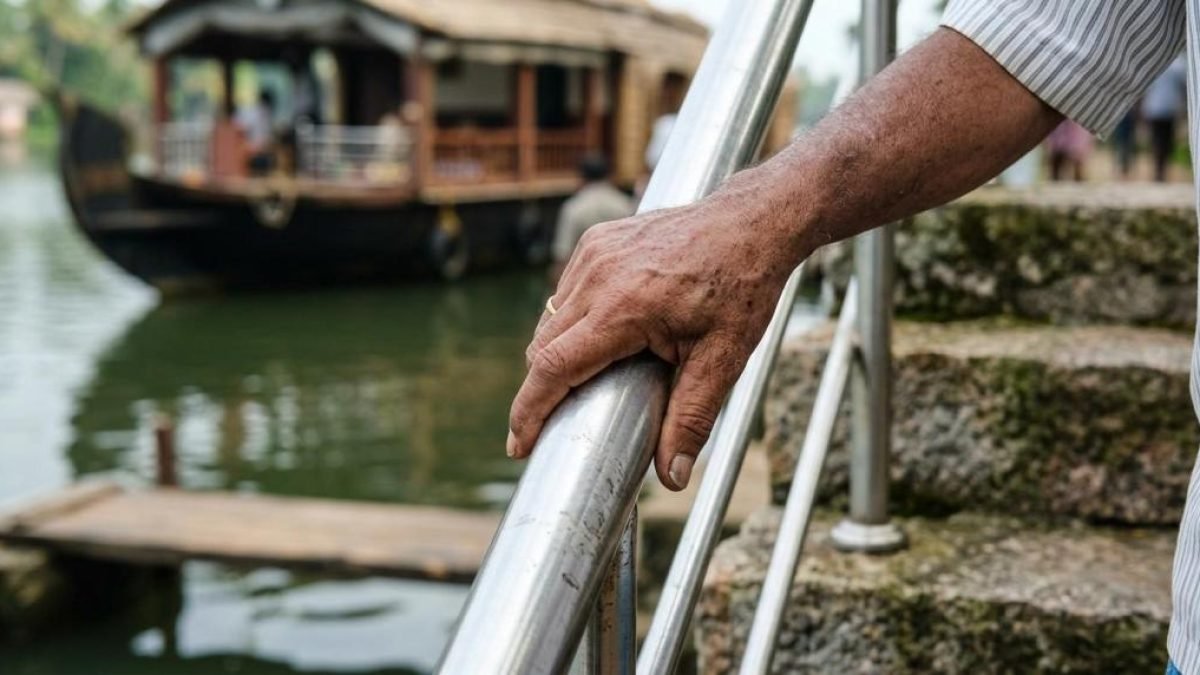
Houseboats need especially careful screening. Kerala’s backwaters are one of the state’s signature experiences, yet many boats have stepped entry points, narrow passageways, or compact bathrooms. Some travelers can transfer from wheelchair to chair and manage short assisted movement on board. Others may find a lakeside resort with a day cruise or shore-view experience more practical and more restful.
Road transfers matter just as much. Many travelers do well with a private vehicle and trained chauffeur, but boarding style must be discussed in advance. Some guests can fold a wheelchair and transfer to a regular car seat. Others may need a more specialized arrangement, extra helpers at check-in points, or hotels with portico access close to the room block.
Before confirming a booking, ask for details that go beyond marketing language.
- Accessible room details: Ask for door width, bathroom layout, shower threshold, grab bars, and lift access.
- Route inside the property: Check the distance from reception to room, restaurant, and common areas.
- Houseboat access: Request photos of entry steps, deck levels, corridor width, and toilet dimensions.
- Vehicle boarding method: Confirm whether the traveler can transfer to a standard seat or needs another setup.
- Staff assistance: Ask who will help during arrival, sightseeing stops, and luggage movement.
This level of screening may feel exacting, yet it leads to a more relaxed holiday. When the details are handled early, seniors can conserve energy, wheelchair users face fewer unpleasant surprises, and family members spend less time troubleshooting.
Best Kerala itinerary design for seniors and disabled travelers
The most successful routes usually limit hotel changes and keep driving times reasonable. Kerala looks compact on a map, but traffic, mountain roads, and sightseeing stops can turn short distances into long travel days. For seniors and disabled travelers, a slower plan often produces a richer experience.
A strong first-time route often begins with Kochi or Trivandrum, where airport arrival is simpler and urban services are easier to coordinate. From there, travelers can add one or two well-chosen stays rather than trying to cover the whole state.
Beach and backwater combinations are often easier than hill-heavy schedules. Hill stations can still be included, though steep roads, viewpoints, and weather should be weighed carefully against comfort and stamina.
A few itinerary styles tend to work well:
- Kochi with a backwater stay, ideal for culture, gentler pacing, and fewer hotel changes.
- Trivandrum with Kovalam, useful for travelers who prefer airport proximity and rest-focused days.
- Kochi with Kumarakom or Alleppey and a resort-based schedule, good for families traveling with an older parent.
- A shorter Kerala segment within a larger South India itinerary, helpful for travelers who want quality time rather than maximum distance.
Munnar, Thekkady, and Wayanad remain very popular, and many travelers with reduced mobility do visit them successfully. The right question is not whether these places are “possible.” The better question is whether they fit the traveler’s strength, transfer ability, and appetite for winding roads or uneven outdoor spaces.
Using approved guides and local support in Kerala
Support on the ground can change the quality of the trip. Kerala Tourism maintains state-level and district-level approved tourist-guide lists and notes that accredited guides help support guest safety, wellbeing, and access to current information. For travelers who need slower pacing, language support, or extra help at heritage and public sites, a good guide can be far more than a narrator.
A guide or trip coordinator can also help with timing. Visiting a site before peak crowd hours, using the easiest entrance, arranging seating breaks, and managing parking drop-offs can make a heritage visit feel far more manageable.
That local coordination is especially useful in Kerala, where the difference between a stressful day and a smooth one often comes down to small decisions made at the right time.
Practical planning steps for wheelchair accessible Kerala travel
Accessible travel in Kerala rewards preparation, and the payoff is real. With the right airport support, well-screened stays, suitable transport, and a route built around comfort, many seniors and disabled travelers can enjoy the backwaters, culture, coastal scenery, and hospitality with confidence.
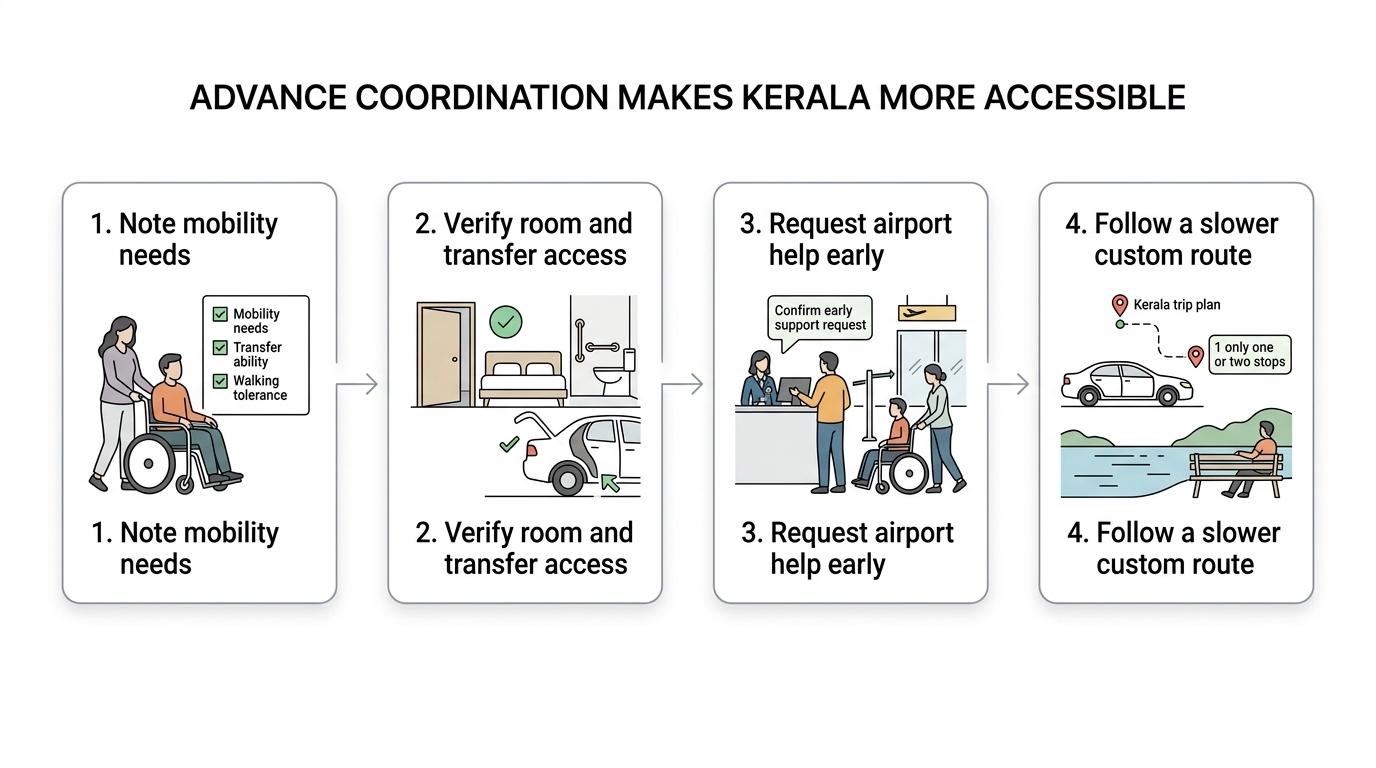
A sensible planning flow usually looks like this:
- Start with the traveler profile: Manual or powered wheelchair, transfer ability, walking tolerance, and medical considerations.
- Build around verified stays: Choose rooms and properties based on access facts, not broad labels.
- Confirm airport support early: Add wheelchair assistance through the airline and reconfirm before departure.
- Keep drives realistic: Favor fewer bases and more rest time.
- Use local coordination: A customized itinerary with on-trip support reduces avoidable friction.
Kerala is moving in a positive direction on accessibility, and official tourism and airport sources show that the foundations are already in place. The most rewarding trips come from matching those foundations with careful planning, honest screening, and a travel pace that gives every guest the space to enjoy the state comfortably.