Planning a South India trip can feel harder than it should. The region is vast, the landscapes change quickly, and every state seems to offer three more places you want to add.
The good news is that a calm, well-paced itinerary is very possible if you make a few smart choices early: travel in the right season, enter through a strong transport hub, and resist the urge to cover everything in one visit. South India rewards focus. A shorter route with fewer transfers often feels richer than a long checklist of destinations.
South India itinerary planning starts with season and climate
The easiest way to reduce stress is to plan around weather, not just wish lists. Official tourism sources for South India often point to October through March, and in some areas October through May, as the more comfortable window for travel. That matters because climate changes the whole rhythm of a trip, from road conditions to sightseeing energy.
Kerala’s tourism guidance highlights October to February as an especially pleasant period, with mild temperatures often in the 17 to 30 degrees Celsius range. In Wayanad, official guidance points to October to May as the better time, while the June to September monsoon can limit movement in some areas. Chennai’s official destination page also shows why timing matters: temperatures can climb sharply, reaching over 41 degrees Celsius in May.
A simple seasonal choice does more than improve comfort. It gives you more reliable road travel, easier sightseeing, and a better chance of enjoying outdoor experiences like backwater cruises, hill drives, tea country walks, and temple visits without racing back to the hotel by noon.
| Region or trip style | Most comfortable planning window | Why it helps |
|---|---|---|
| Kerala backwaters and coast | October to February | Milder weather, easier outdoor travel |
| Kerala highlands like Wayanad | October to May | Better road access and clearer hill travel |
| Chennai and Tamil Nadu city-temple routes | October to March | Avoids the strongest summer heat |
| Multi-state South India trip | October to March | Best balance for comfort across regions |
If your dates are fixed in summer or monsoon, the answer is not to cancel the idea. It is to narrow the geography. A hill-focused plan, a single-state route, or a slower luxury itinerary with fewer transfers can still work beautifully.
South India itinerary routes work best when built around transport hubs
Stress often begins when travelers choose destinations first and logistics later. A better method is to start with the entry and exit points, then connect places that naturally fit together.
Chennai is one of the clearest examples of a practical trip anchor. Official tourism information lists Chennai International Airport as a major gateway and Chennai Central Railway Station as a key rail point. That makes the city useful not only for a Tamil Nadu route, but also for wider South India plans that combine culture, coast, and rail travel.
Rail is another major advantage in the south. The Southern Railway network serves Tamil Nadu, Kerala, Puducherry, and part of Andhra Pradesh, with a span that reaches from Mangalore and Kanniyakumari to Renigunta and Gudur. That broad connectivity gives travelers a strong framework for building sensible routes instead of forcing long backtracking drives.
A low-stress route usually follows one of these patterns:
- Open-jaw travel
- One-way over loop
- Two or three hotel bases
- Rail for long hops, car for scenic local stretches
That last point matters. A private car can be ideal for places like tea estates, wildlife edges, and backwater regions where sightseeing is spread out. Rail, by contrast, can reduce fatigue on longer intercity segments.
Choose one South India travel theme before choosing every destination
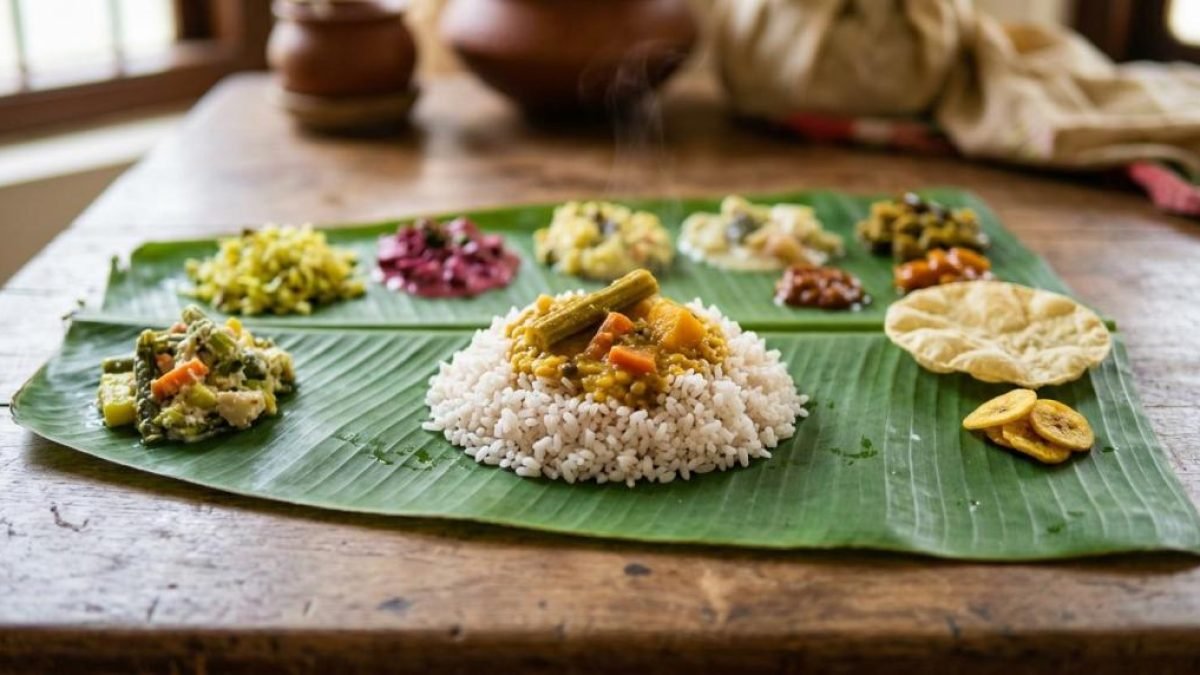
A strong itinerary has a center of gravity, including the exploration of local food. Without one, every famous place starts to look “essential,” and the trip becomes crowded very quickly.
Pick the trip’s main character first. Do you want temple heritage, tropical relaxation, hill scenery, wildlife, Ayurveda, food, or a balanced first-time overview? South India supports all of these, but not all at once in a relaxed timeline.
A few examples help:
- Culture-first: Chennai, Mahabalipuram, Puducherry, Thanjavur, Madurai
- Nature-first: Kochi, Munnar, Thekkady, Alleppey, Kumarakom, Wayanad
- Hills and soft adventure: Coorg, Chikkamagaluru, Wayanad, parts of the Western Ghats
- Coast and heritage: Chennai, Puducherry, Kerala backwaters, Kanniyakumari
- Broad first visit: One state in depth plus one contrast destination
Official tourism material supports this variety well. Karnataka is known for Western Ghats landscapes and many waterfalls, while Andhra Pradesh offers a long eastern coastline alongside heritage, caves, sanctuaries, and hill stations. The range is exciting, but it also reinforces a planning truth: the more themes you combine, the more transitions you create.
A stress-free South India itinerary usually means fewer hotel changes
This is where many plans go wrong. Travelers see that two destinations are “only” a few hours apart and assume that changing hotels often will feel efficient. In practice, every move consumes time in packing, checkout, driving, arrival coordination, and mental reset.
A better rhythm is to stay at least two nights in most places, and three nights where the setting itself is part of the experience. Backwaters, hill stations, and wellness-focused destinations offer not only relaxation but also the opportunity to indulge in local food, making them especially rewarding when you leave room to simply be there.
Think in bases, not dots on a map. One city for arrival, one scenic region, one slow-water or beach stay, and one heritage stop can already make a rich 8 to 10 day trip.
Here is a practical rule set that keeps itineraries calm:
- Maximum transfers: Try not to change hotels every single day
- Long drive days: Limit them to one or two in the entire trip
- Back-to-back sightseeing: Avoid stacking major attractions every morning and evening
- Recovery time: Keep at least one lightly planned half-day after a flight or train transfer
Luxury travelers often feel this most clearly. Comfort does not come only from the hotel category. It comes from pace.
South India itinerary examples by trip length
Trip length shapes everything. Trying to fit Kerala, Tamil Nadu, Karnataka, and Andhra Pradesh into one week almost always creates unnecessary pressure. A cleaner approach is to match your ambition to the number of days.
7-day South India itinerary for first-time travelers
For one week, stay focused on a compact route. A strong option is Chennai, Mahabalipuram, Puducherry, and one temple city in Tamil Nadu. Another good choice is Kochi, Munnar, and Alleppey or Kumarakom in Kerala.
This works because each route keeps the number of states limited and offers clear contrasts without long, punishing transfers.
10-day South India itinerary with variety
Ten days opens up the chance for a more balanced trip. Kerala performs especially well here: Kochi for heritage, Munnar for hills, Thekkady for spice and wildlife ambience, and Alleppey or Kumarakom for the backwaters.
A Tamil Nadu and Kerala combination also works nicely if built with discipline, perhaps Chennai or Madurai paired with one hill region and one backwater stay.
14-day South India itinerary across two or three states
Two weeks allows a fuller regional story. You can combine Tamil Nadu’s cultural depth with Kerala’s landscapes, or create a hill-and-coast route that includes parts of Karnataka.
The key is restraint. Even in 14 days, two states done well often feel better than four states done quickly.
| Trip length | Smart itinerary style | Best result |
|---|---|---|
| 7 days | One state or one compact circuit | Less packing, better flow |
| 10 days | One state in depth or two linked regions | Variety without rush |
| 14 days | Two states, maybe three with careful routing | Deeper experience and better pacing |
Kerala backwaters, Tamil Nadu cities, and hill stations need different pacing
Not all destinations should be handled the same way. A temple city, a hill retreat, and a backwater stay create different kinds of fatigue and different kinds of reward.
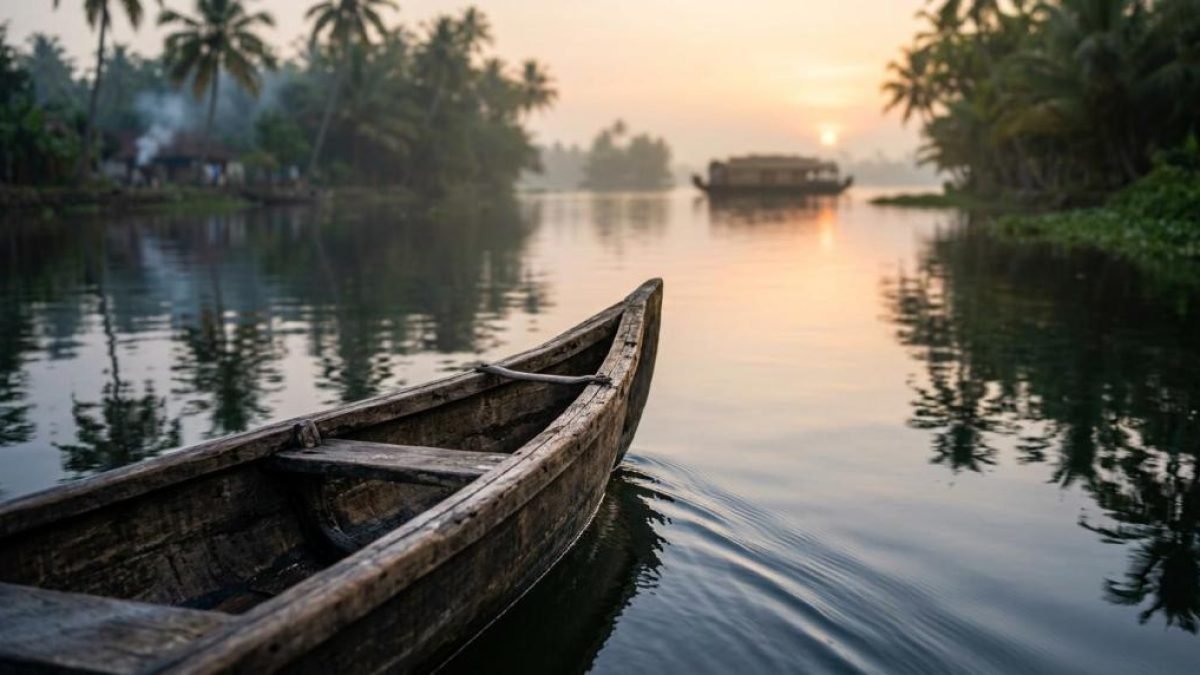
Cities and heritage centers often involve earlier starts, more walking, and denser sightseeing, with opportunities to explore local food scenes. Hill stations usually include curving roads and slower travel times, even when distances seem short. Backwaters ask for the opposite: less movement, more stillness, and time away from rigid schedules.
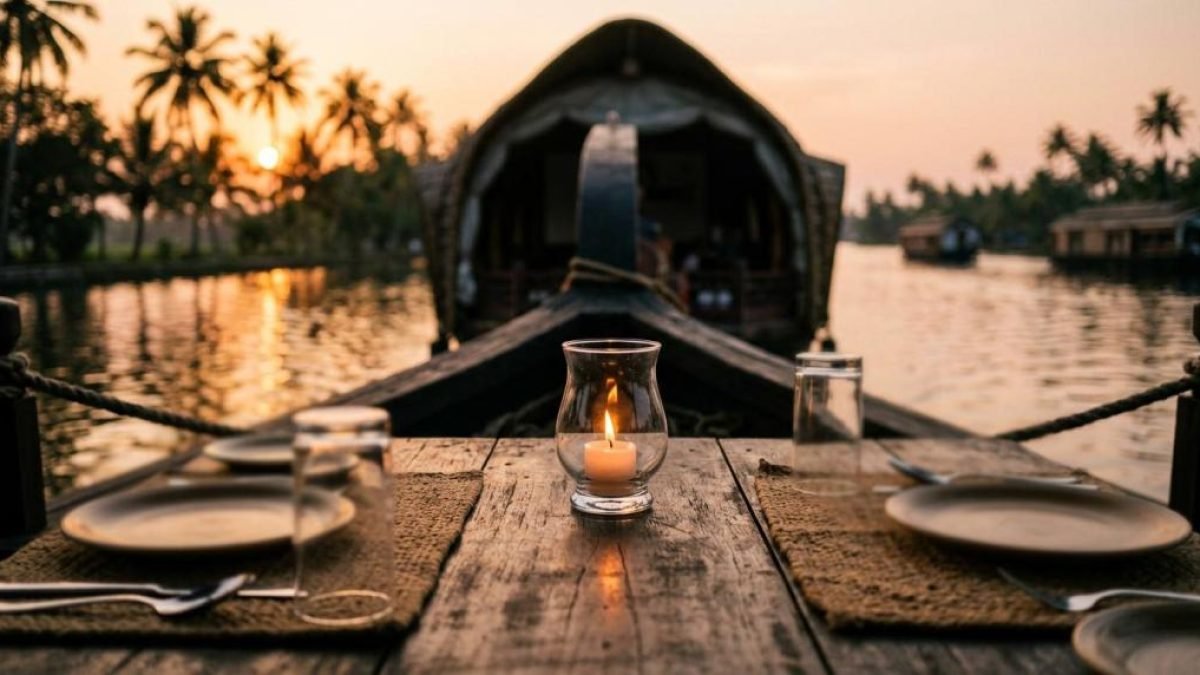
That is why a smart South India itinerary alternates energy. Place an easier destination after a busy one. Follow a cultural city with a landscape stay. Put the houseboat or lakeside resort after the stretch with the most road movement, not before it.
This is also the point where travelers benefit from verified local planning. That same logic appears in Mont Blanc Adventure’s guide to self-guided walking holidays, which shows how route design, baggage handling, and on-trip support can make even multi-stop travel feel markedly more manageable.
Good accommodations, trained chauffeurs, realistic transfer times, and on-trip support can turn a complicated route into a very comfortable one.
Use rail and road in the right places for a South India trip
Transport choice is not just about cost. It shapes how the trip feels.
Road travel is often best for Kerala circuits, hill stations, plantation areas, wildlife edges, and flexible sightseeing days. Rail becomes attractive when linking major cities across the Southern Railway network, especially if you want to avoid repeated airport procedures or long highway runs.
A few guidelines help keep things smooth:
- Use road travel for: hill regions, backwater access, private sightseeing days
- Use rail for: major city-to-city links where stations are central and timing works
- Use flights for: saving time on long cross-regional jumps
- Avoid mixing everything at once: too many transport modes can make the trip feel fragmented
The best plans usually rely on one primary mode and one support mode. That creates consistency, which reduces decision fatigue during travel.
Common South India itinerary mistakes that create stress
Most travel stress is predictable. It rarely comes from South India itself. It comes from building a route that ignores heat, distance, or travel style.
A few patterns appear again and again. Travelers underestimate drive times in the hills, schedule temple visits in peak heat, place overnight travel between already busy days, or try to “see Kerala” and “see Tamil Nadu” in a week while also adding a beach break and wildlife stay.
The fix is simple, even if it requires discipline:
- Too many states: Choose depth over range
- Wrong season mix: Match destinations to the month, not the other way around
- One-night stays: Cut them unless absolutely necessary
- Backtracking routes: Plan entry and exit points early
- No buffer time: Keep room for weather, rest, and spontaneous moments
This is especially useful in monsoon-sensitive areas. Official guidance for places like Wayanad makes it clear that seasonal rain can affect movement in some periods, so a weather-aware route is not just more comfortable. It is more reliable.
How to make your South India itinerary feel premium without making it complicated
A premium trip is not always the one with the longest distance or the most destinations. It is usually the one where each element feels well judged: the right room category, the right stop length, the right transfer pace, and the right amount of support.
That can mean a chauffeured car instead of self-driving, a verified houseboat instead of a risky last-minute booking, or a custom route that pairs luxury stays with realistic travel times. Transparent planning also matters. When travelers know how long each transfer is, what each day asks of them, and where the slower moments sit, the whole trip feels calmer.
South India responds very well to this style of planning. The region has excellent contrast, strong rail links, major gateways like Chennai, iconic backwaters in Kerala, and hill landscapes across the Western Ghats. When those pieces are arranged with care, the itinerary becomes lighter, clearer, and much more enjoyable from the first day onward.
If you are building your route now, start with the month, pick one arrival hub, choose one core trip theme, and cut one destination you do not truly need. That single edit often turns a crowded plan into a trip you can actually enjoy.