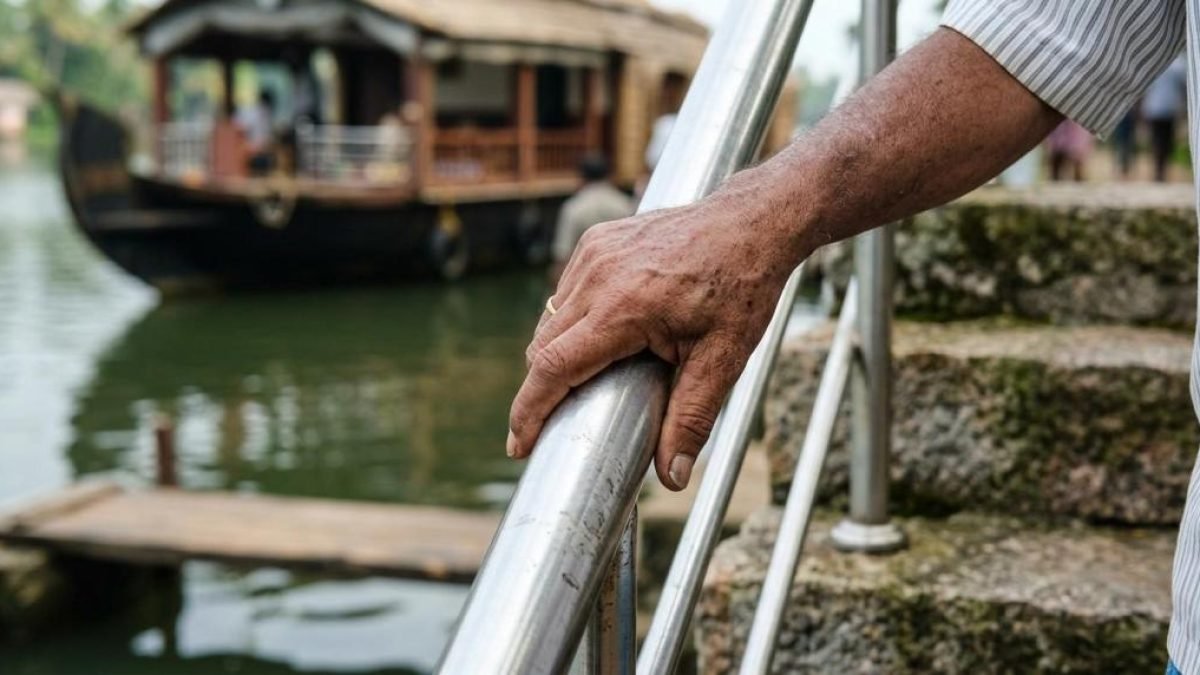
Kerala rewards travelers who choose their transport with care, often considering vehicle rental options for added flexibility. A misty hill drive to Munnar, a long coastal run to explore Kovalam, a short city hop in Kochi, and a backwater crossing in Alappuzha all ask for different kinds of vehicles. The smartest choice is rarely about price alone. It is about pace, comfort, luggage, road conditions, and how much freedom you want each day.
That is why transport planning matters so much in South India holidays. Kerala offers private cars, tourist taxis, self-drive rentals, buses, trains, ferries, and houseboats, all with very different strengths. A couple on a honeymoon may value privacy and timing. A family with children may want easier transfers and fewer station changes. A solo traveler may happily combine rail and app-based cab services in major cities.
Kerala transport options compared at a glance
Kerala Tourism lists auto-rickshaws, taxis, buses, app-based cab services, and trains among the common ways to get around, emphasizing the diverse Kerala tour vehicle options available to travelers. The State Water Transport Department also runs passenger and tourist boat services, which are especially relevant in waterlogged areas and inland routes. That means visitors are not choosing one transport system for the whole trip. They are often choosing a main mode, then adding local options where needed.
The table below gives a practical side-by-side view.
| Transport option | Best for | Main advantages | Main trade-offs | Typical use in Kerala |
|---|---|---|---|---|
| Private car with driver | Couples, families, premium travelers | Flexible timing, hotel-to-hotel ease, luggage comfort | Higher cost than public transport | Multi-stop holidays across Kochi, Munnar, Thekkady, Alleppey, Kovalam |
| Tourist taxi for point-to-point travel | Airport arrivals, short intercity transfers | Direct, simple, widely available | Cost rises with many long transfers | Kochi Airport to Munnar, Trivandrum to Kovalam |
| Self-drive car | Confident drivers who want independence | Full control, private pace | Parking, local driving habits, route stress | Scenic road trips, slower vacations |
| Bus | Budget travelers, short routes | Low fares, dense network | Less comfort, variable crowding, fixed schedules | Town-to-town travel, local commuting |
| Train | Budget and mid-range travelers | Efficient for longer intercity stretches | Station transfers required, advance booking helps | Kochi to Trivandrum, Kannur to Kozhikode |
| Ferry or water taxi | Backwater routes and local crossings | Scenic, useful in water-based areas | Route-specific, schedule dependent | Alappuzha, Kochi waterways, inland crossings |
| Houseboat | Leisure travelers, honeymooners, families | Experience-led stay on the water | Not a substitute for general road transport | Overnight backwater stay in Alleppey or Kumarakom |
| Auto-rickshaw or app-based cab | City rides | Fast for short trips, easy availability in cities | Limited luggage room | Kochi, Trivandrum, Kozhikode local movement |
Private cars and chauffeur-driven taxis for Kerala sightseeing
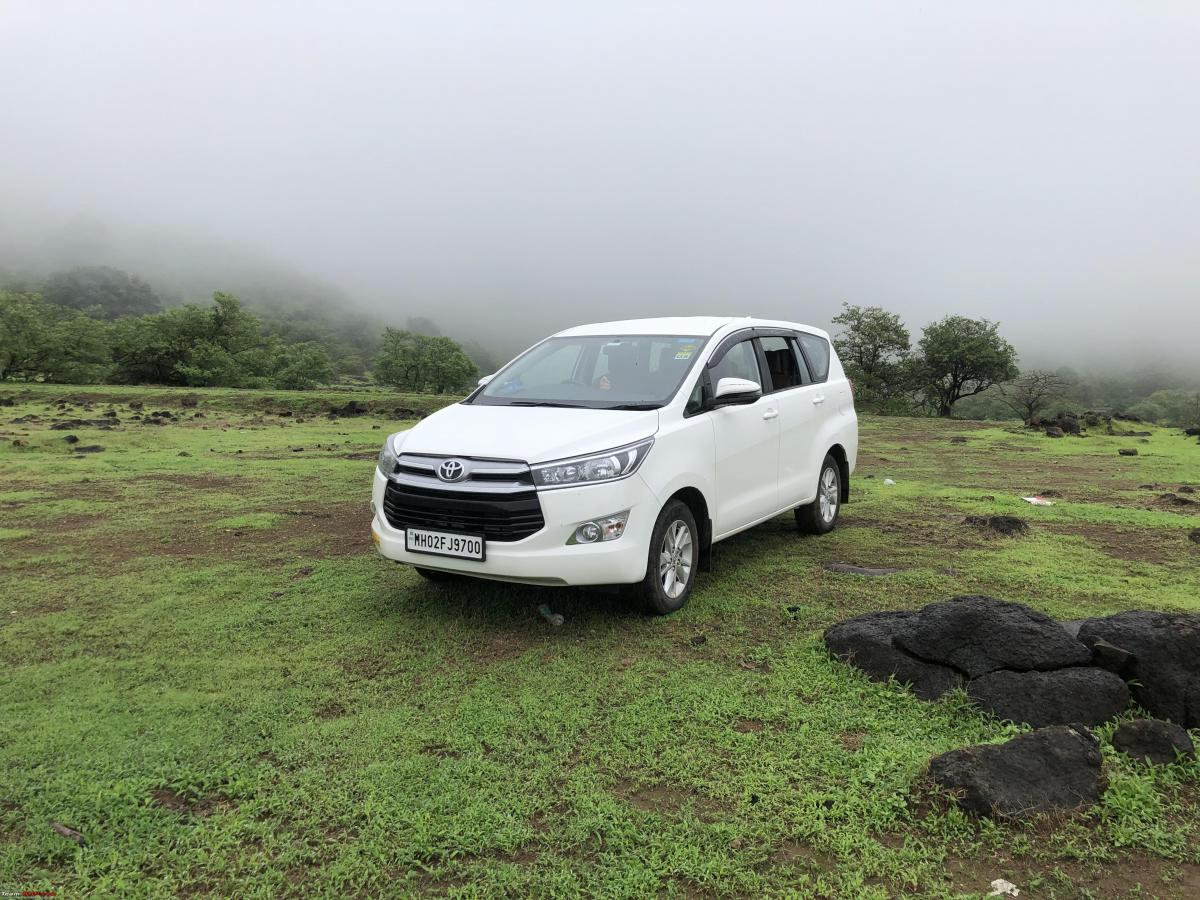
For most visitors planning a multi-day holiday, a tempo traveller, private sedan, or a chauffeur-driven vehicle remains the strongest all-around option. Kerala’s top routes are scenic, but they are also varied. You may move from airport roads to winding hill climbs, from busy city corridors to narrow village lanes near backwaters. A private vehicle handles those shifts with the least friction.
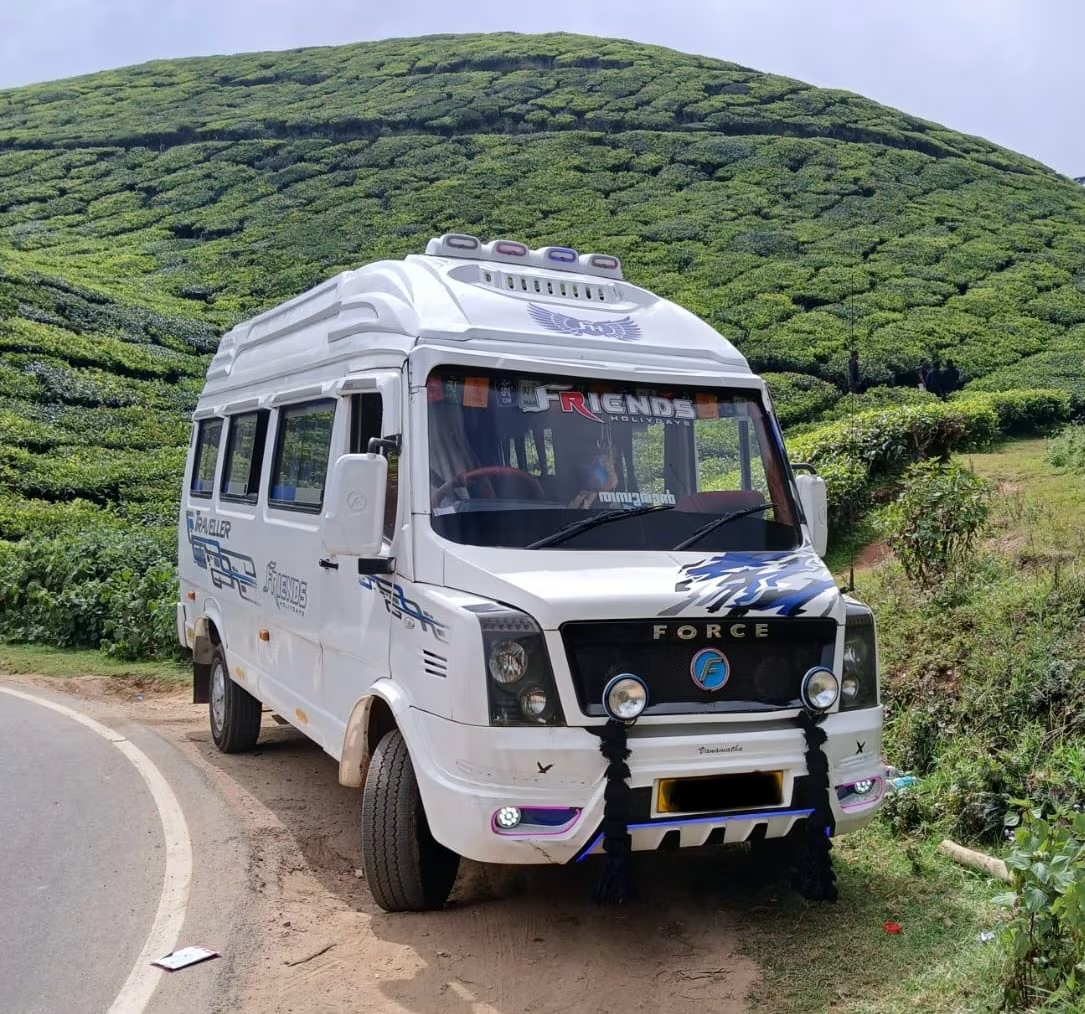
This matters even more when the itinerary includes several hotel changes. The move from Kochi to [Munnar, then to Thekkady, then onward to Alleppey or Kumarakom, is much easier when the same vehicle stays with you. There is no need to manage station timing, haggle over local transfers, or carry bags up and down platforms in humid weather.
A Kerala travel guide published by Troper Tours notes that families and groups often choose private cabs or self-drive vehicles, and that matches what many travelers already sense. When comfort, timing, and door-to-door ease matter, road transport wins.
Private cars also work well because sightseeing in Kerala, including around major spots like Cochin, is rarely concentrated in one compact zone. Tea estates, wildlife areas, waterfalls, heritage streets, beach belts, and backwater jetties are spread out. A trained chauffeur adds local road knowledge, and for international guests, that removes a lot of uncertainty.
After that basic advantage, the real value often shows up in the smaller moments:
- Late-night airport pickup
- Flexible photo stops
- Easier luggage handling
- Direct hotel transfers
- Better comfort in rain
Price is the obvious question. Troper Tours has shared example costs like ₹3,000 to ₹4,000 for a Cochin Airport to Munnar taxi, though actual rates vary by season, vehicle class, timing, and pickup terms, with sedans being a popular choice for travelers seeking comfort, and offering various Kerala tour vehicle options to suit different needs. For many travelers, the gain is not only comfort but also the spaciousness that a tempo traveller offers for group journeys. It is the ability to fit more into each day without rushing.
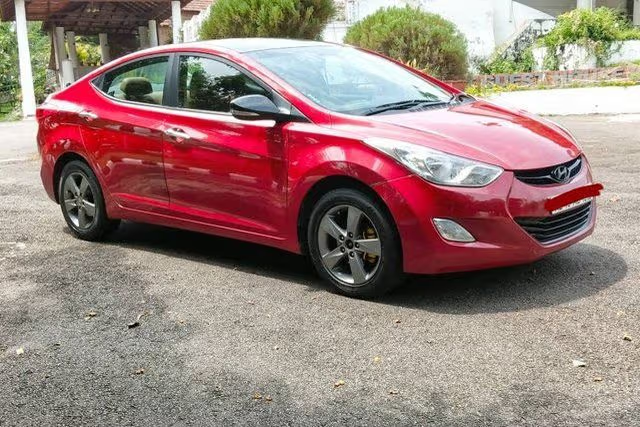
Self-drive cars for flexible Kerala road trips
Self-drive can be deeply rewarding in Kerala, especially for travelers who want a slower road trip and are comfortable with Indian traffic patterns.
Kerala Tourism promotes self-paced road travel through its Drivecations concept, and the appeal is easy to see. You can pause at a spice garden, stop for lunch when you like, or change the order of a day without calling anyone. Couples on longer holidays often enjoy this format when they plan fewer hotel changes and more time in each place.
Still, self-drive is best for a specific traveler profile. Hill roads can be narrow and foggy. Town centers can be busy. Parking in some areas is not always simple. If the goal is full relaxation, a private driver may still feel more luxurious than doing every kilometer yourself.
Buses and trains for lower-cost travel in Kerala
If budget is a major factor, Kerala’s public transport network is a serious option, not a fallback. Kerala Tourism identifies buses and trains as economical ways to travel within and between cities. KSRTC buses and private buses connect a large share of the state, while rail links are especially useful on longer coastal stretches.
Trains are often the strongest value for major intercity movement. A Troper Tours planning article gives an example range of ₹400 to ₹600 for a Cochin to Trivandrum train, which shows how much lower rail costs can be compared with private road travel over a long distance. The trade-off is not quality alone. It is structure. You need to match hotel check-in times, get to and from stations, and be ready for a less flexible day.
Buses work best for travelers who are comfortable with a local pace and do not mind fixed departure patterns. They are excellent for short or medium distances, and in many corridors they are frequent enough to be practical. They are less ideal when you are carrying large suitcases, traveling with very young children, or trying to cover remote sightseeing points on the same day.
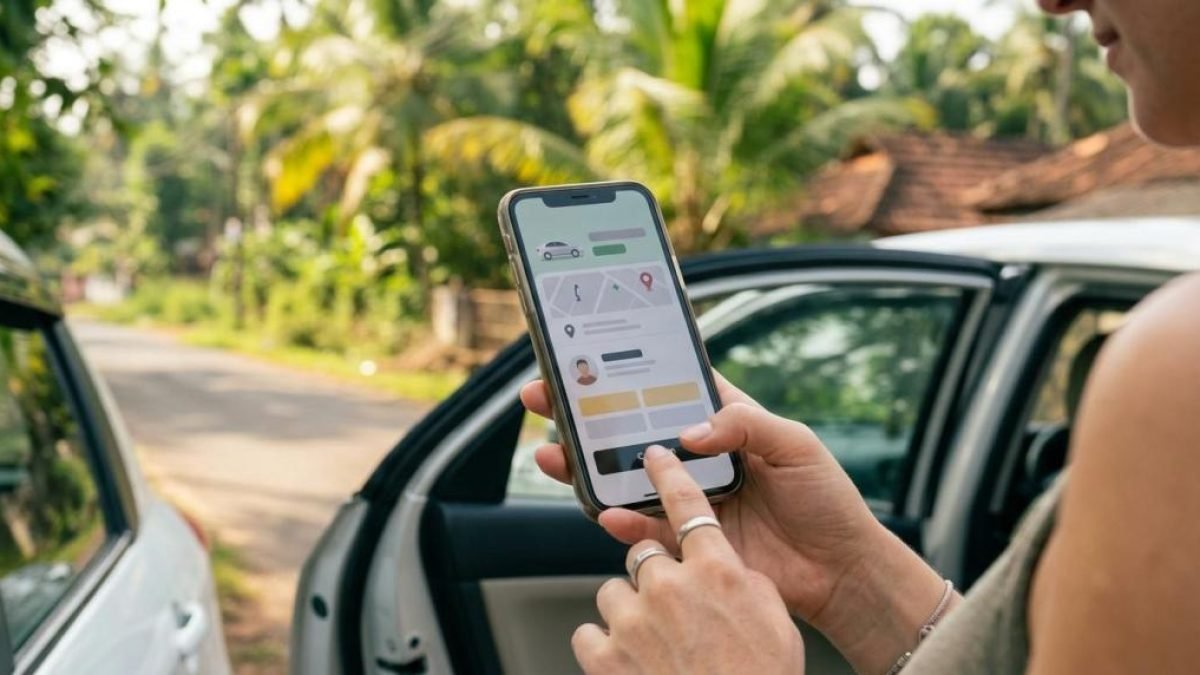
City movement is another category. In major urban areas, app-based cab services and vehicle rental can be useful for short rides. Auto-rickshaws remain common and convenient too, especially for market areas, railway stations, and quick hotel transfers.
A good way to think about buses and trains is this:
- Best on price
- Strong for direct city-to-city movement
- Less flexible for sightseeing-heavy itineraries
- Better with light luggage
- Strongest when paired with short taxi rides at each end
For independent travelers, a hybrid model can work very well. Take the train for a longer stretch, then use cabs locally where convenience matters most.
Ferries, water taxis, and houseboats for Kerala backwaters
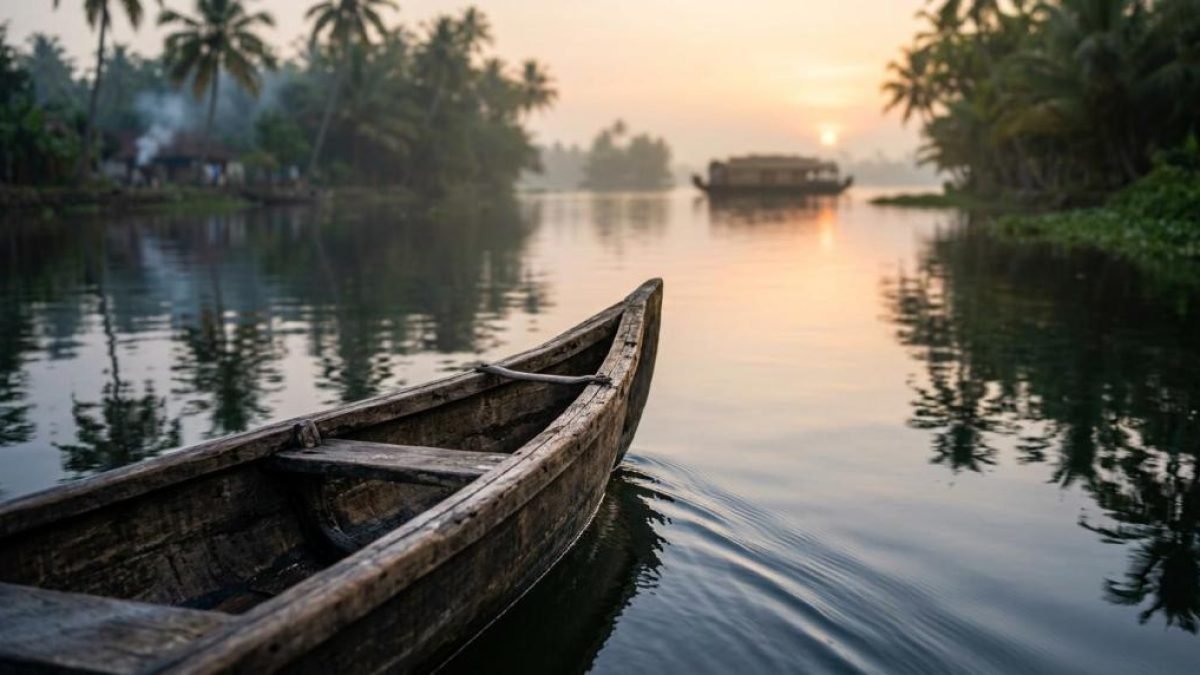
Backwaters change the transport conversation completely. In certain districts, water is not just scenery. It is part of daily movement. The State Water Transport Department describes its role as providing cost-efficient, speedy water transport facilities, especially in waterlogged areas and inland navigation routes. It also lists boat schedules, places en route, and water taxi services.
That makes ferries and state-run boat services useful for real travel, not only for sightseeing. In parts of Alappuzha, Kochi, and nearby waterways, a boat connection may be the natural local route.
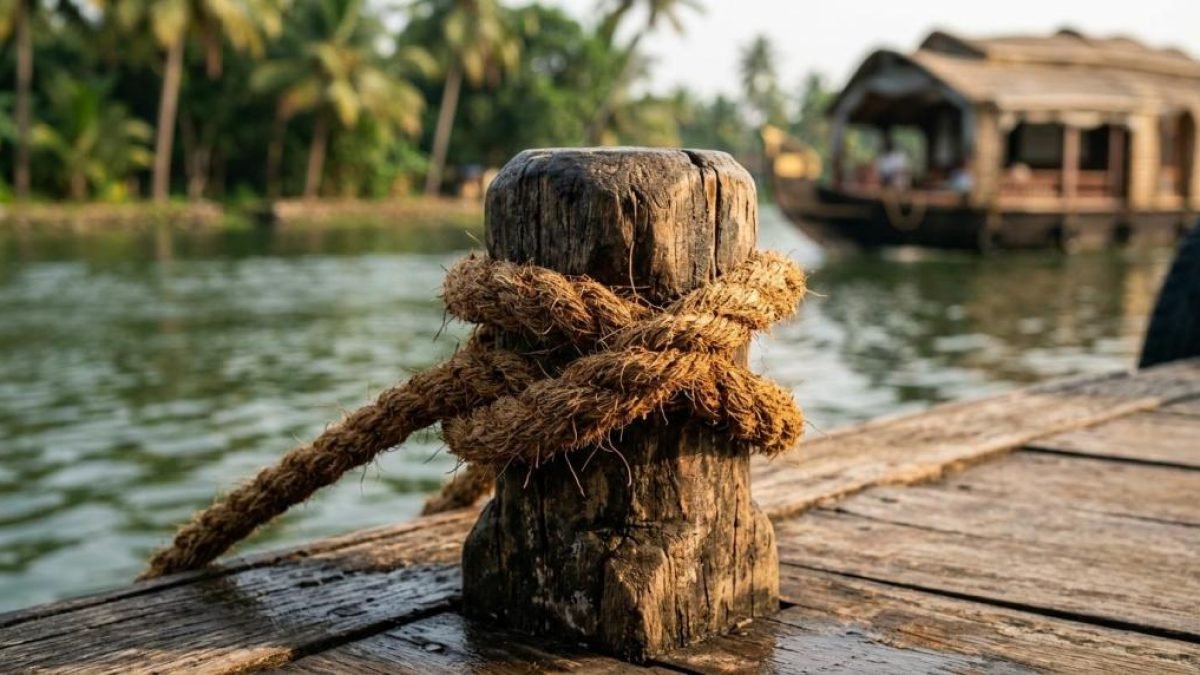
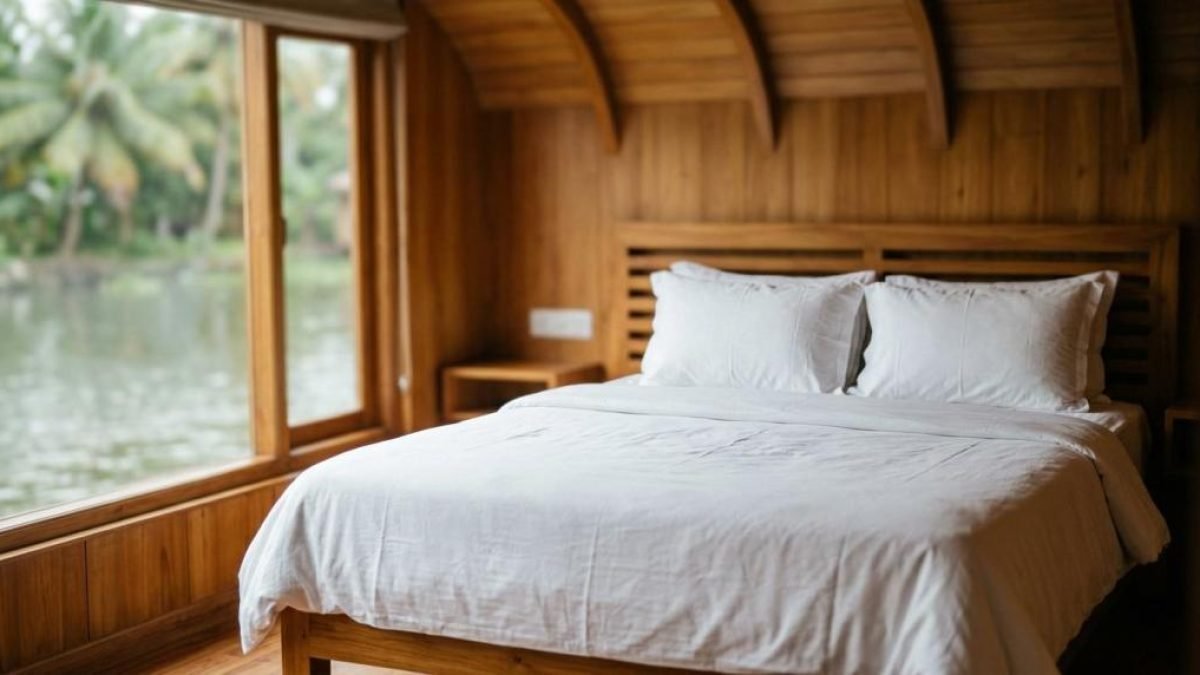
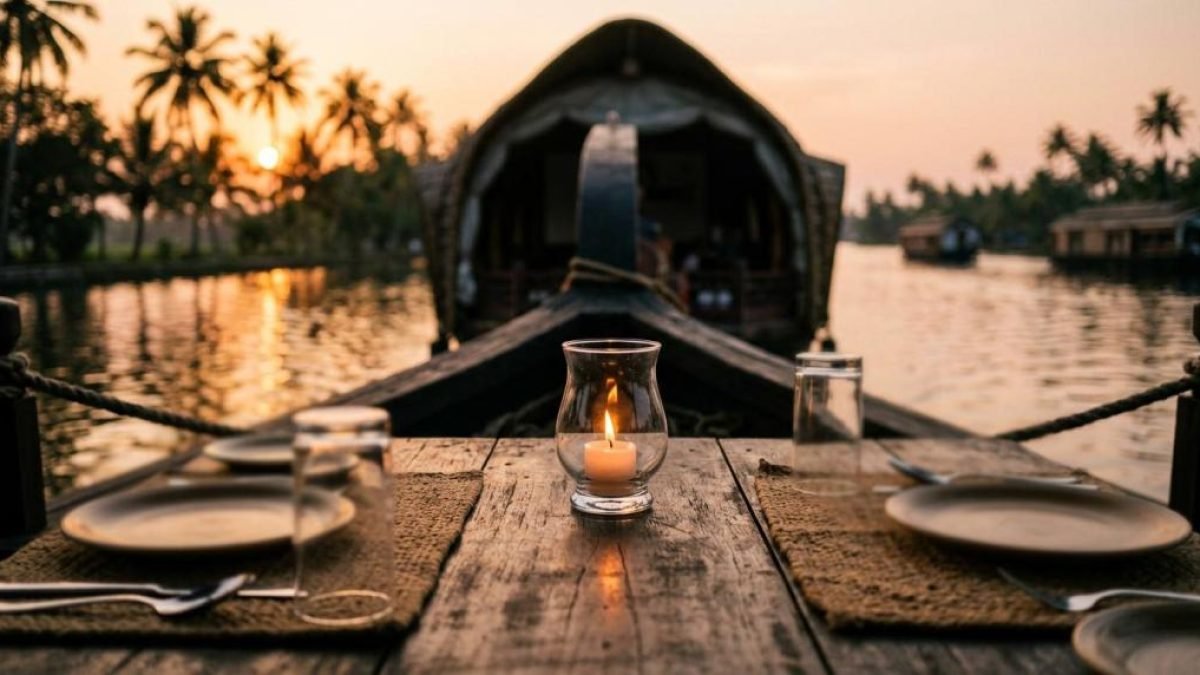
Houseboats, though, belong in a separate category. They are a stay-and-experience product, not a practical substitute for broad transport across Kerala. Travelers sometimes group them mentally with ferries, but the purpose is very different. A ferry gets you across or along a route. A houseboat gives you a slow backwater day, meals on board, and often an overnight stay.
Troper Tours has cited example pricing of ₹6,000 to ₹9,000 for a one-night Alleppey houseboat ride, though the actual cost depends on boat type, room count, meal plan, season, and service standards. That range helps set expectations: a houseboat is best viewed like a floating hotel experience.
The backwater choice usually becomes clear once you define the goal:
- Ferry or water taxi: Practical local movement in water-based regions
- Houseboat: Leisure experience with accommodation and meals
How to compare Kerala transport pricing in tour packages
Transport pricing in Kerala can look confusing at first because two trips with similar distance may be priced very differently. The reason is simple: the vehicle is only one part of the service.
Troper Tours’ own FAQ makes a useful point here. Price comparisons should focus on inclusions, not only the headline amount. One package may include airport pickup, experienced drivers, guided sightseeing, parking, tolls, and on-trip support. Another may quote a lower rate while leaving those items outside the base price.
That is why a thoughtful comparison should cover the full picture:
- Vehicle type: Sedan, SUV, tempo traveler, luxury option
- Driver terms: Experienced chauffeur, duty hours, night halt, language comfort
- Route scope: Airport transfers only, sightseeing hours, intercity movement
- Support level: Local coordination, on-trip help, schedule changes
- Bundled value: Whether accommodations, meals, entries, or guides are part of the same plan
Travelers often save money by choosing the cheapest transport line item, then spend more later fixing gaps. A missed station transfer, a poor-condition car, or a badly timed pickup can affect the whole holiday. Transparent pricing usually feels better because you know what is covered before arrival.
For premium trips, door-to-door planning also has real value. When the vehicle, hotel timing, sightseeing sequence, and support team are connected, the trip runs more smoothly. That is one reason many customized Kerala holidays rely on integrated transport rather than piecing together every ride separately.
Best Kerala vehicle options for couples, families, solo travelers, and groups
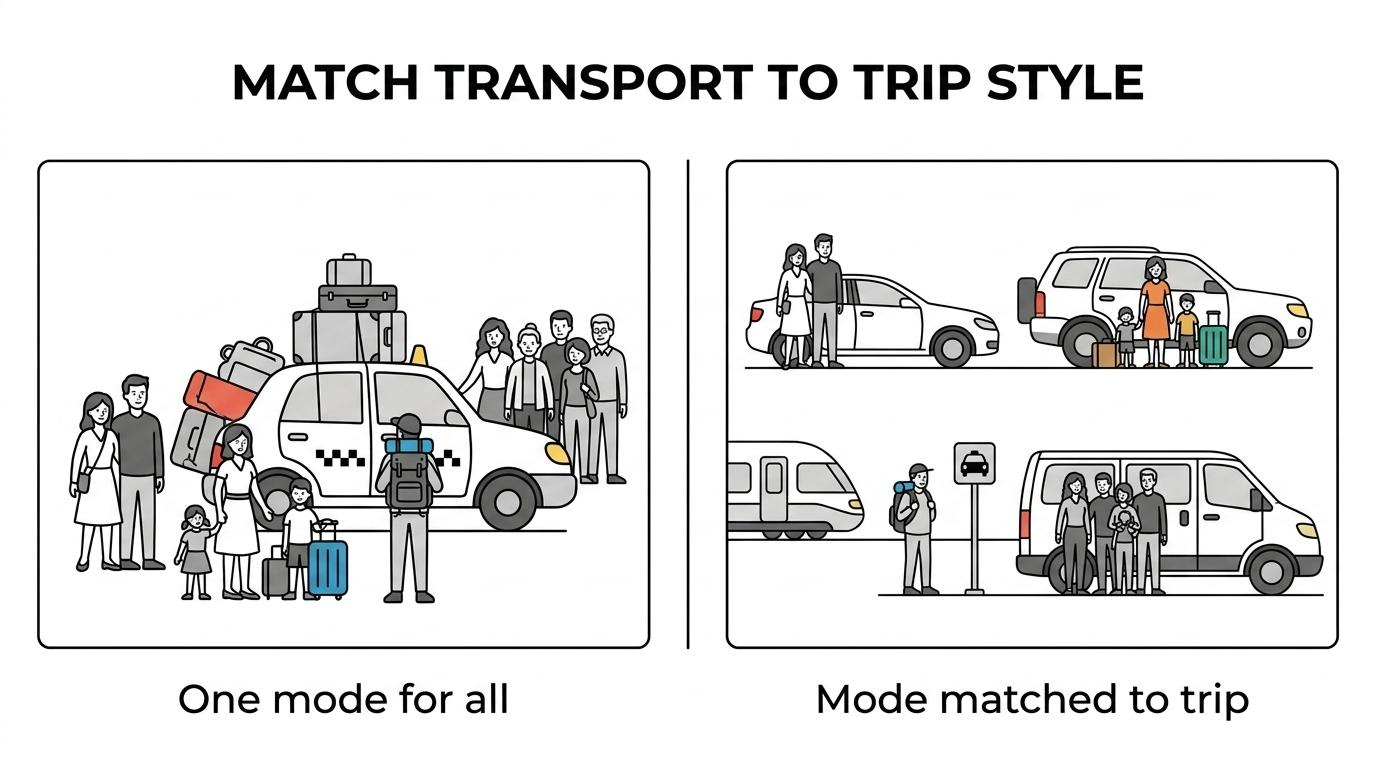
The right vehicle depends less on the map and more on your travel style.
Couples often prefer a sedan or a premium chauffeur-driven vehicle, especially if the itinerary includes hill stations, a backwater stay, and beach time in one trip. Families usually benefit from the same approach, with extra attention to boot space, child comfort, and stop flexibility. Groups may do best with larger vehicles that keep everyone together instead of splitting into multiple cabs.
Solo travelers have more room to mix modes. Rail plus local taxis can be efficient, especially on longer city-to-city stretches. Confident independent travelers may also like self-drive for a slower holiday with fewer hotel changes.
A simple match-up helps:
- Couples: private car, premium taxi, houseboat add-on
- Families: SUV or spacious cab, door-to-door transfers
- Solo travelers: train plus city cabs, or self-drive if experienced
- Groups: tempo traveler or multiple coordinated vehicles
One point stays true across all of these profiles. Kerala is best enjoyed when transport fits the rhythm of the trip. If your days are packed with sightseeing, private road travel usually gives the best return. If the aim is lower cost and local texture, buses and trains can work beautifully. If the backwaters are the centerpiece, boat travel belongs in the plan, but usually as a complement to road transport, not a replacement.
Kerala Tour Vehicle Options FAQ
Explore the variety of transport options that make any Kerala tour a breeze. From private cars to scenic boat rides, discover what best fits your travel style and needs.
What are the main vehicle options for a Kerala tour?
The primary choices include private cars, tourist taxis, self-drive rentals, buses, trains, ferries, and houseboats.
Which transport is best for a multi-stop holiday in Kerala?
Private cars with a driver offer flexibility and comfort for itineraries covering multiple destinations.
Are self-drive cars a good option for a Kerala tour?
Yes, for confident drivers who want full control over their travel pace and itinerary.
What’s the most cost-effective way to travel in Kerala?
Buses and trains are the most budget-friendly options for long-distance travel.
How do ferries and houseboats differ in Kerala tours?
Ferries are practical for local travel across water routes, while houseboats provide a leisure experience, including overnight stays.
How should I compare Kerala transport pricing in tour packages?
Look beyond just the price and consider inclusions like airport transfers, sightseeing, and support services.
What vehicle is recommended for families touring Kerala?
An SUV or spacious cab ensures comfort, luggage space, and easy transfers for families. solo travelers to use public transport in Kerala?
Yes, and combining train travel with local taxi services can be an efficient choice for solo adventurers.