Kerala rewards group travel when the plan fits the roads, the schedule, and the people in the vehicle. A group of six friends moving between Kochi, Munnar, Thekkady, and Alleppey has very different needs from a corporate team of twenty or a family reunion with grandparents and children. The destination may be the same, yet the travel design should not be.
That is why the most useful way to think about group tours in Kerala is not just “How many people are coming?” A stronger question is: what vehicle size, what luggage load, what pace, and what mix of road travel and stay experiences will make the trip feel comfortable from the first pickup to the last drop?
Kerala’s tourism and transport systems also support this practical approach. Official tourism channels list accredited service providers, while tourist vehicle rules place real emphasis on permit-backed operations, seating capacity, and passenger details. For travelers, that means good group planning is not guesswork. It is a matter of matching the itinerary to the right transport setup and the right operator standards.
Kerala group tours work best when logistics lead the plan
Many travelers imagine group travel as a large coach and a fixed schedule. In Kerala, that is only one model, and often not the most suitable one. The state’s top routes include winding hill roads, city pickups, waterfront stays, and short but important transfer windows between hotels, activities, and arrival points. That makes logistics a core part of the travel experience, not a back-office detail.
A well-planned Kerala group tour usually starts with three variables: group size, route pattern, and comfort expectations. A compact group doing Kochi, Munnar, and Alleppey may be best served by a private tempo traveller or a large van. A larger religious, educational, or corporate group may need a minibus or bus. A premium family group may still prefer multiple private vehicles instead of one large one, especially when arrival times vary.
This practical model is reflected in how many Kerala specialists structure their trips. Rather than pushing everyone into shared-coach touring, many itineraries are built around private transfers, hotel stays, and selected signature experiences like a houseboat night.
Kerala group tour vehicle options by group size
The vehicle decision shapes comfort more than most people expect. Seats are only part of the story. Leg room, luggage space, ease of entry for older travelers, and how long the group will be on the road all matter.
The table below offers a useful planning view. Exact capacities vary by model and operator, so final confirmation should always come from the transport provider.
| Group size | Typical vehicle option | Best fit | Comfort notes |
|---|---|---|---|
| 2 to 4 | Sedan or SUV/MUV | Couples, small families, short intercity trips | Good for light luggage and flexible movement |
| 5 to 7 | Large MUV or premium van | Family groups, friend groups | Better cabin space, but luggage count matters |
| 8 to 12 | Tempo traveller | Multi-stop holidays, airport transfers, mid-size groups | Strong balance of capacity and comfort |
| 12 to 13 | Tempo Traveller 12+1 seater | Common Kerala group format noted in official tourism transport references | Practical for coordinated travel with one driver and one group lead |
| 14 to 20 | Minibus | School groups, retreat groups, larger families | Useful when everyone must stay together |
| 20+ | Tourist bus or coach | Corporate outings, pilgrim groups, event travel | Requires tighter timing, parking access, and disciplined coordination |
Kerala Tourism’s transport references have previously highlighted how mixed the available fleet can be, including tempo travellers and buses with a large overall seating capacity across operators. That matters because the state supports both small-group and large-group movement, not one fixed touring style.
When choosing between categories, these factors usually make the biggest difference:
- Luggage volume
- Senior travelers
- Child seats or extra stops
- Hill-road comfort
- Airport pickup complexity
- Daily hours in the vehicle
Kerala tourist vehicle permits and accredited service providers
A polished vehicle means little if the operating standards behind it are weak. Kerala’s official tourism platform maintains directories of accredited service providers across accommodation, tour operations, Ayurveda centers, and houseboats. That gives travelers a useful benchmark when checking whether a supplier is visible within recognized tourism channels.
Road transport adds another layer. Tourist vehicles in India operate within permit frameworks, and the All India Tourist Vehicles rules put attention on seating capacity and passenger documentation. Permit applications include vehicle seating details, and operators are expected to carry a passenger list with origin and destination information.
For travelers, this does not mean doing legal paperwork alone. It means asking sensible questions before booking and choosing operators that already work within the required systems. That is especially helpful for larger groups, interstate arrivals, and event-linked travel where timing is tight.
A few checks can prevent costly confusion:
- Permit status: Confirm the vehicle is operating as a tourist vehicle under valid permissions.
- Passenger records: Ask how the operator handles passenger lists for the trip.
- Accreditation: Check whether the operator or connected service providers appear in recognized tourism directories.
- Vehicle category: Verify the exact seating plan, not just “traveller” or “bus.”
- Backup planning: Ask what happens if the assigned vehicle becomes unavailable on the day of travel.
Kerala houseboats in group itineraries
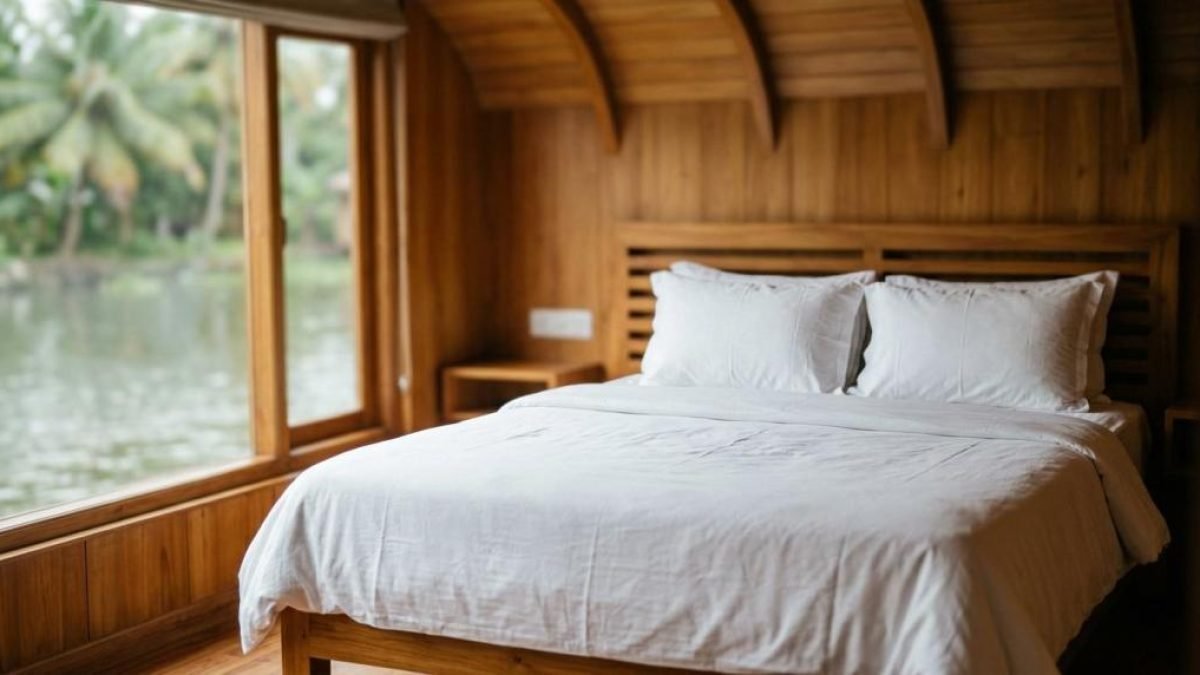
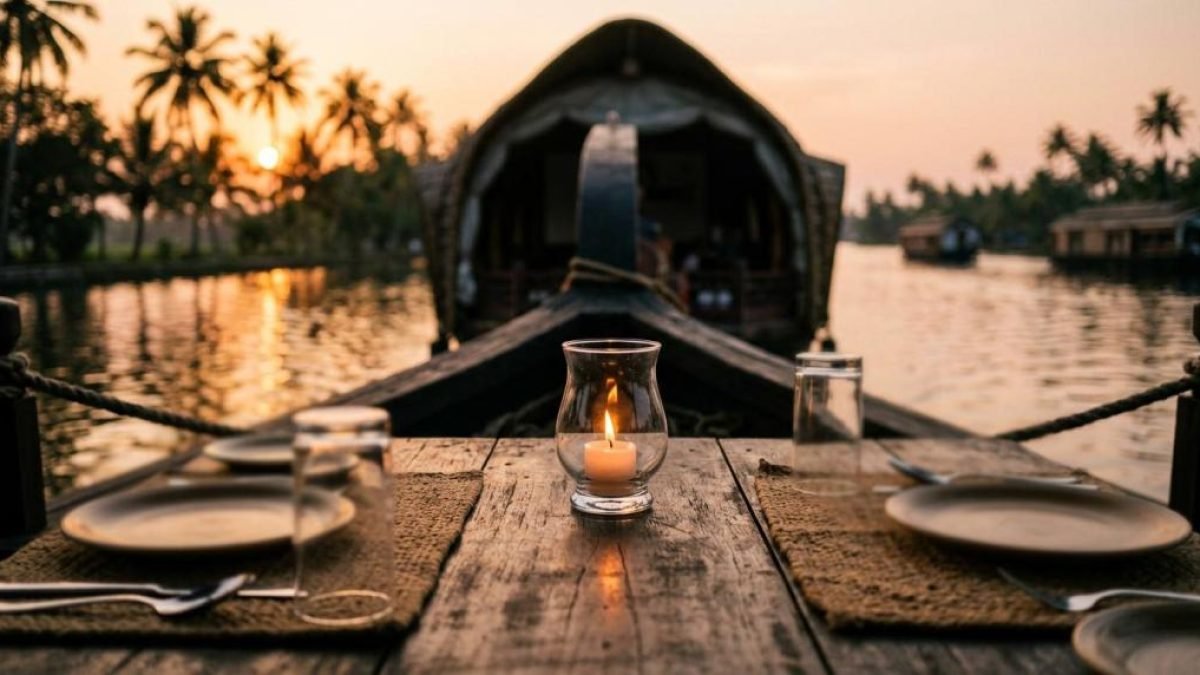
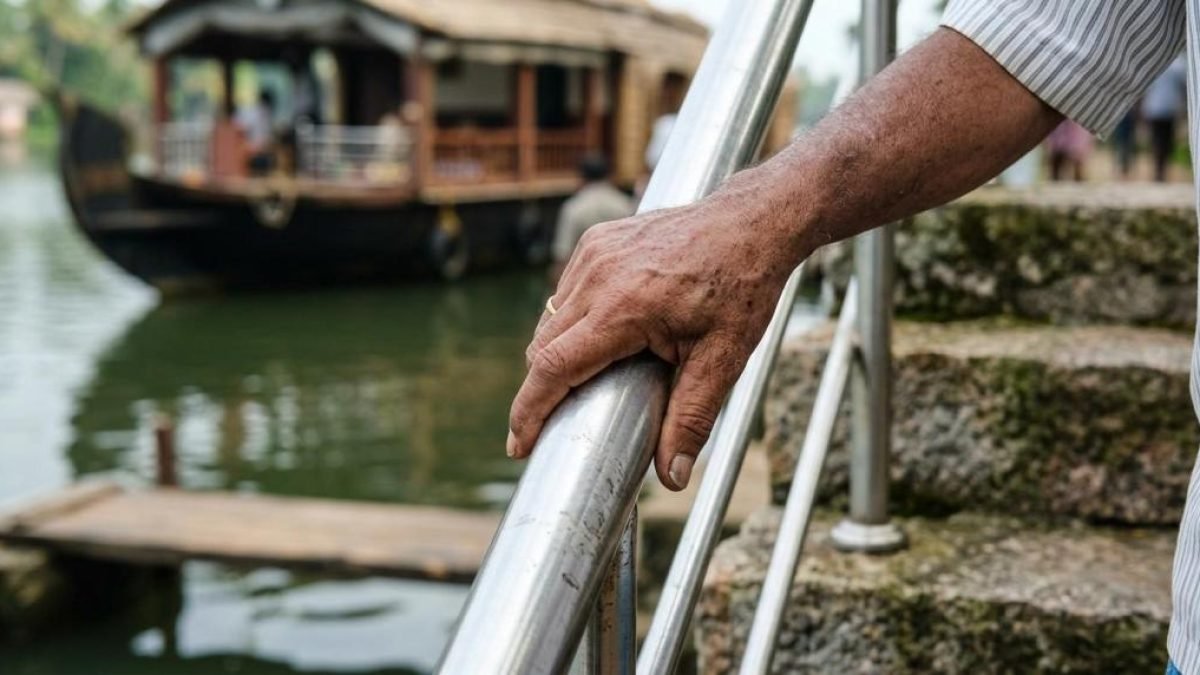
A houseboat stay is often the emotional center of a Kerala holiday, yet it should not be mistaken for the transport backbone of the trip. A houseboat is an experience-led overnight stay on the backwaters. It is not a substitute for the road vehicle needed to move a group between Kochi, Munnar, Thekkady, Kumarakom, Alleppey, Kovalam, or other destinations.
That distinction matters when groups compare prices. An itinerary may include one night on a houseboat night with meals, but the core logistics still depend on private road transport, hotel transfers, and well-timed arrivals at the boarding point. When a planner treats the houseboat as a separate stay element rather than “the vehicle,” the full trip becomes much easier to price and coordinate correctly.
Some Kerala operators structure their packages exactly this way. Published package formats from Troper Tours, for example, center on hotels with breakfast, private air-conditioned transport with driver, all transfers, and one houseboat night in Alleppey or Kumarakom with meals. That reflects a very practical truth about Kerala travel: road transport and backwater stays serve different purposes, and both need their own planning.
Door-to-door logistics for Kerala multi-destination group tours
Door-to-door logistics is where strong group planning really shows. The phrase sounds simple, but it covers many moving parts: arrival timing, luggage handling, meal breaks, check-in windows, road pace, and the physical energy of the group after each transfer.
A group landing at Kochi airport at 8:00 a.m. may not be ready for a same-day push deep into the hills if there are children, older travelers, or long-haul international arrivals involved. A plan that looks efficient on paper can feel rushed in real life. The best Kerala group itineraries build in breathing room.
This becomes even more important during peak holiday weeks, festival periods, monsoon days, and long weekends. Traffic patterns change. Hotel occupancy rises. Delays compound. Smart operators account for that from the first draft rather than trying to “fix it on the road.”
Airport arrivals, hotel timing, and luggage flow
Many group issues begin at the airport. Are all passengers arriving together? Is the group splitting across domestic and international terminals? Will everyone fit comfortably with luggage in one vehicle, or is a separate luggage plan needed? These questions are not small details. They shape the first impression of the trip.
Hotel timing matters just as much. Early arrivals may not get immediate room access. Late departures may require day-use arrangements, lounge planning, or a softer final-day schedule. Groups with multiple room categories, children, or elderly members benefit from tight coordination between transport and hotel teams.
The most reliable operators usually think through the handoffs before the trip begins:
- Pickup design: Single-point airport assembly or staggered pickups
- Check-in rhythm: Realistic room readiness and refresh breaks
- Meal timing: Planned stops instead of improvised roadside decisions
- Luggage handling: Space planning for suitcases, not just passengers
- Driver briefing: Route clarity, stop points, and contact flow
Seasonal timing for Kerala group transport
Kerala is beautiful year-round, but season affects movement. Monsoon travel can be peaceful and atmospheric, though it requires more flexible timing. Peak winter demand brings excellent weather, yet popular routes and stays book fast. Festival dates and school vacations raise pressure on both vehicles and accommodation.
Groups that book early generally have more control over vehicle quality and route pacing. This is especially useful for larger parties that need tempo travellers, minibuses, or multiple coordinated vehicles.
Kerala group package formats and pricing expectations
Pricing for group tours in Kerala can vary widely because the transport model changes the economics of the trip. A compact family group using a private SUV, boutique stays, and one premium houseboat will price differently from a ten-person group in a tempo traveller or a twenty-person group in a bus with simpler hotel categories.
Published package structures offer a useful reference point. Some Kerala operators list group trips in the 4 to 7 day range starting from around ₹11,999 per person, while broader Kerala packages may stretch from 3 to 17 days with different inclusions and comfort levels. What matters most is what the rate actually covers: accommodation, breakfast, transport, transfers, houseboat night, meals on board, driver charges, parking, and taxes.
The strongest value often comes from clarity, not from the lowest base number. A package that clearly includes private transport, airport or railway transfers, and verified stay elements gives a group far better cost control than a low quote that leaves core logistics vague.
Choosing the right Kerala group travel setup
The right setup usually comes from honesty about the group rather than ambition about the route. If the group wants comfort, scenic pacing, and easy interaction, a slightly larger vehicle than the bare minimum is often the better call. If everyone is carrying large suitcases for a longer holiday, luggage may become the deciding factor before passenger count does.

A simple way to frame the decision is to match the trip style first and the vehicle second. A family holiday with grandparents needs easy boarding and fewer daily hours on the road. A friend group may accept longer drives if the stays are lively. A corporate group may value timing precision over scenic detours.
Before confirming a Kerala group booking, keep these priorities in view:
- Comfort over maximum seat fill
- Private transport for multi-stop routes
- A houseboat as a stay, not a transfer solution
- Permit-backed vehicles and clear passenger handling
- Time buffers for arrivals, weather, and check-ins
That approach produces better group travel in Kerala because it respects how the state is actually experienced: by road, by water for selected stays, and through a well-coordinated sequence of pickups, drives, pauses, and arrivals. When those parts are planned with care, the group gets something far more valuable than movement between destinations. It gets a trip that feels calm, organized, and genuinely enjoyable from start to finish.