A Kerala tour operator’s day starts long before the first airport pickup and ends well after the last hotel check-in message. What travelers often experience as a calm, well-paced holiday is usually the result of dozens of small decisions made in the background: room reconfirmations, route adjustments, meal requests, chauffeur briefings, weather checks, and constant communication across destinations.
That intensity makes sense in a state where tourism runs at serious scale. Kerala recorded 22,246,989 domestic tourist visits and 738,374 foreign tourist visits in 2024, showing both strong local demand and steady international interest. In that setting, a tour operator is not simply selling nights and transfers. The real work is turning many moving parts into a trip that feels coherent, personal, and easy to enjoy.
Morning planning at a Kerala tour operator
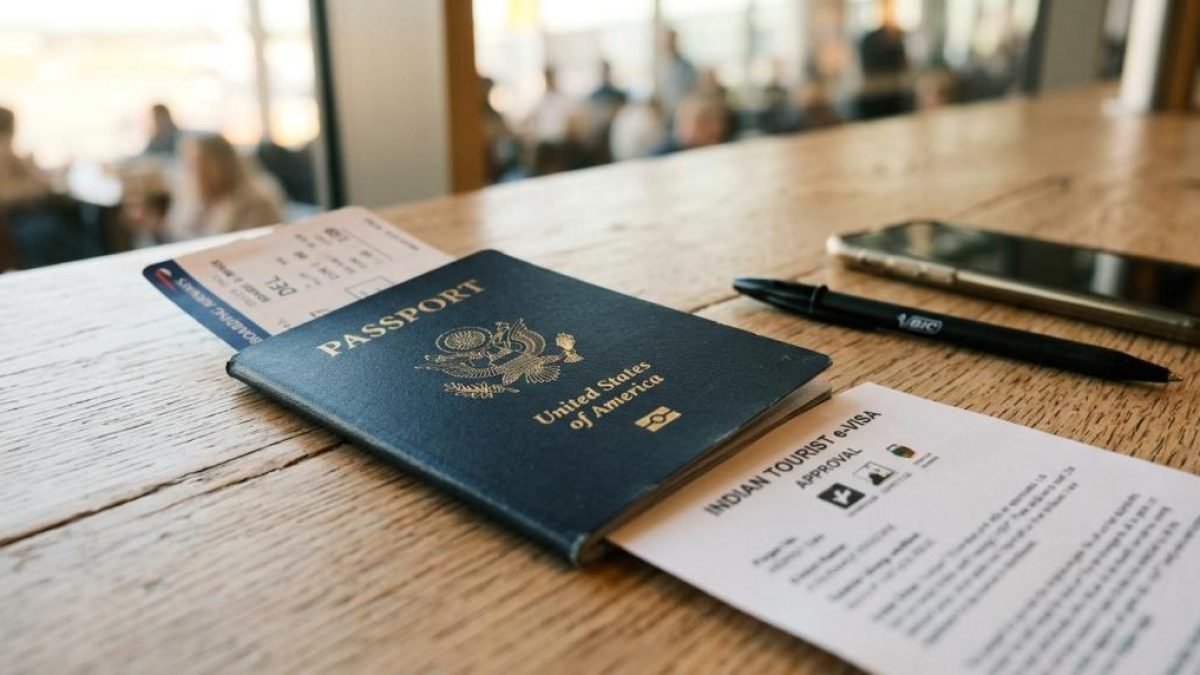
The first working hours are usually about verification. Before new inquiries are even addressed, active departures and in-house guests tend to come first. Drivers need pickup details, hotels need arrival times, houseboats may need guest names again, and travelers often send last-minute questions while they are packing or heading to the airport.
A locally based Kerala operator also has to think geographically from the start of the day. Kochi, Munnar, Thekkady, Alleppey, Kumarakom, Kovalam, Varkala, Wayanad, and Fort Kochi all run on different rhythms. A hill-station check-in has very different timing needs than a backwater cruise or a city arrival. What looks close on a map can still require careful planning because traffic, road conditions, rain, and holiday rush periods change the day quickly.
By mid-morning, the desk is usually handling two timelines at once: the journeys already underway and the journeys that are still being shaped for future travel dates.
Typical early-day tasks often include:
- airport transfer checks
- hotel and houseboat reconfirmations
- chauffeur briefing calls
- payment follow-ups
- itinerary revisions
- guest preference notes
Kerala itinerary customization is the core of the job
A Kerala tour operator rarely works with one fixed template. Travelers may ask for a honeymoon with privacy and premium stays, a family holiday with shorter driving hours, a relaxed senior-friendly circuit, or a mixed Kerala and Tamil Nadu route with heritage sites, nature, and beach time in one plan. The same destination can fit very different expectations depending on pace, budget, and travel style.
That is why customization takes up such a large part of the day. A one-week holiday can be built around Munnar and Alleppey, while a longer route may include Kochi, Thekkady, Kumarakom, Marari, and extensions into Tamil Nadu. Customer trip reviews linked to Kerala operators often reflect exactly this kind of multi-stop travel. One example mentions a 15-night, 16-day circuit through Kochi, Munnar, Thekkady, Alleppey, Kumarakom, and Marari. Another describes an 11-night Kerala and Tamil Nadu trip kept at a comfortable pace.
The operator’s value lies in judging what fits together well, not just what looks attractive in isolation. A traveler may want “everything,” but not every combination produces a good holiday. Too many hotel changes can weaken the experience. Too much driving can drain a family. Too little recovery time can make even a beautiful route feel rushed.
A useful way to see that work is through the kinds of itineraries operators shape every day:
| Traveler type | Common route pattern | Main planning focus |
|---|---|---|
| Couples | Kochi, Munnar, Alleppey, beach stay | Privacy, pacing, premium rooms |
| Families | Kochi, Munnar, Thekkady, Kumarakom or Marari | Balanced driving time, room comfort, child-friendly flow |
| International travelers | Fort Kochi, Munnar, backwaters, cultural stops | Guided support, clear logistics, local context |
| Short-break guests | Kochi with Munnar or Alleppey | Time efficiency, fast transfers, easy check-ins |
| Multi-state travelers | Kerala with Madurai, Rameswaram, Kanyakumari, or Ooty | Border logistics, long-route pacing, hotel sequencing |
Transport and door-to-door logistics across Kerala
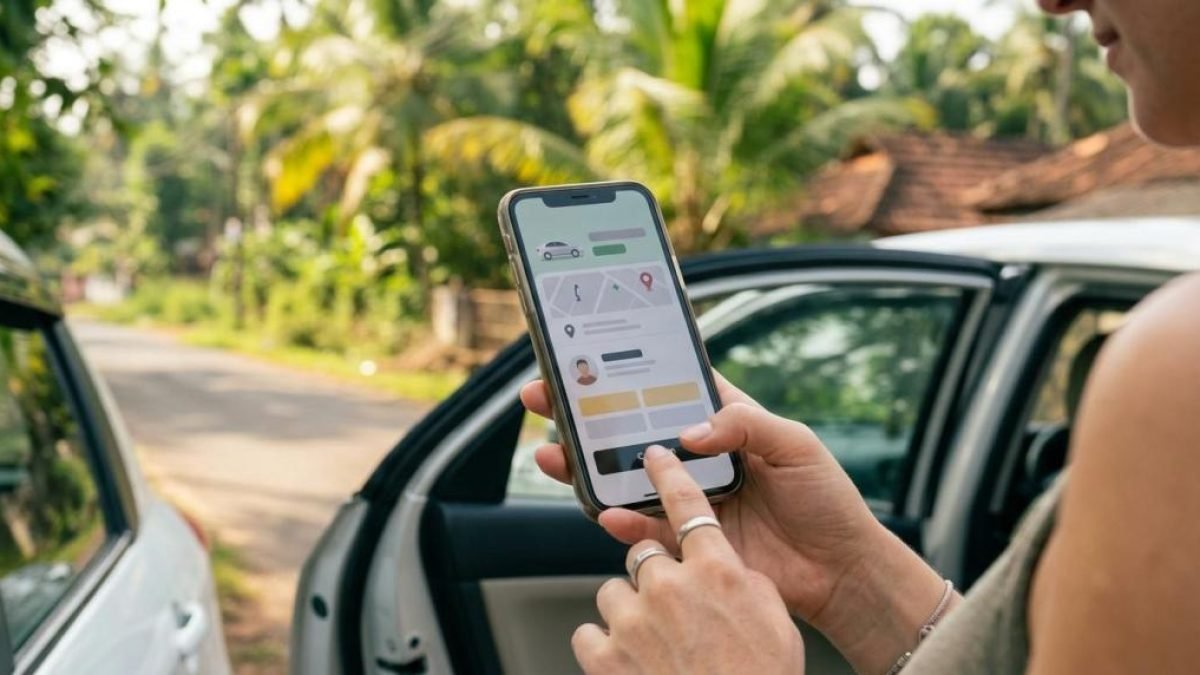
Transport coordination is where a lot of hidden skill sits. Kerala holidays often depend on private vehicles and trained chauffeurs because guests are moving through multiple destinations with luggage, check-in windows, sightseeing stops, and occasional special requests. A missed timing detail in Kochi can affect a sunset cruise in Alleppey two days later.
Operators who plan door-to-door logistics are usually thinking beyond the transfer itself. They are matching the vehicle to group size, anticipating comfort needs, accounting for flight delays, and checking how long guests can realistically sit in a car after arrival. A couple on honeymoon may welcome a scenic pause and a late lunch stop. A family with young children may need direct routing and an earlier hotel arrival.
This part of the work becomes even more important during peak travel months, heavy monsoon spells, festival periods, or long weekends. Kerala is highly connected and very popular, yet movement still depends on live coordination. Good operators build flexibility into a route before any issue appears.
Much of that transport work comes down to details like these:
- Arrival timing: matching pickups to actual flight or train schedules, not just planned schedules
- Route pacing: keeping drive times realistic between places like Munnar, Thekkady, and Alleppey
- Vehicle fit: choosing the right car class for luggage, comfort, and road conditions
- Backup handling: adjusting plans when weather, traffic, or late departures affect the day
- Guest communication: sharing clear reporting points, driver details, and support contacts
Kerala destination patterns shape daily tour operations
Some places appear again and again in Kerala tour planning because demand keeps pulling them to the front. Kochi functions as gateway remains especially important. Official tourism reporting identified Kochi as Kerala’s most-visited destination in 2023 for both domestic and international travelers. That status matters operationally because Kochi functions as gateway, first impression, cultural stop, and transfer hub all at once.
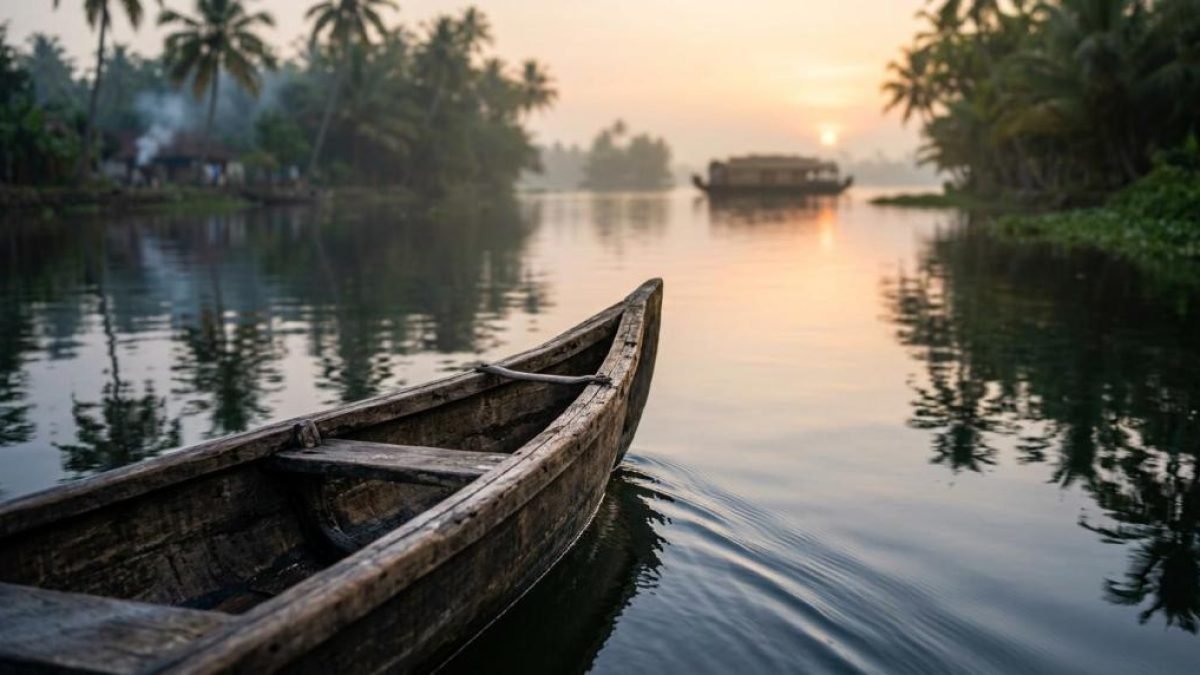
Munnar also carries steady weight in itinerary design. It gives hill scenery, cooler weather, tea landscapes, and a different tempo from the coast. The backwaters and Kumarakom answer a different expectation entirely: the backwaters, slow movement, and the distinct appeal of houseboat or waterfront stays. For many guests, these are not optional add-ons. They are the emotional anchor points of the trip.
That repeat demand creates a rhythm inside a Kerala tour office. Certain destination pairings come up constantly because they work well and because travelers already recognize them from research, word of mouth, or earlier trip reviews.
Alleppey and Kumarakom still define a large share of Kerala holiday planning.
Guest support during the trip matters as much as planning before it
A well-designed itinerary is only the first half of the job. Once guests arrive, the operator shifts into active support mode. Questions come in from the road: Can lunch be arranged en route? Is early check-in possible? Can sightseeing be moved to the next morning? What happens if rain affects a planned activity? These are ordinary requests, and the speed of response often shapes how secure a traveler feels.
This is one reason local presence matters. A Kerala-based operator can often coordinate faster with hotels, guides, drivers, and activity providers. That matters for international travelers especially, since many are managing a new destination, different travel habits, and regional travel times that may be hard to judge in advance. Kerala’s foreign tourist visits rose to 738,374 in 2024, and a large share came from markets including the UK, USA, Germany, France, Malaysia, Oman, Australia, Maldives, Saudi Arabia, UAE, and Canada. Those guests may arrive with very different expectations around service communication, pace, and room standards.
The best support is often quiet. The hotel already knows the dietary note. The driver already has the revised pickup time. A guide already knows the guest wants a lighter walking schedule. When that preparation is done well, the traveler simply experiences a smoother day.
Ongoing trip support often includes:
- live coordination with chauffeurs
- room upgrade requests
- meal preference updates
- guide scheduling
- special occasion arrangements
- fast route changes
Behind-the-scenes supplier coordination in Kerala tourism
Hotels, resorts, houseboats, homestays, guides, transport teams, and activity providers all form part of the operator’s working day. That supplier network needs constant maintenance. Not every room photo reflects current reality. Not every “lake-facing” promise means the same thing. Not every houseboat meets the comfort level a premium traveler expects. Careful operators keep checking.
This is where verified stays and reconfirmed services become more than sales language. They protect the traveler from inconsistency and protect the itinerary from avoidable friction. A customized holiday only works if each supplier delivers close to what was promised.
Kerala’s tourism economy is also becoming broader and more layered. State-backed initiatives, including women-inclusive tourism through the Responsible Tourism Mission Society, point to a sector that is not standing still. New accommodation models and destination priorities continue to appear, including places flagged for tourism development like Kovalam, Kumarakom, Munnar, and Fort Kochi under the planned K-Homes initiative. For operators, that means the product mix keeps changing, and staying current is part of daily professional discipline.
A tour operator is not just arranging inventory. The operator is curating reliability.
Why local Kerala expertise still shapes better travel decisions
There is no shortage of travel information online. Kerala Tourism’s digital reach itself shows how wide the interest has become, with millions of users visiting the official site across a single year. Yet inspiration and execution are still two different things. Travelers can identify places quickly. Building the right route, pace, support system, and service sequence still takes local judgment.
That is where a specialist operator earns trust. A Kerala company with experience across Kerala and Tamil Nadu can spot weak itinerary ideas early, recommend better stop combinations, and shape a trip around what the traveler actually values. Troper Tours, as one example of a Kerala-based operator, positions its service around private itineraries, local support, hotel confirmation before travel, and clear pricing across Kerala and Tamil Nadu. Those are practical strengths, not decorative ones.
For travelers, this changes the feel of the entire holiday. The trip becomes less about managing uncertainty and more about being present in the experience, whether that means waking up in Munnar to mist over tea gardens, stepping onto a houseboat in Alleppey, or reaching a Fort Kochi hotel after a long-haul arrival and finding that every detail is already in place.