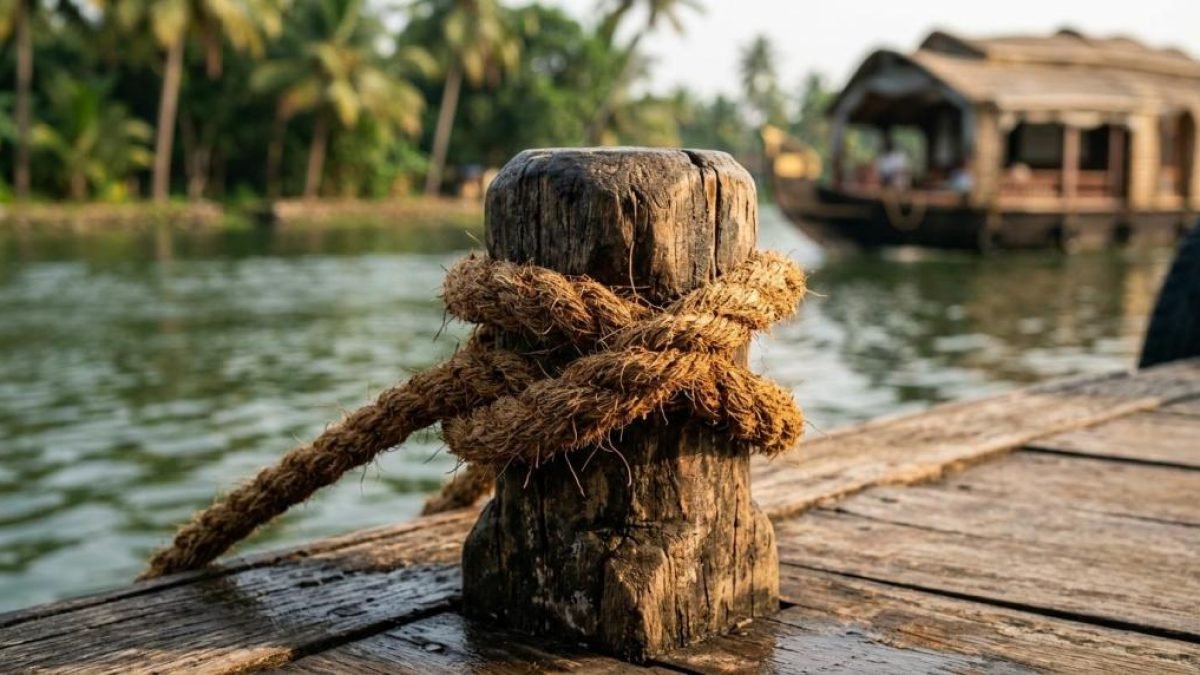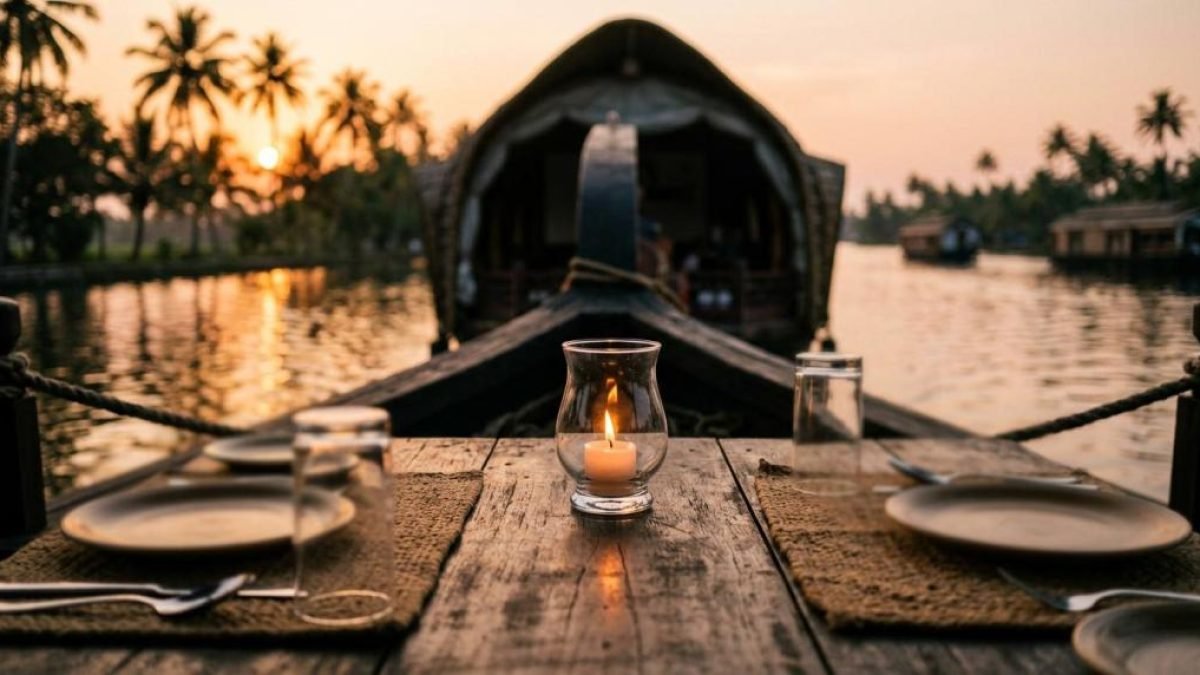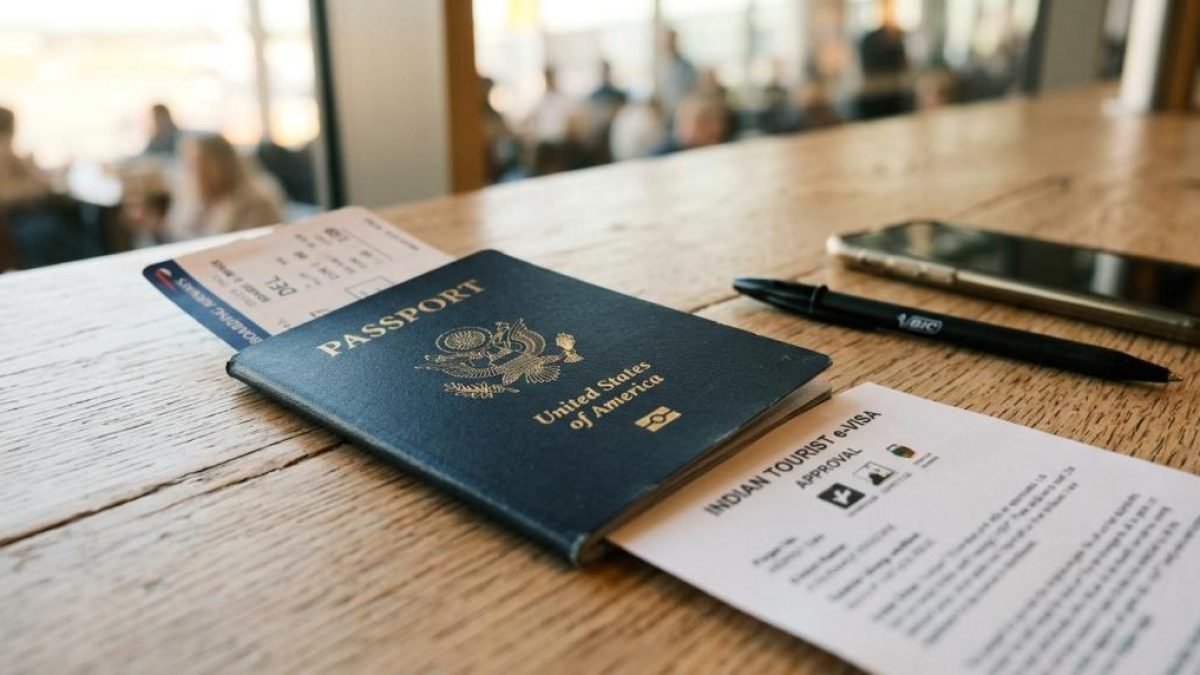
Kerala is a remarkably easy place to travel, even for first-time visitors to South India. English is widely understood in hotels, airports, major attractions, and most tourism-facing businesses. Still, a few Malayalam phrases can change the feel of your trip almost instantly. A greeting lands warmer. A request sounds kinder. A short exchange becomes a memory instead of a transaction.
That matters because Malayalam is not just commonly spoken in Kerala, it is the state’s official language. Kerala Tourism also notes that English is widely spoken, especially in tourist areas, which is good news for travelers who want comfort without losing the local connection. Malayalam also holds Classical Language status in India, which gives a sense of its cultural depth and long literary history.
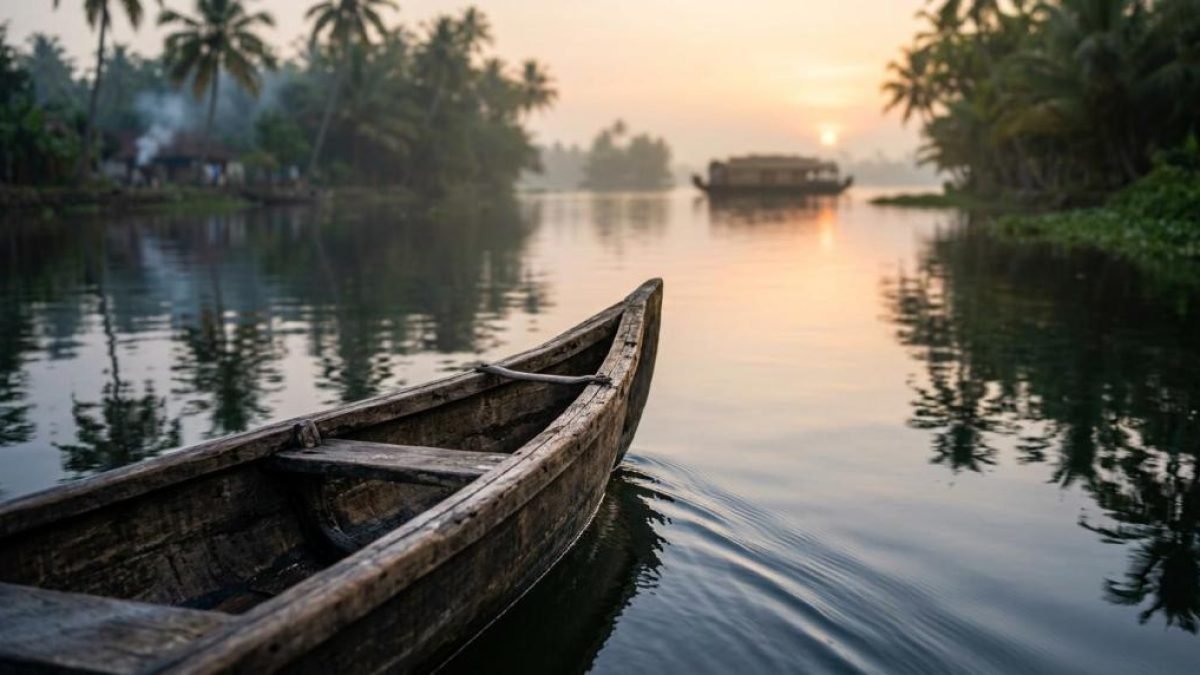
If you are planning a backwater stay, hill-station drive, beach break, temple visit, or city tour, these phrases are practical, respectful, and easy to carry with you.
Why Malayalam phrases matter for Kerala travel
A short phrase in the local language often does more than perfect grammar ever could. In Kerala, even a simple Namaskaram can soften the first few seconds of any interaction. That is useful in markets, cafés, taxi rides, village roads, ferry points, railway platforms, and family-run homestays.
Many travelers assume local language only matters in remote places. In Kerala, that is not really the case. Even in Kochi, Munnar, Alleppey, Thekkady, Kovalam, or Varkala, Malayalam adds a human touch. People may reply in English, but your effort is usually appreciated right away.
Malayalam helps most in everyday situations like these:
- Small restaurants
- Local markets
- Auto-rickshaw rides
- Houseboat interactions
- Ferry terminals
A phrase guide is not about sounding local. It is about traveling with openness and confidence.
Essential Malayalam greeting phrases and polite words
Start with courtesy. These are the words you will use again and again, whether you are checking into a hotel, buying snacks, or asking for help on the road.
| Malayalam | Transliteration | Meaning | Best time to use it |
|---|---|---|---|
| നമസ്കാരം | Namaskaram | Hello / Greetings | A respectful all-purpose greeting |
| നന്ദി | Nanni | Thank you | After any help, service, or kindness |
| ദയവായി | Dayavaayi | Please | When making a request |
| ക്ഷമിക്കണം | Kshamikkanam | Excuse me / Sorry | To get attention politely or apologize |
| അതെ | Athe | Yes | Basic reply |
| അല്ല | Alla | No | Basic reply |
| സുഖമാണോ? | Sukhamano? | How are you? | Friendly small talk |
| എന്റെ പേര്… | Ente peru… | My name is… | Introducing yourself |
| നിങ്ങളുടെ പേര് എന്താണ്? | Ningalude peru enthaanu? | What is your name? | Meeting someone |
| മനസ്സിലായില്ല | Manassilaayilla | I did not understand | Very useful when speech is too fast |
A few notes make these even easier to use. Namaskaram is respectful and safe in nearly every context. Nanni is short, memorable, and worth using often. Kshamikkanam can help both when you need someone’s attention and when you want to say sorry in a gentle way.
Do not worry about sounding perfect. Malayalam pronunciation has sounds that may be new to English speakers, but clarity and politeness matter far more than precision. If your tone is friendly, most people will meet you halfway.
Malayalam phrases for transport, directions, and timing
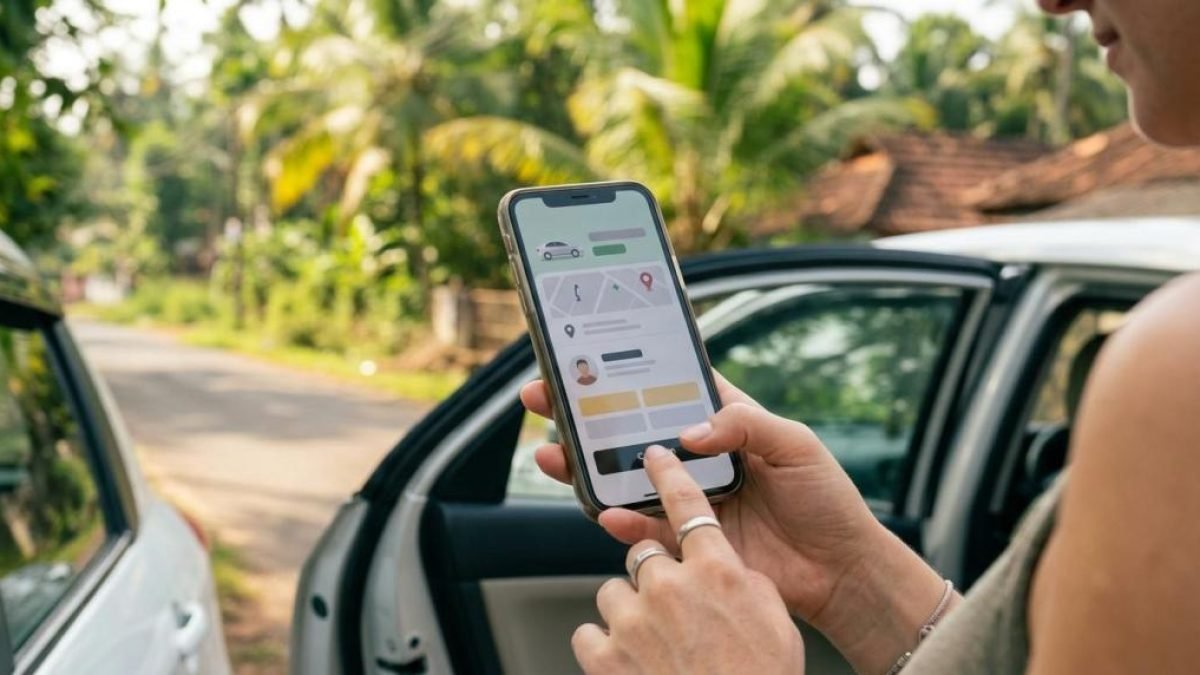
Kerala trips often involve movement: airport transfers, scenic road drives, ferry rides, train connections, and day excursions. That makes transport phrases especially useful. Even when your driver speaks English, a few Malayalam words help during quick stops or casual roadside interactions.
| Malayalam | Transliteration | Meaning | Travel use |
|---|---|---|---|
| എവിടെയാണ്? | Evideyaanu? | Where is it? | General directions |
| ബസ് സ്റ്റാൻഡ് എവിടെയാണ്? | Bus stand evideyaanu? | Where is the bus stand? | Useful in towns |
| എനിക്ക് ഒരു ടാക്സി വേണം | Enikku oru taxi venam | I need a taxi | Transport request |
| ഇവിടെ നിർത്തണം | Ivide niruthanam | Please stop here | In a car or auto |
| എത്രയാണ്? | Ethra aanu? | How much is it? | Fares, prices, entry tickets |
| എത്ര സമയം എടുക്കും? | Ethra samayam edukum? | How long will it take? | Travel timing |
| ഇടത് | Idathu | Left | Understanding directions |
| വലത് | Valathu | Right | Understanding directions |
| നേരെ | Nere | Straight | Basic route instruction |
| നാളെ | Naale | Tomorrow | Booking or planning |
If you remember only three transport phrases, make them these: Evideyaanu?, Ethra aanu?, and Ivide niruthanam. With those alone, you can ask where something is, ask the price, and stop at the right place.
Kerala’s roads move through busy cities, tea country, coastal towns, and small villages, so quick exchanges matter. A driver may point and say idathu or valathu. A shopkeeper may tell you to go nere. Once you recognize those words, you start feeling less like a spectator and more like an active traveler.
Malayalam phrases for restaurants, shopping, and payments
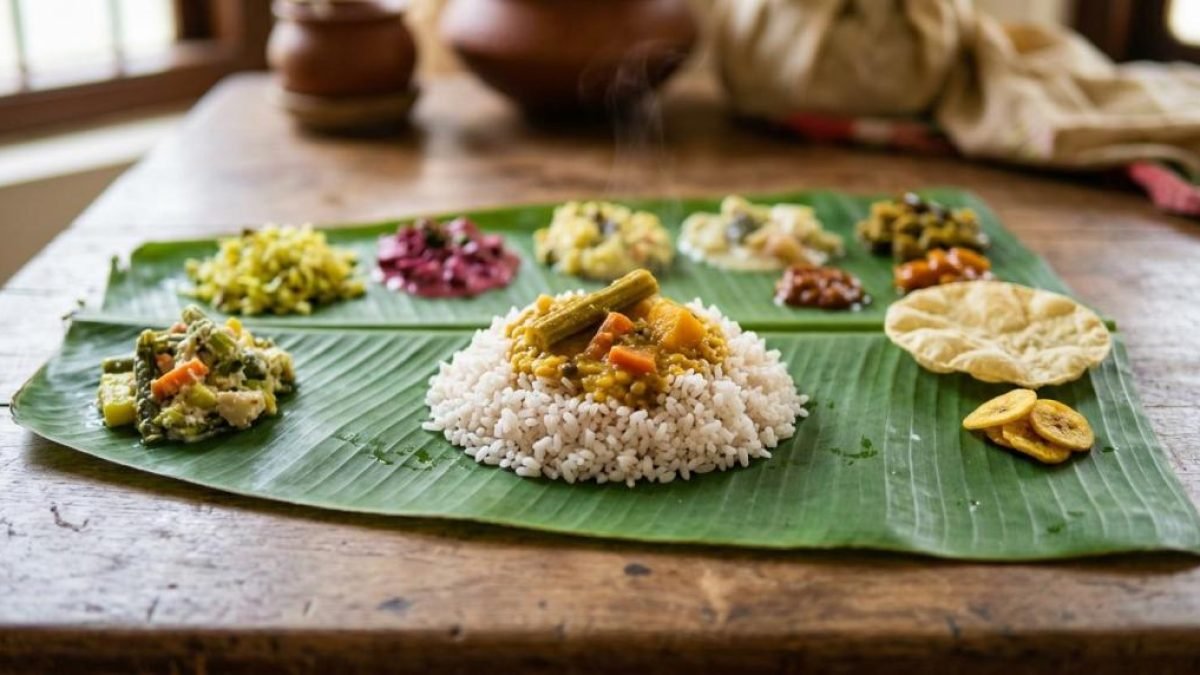
Food is one of Kerala’s great rewards, and language adds to that experience. Menus in popular tourist areas often appear in English, yet spoken requests still matter. The same goes for spice shops, textile stores, fruit stalls, and tea counters.
| Malayalam | Transliteration | Meaning | Best use |
|---|---|---|---|
| വെള്ളം | Vellam | Water | At meals or in shops |
| സസ്യാഹാരം ഉണ്ടോ? | Sasyaharam undo? | Do you have vegetarian food? | Dietary preference |
| കാരം കുറച്ച് | Kaaram kurachu | Less spicy, please | Helpful in restaurants |
| ഇത് എന്താണ്? | Ithu enthaanu? | What is this? | Asking about a dish or item |
| ബിൽ തരൂ | Bill tharu | Please give the bill | At the end of a meal |
| യു പി ഐ ഉണ്ടോ? | UPI undo? | Do you accept UPI? | Digital payment |
| കാർഡ് എടുക്കുമോ? | Card edukkumo? | Do you take cards? | Payment option |
| നല്ലതാണ് | Nallathaanu | It is good | A nice compliment for food or service |
Kerala Tourism notes that many shops and hotels accept UPI-based digital payments, so the phrase UPI undo? can be surprisingly useful. That said, carrying some cash still makes sense for small vendors, local cafés, and quick roadside purchases.
These are the shopping and dining phrases worth using first:
- At a restaurant: Vellam, Kaaram kurachu, Bill tharu
- At a shop: Ithu enthaanu?, Ethra aanu?
- During payment: UPI undo?, Card edukkumo?
- After a good meal: Nallathaanu and Nanni
A warm compliment after lunch or dinner often opens a brief, happy conversation. That is where travel becomes richer.
Malayalam pronunciation tips for travelers
Malayalam can look intimidating at first, especially if you are seeing the script for the first time. The good news is that travel phrases do not require advanced pronunciation. Aim for calm, clear speech. Say each word a little more slowly than you would in English.
Vowel length matters more than force. Many syllables are soft and rounded. Consonants can sound lighter than expected. If someone repeats your phrase back to you, treat it as free coaching, not correction.
A few simple patterns help:
- Short, steady pace
- Clear vowels
- Soft endings
- Listen first, then repeat
You do not need a perfect accent to be understood. In fact, overthinking pronunciation often makes speech less natural. Speak simply, smile, and let context do part of the work.
How to practice Malayalam phrases before visiting Kerala
The easiest way to practice is to build a tiny personal phrase kit. Do not try to memorize fifty lines. Learn ten useful phrases and actually use them. That gives better results than reading long lists once and forgetting them the next day.
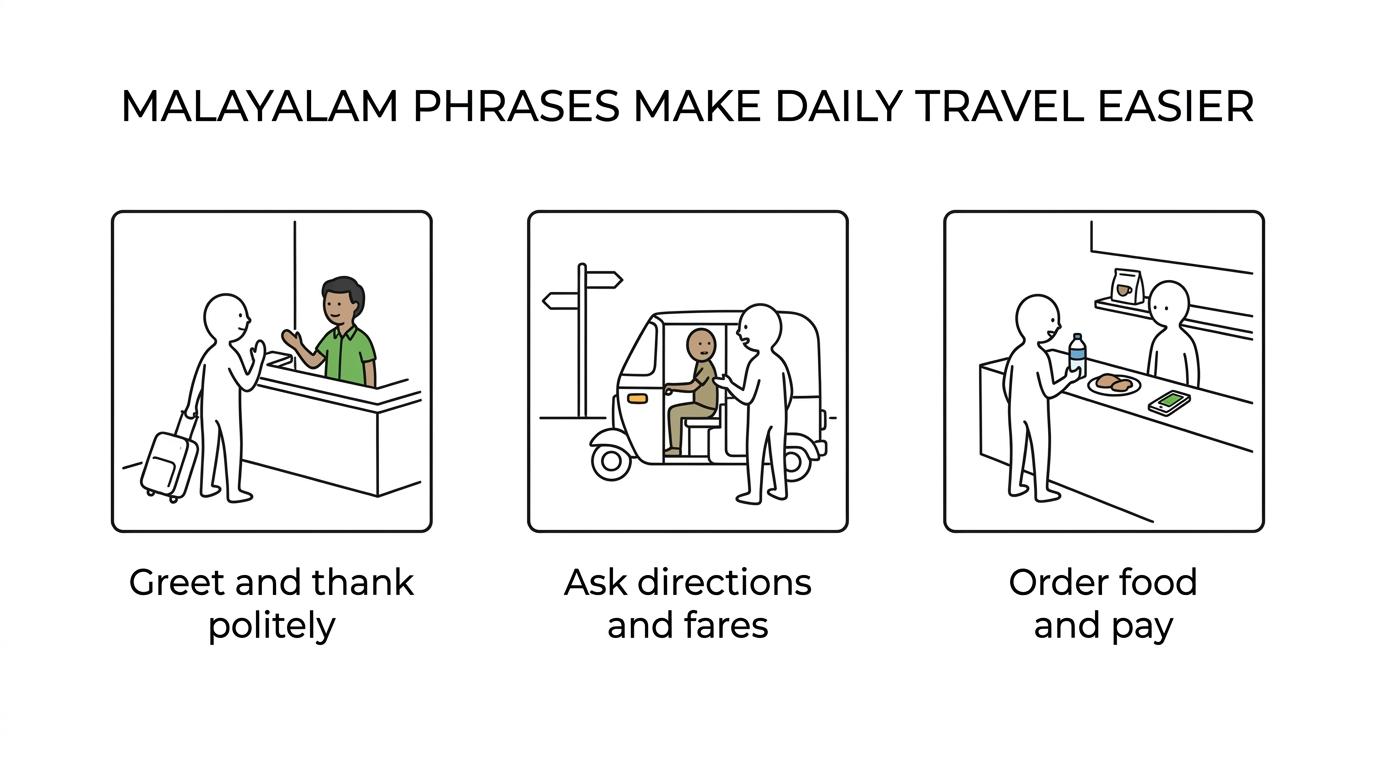
A strong travel set usually includes one greeting, one thank-you, one price question, one direction question, one transport request, and one payment phrase. If you are taking a houseboat cruise, add a few dining words. If you are doing a road trip, add direction terms like idathu, valathu, and nere.
Here is a practical routine that works well:
- Save phrases offline: Screenshot your top phrases before long drives or low-signal routes
- Learn in groups: Greetings together, transport together, food together
- Use them the same day: Memory becomes stronger with real interaction
- Ask local staff to repeat them: Drivers, guides, and hosts are often happy to help
- Check spellings when needed: Kerala’s official online Malayalam dictionary is a useful reference
If you like audio learning, record yourself saying five phrases and compare them with a native pronunciation clip. Two minutes a day is enough. Progress comes from repetition, not intensity.
Common Malayalam phrase mistakes travelers can avoid
One common mistake is expecting one phrase to do everything. Namaskaram is excellent, but it is not a substitute for thank you, how much, or please stop here. Build a small set of phrases tied to real situations. That keeps them ready when you need them.
Another mistake is speaking too quickly after memorizing the words. Slow speech works better. The same is true for direct translation from English. Short Malayalam phrases are often more effective than full English-style sentences.
Keep these habits in mind:
- Use short phrases: They are easier to say and easier to understand
- Pause after asking: Give the other person time to reply
- Watch body language: Pointing, smiling, and eye contact support meaning
- Stay relaxed: A small language slip rarely causes a problem
Kerala is welcoming, multilingual, and well set up for tourism. That gives travelers a strong safety net. Still, a few Malayalam phrases can make your experience more personal, more grounded, and far more memorable than relying on English alone. A single Nanni at the right moment can stay with both you and the person who hears it.