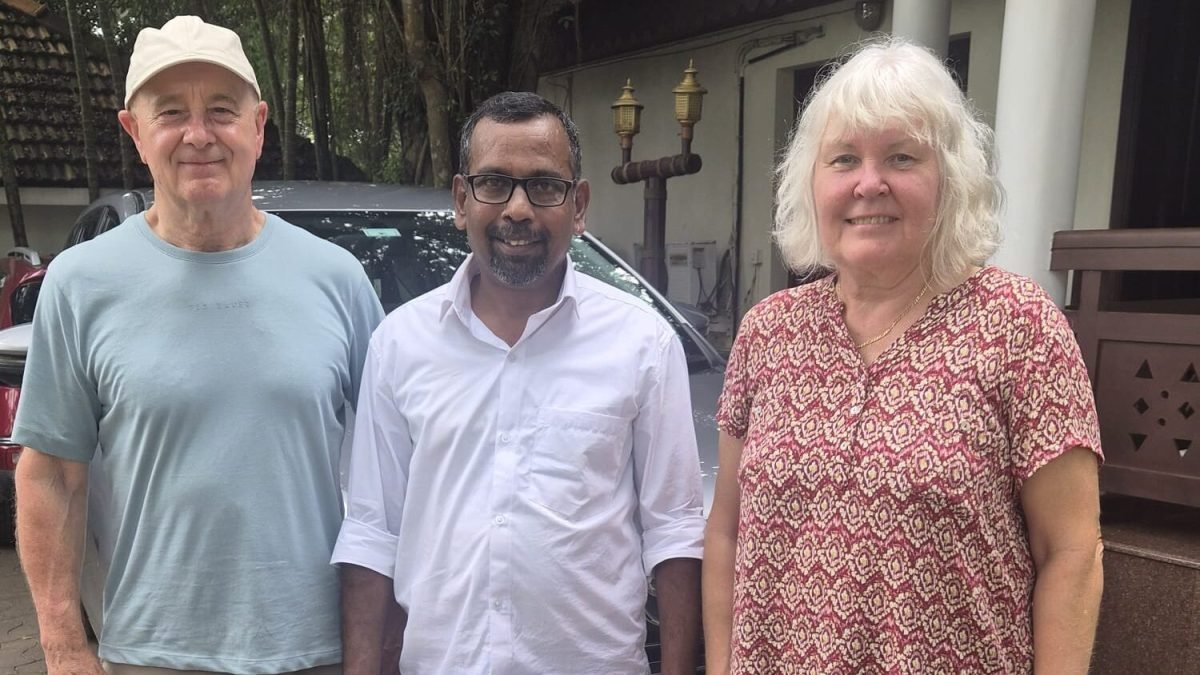
Amazing service. Communication excellent both before and during holiday.
All hotels excellent.
Sree, our driver absolutely superb.
Our 10 day tour around Kerala was perfect.
The Jawadhu Hills sit between Vellore and Tiruvannamalai in the Eastern Ghats, rising to about 1,100 metres across a plateau roughly fifty kilometres wide. The range is known for sandalwood, and it carries a substantial Malayali tribal population who farm ragi, samai and tamarind on the slopes. There is no hill station here in the usual sense — Jamunamarathur is the main settlement, and it is a working town rather than a resort.
That absence of development is the reason to come. The plateau has forest, waterfalls, a lake and viewpoints across two districts, and on most days you will share none of it. Beeman Falls is the main draw, reached on a walk through reserve forest, and the drive up passes through country where sandalwood still grows wild enough to require protection.
Below the range, at the foot of the eastern approach, Amirthi Zoological Park occupies a forest stream valley — a small rescue-and-conservation facility set in genuinely pleasant country rather than a conventional zoo.
The second half of the trip is entirely different in register. Tiruvannamalai is one of the great temple towns of South India, built around the Arunachala hill, which is itself the object of worship as the fire element among the five Pancha Bhoota Sthalam. The Arunachaleswarar Temple at its foot covers around ten hectares and its eastern gopuram rises eleven storeys. Pilgrims walk the fourteen-kilometre Girivalam road around the base rather than climbing.
The town also drew Ramana Maharshi, who arrived as a teenager in 1896 and stayed for the rest of his life. His ashram is still active, and the caves he lived in are on the hillside above it.
Related: the fire temple here is one of five, and the full circuit appears in our Sacred South India Tour. For a broader northern loop, see the South India Explorer. Compare durations on the Tamil Nadu tour packages page.
An Eastern Ghats range spread across Vellore and Tiruvannamalai districts, rising to roughly 1,100 metres over a plateau about fifty kilometres wide. The range is known for sandalwood, which grows here and is protected accordingly.
They are little known because nothing was ever built for visitors. No colonial hill station, no lake promenade, no market street. Jamunamarathur is the main settlement and it is a working town serving the surrounding villages.
The population is largely Malayali tribal communities — Tamil-speaking hill people, unrelated to Malayalam speakers from Kerala, the name deriving from malai, meaning hill. They farm ragi, samai and tamarind on the slopes.
What you get is forest, falls, a lake and long views with almost nobody else present. What you do not get is anything resembling infrastructure.
Moderate, and shorter than most people expect.
The path runs through reserve forest for roughly forty minutes each way. It is marked but uneven — rock, roots and loose ground in places — and it involves a descent on the way in, which means the return leg is the harder half.
It is manageable for anyone reasonably steady on their feet. We would not recommend it for guests with knee trouble or in wet conditions, when the rock becomes slippery.
The falls run strongest between August and January. Outside that window flow reduces considerably and by April there may be very little water. Your travel dates determine what you will see, and we will tell you honestly rather than let you walk forty minutes to a damp rock.
A local escort accompanies you, which is included.
It is the fourteen-kilometre circumambulation of Arunachala hill, walked anticlockwise and traditionally barefoot, passing eight lingams that mark the compass directions.
You do not have to walk it. The route follows a public road, and your vehicle can take you around with stops at each lingam — that is included in this package. Many visitors walk a section and drive the rest.
If you do walk, start before dawn. The road surface becomes uncomfortably hot underfoot by mid-morning, and the full circuit takes three to four hours at a steady pace.
One thing to plan around: on Pournami, the full moon night, hundreds of thousands of pilgrims walk the road. The atmosphere is extraordinary and accommodation in the town sells out entirely. Your timings card shows whether your dates coincide, and we will tell you either way.
He arrived in 1896 as a sixteen-year-old, drawn by the hill itself, and never left. He remained at Tiruvannamalai until his death in 1950.
For his early years he lived in the Virupaksha cave on the hillside, later moving to Skandashram higher up. The ashram at the foot of the hill grew around him and is still active, receiving visitors from around the world.
You can visit all three. The ashram is at road level with a meditation hall and library, open to anyone, and quiet observance is expected. The caves require a climb of roughly thirty to forty minutes on a stepped path — worthwhile if you are able, and skippable if not.
Arunachala’s status as the fire element among the Pancha Bhoota Sthalam long predates Ramana. The hill was the draw before he arrived, and it remains the reason most pilgrims come.
Basic on the hills, considerably better in town.
Jamunamarathur has a small number of guesthouses and simple resorts. Rooms are clean and functional, food is home-style, and that is the extent of it. Electricity can be intermittent and mobile coverage is poor to absent across most networks on the plateau.
Tiruvannamalai is a different proposition — a substantial pilgrimage town with hotels across budget and mid-range, plus several ashram-associated guesthouses. Nothing luxurious, but comfortable.
Because plateau dining options are so limited, all meals on the Jawadhu nights are included rather than left for you to arrange. Tell us at booking about any dietary requirements; a kitchen on that plateau cannot improvise on the day.
October to February across both halves. The plateau is cool and clear, Beeman Falls is flowing, and Tiruvannamalai is comfortable for temple walking.
Karthigai Deepam, usually in November or December, is the great festival at Arunachaleswarar — an enormous beacon is lit on the hill summit and burns for days. It is remarkable and the town becomes extremely crowded. Book months ahead or plan around it.
March to June is hot on the plains. Tiruvannamalai regularly exceeds 38°C, which makes barefoot temple walking and Girivalam genuinely difficult. The Jawadhu plateau stays noticeably cooler and becomes the better part of the trip.
July to September is quiet with low rates, though the falls path can be slippery.
A sedan will manage, but an SUV or Innova Crysta is the better choice and what we would normally send.
The Jawadhu climb is not as severe as Kolli Hills or Valparai, but the road surface deteriorates in stretches, particularly after monsoon, and higher clearance helps. The plateau roads to Beeman Falls and Nagalur are narrow and rough in places.
A Tempo Traveller manages the main ghat but is awkward on the plateau tracks, and groups over six travel more comfortably in two vehicles.
Everything on the Tiruvannamalai side is flat and well surfaced, including the Girivalam road.
Chennai (MAA) at 175 km is the main airport, roughly four and a half hours. Bangalore (BLR) at 210 km is a practical alternative, particularly for international arrivals.
By rail, Katpadi Junction (KPD) near Vellore is the closest major railhead at 80 km from the plateau, well served on the Chennai–Bangalore line. Tiruvannamalai (TNM) has its own station with more limited services.
The natural combinations run in several directions. Vellore is 80 km with its fort and the Sripuram golden temple. Gingee Fort is 37 km from Tiruvannamalai. Pondicherry is 105 km east.
If you want the full five-element temple circuit, our Sacred South India Tour covers the wider pilgrimage geography. Tell us your plans and we will orient the route.
Mixed, and worth planning honestly.
For older travellers: Tiruvannamalai works well. The temple is level, the ashram is at road level, and Girivalam can be driven rather than walked. The Jawadhu half is more demanding — the ghat road is rough, the Beeman Falls path is uneven, and there is no medical facility on the plateau, with the nearest hospital over two hours away including the descent. That last point matters for anyone with health conditions.
For children: the falls walk and the lake usually land well, and the temple at Tiruvannamalai is large enough to hold attention. The cave climb suits children over about ten.
Tell us who is travelling and we will weight the days accordingly, including skipping the plateau nights entirely if that suits better.
Because they are ninety minutes apart and they do completely different things.
Two days on the Jawadhu plateau is quiet, green and largely empty — forest walks, a waterfall, farming country, no crowds and no infrastructure. Then you descend into a town built entirely around a hill that people have been circling on foot for centuries, with one of the largest temple complexes in India at its base.
That contrast is the point. Four days of either alone would be too much of one register; together they balance.
There is also a practical logic. The Jawadhus have almost no accommodation and would not sustain three nights, while Tiruvannamalai is a strong day and a half rather than three days. The combination fits what each place can actually carry.
Planning a holiday in Kerala, Tamil Nadu or Karnataka? Instantly estimate your tour cost based on your travel dates, destinations, hotel category, vehicle, houseboat, activities and more. Download your trip estimate and plan your South India holiday with confidence.
Our prices vary based on season, dates, group size and custom add‑ons. Every quote is tailored for your exact travel plan.
This page shows a sample itinerary to give you a clear idea of the route, inclusions and timings. Every itinerary is fully customisable to match your dates, hotel preferences and interests. Once you share your travel details we will prepare a personalised itinerary and an itemised quote.
Amazing service. Communication excellent both before and during holiday.
All hotels excellent.
Sree, our driver absolutely superb.
Our 10 day tour around Kerala was perfect.
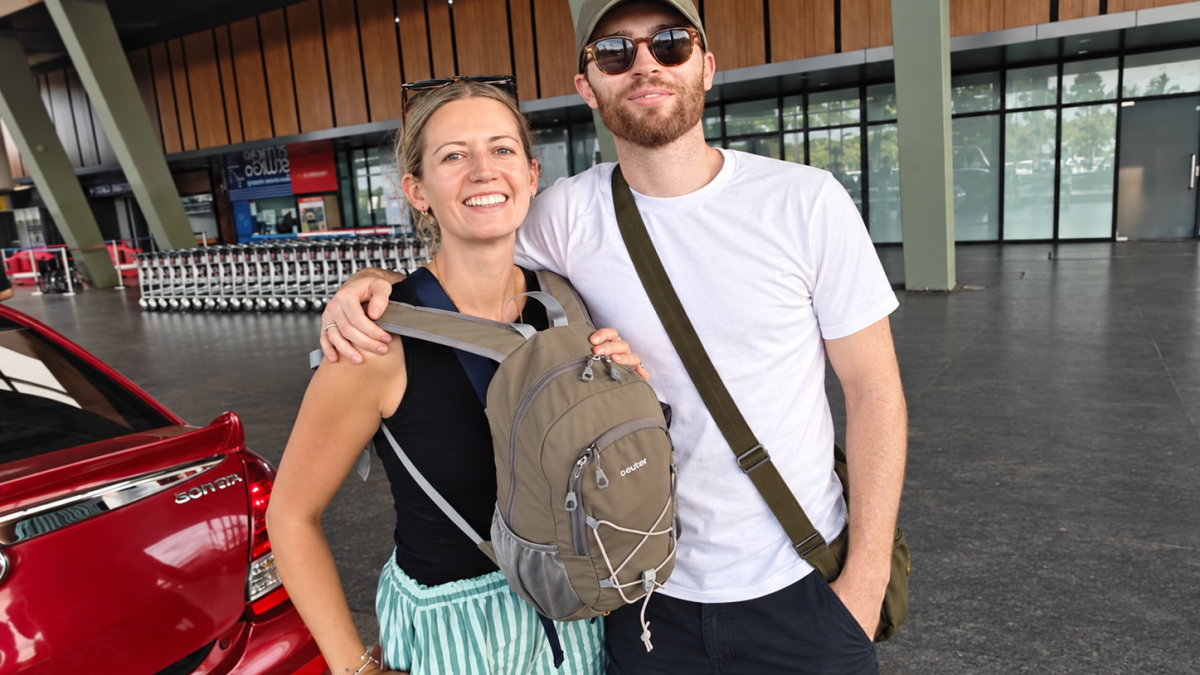
Our 5-day Kerala trip with Troper Tours was a lovely experience from the moment we arrived until the final day. My friend and I travelled from the UK and everything was organised smoothly, which made the journey comfortable and easy. We enjoyed the changing scenery, local food, tea hills, backwaters and the relaxed pace of the trip. One of our favourite moments was reaching Munnar, where we could enjoy the cool weather, plantations and peaceful mountain views. The vehicle was comfortable, our driver was punctual and helpful, and the team was always easy to contact whenever we needed anything. What we appreciated most was that the trip never felt rushed or overly planned. We had enough time to enjoy Munnar, Thekkady, Alleppey and Trivandrum properly. Troper Tours took good care of us throughout the five days. A memorable Kerala holiday, and we would happily recommend them to other travellers visiting from the UK.
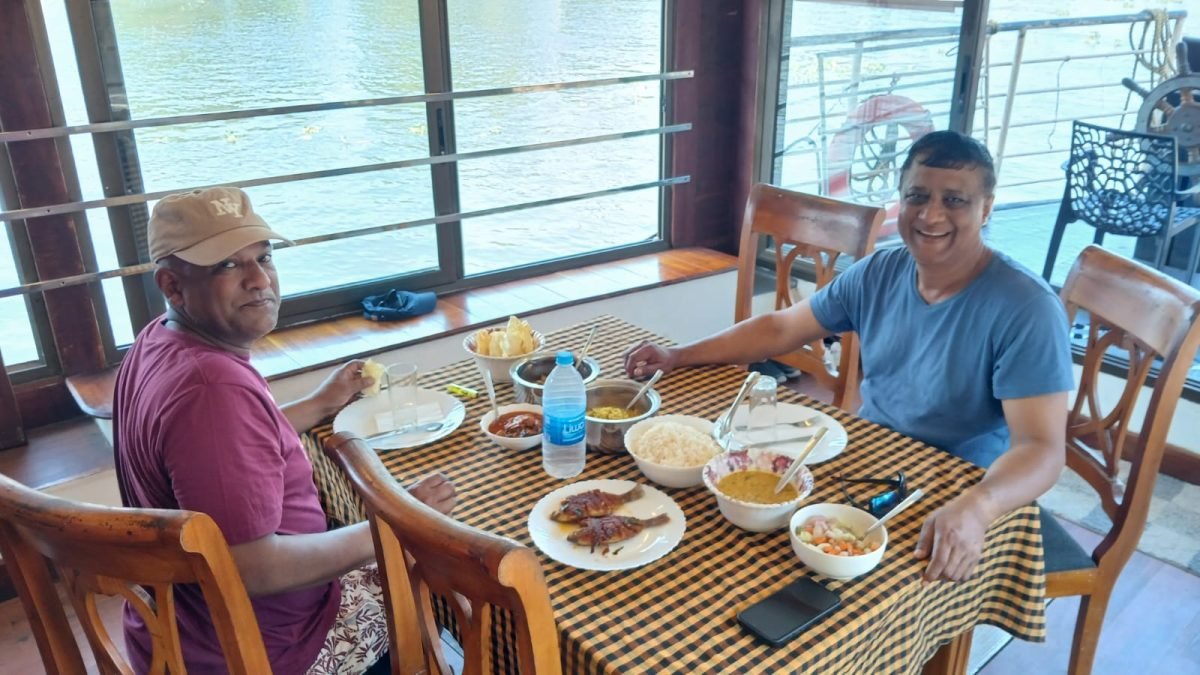
Our 6-day Kerala trip with Troper Tours was a wonderful experience from beginning to end. My brother and I travelled from Australia and everything was arranged very smoothly, which made the journey comfortable and stress free. We enjoyed the changing scenery, local food, backwaters and the relaxed pace of the trip. One of our favourite moments was the houseboat experience, where we could simply sit together, enjoy a nice meal and watch the peaceful water and village life around us. The vehicle was comfortable, our driver was punctual and helpful, and the team was always easy to contact whenever we needed anything. What we appreciated most was that the trip never felt rushed or overly planned. We had enough time to enjoy each place properly. Troper Tours took very good care of us throughout the six days. A memorable Kerala holiday, and we would happily recommend them to other travellers coming from Australia.