Wayanad has the rare ability to feel both expansive and intimate at the same time. The roads rise into a highland plateau, the air cools, the forests thicken, with landmarks such as the Banasura Sagar Dam enhancing the scenery, and the pace of travel changes almost at once. For many visitors, that shift is the whole appeal.
This district in northern Kerala is home to numerous tourist spots and suits travelers who want more than a checklist of viewpoints. It brings together trekking routes, ancient rock engravings, rainforest landscapes, lake and waterfall stops, spice plantations, and protected wildlife areas in one compact region, with spectacular waterfalls enhancing its natural beauty. Official tourism reporting in 2025 noted that Wayanad welcomed more than 13 lakh visitors in the year referenced, which says a lot about its pull without taking away from its sense of space.
Wayanad is also famous for its lush spice plantations, which play a crucial role in the local economy and culture. The district’s climate and terrain provide ideal conditions for cultivating a variety of spices, including pepper, cardamom, cinnamon, and nutmeg. Exploring these plantations offers a unique experience where visitors can learn about the spice production process, from cultivation to processing, while enjoying the rich aromas and vibrant landscapes that define this region.
Wayanad geography and why Wayanad suits nature travel
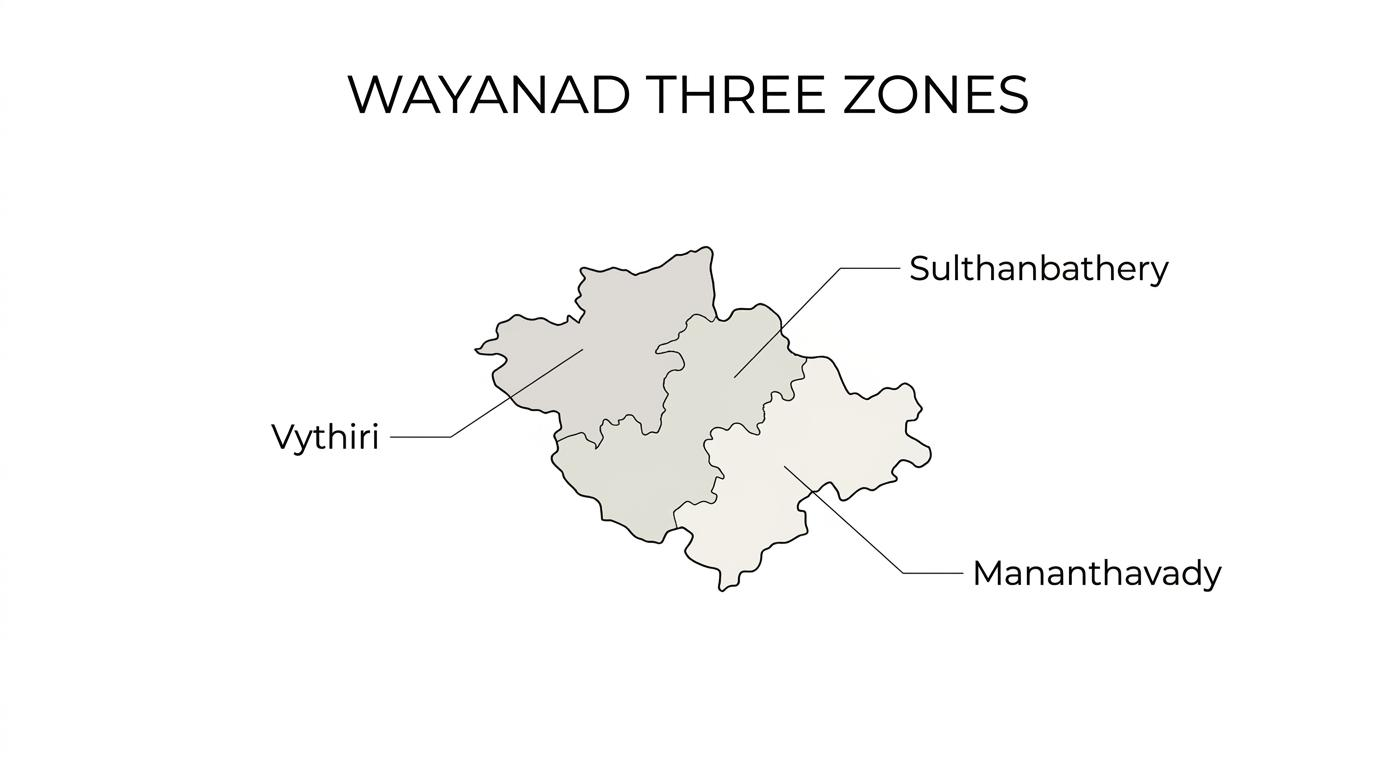
Wayanad became Kerala’s 12th district on November 1, 1980, and it is made up of three taluks: Mananthavady, Sulthanbathery, and Vythiri. That administrative detail matters for trip planning because each zone gives a slightly different travel experience. Vythiri is often associated with misty hill drives and easy access to popular stays, Sulthanbathery works well for heritage and cave visits, including the intriguing Edakkal Caves, and Mananthavady draws travelers who want a more forest-linked rhythm.
The district sits on a plateau that ranges from about 700 meters to 2100 meters above mean sea level, according to the district administration. That elevation is one reason Wayanad feels distinct from Kerala’s coast and backwaters. The terrain creates cooler weather, layered views, deep valleys, and a stronger trekking culture than many first-time visitors expect.
Wayanad also stands out because its natural appeal is not limited to a few scenic stops. The Kerala Forest Department lists Wayanad Wildlife Sanctuary at 344.440 square kilometers, with a formation year of 1973. That is a substantial protected landscape, and it reinforces Wayanad’s identity as an eco-tourism district rather than just a hill getaway.
For travelers, this translates into a destination with several strong advantages:
- Cooler upland climate
- Dense forest corridors
- Official trekking attractions
- Rock-art heritage sites
- River island ecosystems
- Strong wildlife presence
A simple way to frame the district is to think of it in terms of travel character rather than strict geography.
| Wayanad area | Travel character | Good fit for |
|---|---|---|
| Vythiri | Hill roads, mist, easy resort access | Couples, short breaks, first-time visitors |
| Sulthanbathery | Heritage access, caves, central road links | Culture-focused trips, mixed itineraries |
| Mananthavady | Forest edge atmosphere, quieter stretches | Nature stays, slower travel, longer trips |
Best places to visit in Wayanad for a first trip
A first visit to Wayanad works best when it combines at least one trek, one heritage site, one forest or river experience, and some adventure activities, following these essential travel tips. That mix shows what makes the district special.
| Attraction | Why visit | Planning note |
|---|---|---|
| Chembra Peak | Wayanad’s highest hill, strong trekking appeal | Trek timing and permissions matter |
| Edakkal Cave | Prehistoric rock engravings and dramatic setting | Best paired with Sulthanbathery sightseeing |
| Kuruva Island | Evergreen river-island landscape | Access depends on weather and local conditions |
| Wayanad Wildlife Sanctuary | Protected forest ecosystem with wildlife value | Follow entry rules and timing carefully |
Chembra Peak trekking in Wayanad
The district administration identifies Chembra Peak as the highest hill in Wayanad, and that alone makes it a major draw in the Western Ghats. The trek is one of the signature experiences in the district, not just because of altitude but because of the feeling of moving through shifting mountain scenery rather than staying within one visual frame.
Official district information notes that trekking to Chembra Peak takes almost a day. It also mentions that temporary camps at the top can support one- or two-day stays, with gear and trekking items available through the District Tourism Promotion Council. That gives the trek a more serious profile than a quick hillside walk, so visitors should plan with time, fitness, weather, and permit conditions in mind.
Edakkal Cave and Wayanad’s heritage appeal
Edakkal Cave, about 3 kilometers from Ambalavayal and 25 kilometers from Kalpetta according to district information, adds a very different dimension to a Wayanad itinerary. It is not only a scenic stop. It connects the district to a much older human story and rich cultural heritage through rock engravings that continue to attract historians, students, and culturally curious travelers.
The approach itself is part of the visit. There is effort involved, and that is exactly why the site feels memorable. The reward is more than a viewpoint. It is the meeting point of geology, history, and landscape.
Kuruva Island and the Kabani river landscape
Kuruva Island is described by the district administration as 950 acres of evergreen forest set on tributaries of the east-flowing Kabani river. That description captures why the area feels so distinct. It is not a manicured urban park. It is a living riverine ecosystem with a softer, greener, more sheltered character than the exposed ridgelines seen elsewhere in Wayanad.
This is the kind of place that works well in the middle of a trip, and where incorporating travel tips can enhance the experience. After a trek or cave climb, Kuruva brings a calmer pace. Access can vary with rainfall and local restrictions, so a flexible plan is wise.
Wayanad Wildlife Sanctuary and forest travel
The wildlife sanctuary is central to Wayanad’s identity. At 344.440 square kilometers, it is large enough to shape the district’s atmosphere, road experience, and travel patterns. Forest edges, birdlife, elephant corridors, and protected habitat are not side notes here. They are part of the setting.
Kerala Tourism has linked Wayanad’s visitor growth to wildlife reserves, hills, waterfalls, tea plantations, the Western Ghats, adventure tourism, and eco-friendly stays. That is an accurate picture of the district at its best: active, scenic, and rooted in nature rather than built around urban entertainment.
Best time to visit Wayanad for weather and sightseeing
Wayanad can be visited through much of the year, but the experience changes sharply by season. Weather is not a small detail here because altitude, rain, and forest conditions affect roads, views, trekking access, and even the mood of a stay.
From October to February, many travelers find Wayanad at its most comfortable. The air is cooler, mornings are crisp, and outdoor plans are easier to structure. This period suits sightseeing, longer drives, light walks, and a balanced itinerary that includes caves, viewpoints, and nature stays.
March to May tends to be warmer, though Wayanad still feels milder than lower-altitude parts of South India. This season works well for travelers who want clearer roads and a quieter atmosphere before the monsoon pattern takes over.
The monsoon months bring dramatic beauty and rich green scenery, though they also require more caution. Trails may be slippery, river access may shift, and some experiences can face restrictions.
A practical seasonal guide looks like this:
- October to February: Cool weather, strong all-round travel season
- March to May: Pleasant hill travel with warmer afternoons
- June to September: Lush monsoon landscapes with weather-related limits
How many days to spend in Wayanad
Wayanad is often squeezed into a two-night trip, and that can work if expectations are realistic. A short stay is enough for a scenic drive, a visit to the Banasura Sagar Dam, one major attraction, and a relaxed property-based experience. It is not enough if the goal is to cover the district in depth.
Three to four nights is the more rewarding range for most travelers, offering ample time to explore the stunning waterfalls scattered throughout the region. That timeframe allows space for a trek, a cave or heritage stop, one forest-linked activity, and unstructured time at the hotel or resort. Wayanad improves when the itinerary has breathing room.
| Trip length | What it suits | Sample pace |
|---|---|---|
| 2 nights | Quick escape | One main excursion each day |
| 3 nights | Balanced first trip | Trek, heritage stop, forest or river outing |
| 4 to 5 nights | Slower immersive holiday | Multiple zones, premium stays, easier travel rhythm |
Wayanad transport, stays, and route planning
Road travel shapes almost every Wayanad itinerary. The district is usually reached overland from north Kerala or neighboring Karnataka and Tamil Nadu gateways, and the drive itself becomes part of the experience once the ascent begins. Travel times can look modest on a map but feel longer because of curves, rain, and scenic stops. Travel times can look modest on a map but feel longer because of curves, rain, and scenic stops.
That makes route planning important. Staying in one base may be right for a short escape, while a split stay can be smarter for longer holidays. A Vythiri-area base can work well for couples and resort-focused trips. Sulthanbathery can make sense for travelers prioritizing the Edakkal Caves and central access. Mananthavady suits those who prefer quieter surroundings and a stronger forest-edge feel.
When sorting out transport and stays, these choices usually matter most:
- Private car with chauffeur: Best for comfort, flexible sightseeing, and family travel
- Single-base stay: Good for short holidays with light daily movement
- Split-stay plan: Useful when combining luxury downtime with wider sightseeing
- Verified nature-facing accommodation: Helpful during peak periods when location quality varies sharply
A polished Wayanad holiday often depends less on how many places are listed and more on how intelligently they are sequenced. Long backtracking can flatten the experience. A well-shaped route keeps the district feeling calm and generous.
Responsible Wayanad travel in forests, trekking zones, and eco-sensitive areas
Wayanad’s popularity brings pressure along with opportunity. With tourist numbers crossing 13 lakh in the year cited by Kerala Tourism, the case for responsible travel is strong. The district’s appeal rests on living ecosystems, protected wildlife areas, and fragile hill environments. Visitors benefit when they treat these spaces as shared natural assets rather than open-use recreation grounds.
That starts with simple discipline: respect timing rules, use registered local support where required, avoid loud behavior in forest zones, and keep expectations realistic during rainy months when closures may be necessary. Responsible travel is not restrictive. It usually leads to a better trip because it keeps plans safer, smoother, and more closely tied to the character of the place.
A few habits make a visible difference:
- Carry back all waste
- Choose refillable water bottles
- Wear proper footwear for wet terrain
- Follow trek and sanctuary instructions
- Avoid pushing for risky access in bad weather
Wayanad rewards travelers who give it time, plan with care, and choose experiences that match the landscape. A rushed visit can still be pretty. A well-paced one feels far richer: mountain air, forest silence, ancient markings in stone, river-fed greenery, and the sense that nature still sets the terms here.

Wayanad invites travelers to delve deeply into its nature-rich landscapes, a verdant escape that promises both adventure and tranquility. Its allure lies not only in its breathtaking vistas but in the authentic experiences it offers.
For committed explorers, Wayanad delivers an impressive blend of ecology and heritage, embracing visitors with its forested mountains and ancient rock engravings.
This mesmerizing region implores guests to embrace mindful travel; respecting the natural environment ensures the continuation of its beauty for future adventurers. Thoughtful exploration coupled with a keen appreciation for the area’s cultural and natural wealth enriches any journey here.
Planning your visit with a focus on sustainability highlights the true essence of Wayanad. From managing waste responsibly to respecting trekking paths and wildlife sanctuaries, each action supports maintaining this magical corner of Kerala. Choose your experiences wisely to unleash the heart of Wayanad where nature’s rhythms dictate the day’s agenda.
Wayanad Travel Guide FAQ
Explore Wayanad, Kerala’s hidden gem, where nature and culture converge to offer a unique travel experience. Discover how to make the most of your visit with this essential FAQ.
When is the best time to visit Wayanad?
The ideal time is from October to February, offering cool weather and clear skies for sightseeing and trekking. spend in Wayanad?
Three to four nights are recommended for a balanced itinerary that combines nature, adventure, and cultural experiences.
What are the must-visit attractions in Wayanad?
Don’t miss Chembra Peak for trekking, Edakkal Cave for history, Kuruva Island for river landscapes, the breathtaking waterfalls and the Banasura Sagar Dam for picturesque views, and the Wayanad Wildlife Sanctuary for wildlife.
How do I get around Wayanad?
Traveling by private car with a chauffeur is the most comfortable option, allowing for flexible and scenic exploration.
What accommodations are recommended?
Nature-facing accommodations with a split-stay plan are ideal for experiencing Wayanad’s diverse regions.
How can I travel responsibly in Wayanad?
Respect natural areas by carrying back waste, using refillable water bottles, wearing proper footwear, and following local guidelines.