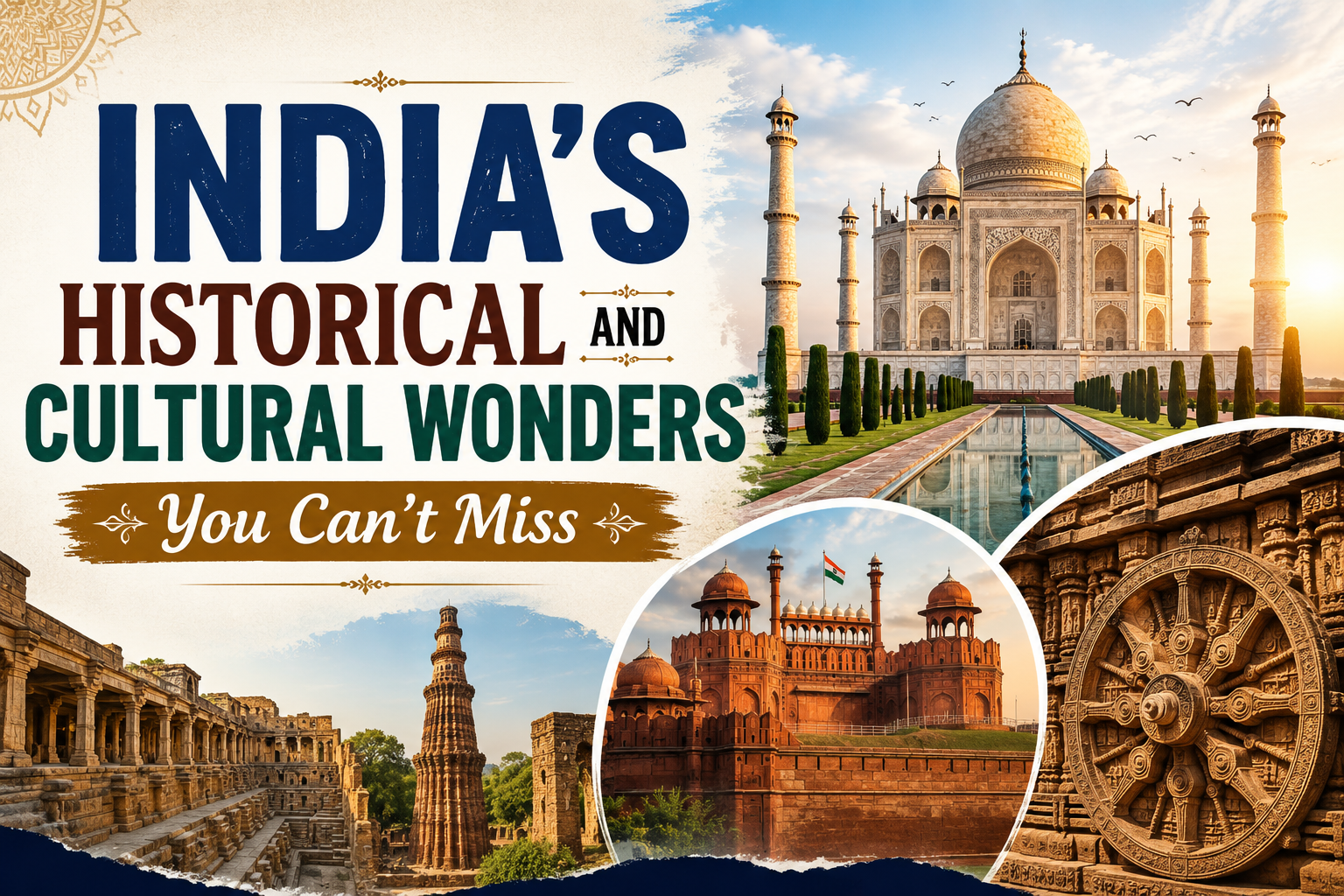
India is a land where history and culture come alive at every turn. From magnificent forts and ancient temples to grand palaces and vibrant cultural centres, the country offers an extraordinary journey through thousands of years of civilisation. Every region has its own unique heritage, shaped by diverse dynasties, religions, traditions, and artistic influences.
For travellers seeking more than just scenic landscapes, India’s historical and cultural wonders provide an opportunity to explore the stories, achievements, and traditions that have shaped one of the world’s oldest civilisations. Whether you are a history enthusiast, a cultural explorer, or a first-time visitor, these remarkable destinations deserve a place on your travel itinerary.
The Timeless Beauty of the Taj Mahal
No discussion of India’s historical wonders is complete without mentioning the Taj Mahal. Located in Agra, this world-famous monument is one of the most recognisable landmarks on Earth.
Built by Mughal Emperor Shah Jahan in memory of his beloved wife Mumtaz Mahal, the white marble masterpiece symbolises eternal love and architectural excellence. Visitors are often captivated by its intricate carvings, symmetrical gardens, and stunning reflections in the surrounding pools.
Many travellers rely on a detailed Taj Mahal Travel Guide to plan their visit and learn about the monument’s fascinating history, best viewing times, and nearby attractions.
The Taj Mahal remains one of India’s greatest cultural treasures and a must-see destination for anyone exploring the country.
Jaipur: The Pink City’s Royal Heritage
Jaipur, the capital of Rajasthan, is renowned for its rich royal history and magnificent architecture. Known as the Pink City, Jaipur offers a glimpse into the grandeur of India’s princely past.
Among its most famous attractions are:
- Amber Fort
- City Palace
- Hawa Mahal
- Jantar Mantar Observatory
Each landmark reflects the artistic brilliance and engineering skills of Rajasthan’s rulers. Walking through Jaipur’s historic streets allows visitors to experience colourful markets, traditional crafts, and centuries-old customs that continue to thrive today.
The city’s vibrant culture and architectural beauty make it one of India’s most rewarding destinations.
Varanasi: India’s Spiritual Heart
Varanasi is one of the oldest continuously inhabited cities in the world and holds immense spiritual significance for Hindus.
Situated on the banks of the sacred River Ganges, the city is famous for its ghats, temples, and religious ceremonies. Pilgrims travel from across India and beyond to bathe in the holy river and participate in ancient rituals.
One of the most memorable experiences is witnessing the evening Ganga Aarti, a spectacular ceremony featuring prayers, music, lamps, and devotion.
Beyond its religious importance, Varanasi offers a unique cultural experience that reflects India’s deep spiritual traditions and historical continuity.
Hampi: The Lost Empire of South India
The ruins of Hampi in Karnataka stand as a testament to the grandeur of the Vijayanagara Empire.
Once one of the wealthiest cities in the world, Hampi is now a UNESCO World Heritage Site known for its remarkable stone temples, royal structures, and dramatic landscapes.
Highlights include:
- Virupaksha Temple
- Vittala Temple
- Stone Chariot
- Lotus Mahal
The vast archaeological complex allows visitors to step back in time and imagine the splendour of a thriving medieval empire.
Hampi’s combination of history, architecture, and natural beauty makes it one of India’s most fascinating destinations.
Khajuraho and Its Artistic Masterpieces
Located in Madhya Pradesh, the Khajuraho Group of Monuments is celebrated for its extraordinary temple architecture and detailed sculptures.
Built between the 9th and 12th centuries by the Chandela dynasty, these temples showcase exceptional craftsmanship and artistic expression.
The intricate carvings depict:
- Mythological stories
- Daily life
- Religious themes
- Human emotions
Khajuraho reflects the cultural richness and artistic achievements of ancient India and continues to attract visitors from around the world.
Delhi: A City of Historic Layers
India’s capital city offers an incredible blend of historical periods and cultural influences.
Delhi has served as the seat of numerous empires and rulers, each leaving behind remarkable monuments and architectural landmarks.
Must-visit attractions include:
Red Fort
A UNESCO World Heritage Site that symbolises Mughal power and grandeur.
Qutub Minar
The tallest brick minaret in the world and one of India’s most important historical structures.
Humayun’s Tomb
A masterpiece of Mughal architecture that inspired the design of the Taj Mahal.
India Gate
A prominent national monument honouring Indian soldiers.
Exploring Delhi offers a fascinating journey through centuries of political, cultural, and architectural evolution.
The Temple Heritage of South India
South India is home to some of the most magnificent temple complexes in the world.
These temples are not only places of worship but also remarkable examples of architecture, sculpture, and cultural heritage.
Notable sites include:
- Meenakshi Temple in Madurai
- Brihadeeswarar Temple in Thanjavur
- Ramanathaswamy Temple in Rameswaram
- Padmanabhaswamy Temple in Kerala
The towering gopurams, intricate carvings, and spiritual atmosphere of these temples make them essential stops for cultural travellers.
The Majestic Forts of Rajasthan
Rajasthan’s forts stand as symbols of bravery, royalty, and architectural brilliance.
Some of the most famous include:
Mehrangarh Fort
Located in Jodhpur, this massive fort offers panoramic views and fascinating museums.
Chittorgarh Fort
One of India’s largest forts, known for its heroic tales and historical significance.
Jaisalmer Fort
A living fort where thousands of people still reside within its ancient walls.
These impressive structures provide insight into the lives of Rajput rulers and the region’s rich history.
Kolkata’s Cultural Legacy
Kolkata is often regarded as India’s cultural capital.
The city played a significant role during British colonial rule and became a centre for literature, art, education, and political movements.
Visitors can explore:
- Victoria Memorial
- Indian Museum
- Marble Palace
- College Street
Kolkata’s intellectual and artistic traditions continue to influence Indian culture today, making it a rewarding destination for those interested in history and the arts.
The Living Heritage of India
What makes India truly unique is that its history is not confined to monuments and museums. Ancient traditions continue to thrive in everyday life.
Visitors can experience:
- Traditional festivals
- Classical dance performances
- Folk music
- Local crafts
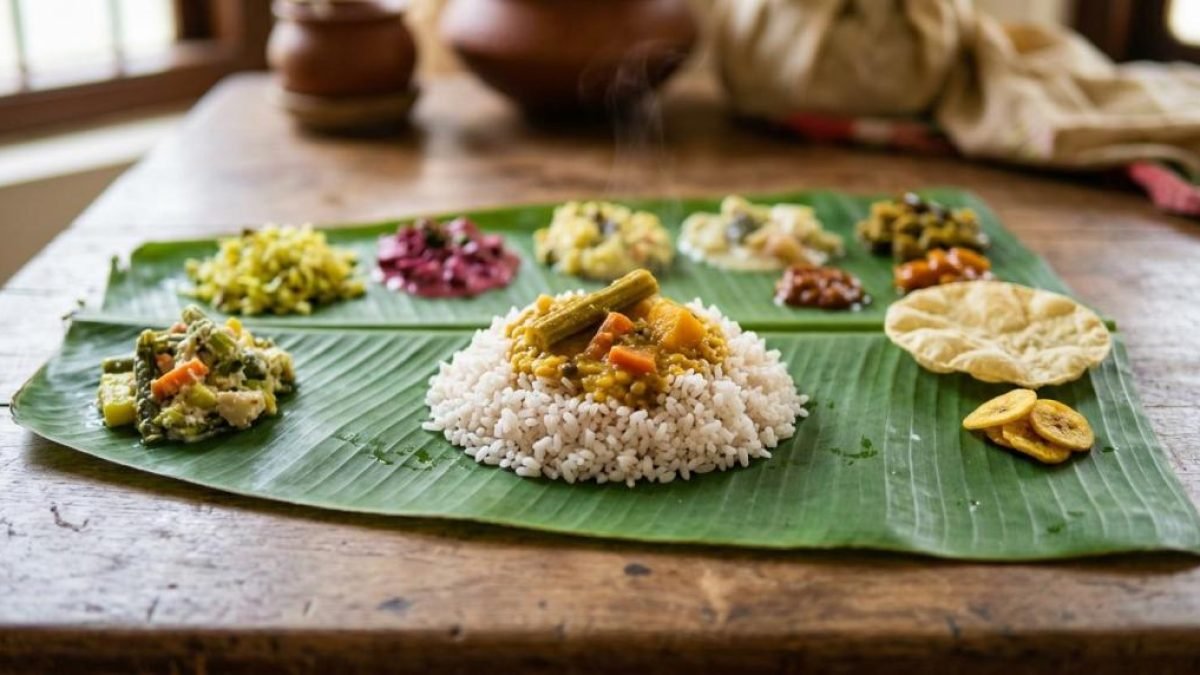
- Regional cuisines
These living cultural practices connect modern India with its historical roots and provide travellers with authentic and memorable experiences.
Final Thoughts
India’s historical and cultural wonders offer an extraordinary journey through centuries of human achievement, artistic expression, and spiritual devotion. From the iconic Taj Mahal and the royal palaces of Rajasthan to the sacred ghats of Varanasi and the ancient ruins of Hampi, each destination reveals a unique chapter of India’s rich heritage.
Exploring these remarkable sites allows travellers to gain a deeper understanding of the country’s diverse traditions, architectural brilliance, and cultural legacy. Whether you are visiting for the first time or returning to discover more, India’s historical and cultural treasures promise unforgettable experiences that will leave a lasting impression long after your journey ends.