Planning a Kerala holiday often starts with a simple question: should you book Kerala tour direct or OTA, for example through a large online travel agency, or go straight to a Kerala-based tour operator?
The answer depends on what you want from the trip and what kind of tour packages suit your preferences. If you are booking a single hotel in Kochi, an OTA may feel fast and familiar. If you are building a multi-stop Kerala itinerary with airport transfers, hill stations, wildlife, houseboats, beaches, guides, and special requests, the booking channel can shape the whole travel experience.
A Kerala trip is rarely just one reservation.
Kerala is not just famed for its vibrant cities and cultural landmarks, but also for its stunning beaches. With golden sands and azure waters, the beaches of Kerala, such as Kovalam and Varkala, offer a perfect retreat for travelers seeking relaxation and natural beauty. These beaches provide an opportunity to enjoy leisurely walks, sunbathing, and water sports, adding a refreshing dimension to any Kerala itinerary. Local tour operators can guide visitors to these coastal treasures and provide insights that make the seaside experience even more memorable, distinct from what might be curated through an OTA.
Alleppey, also known as Alappuzha, is another gem that should feature prominently in a well-rounded Kerala itinerary. Often referred to as the ‘Venice of the East,’ Alleppey is famed for its intricate network of backwaters and picturesque houseboat cruises. This locale offers a unique opportunity to delve into the laid-back charm of Kerala’s water-based lifestyle, making it a must-visit destination for anyone exploring the region. Booking directly with a Kerala-based operator can enhance your Alleppey experience, allowing for personalized tours and insights that an OTA might overlook.
Thiruvananthapuram, the capital city of Kerala, offers a unique blend of vibrant city life and serene natural beauty, which can add a distinct layer to your Kerala holiday. Known for its rich history and cultural heritage, the city is home to iconic landmarks such as the Padmanabhaswamy Temple and the Napier Museum. Including Thiruvananthapuram in your itinerary allows for an exploration of both urban and traditional elements that define Kerala’s charm.
Why Kerala itinerary planning changes the booking decision
Kerala holidays tend to be layered. A single trip may include Fort Kochi, Munnar, Thekkady, Alleppey, Kumarakom, Kovalam, and perhaps a detour into Tamil Nadu. Each stop adds moving parts: drive times, check-in windows, room categories, sightseeing pacing, and local conditions that are not obvious from a listing page.
That is where the difference between an OTA and a local operator becomes sharper. An OTA is usually built for search, comparison, and transaction efficiency. A Kerala operator is built to assemble the trip itself.
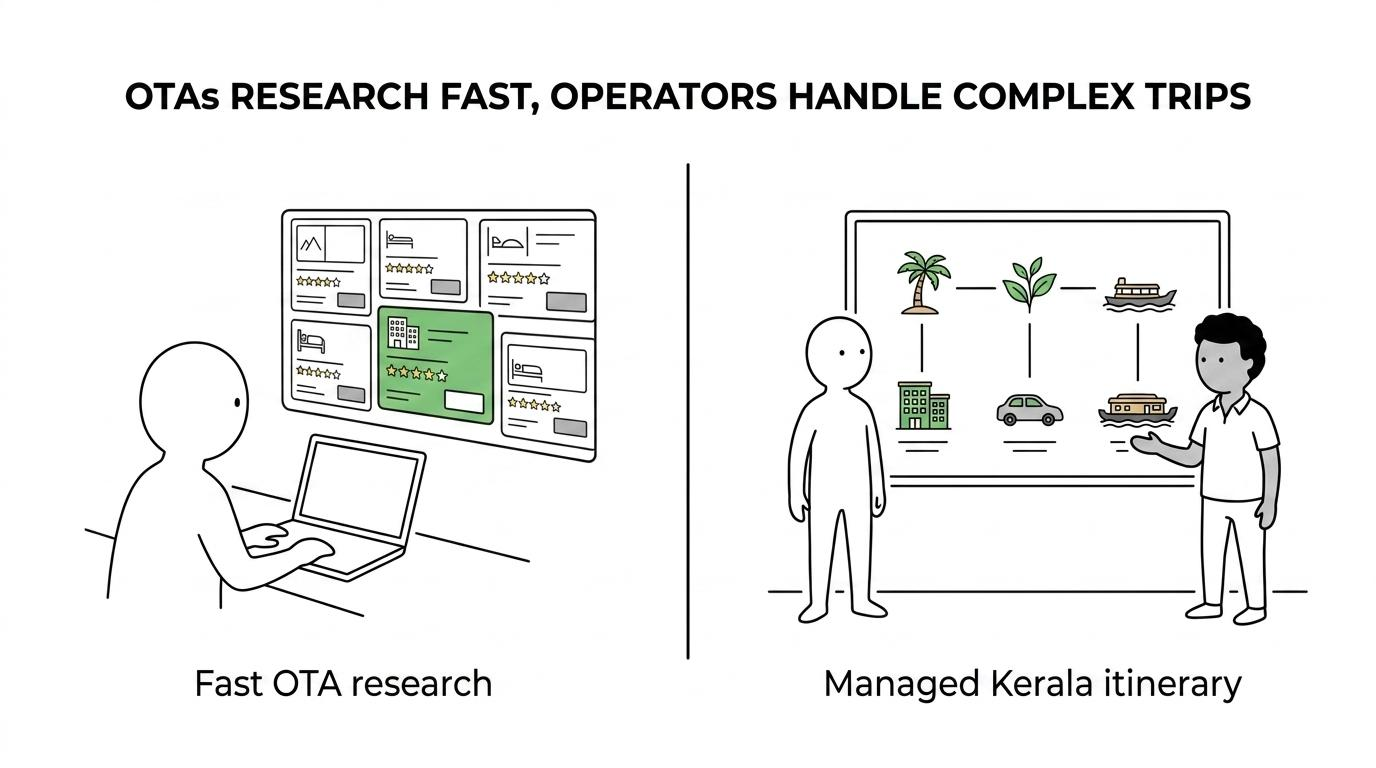
When the holiday is more complex than “book a room and show up,” direct communication matters more.
Kerala tour operator accreditation and why it matters
One useful starting point is Kerala Tourism’s own accreditation framework. Its guidelines distinguish an accredited inbound tour operator from a general travel seller. According to Kerala Tourism, an inbound operator arranges accommodation, transportation, sightseeing, entertainment, and other tourism services in Kerala, and must have its headquarters and activities based in Kerala.
That local base matters. It suggests the company is not simply reselling inventory from afar, but operating within the destination it sells. Kerala Tourism also states that approved operator accreditation is granted for two years and that the scheme is meant to encourage quality, standard, and service in tour operations.
For a traveler, this does not mean every accredited operator will be identical. It does mean there is a meaningful distinction between a Kerala-rooted tour company and a broad marketplace that may list thousands of travel products without destination-specific operational control.
Here is what that accreditation lens helps you evaluate when planning a trip to Kerala:
- Scope of service: accommodation, transport, sightseeing, and related trip components under one operator relationship
- Local presence: headquarters and operations based in Kerala
- Quality intent: a state tourism framework designed to support service standards
- Faster local coordination
- Clearer responsibility chain
Direct Kerala booking vs OTA booking comparison
The easiest way to compare the two channels is to look at what each one is best at.
| Factor | Booking direct with a Kerala operator | Booking through an OTA |
|---|---|---|
| Trip design | Better for customized, multi-stop itineraries | Better for quick comparison of ready-made listings |
| Local knowledge | Stronger destination-specific input | Often limited to listing content and platform filters |
| Communication | One direct planning conversation | Often split between platform rules and supplier messaging |
| Changes during the trip | Easier if the same operator handles transport, hotels, and activities | May involve separate supplier or platform processes |
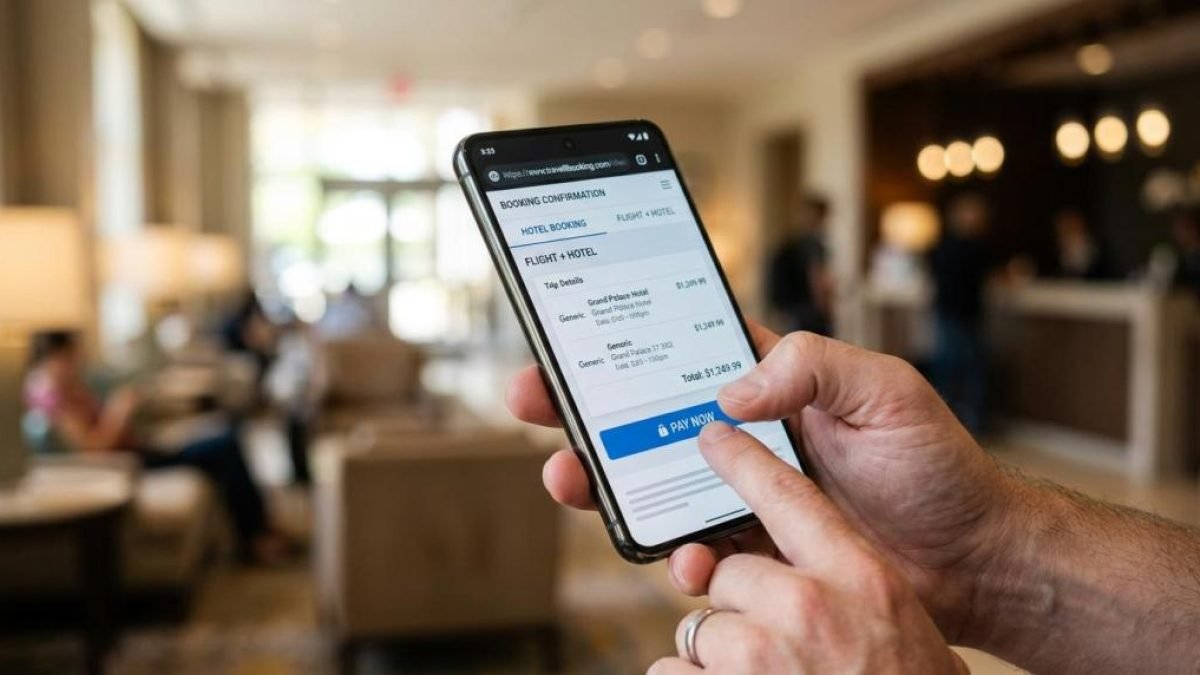
| Pricing format | Can include an itemized quote for the full trip | Good for broad comparison, though pricing structure can vary by listing |
| Fee visibility | May be clearer when quoted directly and fully itemized | Can differ by platform and may become clearer later in checkout |
| Accountability | One operator relationship for the package | Multiple parties may be involved |
| Review research | Usually narrower but more specific | Usually broader and easier to scan at scale |
This is why many travelers do both. They use OTAs to compare options, then book Kerala tour direct or ota to have better control over the actual itinerary.
Pricing, fees, and the value of an itemized Kerala quote
Price comparison sounds easy until you compare two quotes that are not built the same way.
A packaged Kerala trip can include hotels, breakfast, transfers, driver allowances, tolls, parking, sightseeing support, taxes, and houseboat meals. If one channel shows a headline price while another presents a fuller, itemized package, the cheaper number may not stay cheaper for long.
Recent FTC guidance on short-term lodging is relevant here even for travelers looking beyond the United States. The FTC says sellers of hotel rooms and vacation rentals must be upfront about required fees and show the true price before final payment. The rule does not ban fees. It requires clear disclosure, which saves travelers time and money by reducing checkout surprises.
That principle is highly useful when comparing Kerala trip offers. Ask not only “What is the total?” but also “What is included, what is required, and when is it disclosed?”
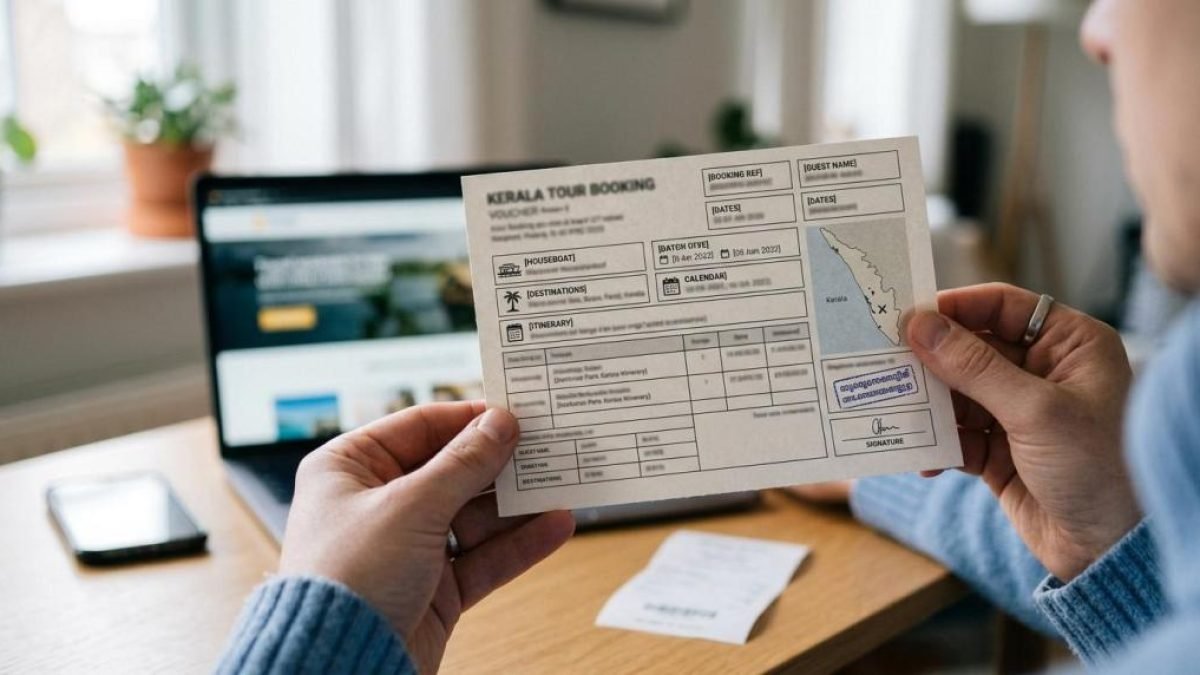
A good direct operator quote often helps because it can break the package into visible parts. Troper Tours, for example, states that it prepares a personalized itinerary and an itemized quote after receiving travel details. That is a practical advantage when you want to compare like for like instead of headline numbers.
When reviewing any Kerala tour price, especially those offering tour packages, check these points:
Alleppey, known as Alappuzha, is one of the most popular destinations for houseboat experiences in Kerala. A cruise through the serene backwaters offers a unique opportunity to observe the tranquil rural life along the banks, engage with the rich local culture, and enjoy traditional Kerala cuisine prepared fresh on board. When considering a package that includes a houseboat experience in Alleppey, travelers should pay close attention to the specifics of the cruise, such as the private or shared nature of the houseboat, meal inclusions, and the timing of the cruise for a more personalized experience.
Thiruvananthapuram, as the capital city of Kerala, offers diverse experiences that can be tailored through direct bookings. Known for its rich heritage, lush landscapes, and vibrant city life, Thiruvananthapuram provides both urban and nature-bound adventures. Direct interaction with local operators can enhance the customization of trips to this city, ensuring that every aspect of the journey meets specific interests and needs, be it cultural tours or eco-friendly excursions.
Kerala’s stunning beaches should not be overlooked in any travel itinerary. With stretches of golden sands, clear azure waters, and swaying palms, Kerala’s coastal areas offer not only relaxation but also adventure. From watersports to beachside yoga, the beaches in Varkala, Kovalam, and Marari provide diverse experiences that can be tailored to individual preferences. When planning your trip, consider how these beach destinations can seamlessly fit into your overall travel experience, complementing the backwater and cultural offerings of Kerala.
- Hotel basis: room category, meal plan, taxes
- Transport basis: private car type, driver charges, tolls, parking, pickup and drop
- Houseboat basis: private or shared, meal inclusions, cruise timing
- Sightseeing basis: listed entries, guide fees, optional add-ons
- Required fees
- Cancellation terms
- Payment schedule
Why OTAs still matter when planning a Kerala holiday
Even with strong direct-booking demand, OTAs remain useful.
Skift Research reported in 2024 that direct bookings are rising, driven by competitive pricing, trust in supplier websites, and flexible booking options. At the same time, OTA behavior still shapes how travelers shop because those platforms are excellent for early-stage research. They help people compare neighborhoods, room types, seasonality, and public review patterns quickly.
That shopping stage has value. It can help a traveler learn the difference between a lake-facing resort and a city hotel, or between a premium private houseboat in Kerala and a basic one. It can also reveal whether a destination pairing makes sense. Munnar and Alleppey in four days feels very different from a slower seven-day plan that includes Thekkady.
So this is not a story of OTAs being “bad” and direct booking being “good.” It is a story of channels serving different purposes. OTAs are often strong research tools. Direct booking is often stronger when you are ready to shape the final Kerala itinerary with real human input.
When direct booking with a Kerala operator is usually the better fit
Direct booking becomes more attractive as the trip becomes more personal, more layered, or more time-sensitive.
A honeymoon with privacy preferences, a family holiday with elderly parents, a photography-focused route, an Ayurveda stay with transport coordination, or a mixed Kerala and Tamil Nadu plan all benefit from one operator overseeing the moving parts. That is where local knowledge has practical value, not just marketing value.
A direct Kerala operator can also help with sequencing. The right hotel may depend on your arrival time. A houseboat night may work better in the middle of the route than at the end. A wildlife visit may need an early start that changes where you stay the previous night. Those details often sit outside the OTA booking flow.
Direct booking is often the better fit when you need:
- Tailor-made routing
- One point of contact
- Private transfers throughout
- Verified stays and houseboats
- Faster trip changes while traveling
A Kerala-based specialist can also answer destination-specific questions that are hard to reduce to filters. Is it better to stay in Marari or Alleppey after a houseboat? How long should you stay in Munnar if you want tea estates plus a relaxed pace? Is a backwater resort a better fit than an overnight cruise for some travelers? Those choices can shape the mood of the holiday.
Thiruvananthapuram, the capital city of Kerala, offers a unique allure for travelers seeking both cultural heritage and modernity. Known for its stunning beaches, historic temples, and vibrant arts scene, it serves as a perfect starting or ending point for Kerala itineraries. Whether you’re drawn to the famed Kovalam Beach or the Padmanabhaswamy Temple, incorporating a visit to Thiruvananthapuram can enrich the diversity of your holiday experience.
Alleppey, often referred to as the ‘Venice of the East,’ is a must-visit when in Kerala. Famous for its picturesque backwaters and houseboat cruises, it offers an enchanting experience that is distinctly different from other parts of the state. A visit to Alleppey allows you to unwind amidst the tranquil waters, explore charming villages, and witness the unhurried pace of local life, all of which make it a unique addition to any Kerala itinerary.
Visitors to Alleppey can also enjoy its serene beaches, which are often less crowded than other popular destinations. These beaches provide a tranquil escape, where one can relax on the sandy shores and experience the calming sounds of the waves. It’s a perfect spot for those looking to bask in the natural beauty or enjoy a peaceful walk along the coastline.
What to verify before paying any Kerala operator directly
Booking direct works best when you verify the operator with the same discipline you would use on a major platform.
Start with identity, process, and proof. Look for business details, a proper itinerary document, an inclusion and exclusion list, cancellation rules, and post-booking support terms. If the operator claims local expertise, you should be able to see it in the quality of the routing, not only in slogans.
Published traveler feedback is also useful. Troper Tours, as one example, publishes named testimonials that describe multi-day South India itineraries, including Kerala routes covering Kochi, Munnar, Thekkady, Alleppey, Marari, and Kovalam, as well as a longer 30-day regional trip. That kind of trip-specific proof is more useful than generic star ratings because it shows the operator has handled the type of itinerary you may actually book.
Before you transfer money, ask for:
- Operator status: Kerala base, accreditation details if available, and who will execute the trip on ground
- Quote structure: itemized inclusions, exclusions, taxes, and required fees
- Hotel proof: exact property names, room category, and meal plan
- Transport proof: vehicle type, private or shared basis, and chauffeur details
- Support terms: who assists during the trip and how changes are handled
- Payment rules: deposit amount, due dates, and refund policy
Concrete booking terms are especially helpful. Troper Tours states a 50% advance to confirm booking, with the balance due 14 days before departure, and indicates payment by bank transfer, UPI, or major cards. It also says free cancellation is allowed up to 10 days before departure, subject to the stated policy. Clear terms like these make direct booking easier to assess.
How to use both channels without wasting time
Many smart travelers do not choose one channel at the start. They use both, in sequence, whether opting to book Kerala tour direct or via an OTA.
First, use OTAs and review platforms to map price bands, hotel categories, and destination combinations. Then take that learning to a Kerala operator and ask for a route-specific quote with itemized costs and planning rationale. This gives you both market context and itinerary clarity.
That second step is where a local specialist can save real effort. Instead of stitching together rooms, transport, and timing on your own, you can evaluate one joined-up plan. If the operator is responsive, transparent, and grounded in Kerala operations, direct booking becomes less about cutting out a middle layer and more about choosing a planning model that suits the trip.
For travelers who want a customized South India holiday, exploring various tour packages offered by local operators can make a significant difference. A local Kerala operator like Troper Tours is not just selling nights and transfers. It is building the trip around your dates, pace, and priorities, then standing behind the plan once you arrive.
When deciding whether to book your Kerala tour directly with a local operator or through an OTA, consider the intricacies of your planned itinerary, emphasizing both tailored experiences and logistical ease. A complex, multi-stop journey involving hill stations, wildlife exploration, and cultural landmarks is often better supported through the local insights and personalized service a Kerala-based operator provides. Meanwhile, OTAs excel in offering expansive options and price comparisons that aid initial research, guiding travelers in grasping the landscape of Kerala’s lodgings and attractions. The local expertise of operators like Troper Tours ensures that every layer of your trip—be it accommodation, transfers, or sightseeing—aligns with your personal preferences and travel style. Ultimately, blending OTA research with direct booking through a credible Kerala expert allows for a meticulously curated and memorable travel experience, seamlessly combining convenience with authenticity.
FAQ: Navigating Your Kerala Tour Booking
Choosing whether to book your Kerala tour directly with a local operator or via an online travel agency (OTA) involves understanding your travel preferences and itinerary complexities. Below are some frequently asked questions to guide your decision.
What is the main advantage of booking with a local Kerala operator?
Booking directly with a local operator in Kerala offers personalized itineraries and insights tailored to the specifics of your travel plan, providing enhanced logistical support and potential cost savings.
How can OTAs be useful in Kerala trip planning?
OTAs are perfect for initial research, offering a broad comparison of accommodations, pricing, and availability, which helps you understand various options early in the planning phase.
Should I expect a different pricing structure when booking directly?
Yes, a direct booking often includes itemized quotes for all travel components, potentially offering more transparent and comprehensive pricing compared to OTAs.
Can I combine both OTA and local operator insights?
Absolutely, using OTA research for market context combined with a direct booking approach allows you to craft a well-rounded and customized travel itinerary.
How do I verify a local Kerala operator before booking?
Verify the operator’s credentials by checking for Kerala-based accreditation, reviewing testimonials, and ensuring clear communication of terms and conditions.