Choosing between Munnar, Nelliyampathy, and Wayanad is less about which place is “better” and more about what kind of hill-station experience you want from Kerala, especially when considering the comparison of Nelliampathy vs Munnar in terms of tranquility and adventure. Both sit in the Western Ghats. Both bring cool air, plantation landscapes, and rewarding drives into the hills. Yet they feel very different once you spend time there.
 Munnar is the famous name, the one many travelers picture first when Kerala hill stations come up. Nelliyampathy is quieter, less publicized, and more rugged in mood. If your plan depends on scenery, wildlife, road access, and how much activity you want around you, the difference matters.
A quick snapshot helps set the tone before getting into details.
| Factor | Munnar | Nelliyampathy |
|---|---|---|
| Location | Idukki district | Palakkad district |
| Elevation | About 1,600 m, with surrounding ranges often cited between 1,500 and 2,500 m | Around 4,600 ft above sea level |
| Best known for | Tea estates, Eravikulam National Park, Anamudi, honeymoon appeal | Tea and coffee plantations, spice estates, trekking, quieter forests |
| Atmosphere | Iconic, popular, scenic, polished tourism circuit | Peaceful, less crowded, more offbeat |
| Wildlife appeal | Strong, with Eravikulam and Nilgiri Tahr | Strong biodiversity and forest character, especially for trekkers and nature-focused travelers |
| Road feel | Easier fit for mainstream itineraries | More adventure-leaning drive with hairpin bends |
| Best for | First-time Kerala visitors, couples, families, classic sightseeing | Repeat visitors, trekkers, solitude seekers, plantation-and-forest lovers |
Munnar vs Nelliyampathy altitude and climate
Altitude shapes the feel of a hill station more than many travelers expect.
Kerala Tourism places Munnar at about 1,600 meters above sea level, and the wider hill region is often described within a 1,500 to 2,500 meter band. That higher setting gives Munnar a distinctly cooler mountain character, especially in the mornings and evenings. The air tends to feel lighter, the views open up dramatically, and the slopes roll out in long layers of green.
Nelliyampathy rises to around 4,600 feet, which is still comfortably cool compared with the plains, but its climate often feels a touch softer and less alpine than Munnar’s. You are very much in the hills, yet the atmosphere blends forest, plantation, and escarpment views rather than the broad high-elevation tea-country look Munnar is known for.
For travelers who want the stronger “mountain retreat” feel, Munnar usually wins.
That said, Nelliyampathy’s weather can be deeply appealing for people who want cool surroundings without the larger tourist rhythm that comes with a marquee destination.
Munnar scenery vs Nelliyampathy scenery
This is where personal taste really takes over.
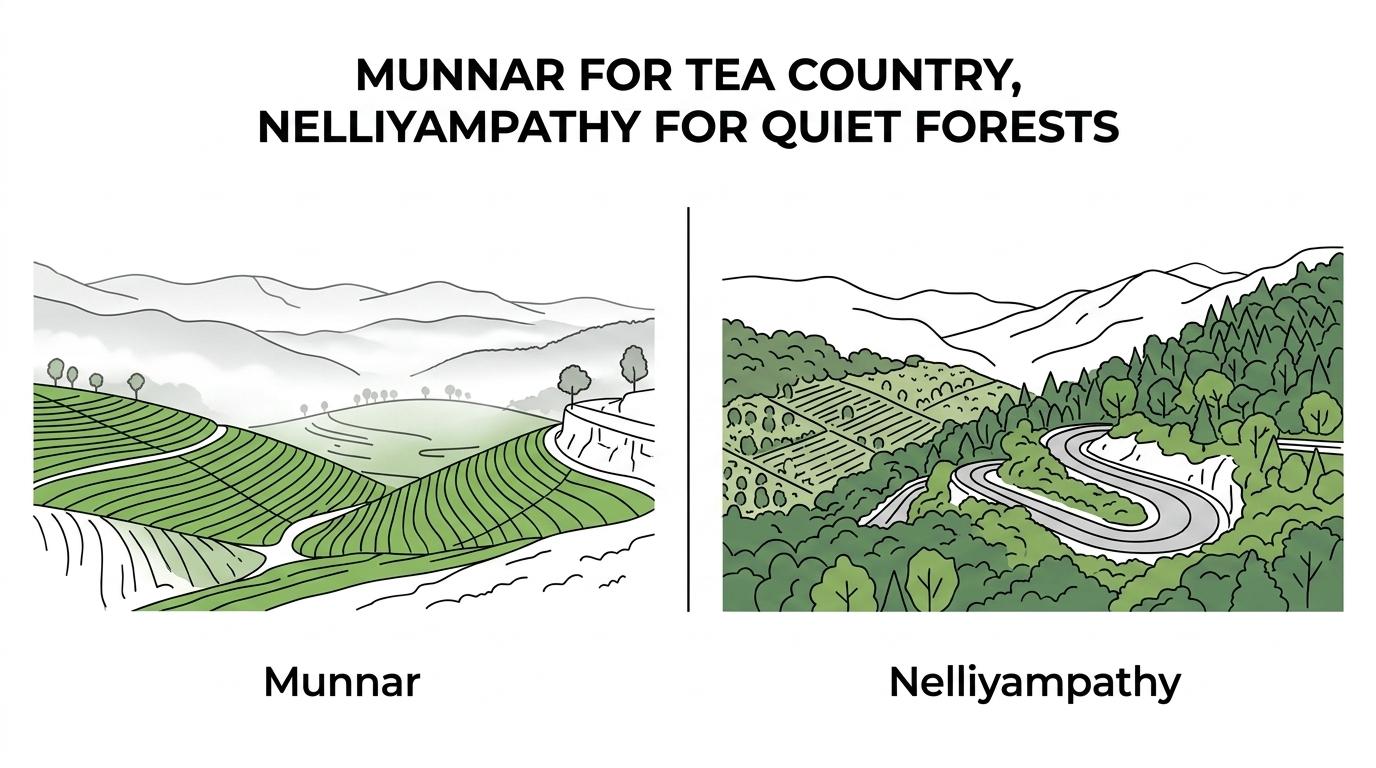
Munnar offers what many would call Kerala’s signature hill landscape. Tea gardens drape the slopes in precise green patterns. Mist moves across ridges. Valleys open unexpectedly around bends. Kerala Tourism also ties Munnar to the confluence of three streams, which is where the name is said to come from. The result is a place that feels cinematic almost by default.
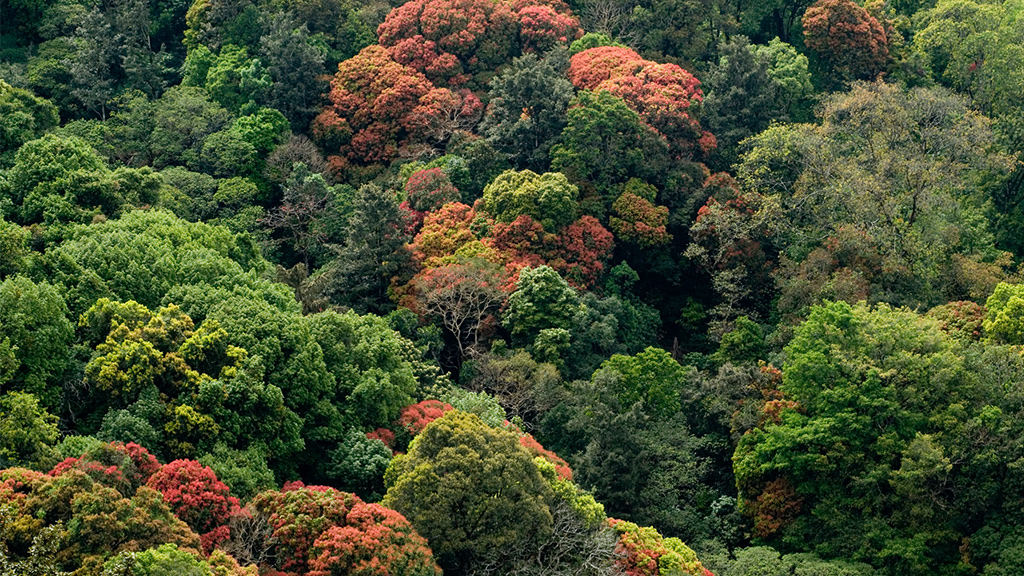
Nelliyampathy is scenic in a different key. The hills are known for tea and coffee plantations, yet the visual mood is more mixed and less manicured. Forest patches, spice estates, and dramatic viewpoints give it a wilder personality. The approach road itself, with its series of hairpin bends through evergreen stretches, builds that mood before you even arrive.
If your ideal hill station is the classic postcard version, Munnar has the clearer edge. If you prefer a place that feels less polished and more tucked away, Nelliyampathy may stay with you longer.
A few scenery differences stand out quickly:
- Wider tea panoramas
- Denser forest stretches
- More famous viewpoints in Munnar
- More secluded plantation pockets in Nelliyampathy
Wildlife and nature experiences in Munnar and Nelliyampathy
Nature lovers can do well in either Nelliampathy vs Munnar, though the character of the experience changes.
Munnar has one of Kerala’s strongest wildlife names because of Eravikulam National Park, a protected area of about 97 square kilometers known for the endangered Nilgiri Tahr. This alone gives Munnar a strong advantage for travelers who want a recognizable, structured nature attraction. The region also includes Anamudi, the highest peak in South India, rising above 2,700 meters. Even when a visit is built around sightseeing rather than serious trekking, that mountain presence adds weight to the experience.
 Munnar is also linked with Neelakurinji, the rare flowering plant that blooms once every 12 years. Not every visitor will arrive during a bloom cycle, of course, but that association adds to Munnar’s identity as a special mountain landscape rather than just a pleasant hill station.
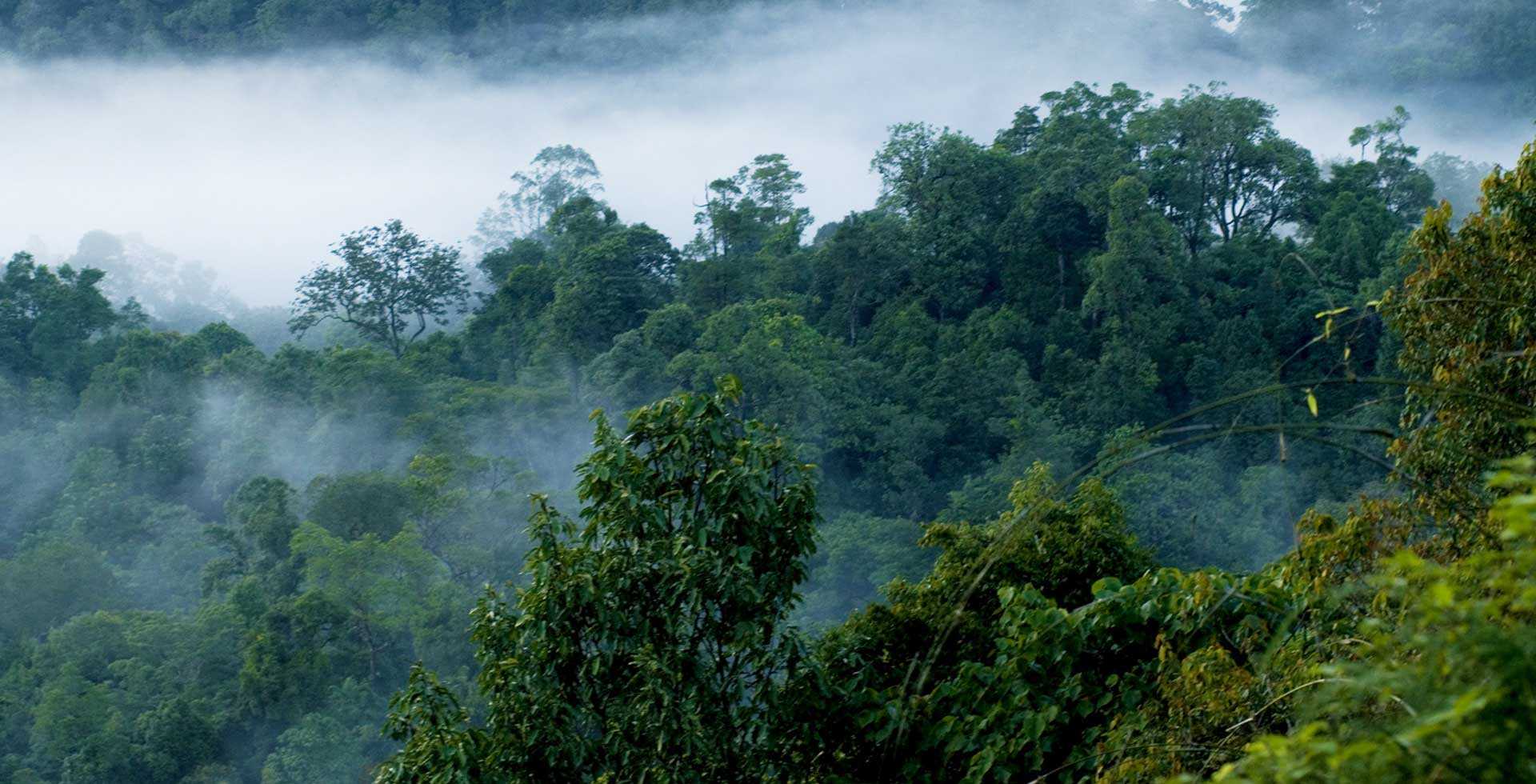
Nelliyampathy, by contrast, feels more intimate and more adventure-friendly. Kerala Tourism describes it as rich in biodiversity and close to Western Ghats UNESCO heritage zones, with trekking trails and plantation-backed nature experiences shaping the stay. The draw here is not one headline attraction that everyone recognizes. It is the whole setting: forests, birdlife, estate roads, viewpoints, and a stronger sense of stepping into a quieter ecological belt.
Here is the simplest way to think about it:
- Choose Munnar for wildlife if: you want a major, widely known protected area and iconic mountain associations.
- Choose Nelliyampathy for nature if: you want a quieter forest-and-plantation setting with a more rugged outdoor mood.
Plantation experiences and local hill-station atmosphere
Plantations matter in both places, but they do not create the same atmosphere.
Munnar is strongly tied to tea. The tea-estate identity is front and center, and that visual continuity gives the destination much of its fame. For couples, families, and first-time visitors, this often translates into an easy emotional connection. The region looks exactly how many people hope a South Indian hill station will look.
Nelliampathy broadens the plantation story. Tea and coffee are part of the landscape, yet spice estates also shape the area, with cardamom and pepper often mentioned alongside the better-known crops. That mix gives Nelliyampathy a more layered agricultural identity. It feels less like one giant tea-country canvas and more like a hill district where plantations and forest share space.
The town atmosphere follows the same pattern. Munnar is more established as a tourism center, with broader accommodation choices and a busier visitor flow. Nelliyampathy usually feels calmer, more spread out, and less driven by sightseeing checklists.
For many travelers, that is the real dividing line.
Accessibility and road travel: which hill station is easier?
Access can shape the whole trip, especially if you are combining a hill station with Kochi, the backwaters, or another Kerala destination.
Munnar fits more naturally into mainstream Kerala itineraries. It is one of the state’s most established tourism hubs, and that usually means more transport options, more accommodation inventory, and easier pairing with places like Thekkady, Alleppey, or Kochi. If you are planning a smooth, classic Kerala route, Munnar is often the more practical hill stop.
Nelliyampathy asks a bit more from the traveler, and that is part of its charm. The drive through hairpin bends is scenic and memorable, though it can feel more adventurous than what some families or older travelers may prefer. That road experience is a draw in itself for many people, especially those who enjoy mountain driving and a sense of remoteness.
A practical breakdown helps:
- Munnar: easier for first-time Kerala visitors, broader hotel range, simpler fit within multi-stop itineraries
- Nelliampathy: better for travelers who do not mind a more winding approach and want a quieter hill entry
If road comfort, broad choice, and easy logistics sit high on your list, Munnar usually feels more reassuring. If the drive is part of the fun, Nelliyampathy has real appeal.
Which hill station suits couples, families, and trekkers?
The best pick often depends less on the map and more on travel style.
Munnar for first-time Kerala travelers
Munnar works exceptionally well for travelers who want Kerala’s best-known hill experience without much guesswork. The scenery is iconic, the visitor infrastructure is stronger, and the region offers a wider range of recognizable attractions. Honeymooners often gravitate here for good reason. The romantic setting feels romantic, the tea-country views are instantly memorable, and the sightseeing rhythm is easy to shape into a relaxed stay.
Families also tend to find Munnar comfortable because the destination supports different energy levels. A trip can include viewpoints, tea landscapes, wildlife interest, and softer pacing without feeling too remote.
Nelliyampathy for offbeat hill travel
Nelliyampathy suits travelers who prefer quiet over buzz. It is a smart pick for repeat Kerala visitors who have already seen Munnar, or for anyone who values trekking, plantation roads, and a less commercial hill-station atmosphere.
It also appeals to travelers who want a stronger sense of place than itinerary density. You are not coming here for a long list of famous names. You are coming for the mood of the hills themselves.
That distinction matters.
Best use cases for Munnar and Nelliyampathy in a Kerala itinerary
If you are building a custom Kerala trip, the choice becomes even clearer when you look at the rest of your route.
Munnar pairs beautifully with classic circuits. Think Kochi, Munnar, Thekkady, and Alleppey. It also fits honeymoon plans, luxury-focused holidays, and trips where comfort, polished stays, and landmark attractions matter. Since it is so well known, it often delivers confidence to first-time visitors who want a “must-see” hill station in the schedule.
Nelliyampathy fits better in itineraries that lean toward quiet, nature, and road-based discovery. It can work well for travelers interested in Palakkad-side landscapes, plantation stays, and shorter hill breaks that feel private rather than high-profile. For some, it is also a refreshing counterpoint to Kerala’s more publicized destinations.
A useful rule of thumb looks like this:
- Pick Munnar if: you want the iconic Kerala hill station, major scenic pull, and established sightseeing.
- Pick Nelliyampathy if: you want fewer crowds, more solitude, and a hill station with a stronger trekking-and-forest personality.
- Pick both if: you have time for a wider South India plan and want to compare two very different faces of Kerala’s hills.
How to choose based on the experience you want
If your idea of a great hill holiday includes famous tea landscapes, marquee attractions, and a destination that feels instantly recognizable, Munnar is the stronger choice. It has the altitude, the visual drama, the wildlife reputation, and the broad travel appeal to justify its status.
If your ideal stay is quieter, greener in a more untamed way, and slightly more adventurous from the moment the road begins to climb, Nelliyampathy may be the better match. Its tea and coffee plantations, spice-growing slopes, biodiversity, and low-key rhythm create a different kind of reward.
For travelers planning Kerala with a customized approach, this is often not a question of right or wrong. It is a question of mood, pace, and how you want the hills to feel when the windows open and the air turns cool.
Nelliampathy vs Munnar: FAQs
Choosing between Nelliampathy and Munnar invites travelers to focus on the type of hill station experience that resonates best with them. This FAQ section aims to guide you toward a decision that enriches your Kerala itinerary.
Which hill station is better for first-time visitors?
Munnar is ideal for first-time visitors due to its iconic landscapes, well-developed tourism infrastructure, and broad range of activities.
What is the best choice for a quiet retreat?
Nelliyampathy is perfect for those seeking solitude and tranquility amidst nature, away from the crowds.
Which destination offers more adventure?
Nelliyampathy, with its trekking trails and rugged landscapes, caters more to adventure-seekers.
What are the key differences in scenery?
Munnar showcases groomed tea gardens and dramatic vistas, whereas Nelliyampathy offers a mix of plantations and dense forest stretches.
Which is more accessible from major tourist circuits?
Munnar fits seamlessly into classic Kerala tourist circuits, making it more accessible for travelers combining multiple destinations.
Which location provides better wildlife experiences?
Munnar is home to the renowned Eravikulam National Park, offering structured wildlife experiences, while Nelliyampathy offers intimate encounters with diverse biodiversity.
How do the road conditions compare?
Munnar’s roads are more suited to mainstream travel itineraries, while Nelliyampathy offers a picturesque, adventurous drive with numerous hairpin bends.