Kozhikode has a rare kind of presence. It is coastal without being sleepy, historic without feeling staged, and deeply local while still carrying the memory of global exchange. Long known to many outside India as Calicut, this city on Kerala’s northern coast stands at the heart of the Malabar story.
For travelers who want more than postcard scenery, Kozhikode offers something richer: a place where trade routes, cuisine, language, and everyday life have been shaped by centuries of movement across the Arabian Sea. It is a destination that makes Kerala feel wider, older, and more connected to the rest of the world.
Kozhikode history on the Malabar Coast
Kozhikode is one of the defining cities of the Malabar Coast, the western shoreline that gave Kerala much of its maritime identity. Kerala stretches along this coast in southwest India, and the term “Malabar” was widely used by Arab traders for the Kerala coast as a whole. That link matters because Kozhikode grew through contact, commerce, and cultural exchange, not isolation.
Official tourism sources describe Kozhikode as a legendary seaport where traders from across the globe once converged. During the Middle Ages, it earned the name “City of Spices,” a title that still captures its place in memory. Pepper, aromas, textiles, and port activity turned the city into much more than a coastal settlement. It became a meeting point.
The city’s older political identity is also tied to the Zamorins, the rulers who shaped Kozhikode’s rise. Tourism references note that the district’s name is associated with a fort built by these former rulers. That historic layer still gives Kozhikode a distinctive personality within Kerala: confident, outward-looking, and grounded in its own traditions.
Kozhikode trade history and Vasco da Gama
One date stands out in Kozhikode’s long timeline: May 20, 1498. That was when Vasco da Gama dropped anchor at Kozhikode, opening direct trade links between Europe and the Malabar region. The event is often reduced to a single line in school history, yet its setting matters just as much as the arrival itself. Kozhikode was chosen because it was already important.
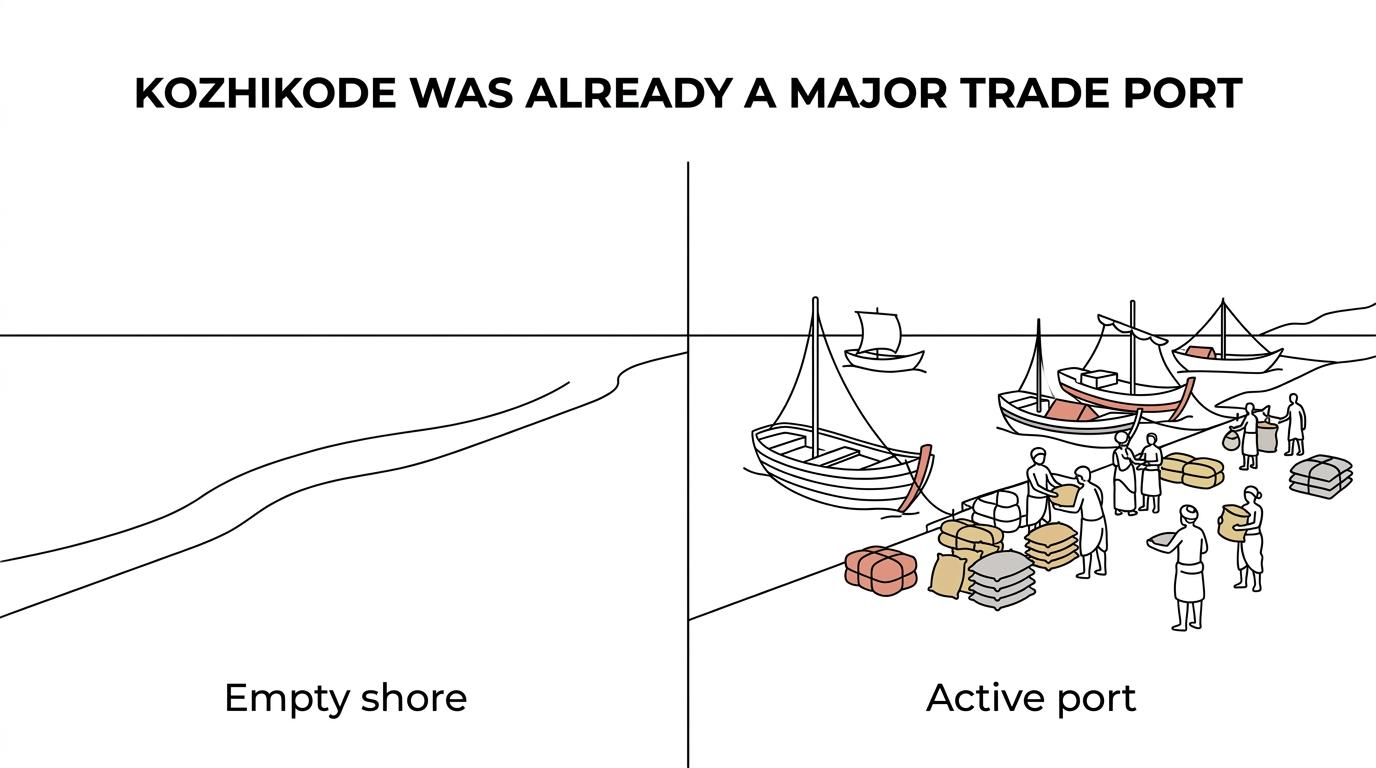
This was not an unknown shore waiting to be “found.” It was a working port connected to Arab, Asian, and regional trading networks. Ships, merchants, and goods had been moving through the Malabar Coast long before European sea routes entered the picture. Kozhikode’s importance came from what it already was: a trusted commercial center with strong maritime ties.
That older reality gives the city a different historical weight. It was not simply the backdrop to a famous landing. It was one of the reasons that landing mattered.
| Historical marker | Why it matters for Kozhikode |
|---|---|
| Malabar Coast trade networks | Placed Kozhikode within active Indian Ocean exchange |
| “City of Spices” identity | Reflects the city’s role in spice trade and merchant activity |
| Zamorin rule | Anchored local political power and port growth |
| Vasco da Gama’s 1498 arrival | Linked Kozhikode directly to European maritime trade history |
| Calicut name in global memory | Helped the city gain recognition far beyond Kerala |
Kozhikode culture, food, and local identity
History in Kozhikode is not locked away in monuments. It stays visible in food, speech, neighborhood rhythms, and the city’s open, social atmosphere. This is one reason the destination works so well for travelers who like places that feel lived in rather than curated.
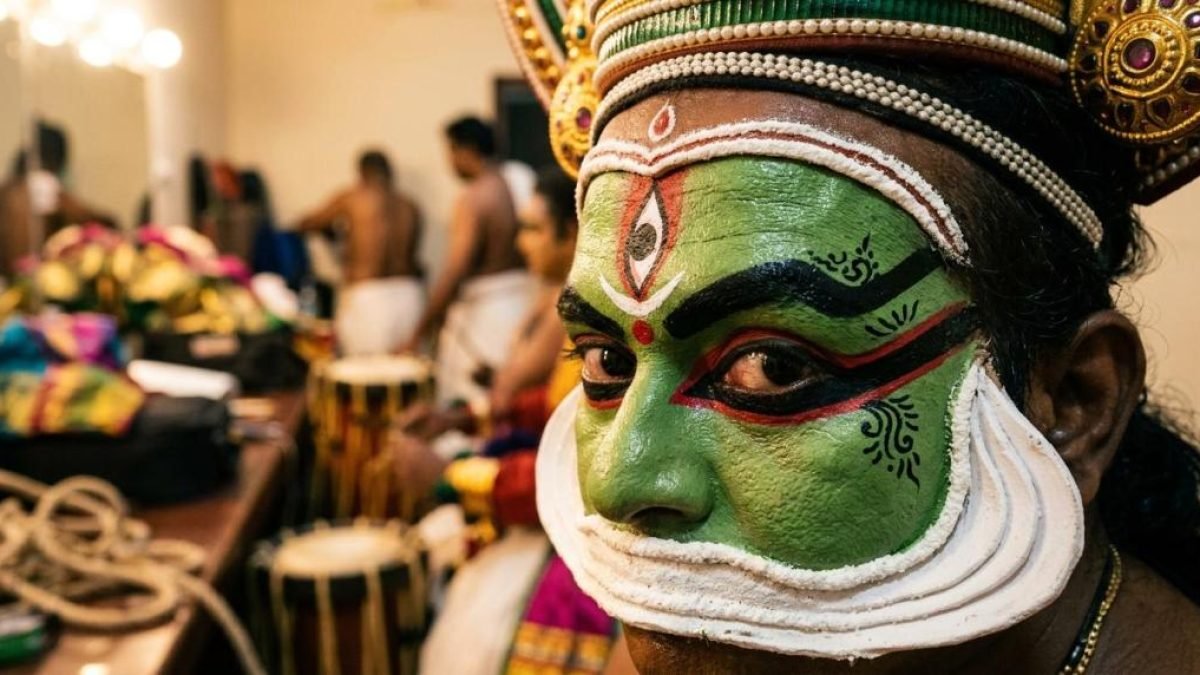
Kozhikode is often described as a cultural and culinary hub of ancient Kerala, and that description still feels accurate. The city is known for hospitality, strong literary associations, and a food culture that has few equals in South India. Malabar cuisine here is not treated as a trend. It is part of daily life, shaped by coast, trade, Muslim culinary traditions, and regional taste.
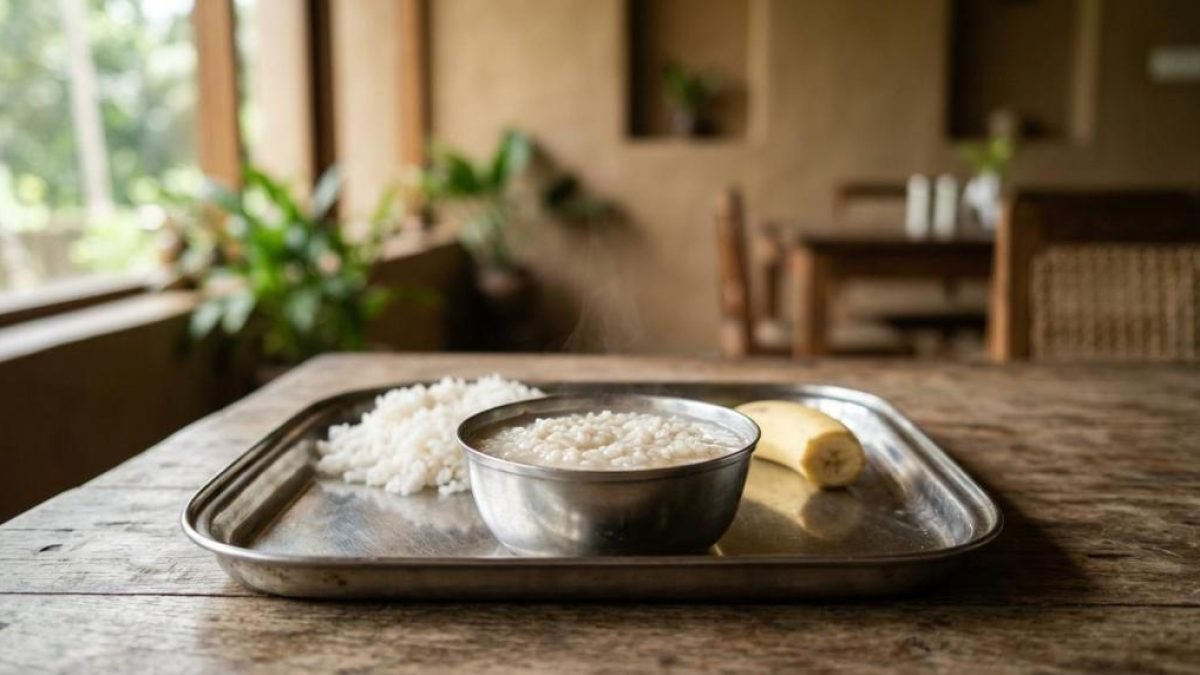
A meal in Kozhikode can say as much about the past as a history lesson. Spice blends hint at maritime exchange. Rice dishes, seafood, snacks, and sweets reflect a city that welcomed influences and made them its own. Travelers often remember Kozhikode through flavor as much as through landscape.
Some of the culinary associations that define the city include:
- Malabar biryani
- seafood meals
- halwa shops
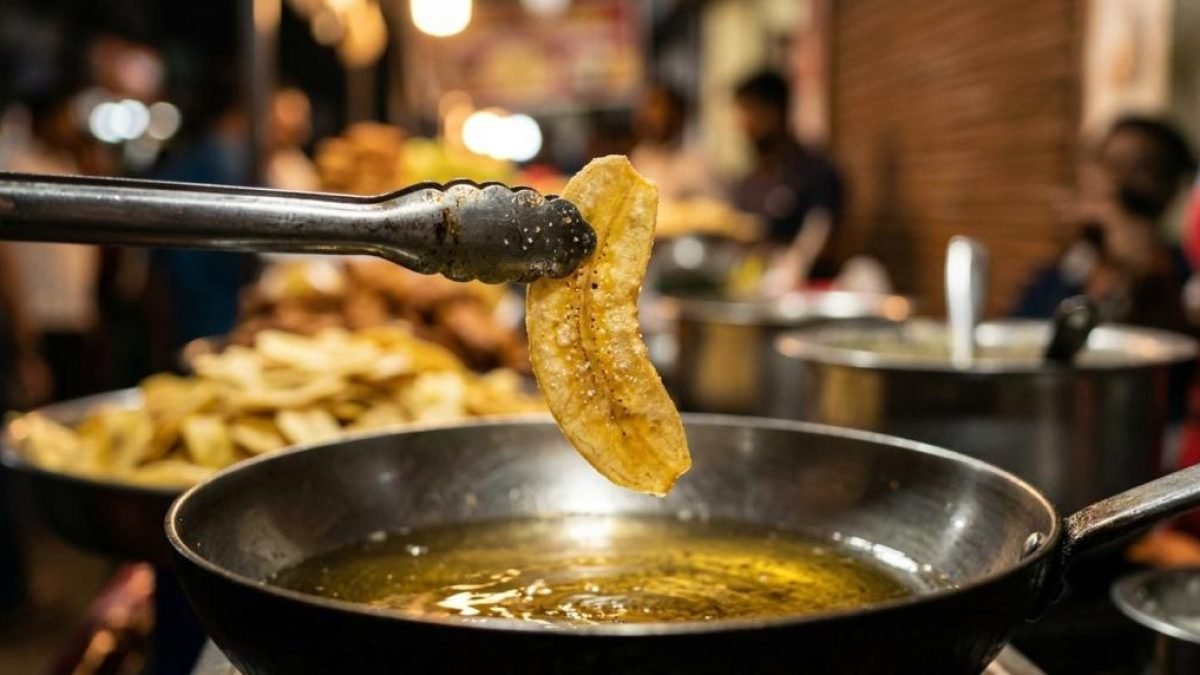
- banana chips
- evening snacks near the beach
Food also helps slow the pace in a good way. Kozhikode is not a place to rush through with a checklist. It rewards long breakfasts, unplanned tea stops, and evenings that stretch into conversation over local specialties.
Kozhikode places to visit along the Malabar Coast
Kozhikode’s appeal is broad rather than dramatic. It is less about one iconic landmark and more about the way several experiences come together: beachside air, old trade memory, busy urban life, and access to the wider Malabar region.
The beachfront remains one of the city’s most approachable spaces. Kozhikode Beach, with its promenade and local crowd, gives visitors a direct sense of how the sea still shapes public life. It is as much a social place as a scenic one. Late afternoons are especially rewarding, when the light softens and the city begins to gather outdoors.
Markets and food streets add another layer. Old commercial areas and local eateries reflect Kozhikode’s working identity, not just its tourist face. Even when the architecture looks modern or mixed, the city’s trading instinct is still present in the movement of goods and people.
A few types of experiences fit especially well in a Kozhikode stay:
- Beachfront time: Sunset walks, casual food stops, and people-watching by the sea
- Historic context: Learning how Calicut shaped Indian Ocean trade and spice routes
- Urban culture: Seeing Kozhikode as a living Kerala city, not only a heritage reference
- Food-led travel: Tasting Malabar cuisine in places where it feels rooted and confident
- Regional access: Using the city as a gateway to the wider Malabar belt and nearby hill areas
Travelers who expect a polished museum-city may be surprised. Kozhikode feels more organic than formal. That is part of its strength.
Best time to visit Kozhikode and what the seasons feel like
Kozhikode can be visited through much of the year, though the experience changes with the weather. Coastal Kerala is warm and humid, and the monsoon gives the landscape a dramatic shift in mood. The best season depends on what kind of trip feels right.
The cooler months, usually from late autumn into early spring, tend to suit most visitors best. Days are still tropical, but the conditions are more comfortable for walking, sightseeing, and combining coastal travel with longer road routes. This is often the most practical period for first-time visitors to Kerala’s northern coast.
The monsoon months bring strong rain, lush scenery, and a more introspective atmosphere. Travelers who enjoy dramatic weather, fewer crowds, and the sensory richness of Kerala in rain may find this period deeply appealing. Beach time becomes less predictable, though the city’s food and cultural texture remain rewarding.
| Season | What travelers can expect |
|---|---|
| October to February | Pleasant travel conditions, easier sightseeing, good for multi-stop itineraries |
| March to May | Warmer days, stronger humidity, better for shorter stays and slower pacing |
| June to September | Monsoon rains, greener surroundings, moodier coastal atmosphere |
Kozhikode in a Kerala itinerary
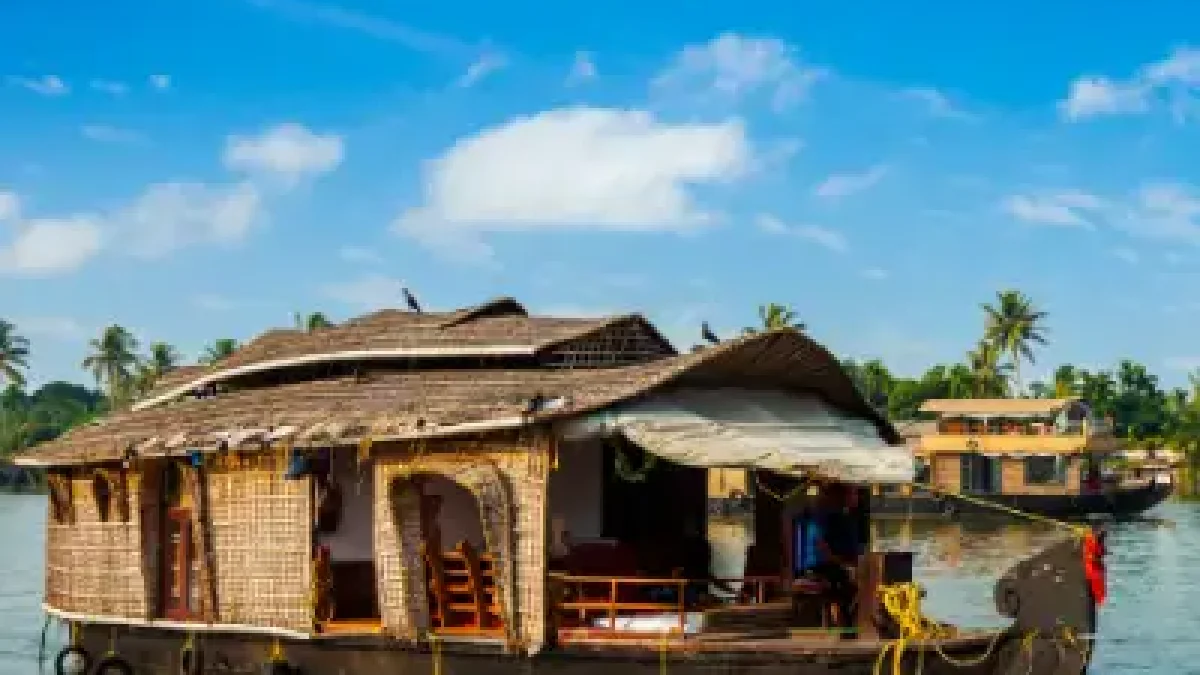
Kozhikode works especially well for travelers who want to see a different face of Kerala. Many classic itineraries focus on Kochi, Munnar, Alleppey, Thekkady, and the southern beaches. Those destinations remain popular for good reason, yet northern Kerala adds another dimension. Kozhikode brings maritime history, a strong food culture, and a city rhythm that contrasts nicely with hill stations and backwaters.
It can be paired with Wayanad for a coast-and-hills combination, or included with Kannur and other Malabar destinations for a more regionally focused route. For travelers continuing into Karnataka or deeper into Tamil Nadu, Kozhikode can also serve as a meaningful transit point rather than just a stopover. Its value grows when the itinerary is shaped around interests, not only famous names.
This is where customized trip planning becomes useful. A traveler interested in cuisine, culture, and trade history may want more time in Kozhikode than someone focused mainly on beaches or wildlife. A family might prefer a comfortable two-night stay with easy sightseeing and local food experiences. A couple planning a broader Kerala trip might use Kozhikode to add depth between highland and coastal segments. Kerala and South India specialists often place Kozhikode within wider tailor-made holidays for exactly this reason: it changes the tone of the trip in a good way.
Different travel styles tend to fit Kozhikode in different ways:
- Couples: A relaxed coastal city break with strong food culture
- Families: Easy urban access, beach time, and manageable sightseeing
- History-focused travelers: A key stop for Malabar trade context and Calicut’s global past
- Multi-destination visitors: A practical addition between Kerala’s coast, hills, and neighboring states
Kozhikode also suits repeat visitors to Kerala. Once the backwaters and tea hills are familiar, the Malabar Coast often becomes the next natural step. It offers a fuller sense of Kerala’s range, from spice history to modern city life, from Arab trade memory to the everyday pleasure of an evening by the sea.
Placed within a wider South India route, Kozhikode adds weight, texture, and perspective. It reminds travelers that Kerala is not one mood or one landscape. It is also a coast of ports, stories, and exchanges, and Kozhikode remains one of its clearest expressions.