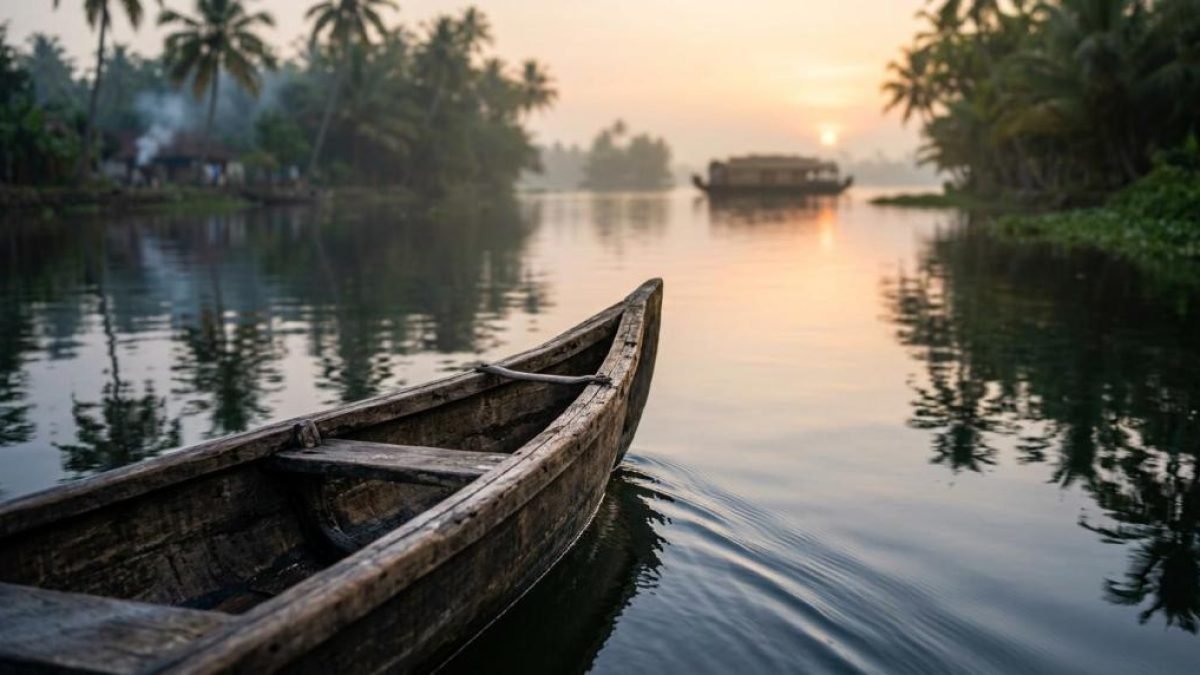
On Kerala’s far northern shoreline, Bekal offers a version of the coast that feels composed rather than crowded. The setting is striking at first glance: a vast fort of red laterite, a sweep of Arabian Sea views, and a landscape where beaches and backwaters sit close to one another. For travelers who want history without sacrificing scenery, Bekal makes an unusually strong case.
What sets the area apart is its pace. Kasaragod does not rush itself. Official travel sources describe Bekal as part of Kerala’s Malabar Coast and present the district as a place where village life, heritage sites, and coastal stretches coexist in a calm, slow-moving rhythm. That quality shapes the whole experience, from a walk along the ramparts to a quiet evening by the shore.
Bekal Fort as a landmark on the North Kerala coast
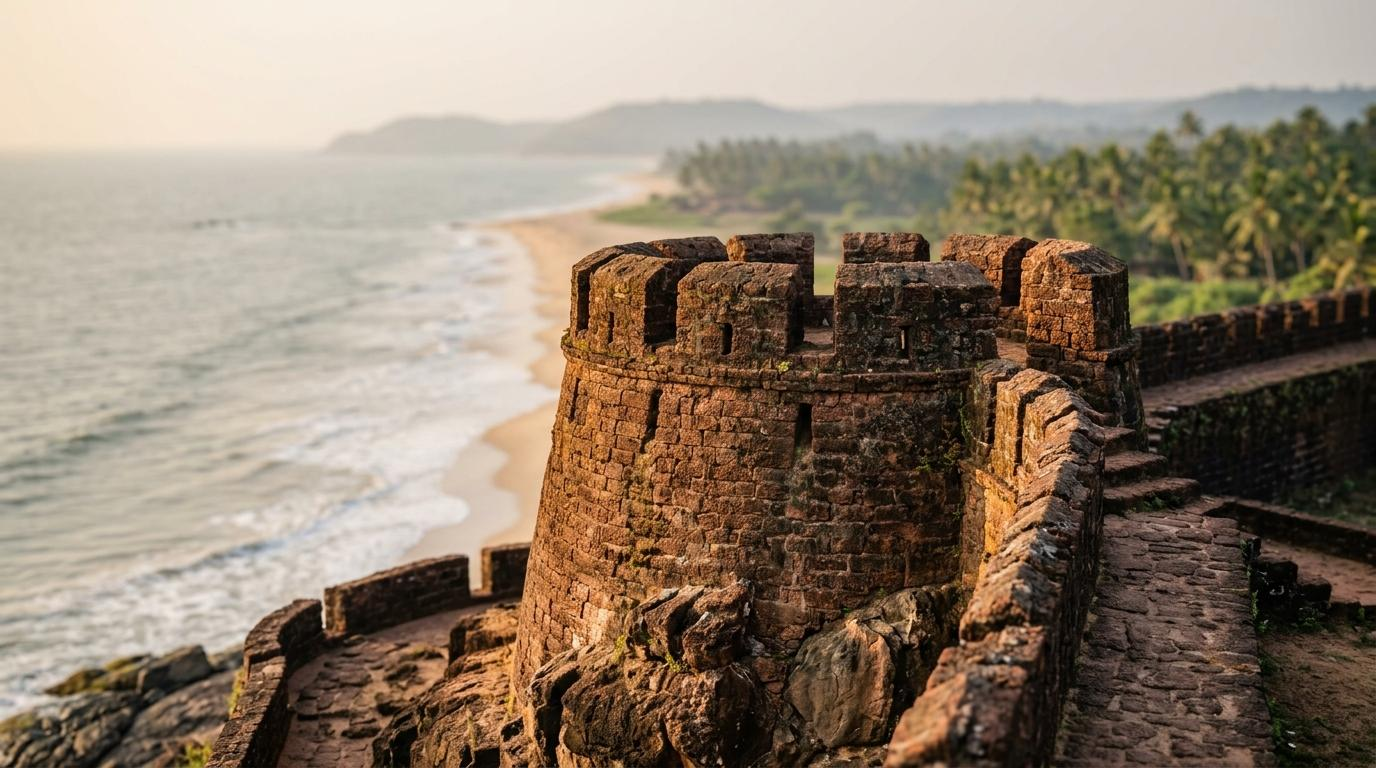
Bekal Fort is widely described by official sources as Kerala’s largest fort, and that label matters the moment you arrive. This is not a small coastal ruin tucked away behind a beach. It is an expansive, commanding structure that still holds visual authority over the landscape. The fort rises above the sea, and its scale gives the coast a strong architectural center.
The site’s position is part of its appeal. Bekal lies in Kasaragod district on the Malabar Coast, and the fort stands close to beaches and backwaters that soften the mood of the visit. Many historical monuments demand a single type of attention. Bekal does not. It appeals to the eye, to curiosity, and to the simple pleasure of being near open water.
One of the most repeated descriptions of the fort is its distinctive keyhole shape. That unusual plan, paired with panoramic sea views, makes Bekal memorable even for travelers who have visited forts elsewhere in India. It has presence from a distance and detail up close.
Bekal rewards unhurried travel.
Bekal Fort history and architecture in Kasaragod
Kerala Tourism attributes the construction of Bekal Fort to Shivappa Nayaka of the Keladi Nayaka dynasty in the mid-17th century. That places the fort within a period when coastal defense, regional power, and maritime awareness all influenced architecture in South India. Even without turning the visit into a history lecture, that background adds weight to the site.
The material character of the fort is just as compelling as its timeline. Official descriptions refer to it as a laterite structure, and the reddish stone gives Bekal a visual identity closely tied to Kerala’s coastal terrain. Rather than appearing imported into the landscape, the fort looks as though it rose out of it.
The district administration describes the fort as spreading over about 40 acres, which helps explain why it feels more like a fortified landscape than a single monument. Incredible India notes that it rises around 130 feet above sea level. That elevation matters. It sharpens the sense of watchfulness that defines so many great coastal forts, while also creating broad views over the Arabian Sea.
A short architectural summary helps frame what visitors notice on site:
| Bekal Fort feature | Why it matters during a visit |
|---|---|
| Large laterite construction | Gives the fort its warm red tone and durable coastal character |
| Keyhole-shaped layout | Makes the structure visually distinctive and easy to remember |
| Elevated sea-facing position | Opens up wide views across the Arabian Sea |
| Extensive grounds | Allows time for walking, pausing, and taking in different vantage points |
| Strong state of preservation | Makes the site easier to appreciate beyond archaeology alone |
That state of preservation is a major part of Bekal’s appeal. Official sources regularly describe it as one of Kerala’s best-preserved coastal forts. For travelers, that means the experience remains legible. You do not need to imagine everything from fragments. The fort still communicates its design and purpose with clarity.
Bekal beaches, backwaters, and coastal experiences near the fort
A fort alone would make Bekal notable. The coastal setting turns it into a fuller destination. The nearby beach gives the monument breathing room, and the meeting of stone, sky, and surf creates one of the most photogenic scenes on the Kerala coast. This combination of heritage and shoreline is one reason Bekal works so well for couples, families, and travelers building a slower North Kerala itinerary.
The appeal is also emotional. Some coastal landmarks feel busy even when they are beautiful. Bekal often feels spacious. There is room to look outward, to linger, and to absorb the setting without being pushed along by crowds. For many visitors, that is the real luxury here.
The area is worth visiting for more than a quick photo stop. A well-paced visit can include the fort, time by the beach, and a drive through the greener stretches around Kasaragod where water and land weave together in a gentler pattern than many travelers expect from a fort destination.
A few moments tend to stand out most strongly:
- Rampart views at sunset
- Sea breeze along the fort walls
- Beach walks near the monument
- Backwater scenery in the wider Bekal area
- Quiet, open coastal light for photography
North Kerala culture and the quieter character of Kasaragod
Bekal makes even more sense when seen as part of North Kerala rather than as an isolated stop. The far north of the state has a distinct texture, shaped by coastal settlements, old shrines, regional food traditions, and ritual performance. Official travel material on Kasaragod points to Theyyam as part of the district’s cultural identity, which is a useful reminder that this region offers more than scenic value.
That broader context changes how a traveler reads Bekal Fort. It stops being only a monument and becomes an anchor point in a region where heritage still feels connected to lived culture. A visit here can pair naturally with local temple architecture, Theyyam-linked seasonal travel in North Kerala, and quieter stretches of coast that are less publicized than Kerala’s southern beach circuit.
There is also a practical advantage to this quieter identity. Travelers who want famous icons often focus on Munnar, Alleppey, Kochi, or Kovalam first. Bekal sits outside that usual sequence. That makes it ideal for people who prefer places that are substantial and beautiful without feeling overrun.
This difference becomes even clearer in the kind of trip Bekal supports:
- For heritage travelers: A major fort with strong historical presence and clear architectural character
- For beach lovers: A sea-facing destination where history and shoreline meet naturally
- For photographers: Strong light, textured stone, open horizons, and dramatic coastal framing
- For slower itineraries: A calmer alternative to high-traffic beach towns
- For North Kerala planners: A natural base for adding Kasaragod and Kannur region experiences
Reaching Bekal Fort and building a North Kerala itinerary
Bekal is located in Pallikera village in Hosdurg Taluk of Kasaragod district. The district administration notes that it is about 65 kilometers from Mangalore city, which makes it accessible not only from within Kerala but also from the Karnataka side. That geographic position is one reason Bekal works well in cross-border coastal itineraries.
Rail access is straightforward. Official district information identifies Kasargod and Kanhangad as the closest major railway stations, each roughly 12 kilometers away. For air travel, North Kerala itineraries often use Kannur as the most practical airport option, while some travelers also route themselves through Mangalore depending on the broader plan.
Travel logistics become easier when viewed in terms of style rather than distance alone:
| Travel option | What to expect |
|---|---|
| From Mangalore by road | A convenient approach for travelers arriving from coastal Karnataka |
| From Kasargod station | Short transfer with easy access to the Bekal area |
| From Kanhangad station | Another practical rail entry point close to the fort |
| From Kannur airport region | Useful for a wider North Kerala holiday with multiple stops |
A good Bekal plan usually benefits from restraint. Trying to squeeze the fort into a hurried day with long road transfers can flatten the experience. One or two nights in the area gives the coast time to register properly, especially if the trip includes a beach stay or onward travel through North Kerala.
Here is a simple way to think about pacing:
- Arrive by midday and keep the first evening light, with a beachside walk or relaxed fort visit.
- Use the next morning for a fuller look at Bekal Fort and nearby coastal scenery.
- Continue toward Kasaragod, Kannur, or another North Kerala stop instead of doubling back too quickly.
Best trip ideas for Bekal Fort and the North Kerala coast
Bekal fits many travel styles, though it is especially strong in itineraries that value atmosphere and design. Couples often appreciate the sea-facing setting and the calmer pace. Solo travelers who prefer reflective destinations often find Bekal pleasantly self-contained. Families tend to like the open space and the blend of history with easy outdoor time.
It also works very well as part of a larger South India route. A customized itinerary might place Bekal after coastal Karnataka, or combine it with Kannur’s cultural depth and North Kerala’s distinctive ritual and culinary traditions. Travelers interested in a more refined coastal holiday can pair the fort with carefully selected stays that foreground privacy, comfort, and access to the shoreline.
What matters most is not trying to make Bekal imitate better-known Kerala circuits. Its strength lies in being exactly what it is: a commanding sea fort in Kasaragod, shaped by history, open to the Arabian Sea, and surrounded by a coast that still feels measured and genuine. That combination is rare enough to shape an entire trip around.