Some hillstation destinations announce themselves with traffic, packed viewpoints, and a long list of things to tick off. Vagamon offers a different kind of mountain break. Set near the Kottayam-Idukki border in Kerala, within the lush biodiversity of the western ghats, it is known for cool weather, grassy slopes, pine forests, and a calm that feels increasingly rare.
At about 1,100 meters above sea level, Vagamon has the climate and scenery many travelers want from Kerala’s highlands without the constant rush of a busier resort town. Official Kerala Tourism descriptions focus on its undulating grassy hills, scattered tea plantations, and pine valleys, and that picture holds up well on the ground. This is a place for long views, unhurried mornings, and outdoor time that does not need a tight schedule to feel rewarding.
Why Vagamon stands out among Kerala hill stations
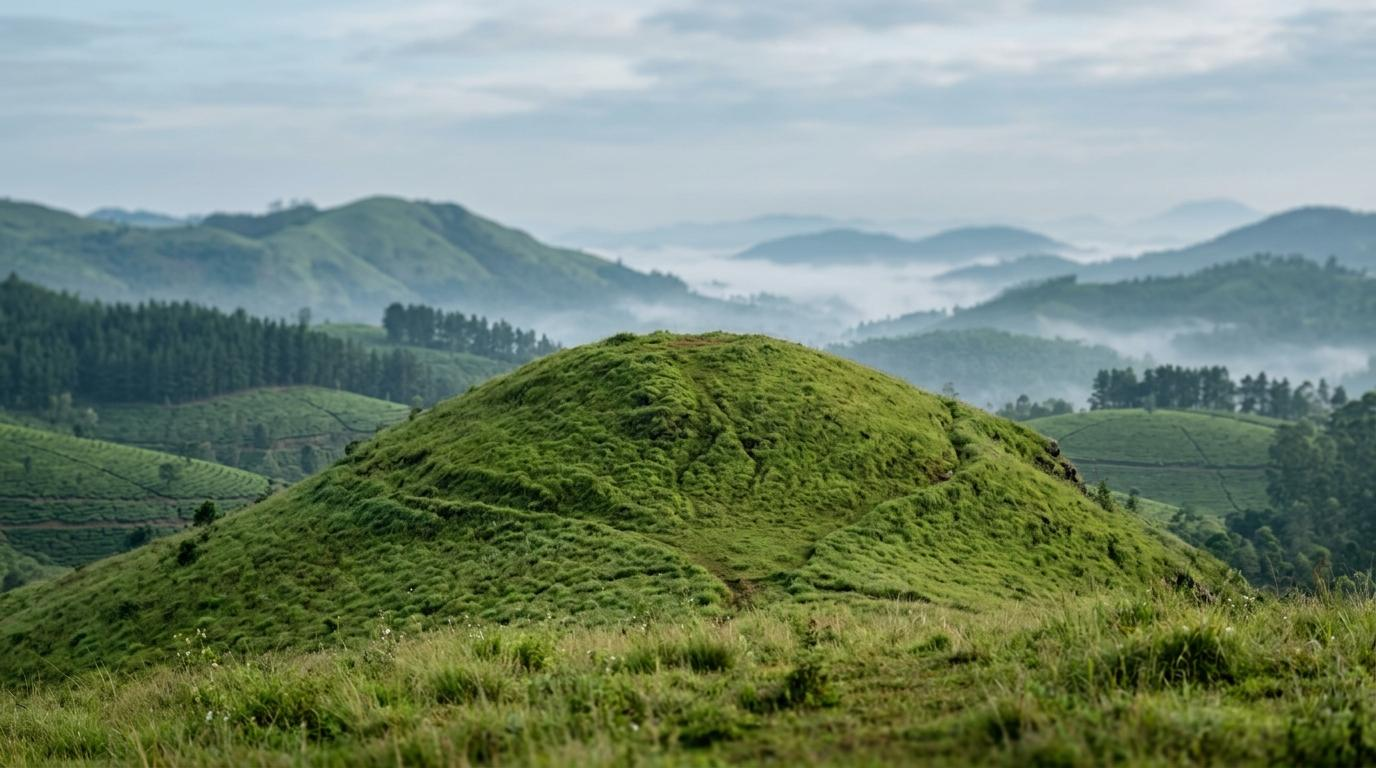
Vagamon has earned a quiet reputation as one of Kerala’s most peaceful hill stations. While better-known mountain destinations often come with heavier traffic and denser commercial areas, Vagamon still feels open. The land seems to breathe here. Hills roll softly into meadows, mist hangs low over valleys, and the built-up stretches rarely dominate the landscape.
That sense of space matters. It changes the way a trip feels. Travelers are not rushing from one crowded stop to another. They are pausing, sitting longer at viewpoints, and noticing how the light moves across the grass. Even a short stay can feel restorative.
Kerala Tourism has at times referred to Vagamon as the “Scotland of Kerala,” a nickname tied to its meadows and rolling terrain. Nicknames can be overused, yet the comparison makes sense when the hills open into broad green sweeps rather than dense forest alone. Vagamon is not dramatic in a harsh, jagged way. Its appeal is softer, greener, and more grounded.
After a few hours here, the mood of the place becomes clear:
- rolling meadows
- pine-covered slopes
- cool, breathable air
- scattered tea estates
- less crowded viewpoints
Best Vagamon landscapes, viewpoints, and forest areas
The first image many people carry home from Vagamon is the grassland itself. Kerala Tourism highlights the contrast between the rugged northern stretches and the rolling grasslands to the south, and that changing terrain gives the destination much of its character. One road bend might reveal a sharp drop into mist; the next opens onto a rounded hill that seems made for slow walks.
Pine forests add another visual layer. These stands of tall trees create a mood that feels distinct from other Kerala hill landscapes, especially when light filters through the trunks in the early morning or late afternoon. They are popular with travelers who enjoy photography, short walks, or simply a cool shaded break from the open hills.
Tea plantations help complete the classic Vagamon setting, along with unique spiritual retreats like the Kurisumala Ashram that offer serene experiences amidst nature. They are not presented as grand spectacle here. Instead, they blend into the wider mountain scene, softening slopes with patterned green lines and adding to the region’s lived-in, agricultural feel. Rustic hamlets and plantation patches give Vagamon a human scale that suits its slower rhythm.
Kolahalamedu is often mentioned alongside Vagamon’s outdoor appeal, especially for its scenic views, wide vistas, and adventure activities. It captures what many visitors come for: open sky, wind, elevated ridges, and a landscape that feels uncluttered. If the weather is clear, simply standing still here can be one of the best parts of the day.
A few landscape features define Vagamon more than any single monument:
- Grass hills: broad, walkable slopes with panoramic views reminiscent of the rolling landscapes of the western ghats
- Pine valleys: cooler shaded pockets with a striking mountain atmosphere
- Tea-covered edges: cultivated green stretches that soften the terrain
- View ridges at Kolahalamedu: open highland vistas and activity zones
Thangal Hill, Murugan Hill, and Kurisumala in Vagamon
Vagamon is not only about scenery. Its cultural identity is also shaped by a trio of prominent spiritual sites: Thangal Hill, Murugan Hill, and Kurisumala. Kerala Tourism links all three to the destination’s distinct character, and together they give Vagamon a rare multi-faith presence within a compact highland setting.
Thangal Hill is associated with a Muslim saint and is valued both for its spiritual significance and its setting. Murugan Hill, centered on the Hindu deity Murugan, brings another devotional layer to the area. Kurisumala, known for its spiritual atmosphere, is home to the famous Kurisumala Ashram, and it completes this landscape of shared sacred geography.
That mix changes the tone of a visit.
Rather than feeling like a hill station built only for leisure, Vagamon carries a sense of continuity between local faith, mountain paths, and daily life. Even travelers who are not visiting for pilgrimage often find these sites meaningful because they connect the terrain to story, memory, and community. The hills are not just scenic backdrops. They are places people return to with purpose.
Adventure activities in Vagamon for active travelers
Vagamon’s calm surface hides a more energetic side. Official tourism sources connect the area with trekking, paragliding, mountaineering, mountain biking, and rock climbing. This combination is one reason Vagamon appeals to a wide range of travelers. A couple may come for cool weather and views, while another visitor may choose it mainly for outdoor sport.
Paragliding has become one of the destination’s best-known draws, and Vagamon is often presented as one of Kerala’s notable locations for the activity. The landscape suits it well: open hills, wide launch views, and a sense of flight over layered green valleys. Conditions and availability depend on weather and local operations, so advance planning is wise during peak travel periods.
Trekking and biking fit naturally into the terrain. The area’s ridges, slopes, and meadow paths create a setting where physical effort is rewarded quickly with scenery. Rock climbing and related adventure options add a stronger challenge for travelers who want more than gentle walks.
Many visitors choose Vagamon because it lets them set their own pace:
- Paragliding: aerial views and a memorable high-adrenaline experience
- Trekking: hill walks ranging from light outings to more active climbs
- Mountain biking: a strong option for travelers who enjoy rougher terrain
- Rock climbing: suitable for adventure-focused itineraries where local arrangements are available
Vagamon weather and the best time to visit
Climate is a major part of Vagamon’s appeal. Kerala Tourism places summer temperatures around 13°C to 24°C and winter temperatures around 9°C to 15°C. That means the destination stays pleasantly cool by South Indian standards, especially compared with the plains. Even when the rest of Kerala feels warm, Vagamon often remains comfortable for daytime outings.
The monsoon gives the hills a richer green tone, though it also brings wetter roads, mistier visibility, and more weather-related unpredictability. Travelers who want crisp views and outdoor movement usually prefer the drier months. Those who want a softer, moodier hill experience may enjoy the rains.
Here is a practical season-by-season view:
| Season | What to expect | Good for |
|---|---|---|
| Summer | Cool to mild weather, generally pleasant days | Sightseeing, relaxed hill stays, couples and families |
| Monsoon | Lush scenery, mist, frequent rain, dramatic cloud movement | Rain lovers, quiet stays, photography |
| Winter | Chilly mornings and evenings, clearer air, comfortable days | Trekking, viewpoints, longer outdoor time |
A light jacket is worth packing at most times of year, especially for early mornings, sunset hours, and windy ridge points.
How to plan a Vagamon trip in Kerala
Vagamon, nestled in the western ghats, works especially well as a one- or two-night highland stay, though a longer visit can suit travelers who prefer slow travel. It can be included in a broader Kerala route that also features backwaters, wildlife regions, or other hill destinations. Because the setting itself is the attraction, many itineraries do not need to be crowded with stops. A balanced plan often feels better here than an ambitious one.
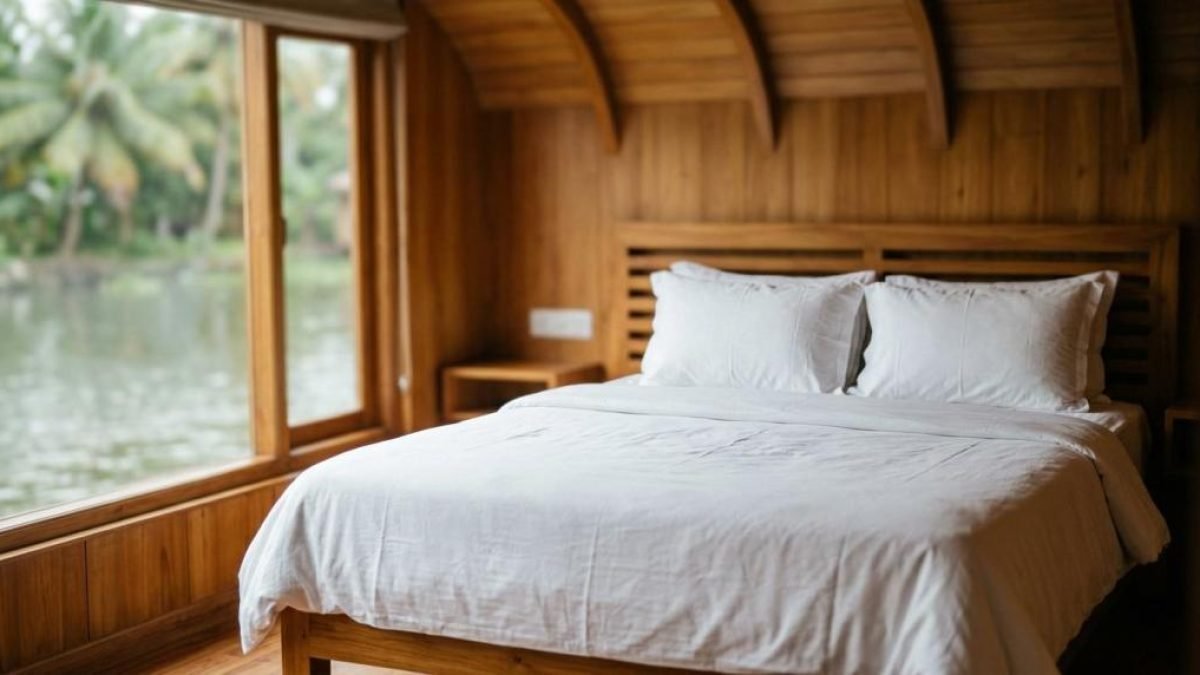
Accommodation style matters. A hillside stay with open views can shape the whole experience, especially if the plan includes quiet mornings, reading time, or simply sitting outside with tea and watching the mist shift. Chauffeur-driven travel is often a good fit for Vagamon because the approach roads are winding and the best experience comes from being able to stop, pause, and take in the views without rushing.
For a smoother visit, a few planning choices help:
- arrive before dark if possible
- keep one flexible half-day for weather changes
- wear shoes suitable for wet grass and uneven ground
- leave room for unplanned viewpoint stops
Travelers with different priorities can shape Vagamon in very different ways:
- Couples: quiet stays, scenic drives, sunset viewpoints
- Families: gentle walks, open spaces, short outdoor sessions
- Solo travelers: reading retreats, photography, trekking, reflective downtime
- Adventure groups: paragliding, biking, climbing, active hill routes
What makes Vagamon memorable is not a single monument or a packed schedule. It is the way the hills open up, the way the air cools as you climb, and the way time seems to slow once you arrive. For travelers looking for a Kerala hill station that pairs peace with outdoor possibility, Vagamon makes a very strong case.
Frequently Asked Questions about Vagamon
Nestled in the serene embrace of Kerala’s Western Ghats, Vagamon is a hidden gem where tranquility meets adventure. Here, we address common inquiries to make planning your visit both enjoyable and seamless.
What makes Vagamon unique compared to other hill stations in Kerala?
Unlike busier destinations, Vagamon offers a peaceful retreat with its lush grasslands, pine forests, and gentle slopes, providing an experience that’s refreshingly serene.
What are the key attractions one should not miss in Vagamon?
Be sure to explore the rolling grass hills, pine valleys, picturesque tea estates, and the spiritual sites like Thangal Hill and Kurisumala.
What adventure activities are available in Vagamon?
Vagamon caters to adventure enthusiasts with activities like paragliding, trekking, mountain biking, and rock climbing.
When is the best time to visit Vagamon?
The ideal time to visit is during the summer for the cool climate or in winter for clearer views. Monsoon lovers will appreciate its lush, misty allure.
What should I pack for a trip to Vagamon?
Pack a light jacket for chilly mornings and evenings, along with shoes suited for wet grass and uneven terrain.
How should I plan my stay in Vagamon?
Consider a one- or two-night stay, prioritizing open-view accommodations for a tranquil experience, and plan for flexible scheduling to accommodate the weather.
Is Vagamon suitable for all types of travelers?
Yes, Vagamon caters to a variety of travelers including couples seeking quiet retreats, families looking for gentle adventures, solo trekkers, and groups eager for thrilling activities.