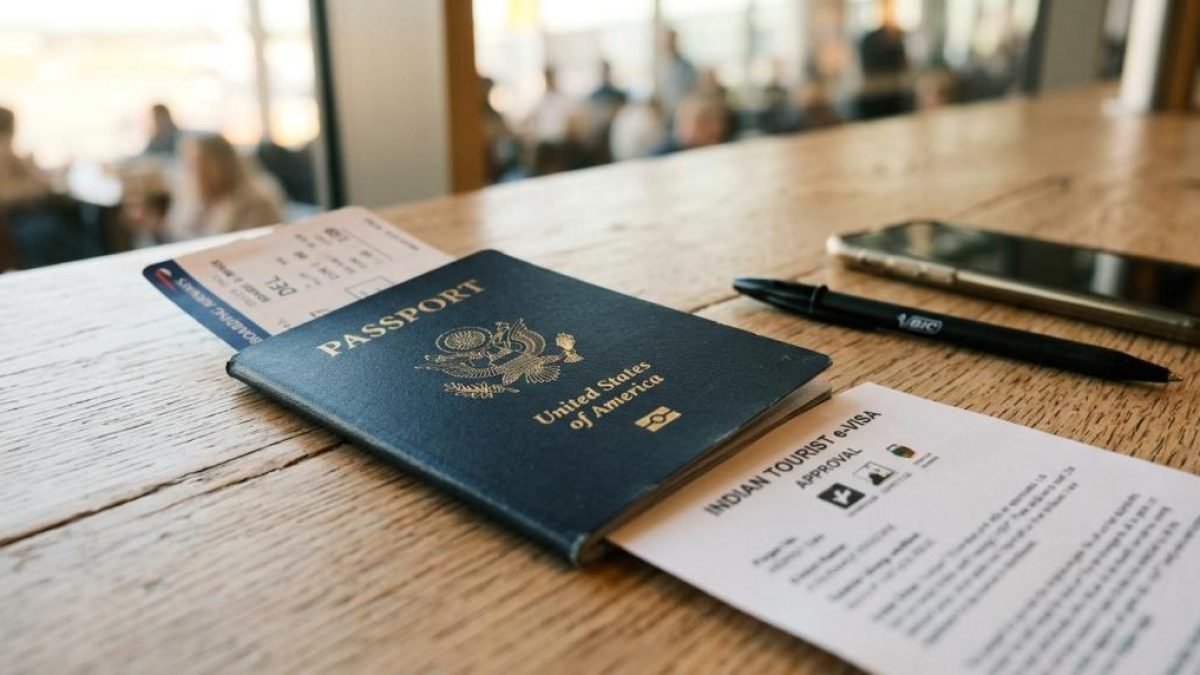
Sending money to a tour operator in another country can feel like the most uncertain part of trip planning. You may already be excited about backwaters, hill stations, temple towns, or a private houseboat stay in Kerala, yet the payment step raises a very practical question: how do you pay safely when you are abroad?
The good news is that safe and secure payments are less about luck and more about process. A reliable operator should be comfortable with documented pricing, formal payment channels, identity checks, and clear timelines. When those pieces are in place, the booking feels far more solid.
The holiday season often prompts a surge in travel bookings, with many eager to secure their dream destinations for vacations. This period, however, also requires more diligent checks on operators due to increased demand and competitive offerings. Ensuring safe payment and confirming the credibility of tour operators can safeguard your holiday plans, avoiding unnecessary stress and potential financial mishaps down the line.
For overseas travelers, the safest pattern is simple: get the trip details in writing, verify the business identity, use an authorized payment route, and choose a card-based payment when possible because it usually gives stronger dispute rights than a wire transfer.
Why safe payment matters for Kerala tour bookings
A South India itinerary often includes many moving parts, especially during the holiday season. Hotels, transport, guides, entry tickets, houseboats, internal transfers, and seasonal reservations may all sit inside one package. That means your advance payment is not just securing one room or one car. It may be supporting a chain of bookings.
That is why understanding how to pay a Kerala tour operator or a travel agency safely should be treated as part of trip design, not as a last-minute admin task.
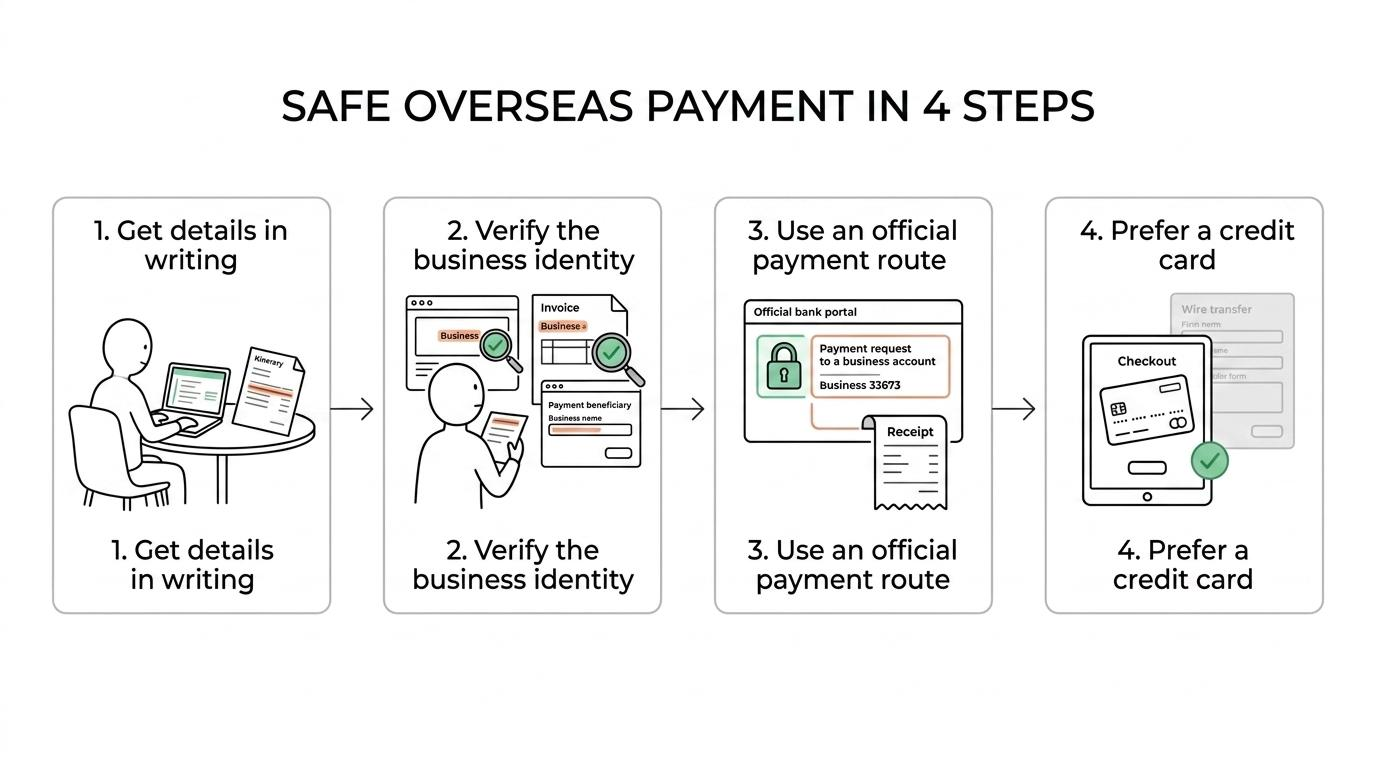
A trustworthy booking process protects both sides. The traveler gets clarity on what is being purchased, what the cancellation terms are, and where the money is going. The operator gets a confirmed deposit and a clear record of services agreed in advance. When the documentation is strong, misunderstandings drop sharply.
Start with a written Kerala tour quote and GST tax invoice details
Before you send any money, ask for the itinerary and pricing in writing. That can be a formal quotation, a booking summary, or a payment request document that clearly lists the travel dates, names of travelers, included services, exclusions, total cost, advance required, and due dates for later payments.
Some Kerala tour companies, particularly those based in Kochi, publish their standard payment terms openly. Troper Tours, as one example, states that it accepts bank transfer, UPI, and major cards; usually requires a 50% advance to confirm a booking; and asks for the balance 14 days before departure, while noting that international bookings may follow different terms. That kind of transparency is helpful because it sets expectations before money changes hands.
For invoice verification, Indian GST rules are useful. A proper tax invoice should show the supplier’s name, address, and GSTIN, along with a unique invoice number and the date of issue. Depending on the transaction, recipient details may also appear. These basics do not prove quality by themselves, but they give you real identifiers to check.
After you have a written quote, review these invoice elements carefully:
- Supplier identity: legal business name, address, and contact information
- GST details: GSTIN shown clearly and consistently across documents
- Invoice controls: unique invoice number and issue date
- Trip reference: traveler name, travel dates, destination, and package details
- Payment trail: amount due, currency, due date, and payment method offered
If a company says the final invoice or voucher is issued after full payment, ask for a provisional booking document or formal quotation before paying the advance. That keeps your payment tied to a clear record.
Verify the Kerala tour operator before sending an advance
A polished website alone is not enough. Safe payment starts with identity matching.
Check whether the business name on the website matches the name on the invoice, the beneficiary name for payment, and any customer communications. If the company asks you to pay a personal account when the invoice shows a registered business, pause immediately and ask for clarification in writing.
You should also compare the payment instructions with the original communication channel. If you received a quote from an official business email, but the payment request arrives through a different personal email or a chat message with altered bank details, treat that as a serious risk signal. Payment redirection scams often begin with a small change that seems harmless.
A few warning signs deserve extra caution:
- changing bank details at the last minute
- pressure to pay immediately to “hold” the trip
- requests for payment to a personal name
- no GSTIN or invoice number
- vague package inclusions
- refusal to confirm terms by email
This is also the point where responsiveness matters. A professional operator or travel agency should answer questions about payment timing, refund policy, booking confirmation, and supplier credentials without becoming defensive, and should also advise on how to pay Kerala tour operator safely.
When planning a holiday, payment security becomes even more essential. Travelers should ensure they understand the secure payments options, along with payment terms and protections available when booking their dream getaway, as holiday packages often involve significant up-front costs. Being aware of the safest payment methods can help avoid potential financial losses and ensure that the holiday remains a source of enjoyment rather than stress.
Compare payment methods for overseas Kerala tour payments
Not every payment method offers the same level of protection. If you are paying from abroad, the method you choose can matter almost as much as the operator you choose.
US consumer guidance from the FTC is particularly clear on one point: credit cards generally offer stronger dispute protections for billing errors and for charges tied to goods or services not delivered as agreed. The FTC also notes that federal law limits responsibility for unauthorized credit card charges to $50, and cardholders should review statements quickly to catch problems.
By contrast, wire transfers are usually much harder to reverse. FTC guidance warns that wired money often has no easy route back once sent, and it does not come with the same protections as credit cards.
Here is a practical comparison:
| Payment method | Protection level | Best use case | What to verify first |
|---|---|---|---|
| Major credit card | Stronger dispute rights for many travelers, especially US-issued cards | Deposits and full package payments when the operator supports card billing | Merchant name, amount, currency, surcharge, booking terms |
| Bank transfer | Lower protection, often hard to reverse once sent | Large custom trips where transfer is the only formal option | Beneficiary name, bank account details, invoice match, written confirmation |
| UPI | Useful inside India, but not always practical for overseas travelers | Payments by travelers who already have compatible access | Recipient ID, business identity, screenshot of request, written receipt |
If a tour operator offers both cards and wire transfer, many travelers will feel more comfortable using a card for at least the deposit. Even when a card carries a processing fee, that extra cost may be worth the added protection.
Use card protections wisely and treat wire transfers with care
A credit card is not a magic shield, but it gives you a better position if something goes wrong. The key is to keep the transaction well documented. Save the itinerary, quote, payment link, invoice, card receipt, and all email confirmations. If a dispute ever becomes necessary, those records matter.
The FTC’s guidance on billing errors is valuable here. If a charge appears incorrect, unauthorized, or tied to services that were not delivered as agreed, cardholders may have rights under the Fair Credit Billing Act. That is one reason card payment is often the safer choice for cross-border travel bookings.
Wire transfer calls for more discipline. If you must use one, send funds only after you have checked every detail against the booking documents. Confirm the beneficiary name and bank information directly with the operator using an established business contact, not a forwarded message or a new phone number. If you suspect fraud after sending a wire, the FTC advises contacting the bank or transfer company immediately to ask whether it can be reversed.
A good rule is simple: use formal, traceable channels and avoid off-book arrangements. RBI guidance around foreign exchange transactions points people toward authorized channels and permitted routes. In practice, that means documented bank payments, recognized card processing, and official business payment requests, not informal side instructions.
Match the payment schedule to booking milestones
Payment timing also tells you a lot about how organized an operator is, especially during peak holiday seasons when demand is high. A staged schedule is common in travel because hotels and transport providers often need deposits. That is normal.
What matters is whether the schedule is clear and linked to milestones. If the operator asks for a 50% advance, you should know exactly what that deposit secures, when the balance is due, and when confirmation documents are issued. Troper Tours, for example, states a 50% advance and balance due 14 days before departure as its standard structure, while noting that international bookings may vary.
Ask these questions before paying:
- What does the advance confirm: hotel holds, vehicle reservation, houseboat, guides, or the full package
- When is the balance due: fixed date, days before arrival, or after final confirmations
- What do I receive after payment: receipt, booking confirmation, voucher, or supplier list
- What happens if dates change: amendment fees, refund rules, or seasonal price revisions
A serious operator should be able to answer each of those points cleanly. In other sectors, the same verification discipline appears in formal due-diligence frameworks; for example, LEI Prices explains how entity data supports counterparty due diligence and KYC by making it easier to match a business name to a traceable legal identity. If the answers keep changing, wait.
Keep records after payment and review statements promptly
Once you have paid for your holiday, your job is not over. Save every document in one folder: quote, itinerary, invoice, GST details, card slip or wire receipt, booking confirmation, and the final voucher when it arrives. Organized records reduce stress and make pre-arrival checks much easier.
Booking a holiday is an exciting experience and signifies the commencement of your travel journey. Ensuring that your holiday plans are well-organized and thoroughly documented is crucial to avoid any potential issues. This includes maintaining a record of all transactions related to your holiday, from initial booking to final payment. A well-documented process simplifies any possible disputes and confirms the services you have paid for during your cherished holiday time.
If you paid by card, review your statement promptly. The FTC advises consumers to check statements quickly for unauthorized charges or errors. This matters even more with international travel payments, where merchant descriptors may look slightly different from the trading name on the website.
It also helps to confirm one final time that the amount charged matches the invoice currency and total. Exchange rate movement can affect what appears on your statement, but the base charge itself should still match the agreed figure.
Before your departure date, run through this short payment safety check:
- invoice matches the operator’s legal identity
- GSTIN and invoice number are present
- payment went through an official channel
- deposit amount matches the written quote
- balance due date is documented
- receipt or confirmation has been received
- final booking voucher has been reviewed carefully
That last step matters more than many travelers expect. A booking voucher is where names, dates, room categories, pickup points, and service inclusions become operational. Reading it carefully is one of the safest payment habits you can build, because it links the money you sent to the trip you are actually about to take.
FAQ on Safe Payment for Kerala Tour Operators
Navigating the intricacies of sending payments abroad can be a daunting task, especially when it involves multiple services wrapped in one itinerary; learning how to pay Kerala tour operator safely is essential to ensure a smooth transaction. Here, we concisely address common questions related to safely paying a Kochi-based Kerala tour operator from overseas.
How can I verify a Kerala tour operator before payment?
Request a formal quotation from the travel agency and GST tax invoice, ensuring business identity and payment details match those provided by the operator.
Which payment method is the safest for overseas Kerala tour bookings?
A major credit card is recommended due to its stronger dispute rights, offering protection for international transactions.
What red flags should I watch out for when sending payments?
Be cautious of last-minute changes to bank details, pressure for immediate payment, and requests for payment to a personal account.
How do I ensure my payment is traced and protected?
Use documented payment channels, ensure secure payments, avoid informal arrangements, and maintain organized records of all transaction-related documents.
Why is it important to match payment schedules to booking milestones?
Linking your payment schedule to specific booking milestones ensures clarity and confirms what each payment secures within your itinerary.
What should I do after making a payment?
Promptly review bank statements to verify charges, ensure records match with the invoice and save all relevant documents in a dedicated folder.