Kerala rewards careful travel.
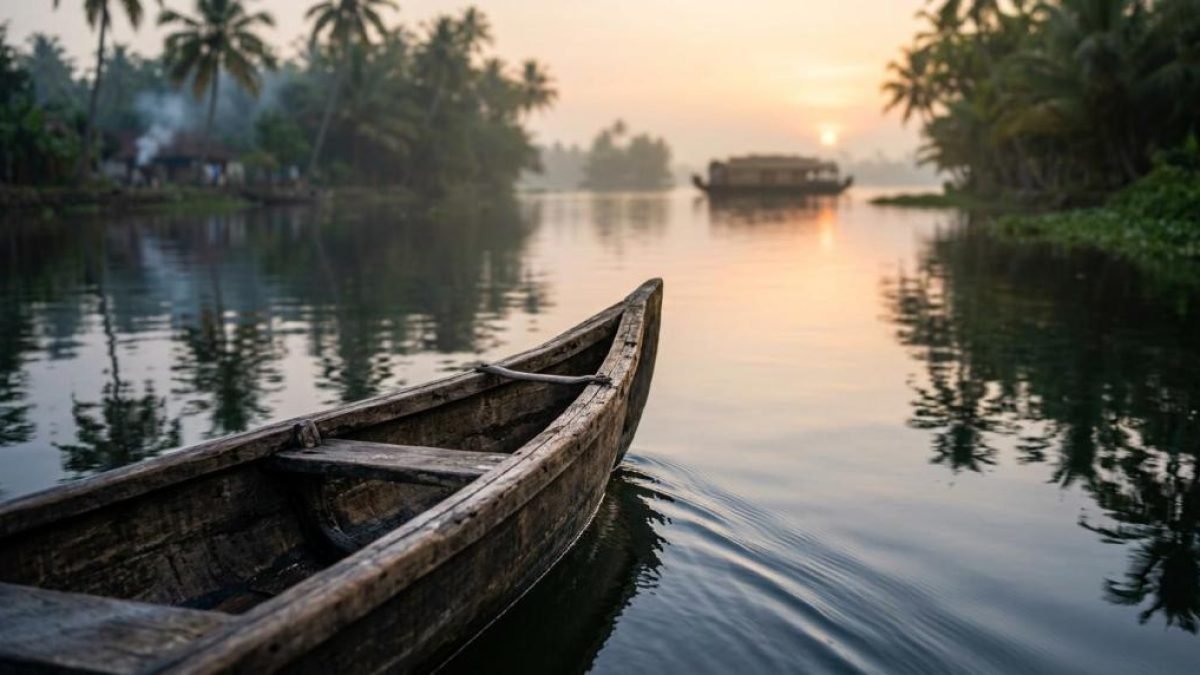
Its backwaters, rain-fed hills, village economies, sacred spaces, wildlife habitats, and art traditions are deeply connected to daily life. A holiday here is never only about scenery. It also touches livelihoods, local culture, and fragile natural systems. That is why responsible tourism matters so much in Kerala, and why it should be part of how a tour operator plans every stay, route, activity, and guest interaction.
At Troper Tours, responsible tourism is not treated as a marketing phrase but as part of our mission to deliver meaningful travel experiences. It is a practical commitment that shapes tailor-made holidays across Kerala and South India. That commitment draws from Kerala’s own responsible tourism framework, which is built on three connected duties: economic responsibility, socio-cultural responsibility, and environmental responsibility. When those three work together, travel creates value for guests and for the places that welcome them.
Responsible tourism in Kerala and the state framework
Kerala, including its vibrant district of Kannur and the picturesque hill station of Munnar, has one of the clearest responsible tourism models in India. The state’s approach has roots in early pilot destinations including Kumarakom, Kovalam, Thekkady, and Vythiri, and it later expanded through the Responsible Tourism Mission. The core idea is simple and strong: tourism should support local people, respect culture, and protect the environment at the same time.
Munnar, a picturesque hill station in Kerala, exemplifies the harmonious blend of responsible tourism with nature’s splendor. As a popular destination known for its stunning tea gardens and serene landscapes, Munnar attracts tourists from around the world. Here, sustainable tourism practices ensure that the area’s natural beauty is preserved while supporting the local economy. Small-scale tea plantation tours, eco-friendly accommodations, and locally guided nature walks are just a few ways visitors can experience Munnar through eco tourism and responsibly. The emphasis on maintaining ecological balance highlights how responsible tourism can be both rewarding and preservative.
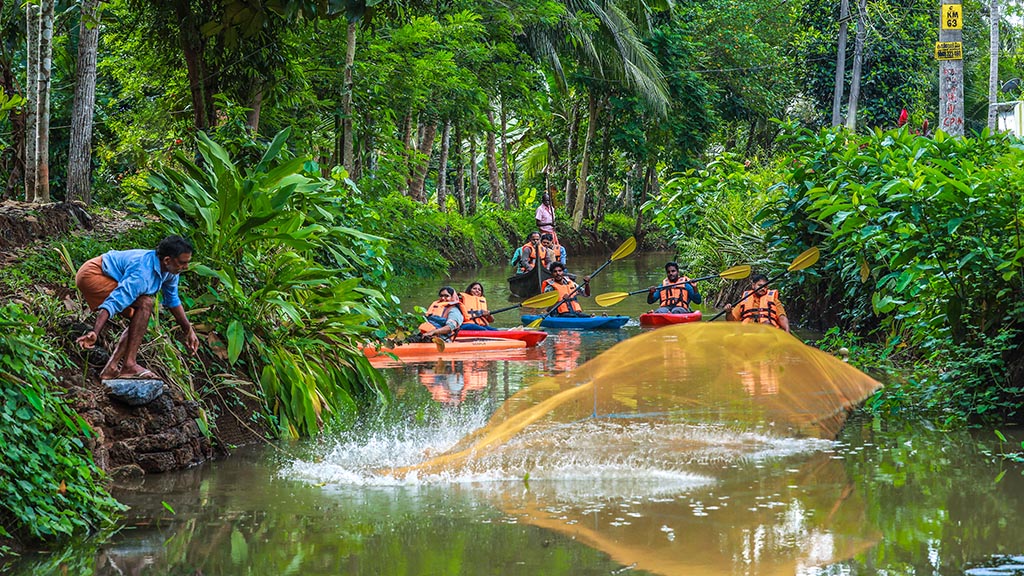 This is often described as a Triple Bottom Line approach. In practice, that means tourism should circulate income locally, strengthen community participation, and reduce pressure on ecosystems and public spaces. Kerala Tourism also places strong emphasis on conservation-preservation, visitor discipline, and destination-specific carrying capacity. Those priorities matter in a state where many popular locations are ecologically sensitive and culturally active rather than staged for visitors.
For a Kerala tour operator, this framework sets a high standard. It asks for more than good hotels and punctual transfers. It asks for thoughtful planning, local partnerships, guest awareness, and steady attention to how travel affects both the destination and society.
Our responsible tourism commitments across planning and operations
A responsible tourism commitment becomes meaningful only when it shows up in day-to-day decisions. That includes how itineraries are designed, which accommodations are selected, how guests are prepared before arrival, and how local providers are included in the travel experience.
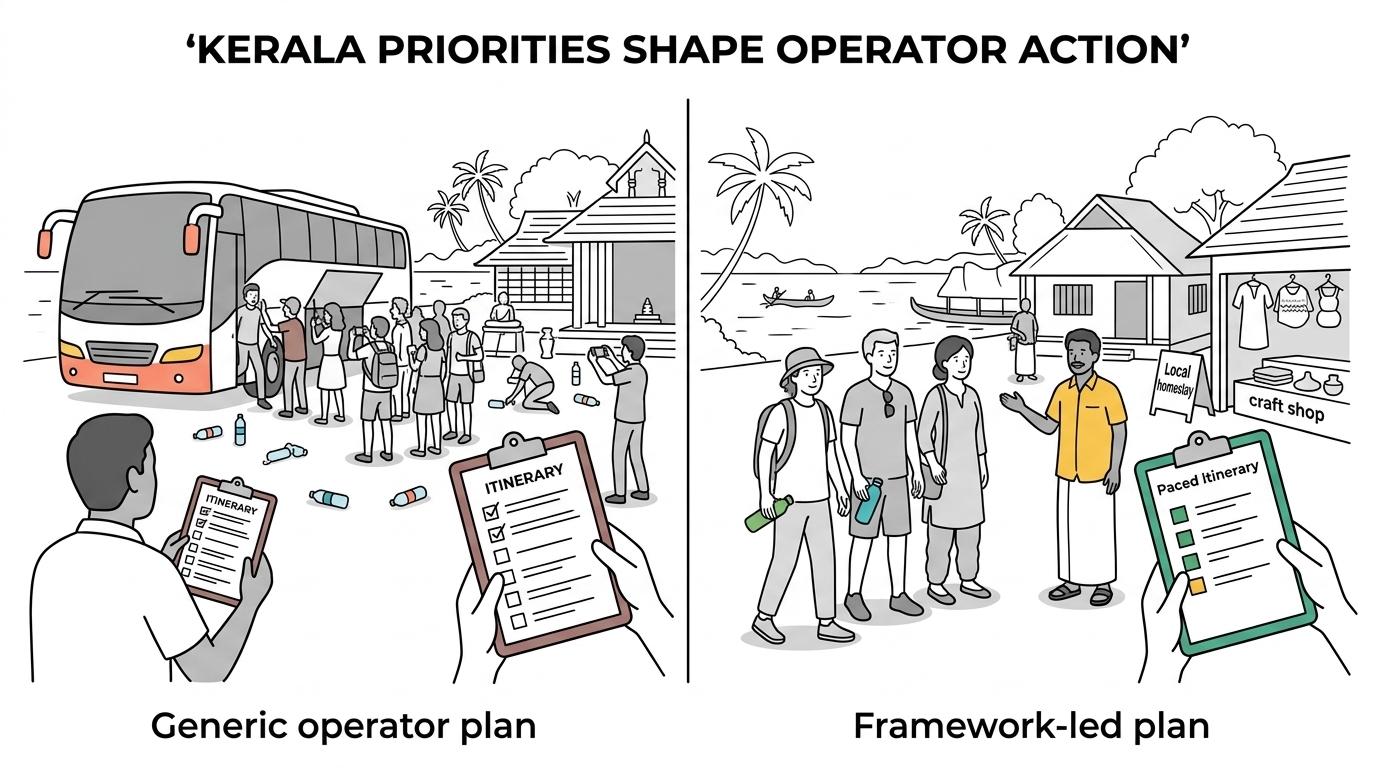
Troper Tours positions its holiday packages around local expertise, trusted partners, customized itineraries, and an ethical commitment to the environment and local communities. Those ideas closely match Kerala Tourism’s model. They also fit the expectations of travelers who want comfort and personal service without ignoring their impact.
The connection becomes clearer when viewed side by side:
| Kerala responsible tourism priority | What it asks from operators | How our commitments respond |
|---|---|---|
| Economic responsibility | Support local livelihoods and entrepreneurship | Work with local communities and businesses and trusted regional partners |
| Socio-cultural responsibility | Respect customs, heritage, food practices, and living traditions | Prepare travelers with destination guidance and promote respectful visitor behavior |
| Environmental responsibility | Reduce footprint and follow destination discipline | Favor sustainable stays, encourage eco-aware travel choices, and plan with local conditions in mind |
| Carrying capacity | Avoid overloading destinations and experiences | Shape itineraries and group movement with site conditions and seasonality in mind |
| Conservation-preservation | Protect natural assets and community spaces | Choose travel options that support lower-impact experiences and responsible operations |
Responsible tourism also fits naturally with premium travel when planning is done well.
Pre-departure traveler education for responsible Kerala travel
Kerala Tourism asks operators to provide pre-departure awareness modules that cover culture, history, food habits, climate, responsible travel, health, dress code, and local do’s and don’ts. This is one of the most practical and effective responsible tourism measures in the state framework. Good visitor behavior starts before the flight lands.
Troper Tours offers comprehensive travel packages that reflect Kerala’s commitment to sustainability. These packages are meticulously crafted to incorporate authentic experiences while consciously minimizing environmental footprints. By selecting local accommodations, partnering with regional guides, and including cultural activities, these packages ensure a rich, responsible travel experience that aligns with the state’s tourism model.
 That is why pre-trip guidance matters so much. A traveler who knows how to dress for a temple visit, what level of modesty is expected in a village, why plastic waste is a serious issue in backwater areas, or how monsoon conditions affect movement is more likely to travel with care. It also makes the trip smoother, safer, and more rewarding.
A responsible pre-travel briefing should cover points like these:
- Culture and etiquette: local customs, greetings, and respectful conduct in community spaces
- Dress expectations: practical and modest clothing for temples, rural settings, and humid weather
- Food habits: regional cuisine, spice levels, and basic dining etiquette
- Climate and health: heat, rain, hydration, footwear, and seasonal precautions
- Responsible behavior: waste reduction, noise control, and sensitivity with photography
- Sacred places: temple entry norms and rules that may vary by site
This kind of preparation supports both guest comfort and destination respect.
Local partnerships and community benefit in Kerala tourism
Kerala’s responsible tourism model, as seen in regions like Kannur, depends on participation from many kinds of local partners. Kerala Tourism identifies local self-governments, community groups, NGOs, homestays, resorts, hotels, farmers, self-help groups, and tour operators as part of the wider ecosystem. The idea is not that tourism works in isolation. It works best when communities have a real place in society.
For a responsible Kerala tour operator, this means building holidays through locally rooted networks with a mission to engage deeply with the community rather than treating the destination like a checklist. Local guides, regional transport teams, homestays, small hospitality businesses, and neighborhood-based experiences often carry the real texture of a place. They also keep a greater share of tourism value closer to the destination itself.
Troper Tours states that it works closely with local communities and businesses. That commitment matters because community-linked planning can support local entrepreneurship, reflect place-based knowledge, and strengthen accountability. When the operator knows the region well and works with trusted local partners, the guest experience becomes more grounded and more reliable at the same time.
A strong local-partner approach often includes packages that highlight:
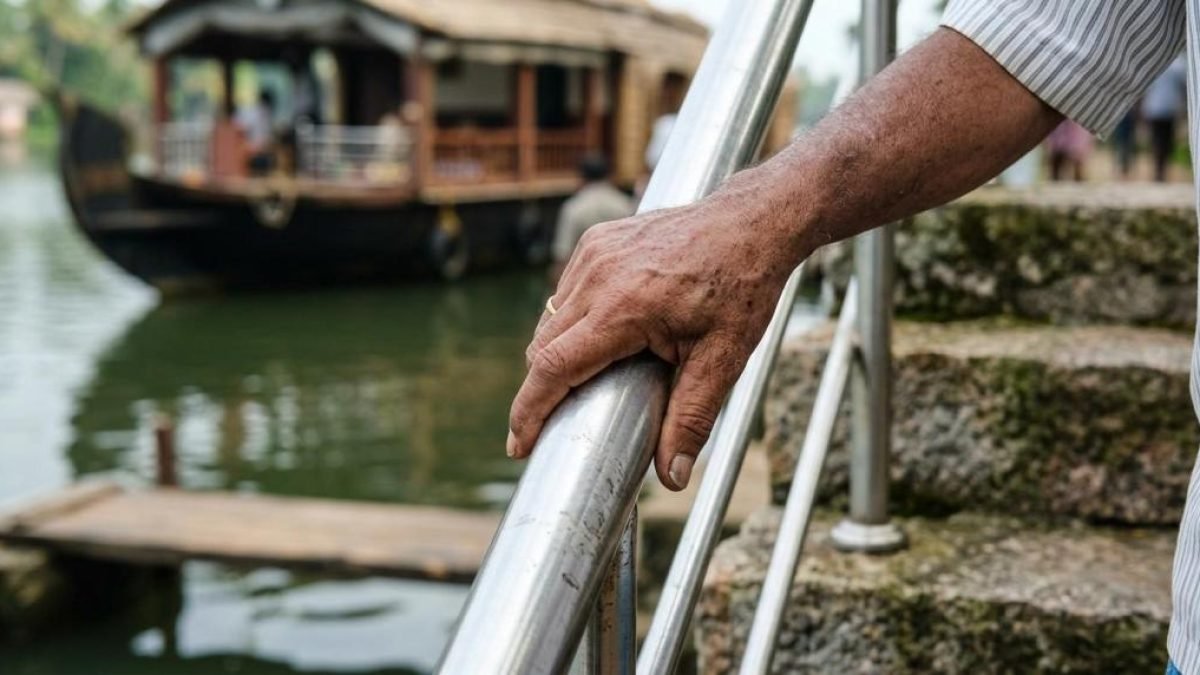
- Verified stays and houseboats
- Regionally experienced chauffeurs
- Community-linked experiences
- Local hospitality businesses
- Trusted ground support
Kerala’s policy goals also include supporting women and marginalized communities and protecting art and culture through tourism. A responsible operator should keep those public goals in view when building supplier relationships and recommending experiences.
Environmental responsibility in Kerala itineraries and stays
Environmental responsibility in Kerala cannot be reduced to a single gesture. It is not only about saying no to plastic, though waste reduction matters. It is also about how people move, where they stay, how crowded an activity becomes, and whether natural places are treated as living systems rather than backdrops.
Kerala Tourism’s operator guidelines explicitly refer to carrying capacity. That is a vital principle. [Backwater zones, hill stations, forest-edge destinations, and heritage neighborhoods can all be strained when visitor volume is poorly managed. Responsible planning means paying attention to season, space, access, and pace.
For a tour operator, that usually translates into choices like these:
- Itinerary pacing: avoid rushed schedules that turn each destination into a high-pressure stop
- Stay selection: prefer properties that show eco-aware operational practices and local sensitivity
- Transport planning: use well-managed private transfers that reduce confusion and unnecessary detours
- Activity choice: favor experiences that fit local conditions rather than overloading fragile sites
- Guest behavior: encourage refillable bottles, proper disposal, and respect for protected areas
This approach does not make a holiday smaller. It makes it smarter.
A well-planned responsible itinerary can still include premium stays, private transport, wellness time, houseboat experiences, and guided sightseeing. The difference is that each component is chosen with place, impact, and practicality in mind.
Many tour operators offer packages that are tailored for various types of travelers, from luxury seekers to eco-conscious explorers. These packages are designed to provide a comprehensive experience that balances comfort with cultural immersion. By choosing the right package, travelers can ensure that their journey is both enjoyable and responsible, with carefully selected accommodations and experiences that align with sustainable practices.
Socio-cultural respect in temples, villages, and heritage spaces
Socio-cultural responsibility is sometimes treated as the soft side of responsible tourism, but in Kerala it is every bit as important as environmental care. The state’s art forms, cuisine, rituals, festivals, and sacred spaces are not museum pieces. They are active parts of community life.
That is why visitor behavior matters. Respect for dress codes, photography rules, meal customs, local timing, and temple norms is not a minor courtesy. It protects the dignity of the place and the comfort of the people who live there. It also makes travel richer. Guests see more when they arrive with humility and context.
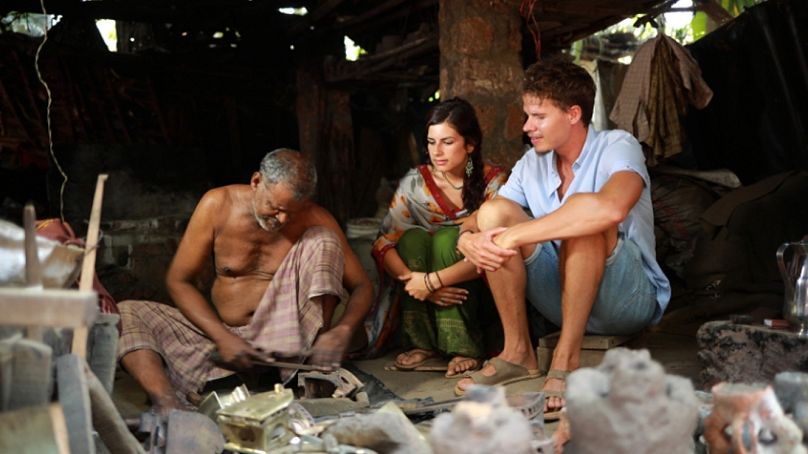 A responsible Kerala tour operator should help travelers recognize a few basic truths:
- Not every place is designed for unrestricted photography
- Temple etiquette can vary from one site to another
- Quiet observation is often better than constant interruption
- Local art and craft deserve fair appreciation, not hurried consumption
Kerala’s responsible tourism objectives also include the protection and promotion of art and culture. That makes cultural respect part of destination stewardship, not just personal manners.
Responsible tourism in premium Kerala holidays
There is a common misconception that responsible tourism and luxury travel point in different directions. In reality, the best premium holidays are often the most deliberate. They rely on strong planning, well-chosen partners, accurate local knowledge, and attentive on-trip support. Those are also the building blocks of responsible travel.
A luxury-first Kerala itinerary can still prioritize local benefit and environmental care. Private transfers with trained chauffeurs can reduce travel stress and improve route discipline. Verified stays can support quality control and better operating standards. Tailor-made itineraries can help avoid unnecessary crowding and create more meaningful time in each place. Good support on the ground can also help travelers respond well to changing weather, local rules, and destination needs.
Responsible tourism is not about stripping comfort out of a holiday; it is about ensuring that this comfort aligns with the mission of preserving the destination’s integrity. It is about making sure comfort does not come at the expense of the destination.
What to look for in a responsible Kerala tour operator
Travelers do not need to memorize policy language to choose well. A few practical questions can reveal whether an operator treats responsible tourism seriously or uses it only as a label.
Ask how the operator prepares guests before arrival. Ask whether stays and travel packages are selected through local knowledge. Ask how local communities and businesses are included. Ask whether itinerary design takes seasonality and destination pressure into account. Ask how support is handled if local conditions require a change.
Useful signs include:
- Clear pre-trip guidance: culture, dress, health, and local do’s and don’ts
- Local partner network: region-based suppliers and community-linked experiences
- Environmental discipline: lower-impact planning, waste awareness, and site sensitivity
- Transparent planning: honest advice about timing, access, and destination conditions
Kerala, including destinations like Kannur, offers extraordinary travel when it is approached with care. A responsible tour operator helps protect that possibility, while giving travelers a holiday that feels personal, thoughtful, and deeply connected to the place itself.
Frequently Asked Questions about Responsible Tourism in Kerala
Embark on a meaningful journey through Kerala by choosing a responsible tour operator. Understanding how tourism impacts local communities and ecosystems is essential for an enriching experience. This FAQ is designed to provide insightful answers to common questions about engaging in responsible tourism practices in Kerala.
What is responsible tourism in Kerala?
Responsible tourism in Kerala focuses on supporting local people, respecting cultural traditions, and preserving the environment.
How does Troper Tours ensure responsible tourism?
Troper Tours collaborates with local communities, supports eco-friendly practices, and prepares travelers for respectful and informed visits.
Why is pre-departure education important?
Pre-departure education helps travelers understand cultural norms, environmental practices, and health precautions, ensuring a respectful and smooth journey.
What should travelers consider about local culture?
Travelers should respect local customs, dress codes, and religious practices to contribute positively to the community and enhance their own experience.
How are accommodations chosen responsibly?
Accommodations are selected based on their eco-friendly practices and contributions to the local economy, ensuring a low environmental impact.
How can traveler behavior affect tourism in Kerala?
Mindful traveler behavior, such as waste reduction and cultural respect, directly supports the sustainability and integrity of destinations.
What types of experiences are offered by a responsible tour operator?
Responsible tour operators offer experiences that are culturally immersive, environmentally sustainable, and beneficial to local communities.
What should you ask a tour operator about responsible tourism?
Inquire about their use of local partners, preparation for cultural sensitivity, environmental practices, and adaptability to conditions.
Can luxury travel align with responsible tourism in Kerala?
Yes, luxury travel can include responsible elements, such as local partnerships, environmentally aware itineraries, and attentive trip planning.