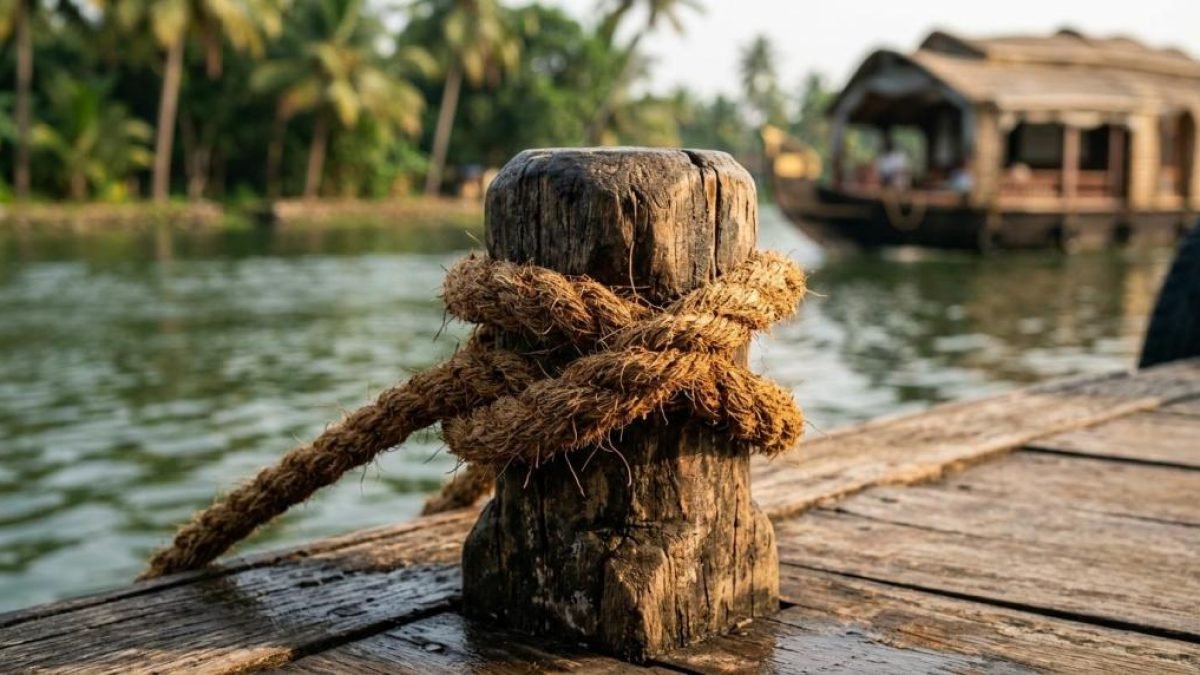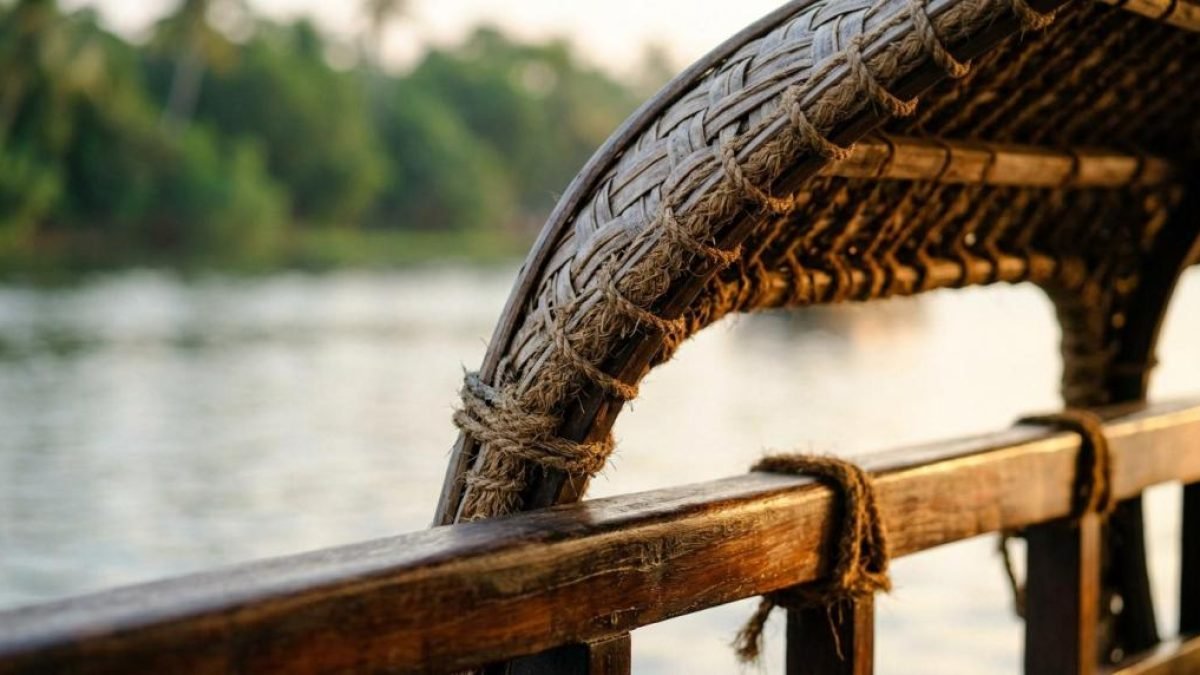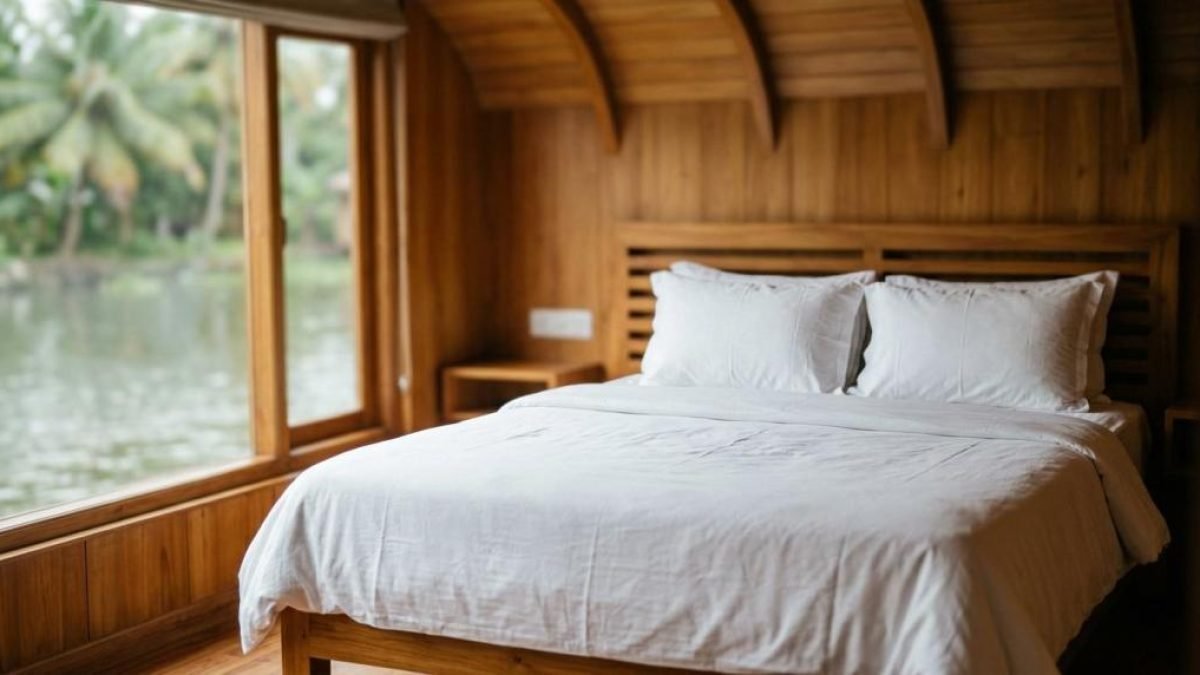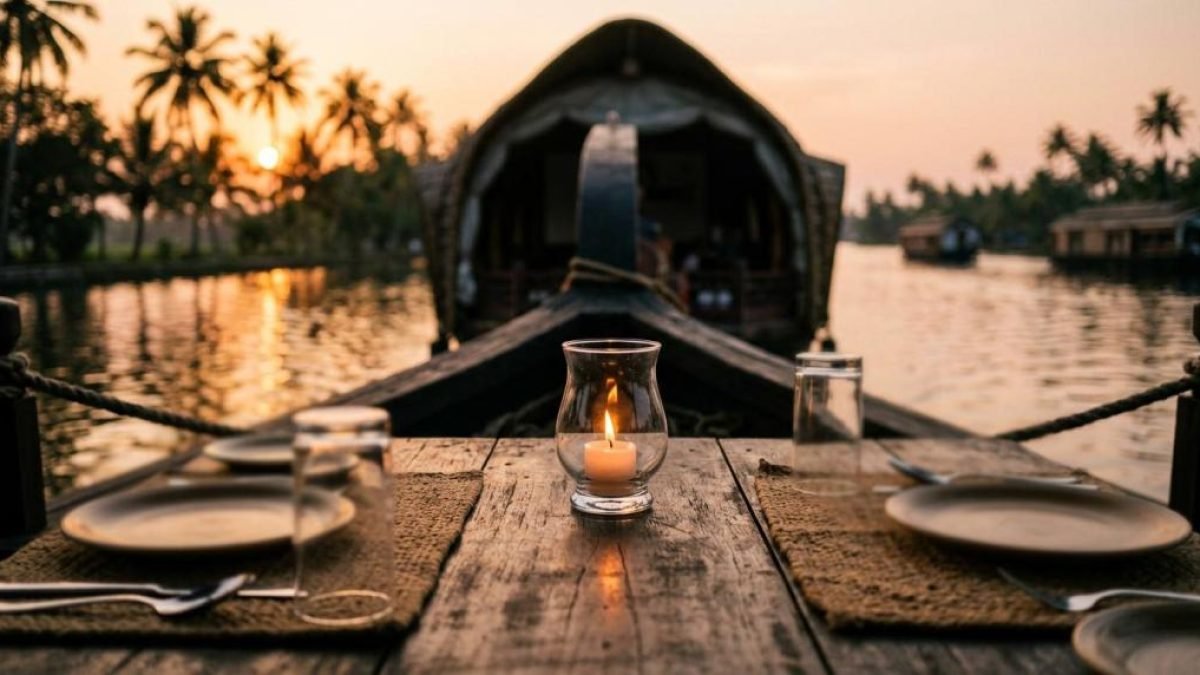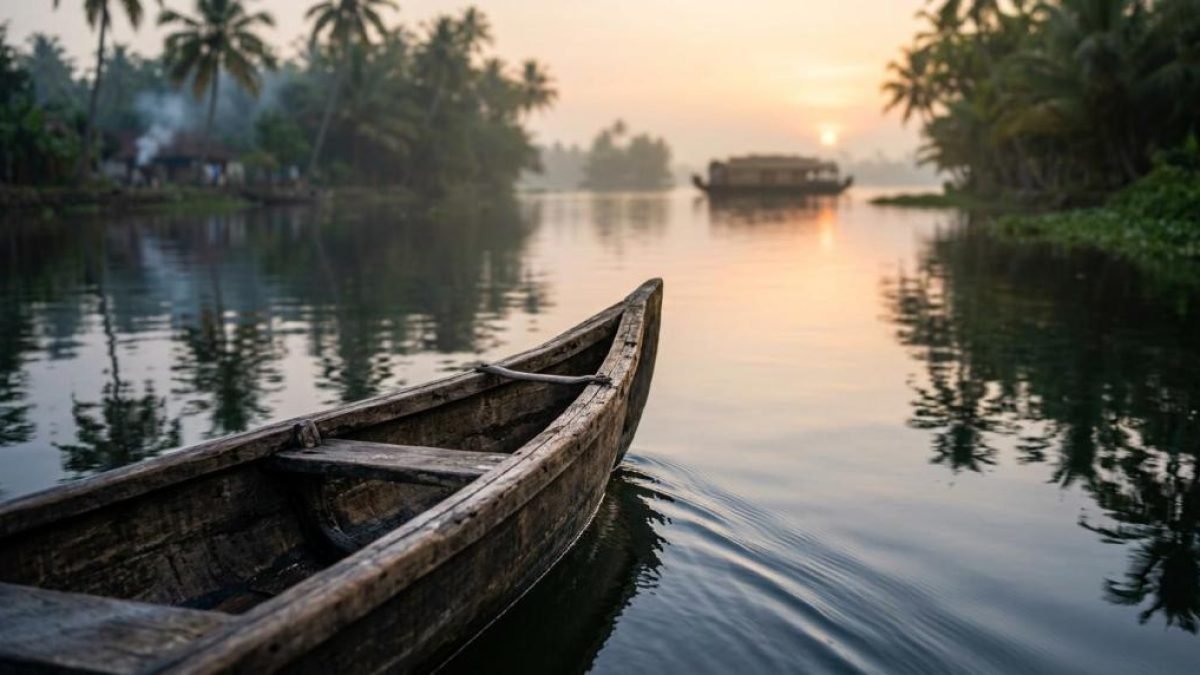
Kerala village lifestyle is often imagined as a peaceful backdrop to a holiday: green paddy fields, narrow canals, coconut groves, and slow afternoons. That picture is appealing, but it is only the surface. In many parts of Kerala, village life tourism has been shaped as a community-linked experience that brings visitors closer to rural work, local knowledge, and everyday culture.
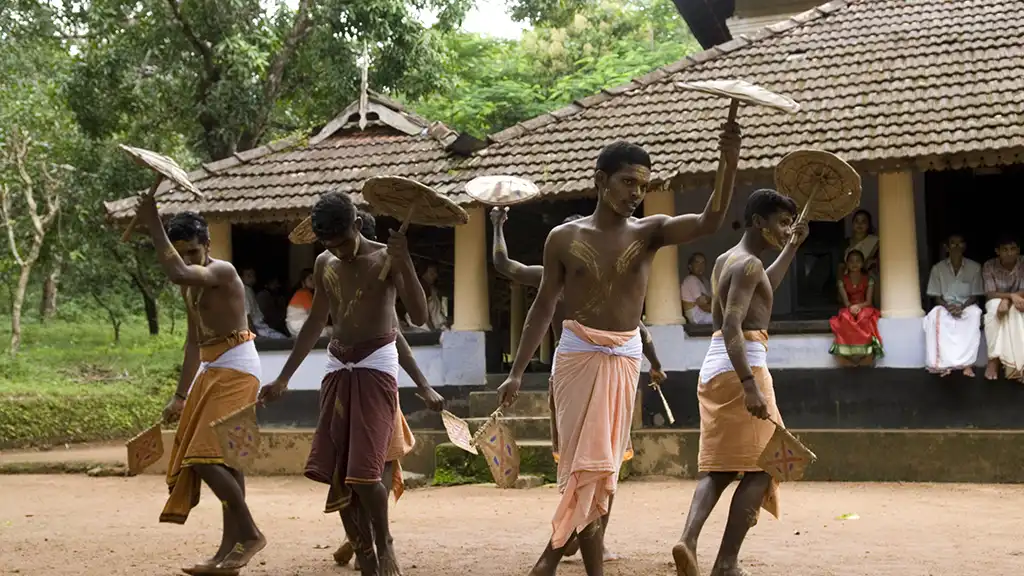 What makes this especially meaningful is Kerala’s responsible tourism approach. Official village-life programs have been described not simply as sightseeing trips, but as experiences connected to farmers, artisans, small entrepreneurs, and traditional livelihoods. That difference matters. It shifts the focus from passive observation to informed participation, where travel can circulate income within the community while giving visitors a richer sense of place.
What Kerala village life tourism really means
Kerala’s village-life tourism is best seen as a structured way to meet the rural side of the state on its own terms. Rather than rushing between major attractions, travelers spend time with landscapes and livelihoods that have shaped local life for generations. Official Village Life Experience packages have commonly been offered in half-day and full-day formats, making them easy to include in broader itineraries.
This model grew through Kerala’s Responsible Tourism Mission, which presented village-life experiences as a way to protect native crafts, traditional jobs, and the social fabric of rural areas. That is a very different idea from a staged “cultural show.” A well-run village day may include walking through paddy fields, watching coir being made, trying pottery, visiting farms, joining a short country boat ride, or seeing how weaving and fishing fit into daily routines.
The value is not only what travelers see. It is also what they begin to notice.
- The rhythm of agricultural work
- Craft skills passed through families
- Small water-based transport routes
- Food shaped by land and season
- Local enterprise at a human scale
How Kerala responsible tourism supports local livelihoods
Kerala’s official tourism framework connects village experiences directly to livelihood support. Materials tied to responsible tourism make it clear that the goal is wider participation in tourism development, especially for farmers, traditional artisans, and small-scale local businesses. This gives village tourism a practical purpose beyond recreation.
The program has been presented as a state-level initiative rather than a single isolated product. Early implementation included destinations like Kumarakom, Kovalam, Thekkady, and Vythiri. Plans also referred to multiple Village Life Packages that would take travelers through traditional production spaces, including coir, handloom, and pottery. More recent public-facing initiatives have pointed toward inclusive growth, with benefits intended to reach beyond a narrow set of tourism stakeholders.
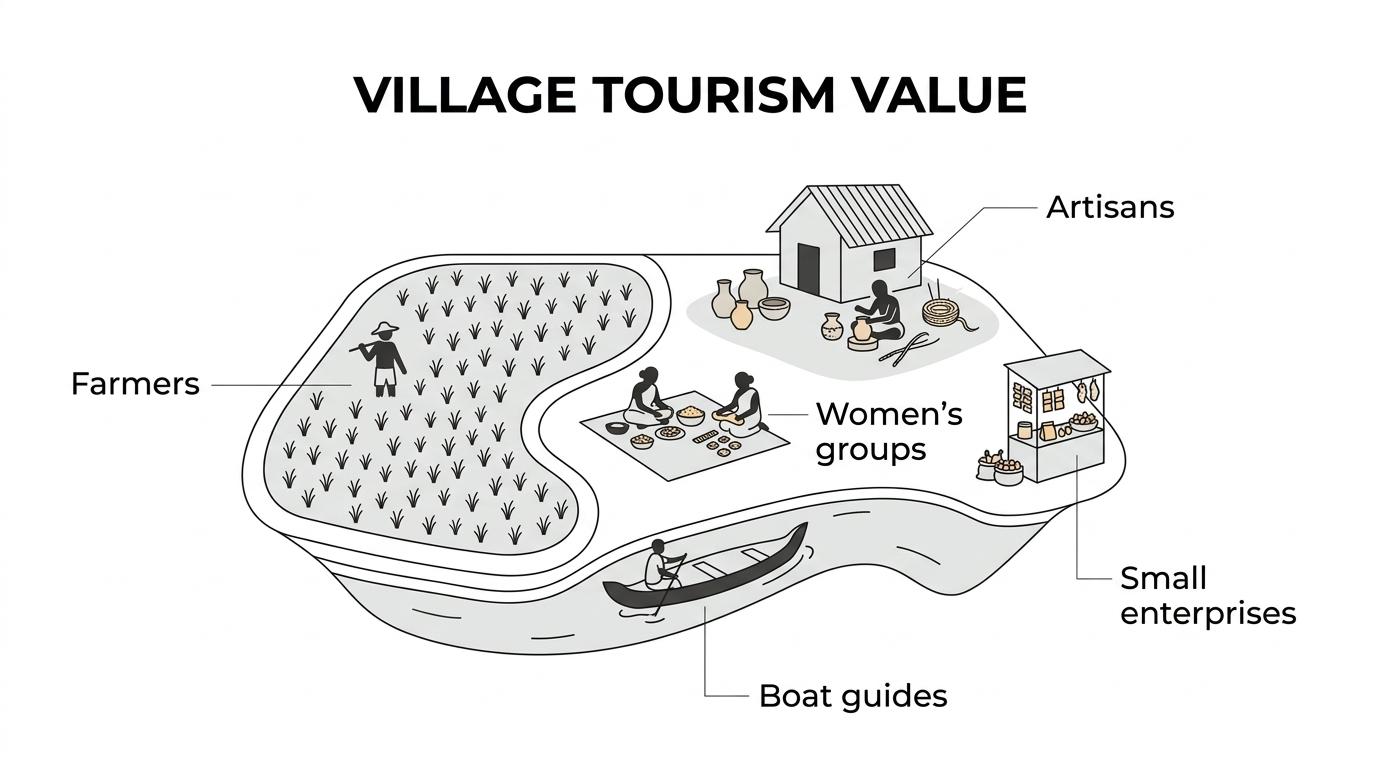
That structure is one reason Kerala village experiences stand out. The visit is not only about “seeing village life.” It is about creating value around what already exists in the village, without requiring the community to abandon its identity in order to host visitors.
A responsible village tour often supports several layers of local life at once:
- Farmers: added income through field visits, farm-linked activities, and direct sale of produce
- Artisans: visibility and earnings from craft demonstrations and purchases
- Women’s groups: participation in food preparation, handicrafts, and micro-enterprise
- Boat operators and local guides: paid roles rooted in local knowledge
- Small enterprises: benefits from snacks, souvenirs, transport, and activity coordination
When this works well, tourism becomes less extractive and more reciprocal. The traveler returns home with memory and insight. The host community receives income, recognition, and a stronger reason to sustain living traditions.
Typical Kerala village life activities for travelers
One of the strongest parts of Kerala village tourism is its variety. Rural life here is not built around a single image. Backwater villages, inland farming belts, craft-centered communities, and foothill settlements each offer a different texture.
Official descriptions and tourism articles have highlighted activities including paddy-field walks, coconut tree climbing, screw pine and coconut leaf weaving, pottery making, boating, fishing, coir making, and farm visits, all deeply connected to agriculture. These are not random attractions. They represent actual work, skill, and resource use embedded in local life.
Here is a simple view of how these activities often fit into the traveler experience:
| Activity | What the visitor experiences | Community link |
|---|---|---|
| Paddy-field walk | Rural landscapes, farming cycles, irrigation patterns | Farmers and local guides |
| Country boat ride | Slow movement through canals and village waterways | Boat operators, waterside households |
| Coir making | Coconut fiber processing and hand skills | Traditional workers, women-led units |
| Pottery | Clay shaping, firing methods, hands-on participation | Artisan families and craft centers |
| Weaving with coconut leaves or screw pine | Everyday craft tied to utility and design | Local makers and micro-enterprises |
| Fishing demonstration | Traditional methods and water knowledge | Local fishers |
| Farm visit | Spice, coconut, banana, or mixed farming practices | Agricultural households |
Some activities are interactive, while others are better approached through observation and conversation. A good guide helps visitors know when to participate and when to simply watch with respect.
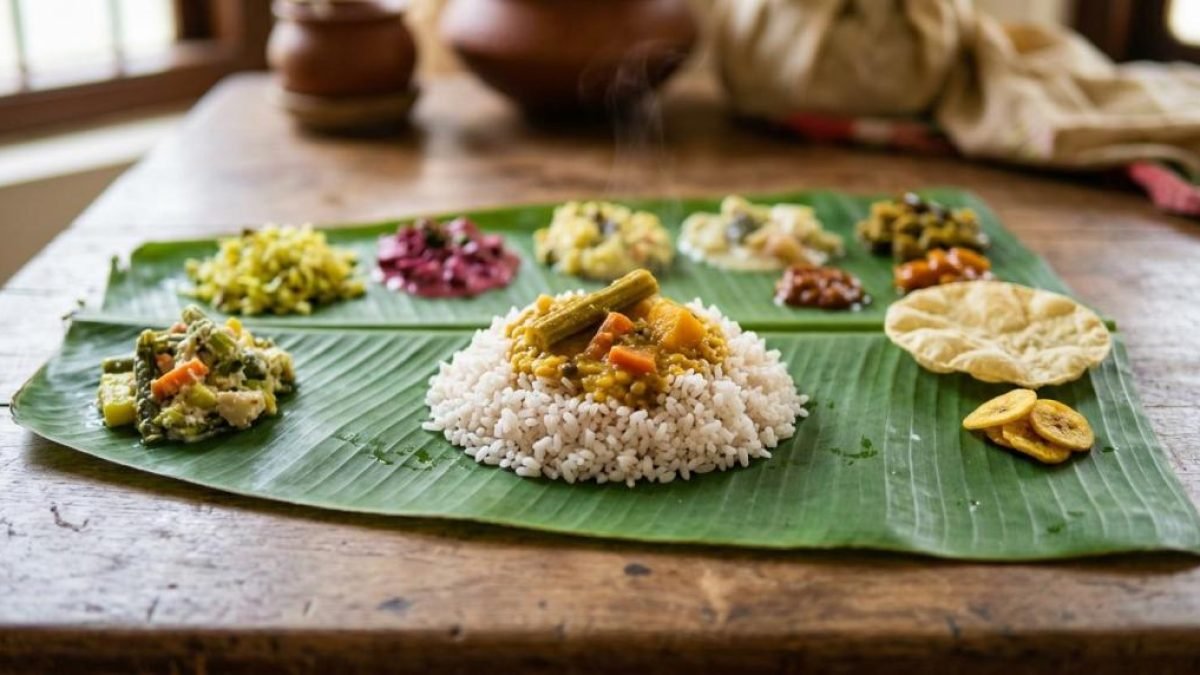
A village day may also include food, and that can be one of the most memorable parts. Meals and snacks served in village settings often reveal how closely Kerala’s cuisine is tied to geography: coconut, tapioca, banana, freshwater fish, curry leaves, rice, and seasonal vegetables all show up in deeply local ways.
Kerala village life beyond the backwaters
Backwaters dominate many Kerala itineraries, and with good reason. Yet village tourism in Kerala is larger than a houseboat route or a lakeside photo stop. Inland areas and destination clusters linked to responsible tourism have shown that rural experiences can take many forms.
Kumarakom is often associated with canals, birdlife, and farm-linked activities. Thekkady offers a different setting, where plantation landscapes, forest edges, and village enterprise can shape the day. Vythiri brings a hill-region rhythm, while Kovalam demonstrates that even a coastal destination can be connected to nearby rural life. This spread across geographies is important because it shows that village tourism is not a single template repeated everywhere.
Kerala’s broader responsible tourism initiatives, including projects planned across selected places, have also pointed toward village-life tourism as part of a wider system that can include art streets, farm tourism, pottery units, and handicraft spaces. That suggests a long-term shift: tourism benefits reaching more local communities rather than concentrating only in a few high-traffic zones.
Why village experiences appeal to thoughtful travelers
Many travelers now want more than a checklist of attractions. They want context. They want to know how people live, how landscapes are used, and how culture survives in ordinary spaces. Kerala village tourism answers that wish in a grounded way.
It also slows the tempo of a trip. After a city stay, a beach resort, or a hill station transfer, a village experience can reset attention. The sounds change. The pace changes. The conversation changes. A traveler who has spent a morning in a coir-making unit or along a paddy path often remembers that time as vividly as a landmark visit.
There is also a quiet educational value in these experiences.
- Rural economy in motion
- Water, land, and labor in relationship
- Craft as both livelihood and heritage
- Tourism with visible local participation
For families, this can make travel more meaningful. For couples, it adds intimacy and calm. For international visitors, it offers a more textured introduction to South India than monuments alone can provide.
How to experience Kerala villages respectfully
Responsible tourism depends on visitor behavior as much as program design. A village is not a museum. It is someone’s home, workplace, and social environment. That should shape how a traveler moves through it.
A respectful visitor arrives curious, patient, and willing to listen. Photos should be taken thoughtfully, especially when people are working. Bargaining over handmade goods should be approached with care. Time spent talking to hosts, guides, and makers often brings more value than trying to fit too many activities into a short slot.
A few habits can make the day better for everyone:
- Ask before photographing people or private spaces.
- Wear practical, modest clothing suited to farms and village paths.
- Buy local products when genuinely interested, rather than treating crafts as props.
- Follow the guide’s cues during work demonstrations and home visits.
- Keep expectations realistic, because real village life is calm, active, and unscripted.
It also helps to choose operators who treat village visits as partnerships rather than performances. Clear itineraries, fair payment practices, reliable transport, and local coordination all matter. Travelers planning customized Kerala holidays often benefit from working with a Kerala-based specialist who can place a village experience where it fits naturally, instead of inserting it as a token stop.
Adding Kerala village life to a broader South India itinerary
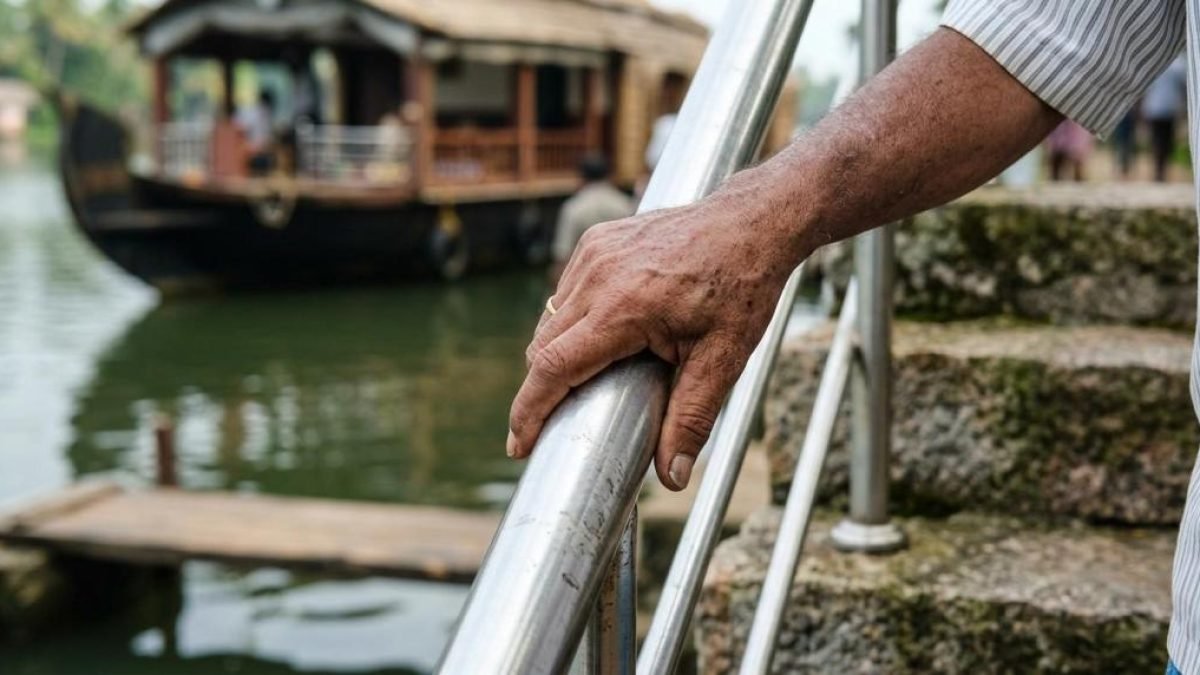
One of the strengths of village tourism is how easily it can be combined with other parts of Kerala and Tamil Nadu. A half-day village outing can complement a houseboat night in Kumarakom or Alleppey. A full-day version may work well between Munnar and Thekkady, or alongside a slower stay near Wayanad or Vythiri.
This flexibility matters for itinerary design. Not every traveler wants a heavily activity-led holiday. Some want balance: a houseboat night, a beach stay, wildlife or hill scenery, and one day that brings them closer to local life. Village experiences are especially good at adding that human dimension.
When planned well, the pairing can be excellent:
- With backwaters: village canals, coir work, fishing, and farming create context for the landscape
- With hill stations: spice farms, rural communities, and craft visits add depth beyond viewpoints
- With family holidays: hands-on activities give children and adults a shared memory
- With honeymoon trips: quiet rural settings offer privacy, beauty, and gentle cultural contact
Travelers who prefer private, tailor-made itineraries often appreciate having these experiences arranged with proper timing and local support. That is especially true for international guests, multigenerational families, and couples who want comfort without losing contact with the real character of the destination.
Kerala village life, with its deep-rooted agriculture, is not a side note to the state’s tourism story. It is one of the clearest ways to see how land, labor, craft, and community still shape daily life. When approached through responsible tourism, it becomes more than a pleasant excursion. It becomes a meeting point between visitor interest and local value, with enough depth to stay with you long after the trip is over.