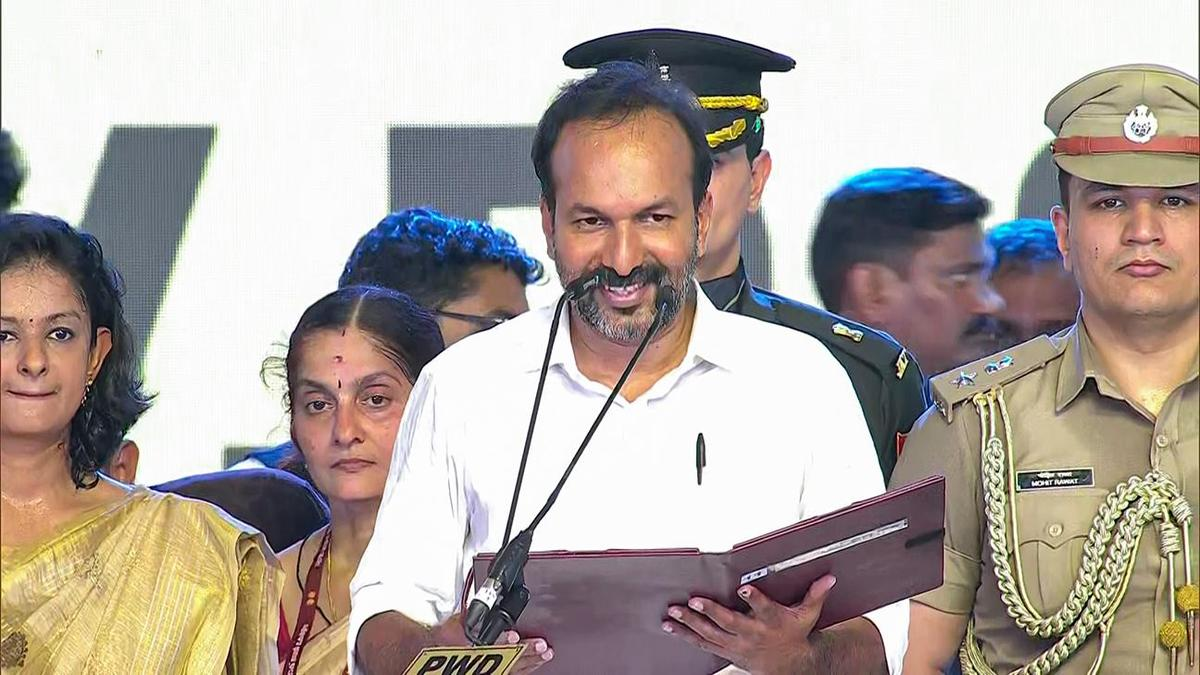
Late August 2026 is shaping up to be a high-energy period for festival travel in Kerala, and Kollam has every reason to be part of that momentum. With Kerala Tourism Minister P.C. Vishnunadh expected to inaugurate the Onam celebrations in Kollam, attention turns not only to the ceremonial opening itself, but also to what this means for visitors, local businesses, and the district’s wider tourism profile.
That attention is well placed. Kollam has long stood apart as a destination where backwaters, beaches, heritage sites, pilgrimage centers, and nature-based excursions sit within easy reach of each other. During Onam, that variety becomes even more appealing. A single trip can move from festive public spaces to quieter waterfront mornings, from cultural programs to day outings across the district.
For travelers planning Kerala in late August, Kollam offers something many festival destinations struggle to balance: atmosphere and range.
Kerala Onam 2026 festival dates and official schedule
Kerala Tourism has already laid out the official 2026 festival window for the Onam Tourism Week Celebrations. The statewide celebrations are scheduled from August 24 to August 30, with the main inaugural ceremony in Thiruvananthapuram and a grand concluding procession on August 30. Within that wider frame, district-level programs like the one in Kollam gain extra weight because they connect the state festival calendar with local cultural life.
The Government of Kerala’s 2026 diary also gives travelers a clear structure for the core Onam days. That matters for anyone booking hotels, road transfers, sightseeing plans, or family gatherings around the holiday period.
| Date | Onam marker | What it means for visitors |
|---|---|---|
| August 24, 2026 | Start of Onam Tourism Week Celebrations | Public programs begin building across Kerala |
| August 25, 2026 | First Onam | Strong festive mood, local travel activity rises |
| August 26, 2026 | Thiruvonam | The most important Onam day, with peak celebrations |
| August 27, 2026 | Third Onam | Continued cultural events and holiday movement |
| August 28, 2026 | Fourth Onam | Good time for slower sightseeing after the peak day |
| August 30, 2026 | Festival procession and closing events | Statewide celebrations formally wrap up |
This calendar gives Kollam a strong travel window. Visitors who arrive just before First Onam can enjoy both the build-up and the main festivities, while those staying through the last days of August can combine festival time with classic sightseeing around the district.
Why Kollam is a strong setting for Onam tourism
Official district tourism descriptions present Kollam as a compact expression of Kerala itself. That idea makes sense the moment you look at the district’s mix of experiences. There is coastline, inland water, forested terrain, temple and church heritage, village life, and a long trading history that still shapes the character of the town.
During Onam, this variety becomes more than a tourism talking point. It changes the rhythm of a visit. Travelers are not tied to one festival ground or one urban center. They can attend evening programs in the city, spend the next morning on Ashtamudi Backwaters, and follow that with a sunset at the beach or a short heritage stop.
Kollam feels festive without losing its sense of place.
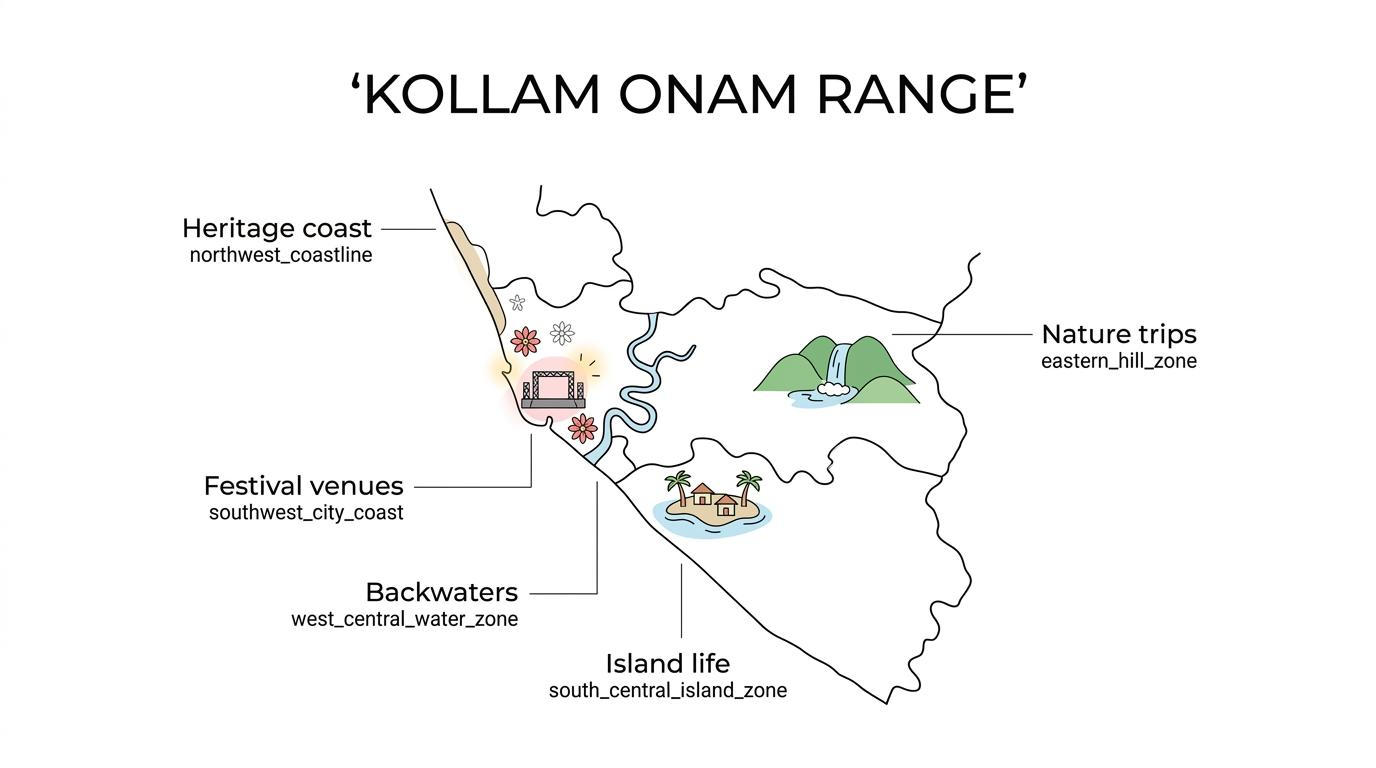
That combination is one reason a ministerial inauguration matters here. It signals that Kollam is not just a side district in the state’s Onam calendar. It is a capable host for public celebration and a serious tourism hub in its own right.
Kollam venues that fit the Onam celebration mood
While official district-specific 2026 venue details may continue to emerge closer to the event dates, there is already a clear pattern from Kollam’s tourism identity and earlier Onam programming. Kollam Beach stands out as one of the most visible public spaces for festival activity. Earlier Kerala Tourism materials tied Onam events in Kollam to the beach, Children’s Park, and Thangassery Break Water Tourism Park, showing how the district uses open, accessible, scenic locations for public celebrations.
That makes practical sense. Beachfront venues can handle larger evening crowds, performance stages, food zones, family footfall, and the visual appeal that festival tourism increasingly depends on. They also work well for visitors who may be attending only one part of the celebrations rather than a full day of programming.
Kollam’s beach circuit adds depth to that picture. Kerala Tourism identifies Kollam, Thirumullavaram, and Thangasseri as notable local beaches, each with a slightly different feel. When Onam activity gathers in or around these areas, the district gains a natural festival backdrop that many inland towns simply cannot match.
Visitors can usually expect a blend of public celebration and relaxed coastal movement, often including:
- Floral displays
- Folk and stage performances
- Family evening crowds
- Traditional food stalls
- Illuminated public spaces
- Easy add-on sightseeing before or after the programs
What ministerial leadership means for Kollam’s festival profile
When a tourism minister inaugurates a district celebration, the value goes beyond protocol. It raises visibility. It can sharpen media coverage, encourage stronger local participation, and place the district more firmly within the state’s tourism messaging for the season.
For Kollam, that visibility matters because the district often appeals to travelers who want a fuller Kerala circuit rather than only the most publicized stops. A festival opening led by P.C. Vishnunadh can help position Kollam as an active part of Kerala’s cultural calendar, not just a scenic extension between other destinations.
There is also a timing advantage. Onam sits at a point in the year when many travelers are deciding between a city-led festival stay and a broader regional holiday. Kollam offers a persuasive middle path: meaningful Onam atmosphere with access to backwaters, island life, waterfalls, ecotourism, and beach stretches that remain very much part of the district’s identity.
That is a strong proposition for couples, families, solo travelers, and international visitors who want festival energy without giving up destination variety.
Travel planning for Kollam during Onam 2026
Anyone aiming to be in Kollam for the celebration should start planning early. Onam moves both local and long-distance travel patterns across Kerala, and even travelers who are not attending major public events feel the effect through hotel demand, road traffic, and holiday scheduling.
A little structure goes a long way here.
- Arrival plan: Reach Kollam at least one day before Thiruvonam if festival access matters to you.
- Hotel strategy: Stay near Kollam city for easier evening movement and faster access to public venues.
- Transport choice: Use pre-arranged private transfers if you want tighter control over timing during holiday traffic.
- Sightseeing rhythm: Keep festival evenings lighter and use mornings for backwaters, islands, or heritage visits.
- Family comfort: Choose properties with flexible dining and easy vehicle access during peak celebration days.
Travelers should also build in some patience. Public celebrations tend to create happy unpredictability: extra crowds at promenades, extended local programs, traffic diversions, and spontaneous gathering points. When planned well, those shifts feel less like disruption and more like part of the seasonal atmosphere.
For visitors from outside Kerala, Onam is also a good time to pay attention to meal timing and local customs. Restaurant schedules, alcohol regulations in some areas, holiday service patterns, and venue opening hours may differ from a standard travel week.
Nearby Kollam experiences to pair with the festival
One of Kollam’s biggest advantages is how well it supports a layered itinerary. Festival travel can be intense, even when enjoyable. The district allows visitors to balance that intensity with slower landscapes and quieter half-day outings.
Kerala Tourism highlights a strong roster of places that sit naturally beside an Onam visit: Ashtamudi Backwaters, Munroe Island, Thenmala Ecotourism Centre, Jatayu Earth’s Centre, Palaruvi Waterfalls, Shendurney, and Alumkadavu. This range makes Kollam a practical base for people who want culture and nature in the same trip.
A few combinations work especially well:
- Ashtamudi and city festival evening: Calm water in the day, music and lights after sunset
- Munroe Island and Onam dining: Village scenery followed by festive meals in town
- Jatayu or Thenmala and coastal night program: A more active daytime outing before returning to the city
- Thangasseri and beach celebrations: Heritage mood and waterfront atmosphere in one corridor
This flexibility is where Kollam becomes more than a single-event destination. It can function as a short festival break, a Kerala extension after a stay in Kochi or Alappuzha, or part of a longer South India holiday that also includes temple routes in Tamil Nadu.
Onam in Kollam for different kinds of travelers
Not every visitor experiences Onam in the same way, and Kollam adapts well to different travel styles. Families often appreciate the open public spaces and manageable city scale. Couples can combine festive evenings with scenic day trips. Solo travelers usually find the district approachable, especially when using organized transfers and centrally located stays.
International guests often find Onam particularly rewarding because it offers visible, public culture without requiring deep prior familiarity with local traditions. The visual language of the festival is immediate: flowers, dress, music, food, crowds, and ceremony all make an impression from the first evening.
For private holiday planning, Kollam is strongest when the itinerary is built around a realistic pace rather than a long checklist. A three-night stay can already feel rich if it includes one main festival evening, one backwater or island outing, and one beach or heritage segment.
How Kollam fits into a wider Kerala and South India itinerary
Kollam works well as a standalone festive stop, but it is also easy to pair with other destinations. Travelers often look for routes that move naturally rather than jumping between disconnected points, and Kollam supports that kind of planning.
It sits comfortably within itineraries that include Thiruvananthapuram, Varkala, Alappuzha, Kumarakom, or even onward connections into Tamil Nadu. That opens up several attractive patterns: arrive via the capital for the wider state festival period, move to Kollam for district celebration and backwaters, then continue north or east depending on the length of the trip.
That broader relevance is one reason the upcoming inauguration matters. It gives Kollam another clear entry point on the map during one of Kerala’s most watched festive periods.
For travelers looking at late August 2026, Kollam is not merely a district on the festival circuit. It is a setting where Onam can be seen, felt, and paired with the best of southern Kerala’s landscapes.