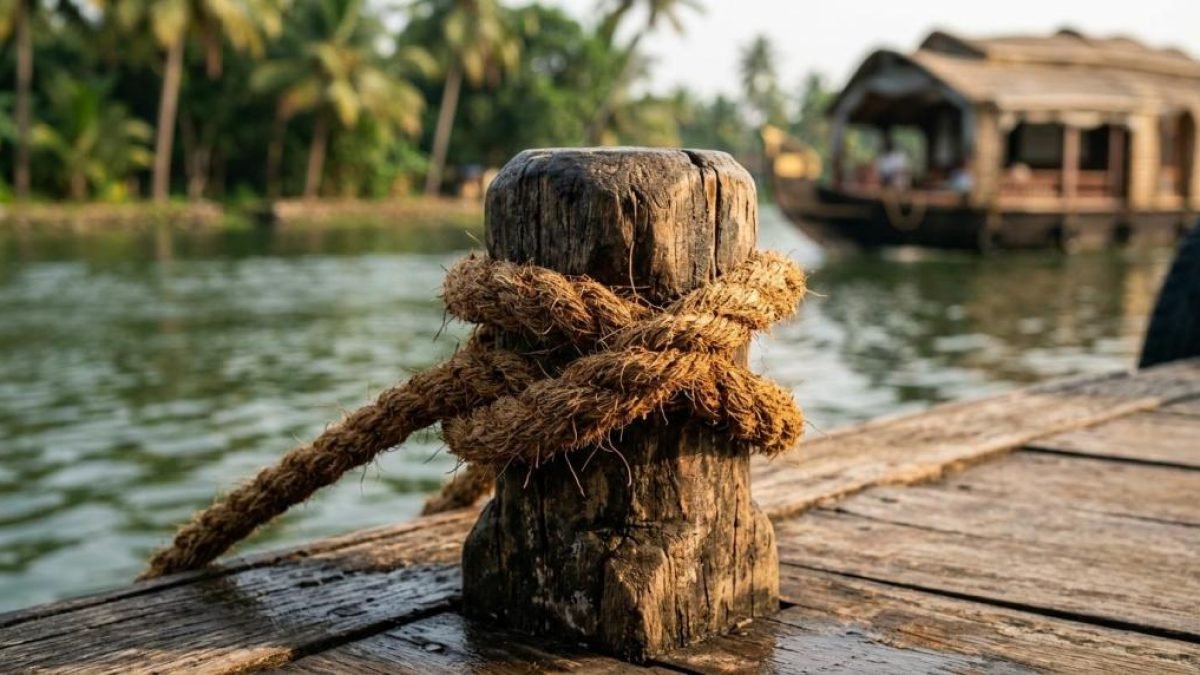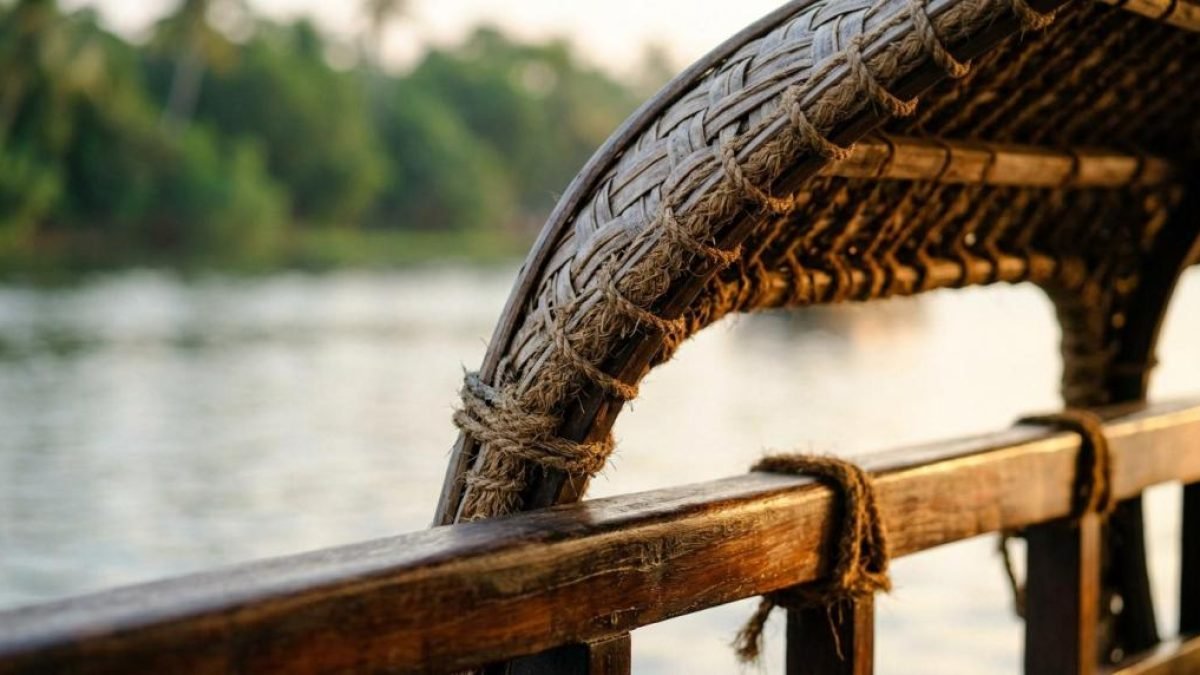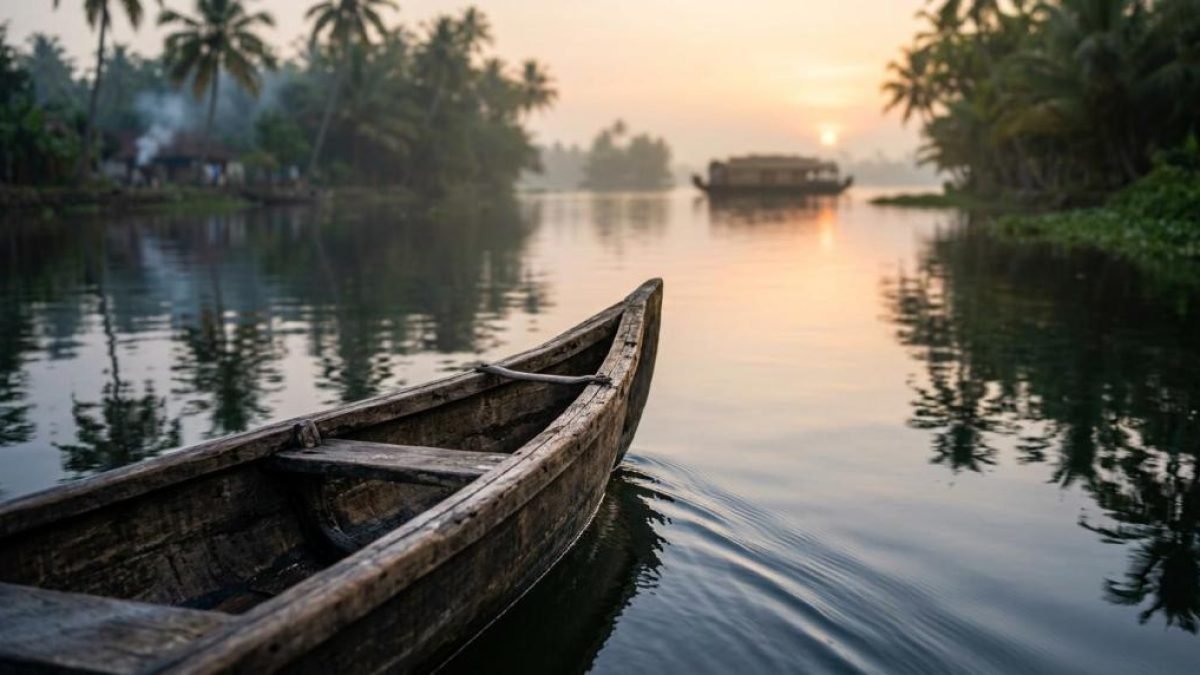
Kollam has a quieter kind of magnetism. It does not push itself forward in the way some better-known Kerala destinations do. Instead, it opens slowly through water, light, and movement. The town sits beside one of South India’s most memorable lake systems, and its relationship with nature shapes the entire visitor experience.
For travelers who want Kerala’s backwaters to feel expansive rather than crowded, Ashtamudi and the nearby Kallada River often become the right answer. Official tourism sources describe it as one of the largest and most scenic lakes in the state, and that description feels earned the moment the shoreline widens and the water begins to branch in multiple directions.
What Makes Ashtamudi Backwaters Unique in Kollam
Ashtamudi Lake is located in Kollam district, and its name comes from Malayalam, where “Ashtamudi” is commonly explained as “eight braids.” The phrase suits the geography well. This is not a single flat stretch of water but a wide, branching backwater system that spreads outward in distinct arms, creating an ever-changing relationship between lake, canal, settlement, and vegetation.
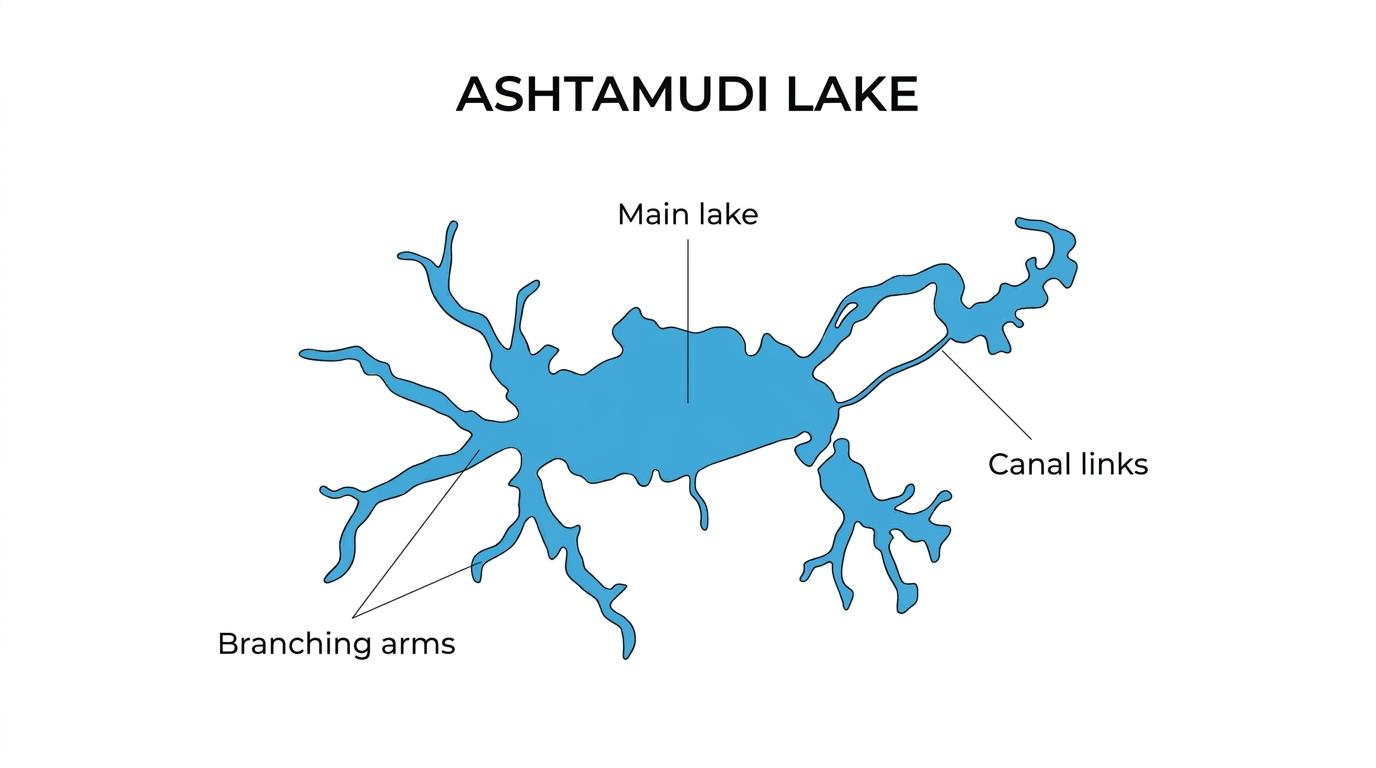
Kerala Tourism identifies Ashtamudi as a major backwater destination and often calls it a gateway to Kerala’s backwaters. That gateway image matters. Kollam is not only a scenic stop, but also a rich testament to the cultural heritage of Kerala. It is also a functional point of entry into a much larger network of waterways, local transport routes, and cruise experiences that connect the region to the classic backwater belt farther north.
The scale is part of its appeal. Official references place Ashtamudi at around 170 square kilometers, which helps explain why the lake can feel grand in one moment and intimate in the next.
In practical terms, that means visitors do not experience one single version of Ashtamudi. They move through several. Open water gives way to village edges. Quiet inlets lead to active jetties. Light changes quickly across the lake, especially late in the day, when Kollam’s shoreline and the water surface often take on a soft gold-gray tone.
Why Kollam Stands Out on a Kerala Backwaters Itinerary
Kollam matters because it combines landscape with movement. Many travelers think of backwaters only as slow leisure spaces, but Kollam shows a fuller picture. The lake is scenic, yes, though it is also lived-in, connected, and active. District sources describe Ashtamudi as a popular boating attraction, and that is easy to see in the rhythm of local traffic, tourist boats, and longer cruise routes.
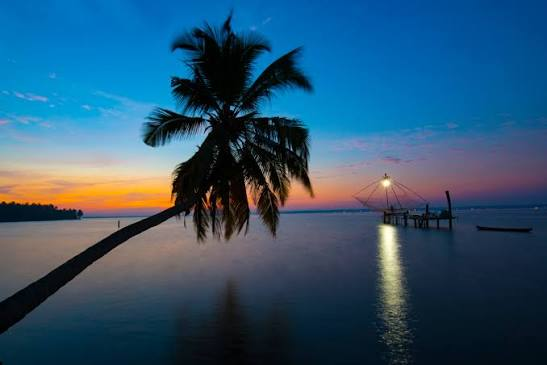
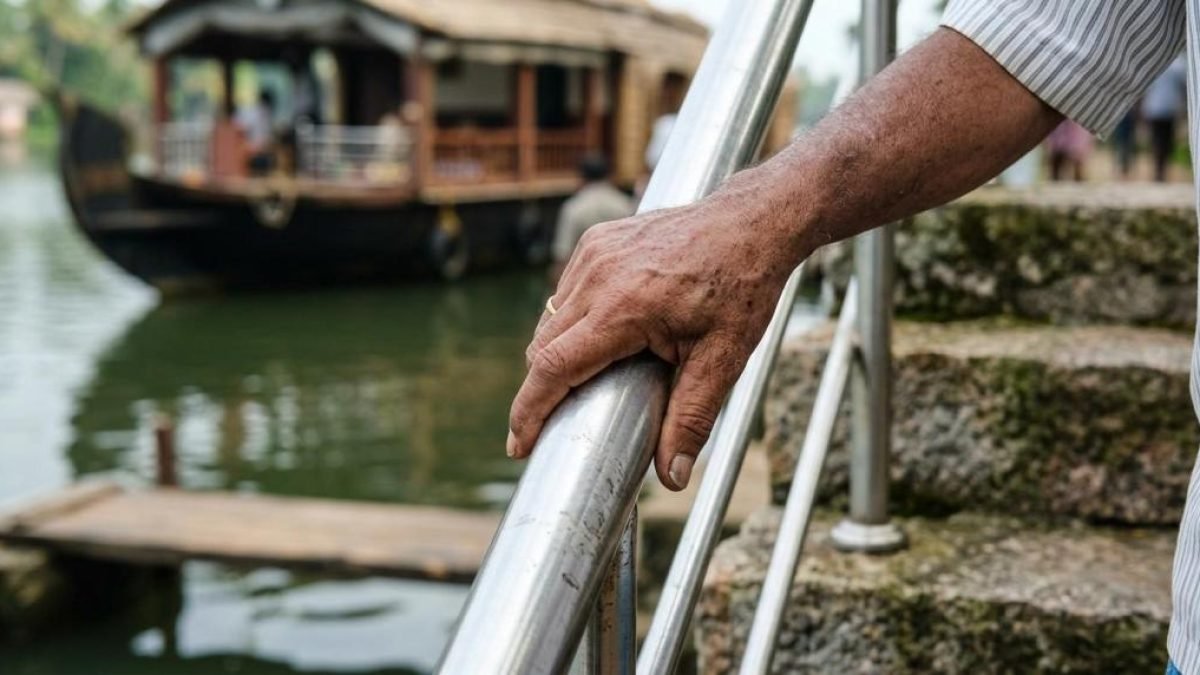
This balance gives Kollam a different character from destinations built almost entirely around resort stays or short canal rides, offering a unique houseboats experience that blends scenic views with everyday life on the water, creating an adventure for travelers. There is a sense of a real waterfront town meeting a major lake system. That makes the experience feel grounded and less stage-managed.
A Kerala travel planner may also choose Kollam for route design. The town fits naturally into longer South Kerala itineraries, and it links well with Alappuzha, Kumarakom, Varkala, and Thiruvananthapuram. For travelers who value continuity in a multi-stop holiday, that is a major strength.
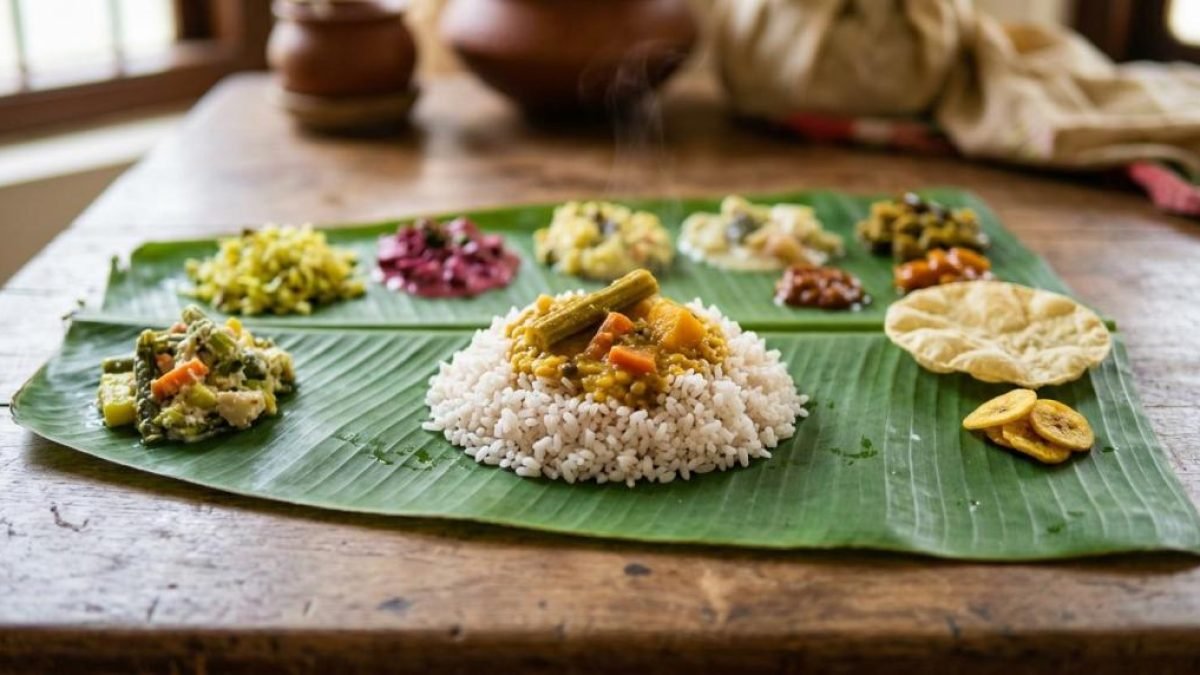
After a day on the water, Kollam still gives you an urban base with transport access, accommodating lodgings in different categories, and opportunities to indulge in the local cuisine, making it an ideal destination for a family vacation, alongside an easy transition to the coast or inland hills.
- Geography: A vast, multi-branched lake rather than a single narrow canal belt
- Strong cruise connections
- Atmosphere: A blend of scenic calm and everyday waterfront life
- Excellent for longer South Kerala routes
Best Boating Options on Ashtamudi Lake
The lake works well for different travel styles, from exciting boat races to short scenic outings and full-day water experiences. Some visitors want a relaxed ride with broad views and photography stops. Others prefer a longer cruise that turns the backwaters into the main event of the day.
Public and tourist-oriented services add another layer of accessibility. The government-run “See Ashtamudi” tourist boat service has strengthened Kollam’s place as a boating hub, presenting the lake as a pleasure trip rather than only a transit corridor. Government information has also noted departures from Kollam Boat Jetty and a route that includes Sambranikodi via Ashtamudi, Peringalam, and Perumthuruth, though schedules should always be rechecked before travel.
Here is a useful way to compare the main boating choices:
| Boating option | Best suited for | Usual feel |
|---|---|---|
| Short local lake ride | Travelers with limited time | Scenic, easy, town-to-lake introduction |
| Shikara or private day cruise | Couples, families, photographers | Flexible pacing, quieter viewing, personalized stops |
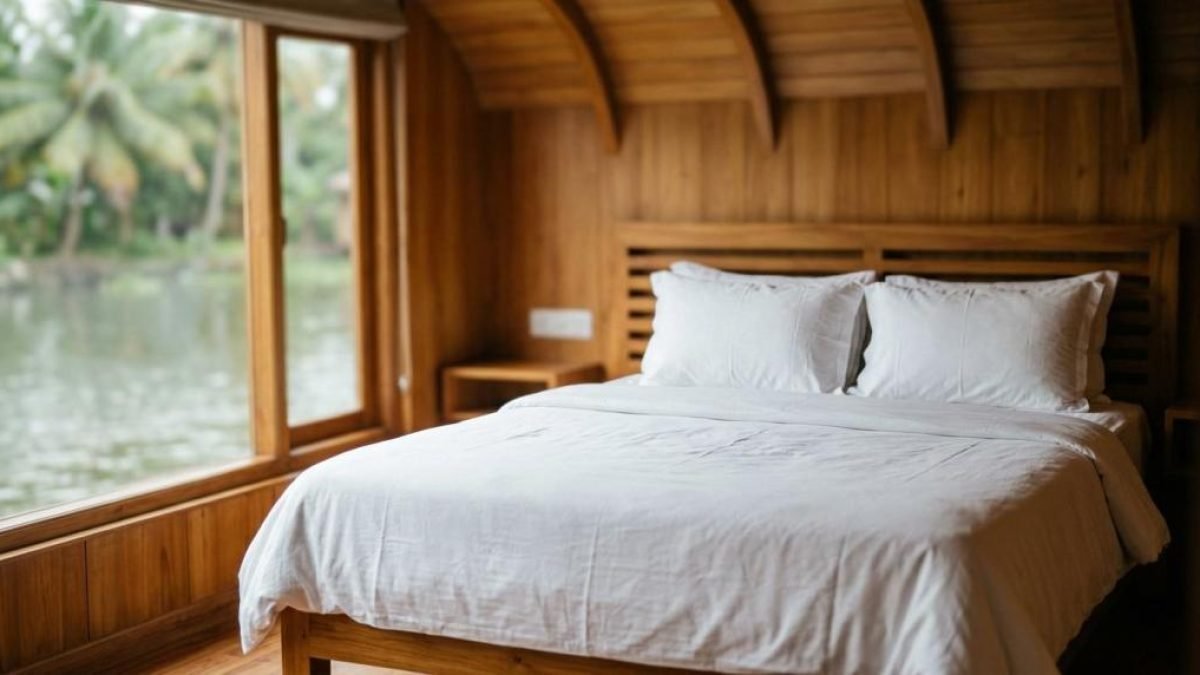
| Houseboat stay | Slow travelers, honeymooners, private groups | Immersive backwater experience with long water hours |
| Government tourist boat | Value-focused visitors, day trippers | Structured route, shared outing, practical access |
Private cruises on Ashtamudi Lake
A private cruise offers the most freedom. It lets travelers choose timing, pace, and route emphasis. That can make a meaningful difference on Ashtamudi, where the mood of the lake changes with weather, light, and traffic. Morning rides often feel clear and spacious. Late afternoon tends to be more dramatic, especially near sunset.
For couples, small families, or those planning a family vacation, private options usually bring the right mix of comfort and flexibility. They also work well when a broader Kerala itinerary already includes busy sightseeing days and the backwater segment is meant to slow everything down.
Houseboats and longer backwater routes from Kollam
Kollam is especially compelling for travelers interested in longer backwater cruising. Travel content from Kerala specialists often highlights the Kumarakom-to-Kollam route as one of the longest in the state, which says a lot about Kollam’s importance in the wider waterway system.
That matters because a longer route creates narrative. The scenery shifts. The villages change. The sense of distance becomes part of the experience. Even if a traveler does not take that exact route, Kollam benefits from being part of that tradition of long-form cruising.
What You Can See Around the Ashtamudi Backwaters
Ashtamudi rewards observation. It is not only about checking off a lake cruise. The best experiences come from noticing how the shoreline behaves, how settlements are arranged around water, and how the lake opens and narrows in cycles.
You may pass islands, small landing points, coconut-lined stretches, fishing activity, and residential edges where daily life unfolds close to the water. Tourist routes that include Sambranikodi add another visual layer, with a more offbeat, slightly removed feel compared with the urban-facing sections near Kollam town.
This is also a place where approach matters.
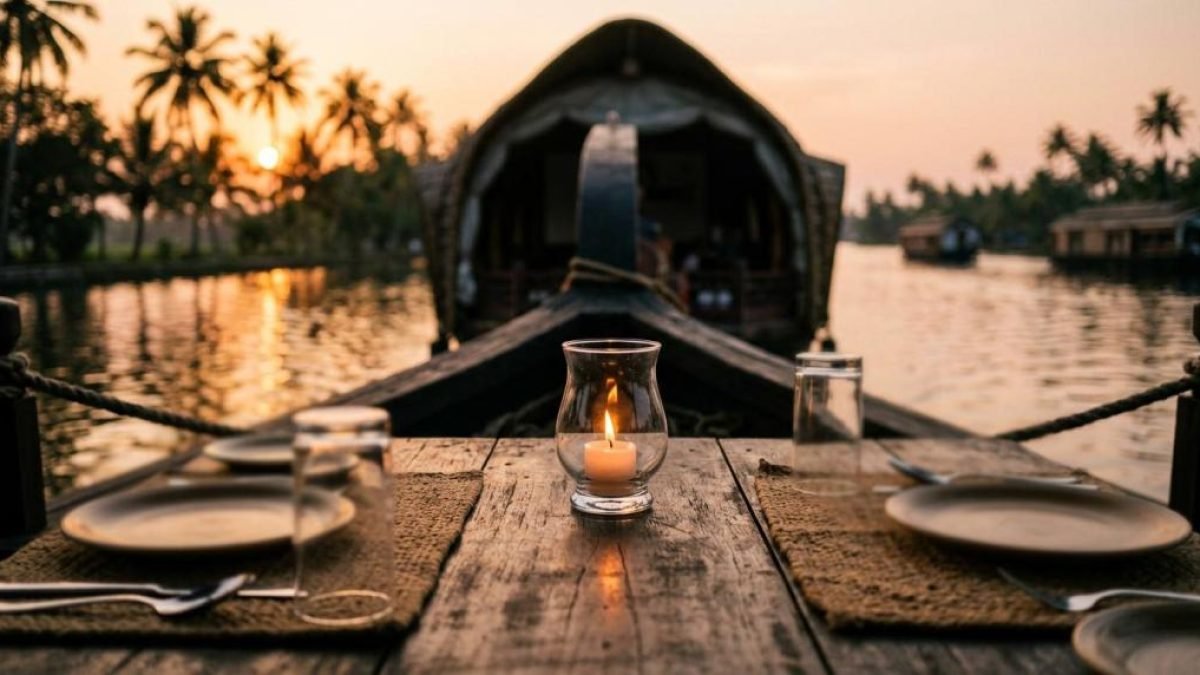
A boat entering Kollam near evening can create one of the finest arrival scenes in Kerala’s backwaters. Some Kerala travel guides specifically point to sunset views over Ashtamudi as boats approach the town, and that image captures the area well: broad water, softened light, and a shoreline that feels both active and calm.
Best Time to Visit Ashtamudi Backwaters in Kollam
Ashtamudi can be visited through much of the year, but the experience shifts with the season. Weather affects not only comfort but also color, visibility, and the general rhythm of boat travel.
From roughly November to February, conditions are often at their most pleasant for outdoor sightseeing. The air tends to be less humid, and long daytime cruises feel more comfortable. This period usually works especially well for international travelers, families with children, and visitors combining the backwaters with beach stays.
The monsoon months bring a different kind of beauty. Rain deepens the greens, softens the horizon, and gives the lake a moody elegance that many nature-loving repeat visitors appreciate. Travelers who enjoy dramatic skies and fewer crowds often like this season, provided their plans stay flexible.
- For mild weather: Late fall and winter are often the easiest months for full-day sightseeing
- Lush monsoon scenery
- For the best light: Early morning and late afternoon are usually more rewarding than midday
- Sunset-focused rides can be especially memorable in clear weather
How to Add Ashtamudi to a Kerala Travel Plan
Kollam works best when it is treated as more than a stopover. It can anchor a slow-paced South Kerala segment, serve as a transition between central Kerala and the southern coast, or become the backwater centerpiece of a customized holiday.
Because of its transport links and boating identity, Kollam fits many route structures. It pairs naturally with Alappuzha if a traveler wants to compare two different backwater moods. It also connects well with Varkala for a lake-and-beach combination, or with Thiruvananthapuram for a more rounded South Kerala circuit.
Here are a few effective ways to position it in an itinerary:
- Classic South Kerala route: Kochi, Alappuzha, Kollam, Varkala, Thiruvananthapuram
- Backwater-first route: Kumarakom or Alappuzha cruise segment followed by a slower stay in Kollam
- Relaxed couples plan: Munnar, Thekkady, Kollam backwaters, Varkala beach
A customized operator can shape this around pace, budget, and travel style, especially if private transfers, verified stays, and boating preferences are part of the brief.
Practical Planning Tips for an Ashtamudi Backwaters Visit
A better Ashtamudi experience often comes down to timing and structure rather than luxury alone. Arriving in Kollam with enough time for an evening ride, or staying overnight before a morning departure, usually produces a much stronger result than trying to fit the lake into a rushed half-day transfer.
Travelers should also think carefully about what kind of backwater experience they want. A family with children may prefer a shorter, comfortable day cruise. A honeymoon couple may want an overnight houseboat timed for golden hour. A serious backwater enthusiast may care more about route length and waterway variety than about on-board extras.
Booking support can be especially useful here because boat quality, departure points, and transfer coordination matter more than they first appear. The right planning can turn Kollam from a scenic waypoint into one of the most satisfying sections of a Kerala holiday.
- Ask first: Is the priority a sunset ride, a full-day cruise, or an overnight houseboat?
- Choose routes that match your pace
- Check logistics: Jetty location, boarding time, road transfer length, and weather backup plans
- Keep a camera ready for the wider lake stretches near evening
For travelers who want Kerala’s backwaters to feel spacious, connected, and quietly impressive, Ashtamudi gives Kollam a lasting edge. It is a place where geography shapes experience in real time, and that makes every hour on the water feel earned.
FAQ: Ashtamudi Backwaters – Essential Travel Information
The Ashtamudi Backwaters in Kollam offer a unique gateway to Kerala’s natural beauty and cultural richness. Below are some frequently asked questions to help you plan your visit effectively.
What is the best time to visit Ashtamudi Backwaters?
Late fall to winter (November to February) is ideal for mild weather, while the monsoon season offers lush scenery and fewer crowds.
How can I choose the best boating option?
Select based on your preferences: short rides for time-strapped travelers, private cruises for flexibility, houseboats for immersive experiences, and government boats for value-focused trips.
Can I combine Ashtamudi with other destinations?
Absolutely. Kollam pairs well with Alappuzha, Varkala, and Thiruvananthapuram, fitting into longer South Kerala itineraries.
How should I prepare for a boat trip on Ashtamudi Lake?
Plan your ride timing—sunset and morning are best. Check logistics like jetty locations and keep a camera ready.
Is Kollam worth more than a quick stop?
Yes, treat Kollam as a destination in its own right, with options to enjoy urban amenities, local cuisine, and the rich boating culture.