Kerala rewards patient observation with its rich nature. A quiet backwater edge at sunrise, a shaded riverside trail ideal for trekking in the Western Ghats, or a reed-filled wetland after light rain can turn an ordinary outing into a serious birdwatching in Kerala session. Few Indian states offer this much habitat variety within such manageable distances.
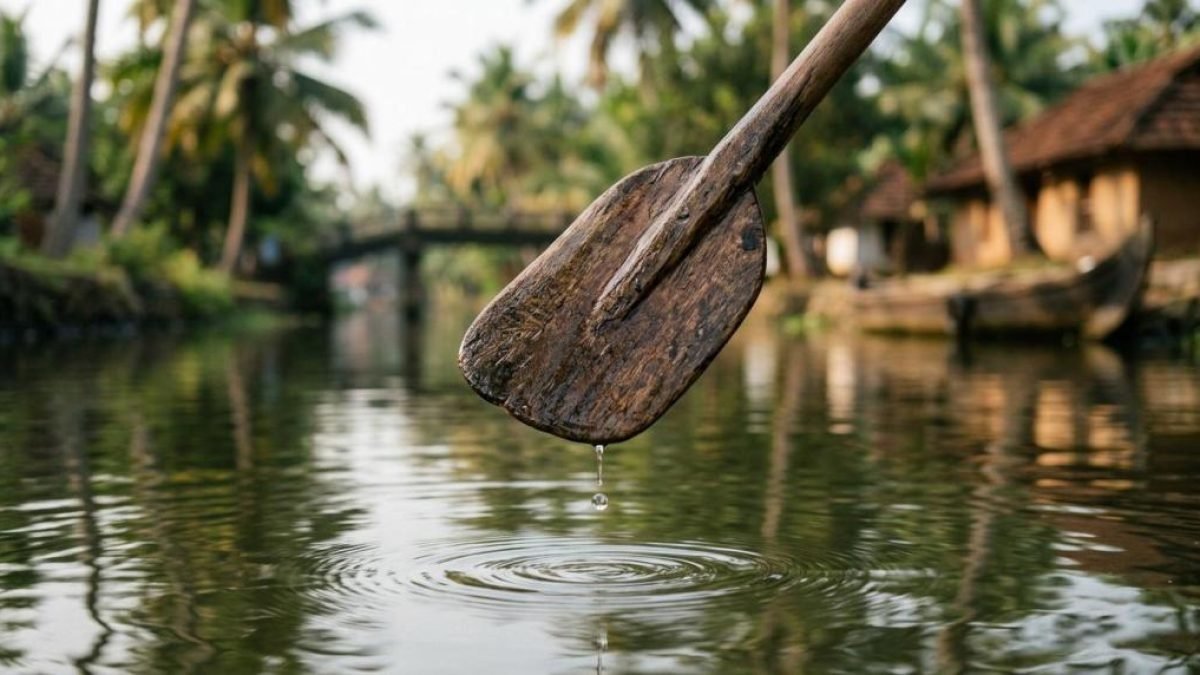
That range is what makes birdwatching in Kerala so appealing. [Wetlands and backwaters](https://tropertours.in/backwaters-of-kerala-travel-guide/) , lake margins, estuaries, lowland forests, and hill tracts all support different bird communities, and the calendar is just as useful as the map. Official tourism sources consistently point to October to March as the broad birdwatching season, with many migratory birds most active from November to February.
The Western Ghats, a UNESCO World Heritage site, play a crucial role in shaping the diverse bird habitats found in Kerala. This mountain range is recognized as one of the world’s eight ‘hottest biodiversity hotspots’ and is home to a vast number of endemic flora and fauna species that attract birdwatchers from around the globe. Its forested slopes and unique microclimates contribute significantly to the avian life in the region, making it an integral aspect of Kerala’s birdwatching allure.
Why birdwatching in Kerala attracts both casual travelers and serious birders
Kerala works well for birdwatching because it combines access with habitat diversity and supports eco-tourism, enriching the region’s biodiversity, with places like Thattekad Bird Sanctuary in the Western Ghats offering high species diversity and classic Kerala forest birding. You do not need a remote expedition to see rewarding birdlife here. Some of the state’s best-known birding locations sit close to established travel circuits, which makes it possible to pair birdwatching with a backwater stay , a hill holiday, or a broader South India itinerary.
The experience also changes noticeably from one site to another. Kumarakom is shaped by water, reeds, lake edges, and open views that suit wetland watching, with the Kumarakom Bird Sanctuary offering prime opportunities for seeing a variety of avian species. Thattekkad, home to the renowned Thattekad Bird Sanctuary, feels more layered and wooded, with richer chances for forest and riverine species. Coastal and estuarine sites add another rhythm, especially during the migration months.
A strong Kerala birdwatching plan usually includes:
- Wetlands and backwaters
- Forest-edge habitats
- Estuaries and mudflats
- Resident birds across most months
- Migratory movement in winter
Best seasons for birdwatching in Kerala
If the goal is the highest chance of seeing a wide mix of species, late autumn through winter is the safest choice. Official Kerala tourism material highlights October to March as the main birdwatching window, helped by cooler weather and seasonal arrivals of migratory birds. In several wetlands, the busiest migrant activity is often seen from November to February.
That said, one of Kerala’s most interesting birding details is that not every site peaks for the same reason. Kumarakom is a good example. Official district information notes June to August as a strong period for birdwatching there, while migratory birds are best seen from November to February. So the question is not only “When should I go to Kerala?” but also “What kind of birding do I want?”
| Birdwatching site in Kerala | Main habitat | What it is best known for | Most useful season |
|---|---|---|---|
| Kumarakom Bird Sanctuary | Wetland, lake-edge, backwater habitat | Large mix of resident and migratory waterbirds | June to August for strong resident activity; November to February for migrants |
| Thattekkad Bird Sanctuary | Woodland, riverine, lowland forest | High species diversity and classic Kerala forest birding | October to March |
| Kadalundi Bird Sanctuary | Estuary, mudflats, coastal wetland | Seasonal waterbirds and shorebird activity | October to March, especially winter |
| Pathiramanal | Island wetland on Vembanad Lake | Backwater birdlife in a scenic setting | October to March |
| Chimmini | Forest and reservoir landscape | Woodland birdwatching with quieter surroundings | October to March |
| Arippa | Forested habitat | Birding linked to lowland forest ecosystems | October to March |
Cooler months also make field time easier. Early mornings are more comfortable, light is softer, and moving between sites tends to be simpler than in the heavier monsoon phase.
Kumarakom Bird Sanctuary for wetland birdwatching in Kerala
Kumarakom is one of the most practical and rewarding birdwatching sites in Kerala. Located on the banks of Vembanad Lake, the sanctuary is officially associated with around 180 species, and tourism material describes it as a favored haunt for about 25,000 birds. More than 90 of those species are identified as migratory on official pages, which helps explain its strong winter reputation.
The habitat here suits birders who enjoy scanning open water, reed margins, low branches, and flooded vegetation. Resident birds commonly associated with Kumarakom include waterfowl, herons, egrets, owls, woodpeckers, parrots, cormorants, moorhens, darters, and ducks. The variety is part of the attraction. A slow walk can shift quickly from waterbirds to tree-dwelling species and back again.
Kumarakom also has one of the clearest seasonal splits in the state. June to August can be very good for resident birds, especially if you appreciate lush scenery and active wetland life. November to February is the stronger pick for migratory birds. For many travelers, that means Kumarakom works well in two different ways: a greener monsoon-season birding break or a classic winter birdwatching stay.
A practical bonus is access. Kumarakom fits naturally into backwater travel, which makes it easy to combine serious birdwatching with comfortable lakeside accommodation, village landscapes, boat-based scenery, and eco-tourism.
Thattekkad Bird Sanctuary for forest birdwatching in Kerala
Thattekkad offers a very different birding mood, nestled near the lush landscapes of the Western Ghats. Official tourism information describes it as Kerala’s first bird sanctuary, located about 12 kilometers from Kothamangalam in Ernakulam district . It covers 25 square kilometers and is home to more than 270 species of birds, making it one of the state’s richest named birding locations on record.
Thattekad Bird Sanctuary stands out as a prime destination for enthusiasts seeking a rich diversity of bird species in Kerala. As Kerala’s first officially recognized bird sanctuary, it covers an area teeming with over 270 bird species. Particularly renowned for its woodland birds, the sanctuary is a magnet for those who appreciate the subtler aspects of birdwatching—such as listening for calls and tracking movements through dense undergrowth. Unlike the open spaces of Kumarakom, Thattekad offers a more secluded and focused birding experience amidst a symphony of natural sounds and lush, shaded greenery.
Where Kumarakom gives you open wetland space, Thattekkad rewards slower, more attentive fieldcraft. Trails, wooded patches, and river-linked habitat support a broader forest feel. This is where birders often shift from scanning large flocks to listening closely, pausing often, and tracking movement through canopy and understory.
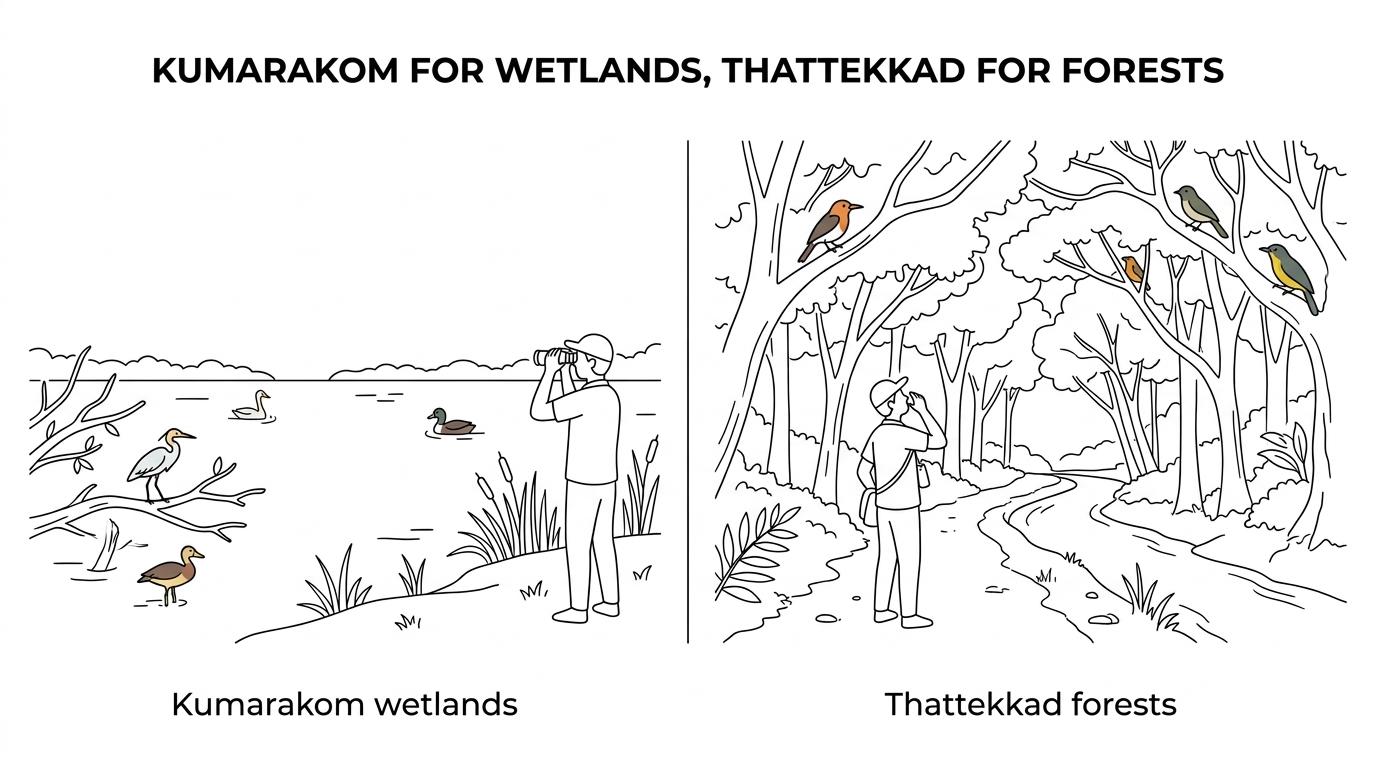
Thattekkad is especially appealing for travelers who want species diversity rather than only lake and marsh birds. The sanctuary has a long-standing reputation among Indian birders for its concentration of woodland birds, and the best official season is October to March. A morning here feels very different from a morning on the backwaters, which is exactly why many experienced visitors try to include both Kumarakom and Thattekkad in the same trip.
Other birdwatching sites in Kerala worth adding to your route
Kerala’s birding map does not stop at its two best-known sanctuaries. Official tourism sources also name Kadalundi, Arippa, Chimmini, and Pathiramanal as notable locations, each adding a different habitat style and pace to a trip.
If time allows, these sites broaden the experience:
- Kadalundi: estuarine birdwatching with mudflats, water movement, and strong winter appeal
- Pathiramanal: an island setting on Vembanad Lake that pairs well with backwater routes
- Chimmini: forest-focused birding in a quieter inland setting
- Arippa: lowland forest habitat for travelers who want more than wetland observations
These places are often best treated as complements rather than substitutes. A focused Kerala birdwatching itinerary becomes much richer when it mixes one wetland site, one forest site, and one coastal or estuarine stop.
Common bird species to look for in Kerala
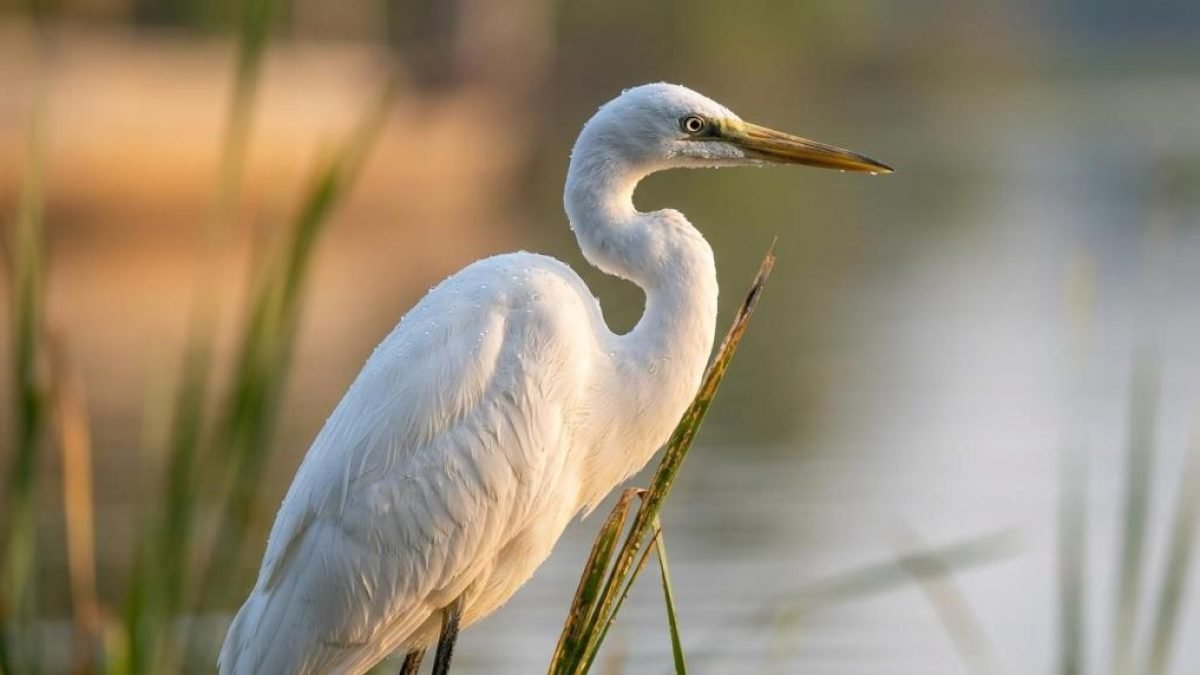
Birdwatching in Kerala is often easiest to think about by habitat. In wetland and backwater areas, many watchers hope to see egrets, herons, cormorants, darters, ducks, and moorhens. These are the birds that define the visual character of places like Kumarakom, where open water and reed-lined edges create steady activity throughout the morning.
Tree cover adds another layer. Woodpeckers, owls, parrots, and other resident woodland birds are regularly associated with Kerala sanctuaries in official descriptions. In the right setting, a birding session becomes less about large numbers on the water and more about patient observation in mixed vegetation, where movement may be brief but deeply satisfying.
Migratory birds give winter birdwatching its extra energy. Their arrival changes both species mix and density at many wetlands. This is why November to February is so often recommended for visitors who want the broadest possible checklist in a shorter trip.
Not every outing will be dramatic, and that is part of the craft. Good birdwatching often comes from repeating quiet habits: return to the same edge twice in one morning, scan higher branches after checking the water, and stay still long enough for the habitat to settle.
That emphasis on routine observation carries beyond travel too, and Foderven’s guide to feeding wild birds year-round makes a similar point in showing how consistent conditions reveal patterns in bird activity over time.
Birdwatching seasons in Kerala by travel style
Some travelers want the best odds of seeing migratory birds, while others are drawn to eco-tourism opportunities, soft green scenery, fewer crowds, or combining birding with a honeymoon, family holiday, or photography-focused trip. Kerala is flexible enough to support all of those goals.
If the main priority is species range, winter remains the most dependable season. If the priority is atmosphere and resident bird activity in a wetland setting, monsoon and early post-monsoon periods can still be rewarding, especially around Kumarakom. Forest birding at the Thattekad Bird Sanctuary is usually most comfortable in the cooler stretch from October to March.
That makes season choice less rigid than it first appears. Kerala has a prime birdwatching window, yes, but it also has site-specific strengths that can shape a more thoughtful itinerary.
Practical tips for planning a birdwatching trip in Kerala
A good Kerala birding day starts early. Light improves identification, temperatures stay pleasant, and bird activity is strongest in the first few hours after sunrise. In wetlands, late afternoon can also be productive, especially when waterbirds return to feeding and resting zones.
It also helps to keep travel time realistic. Rather than trying to cover too many sanctuaries in one rush, many travelers do better with two strong bases. One can be in the backwaters, often around Kumarakom, and the other in a forest-linked region, often near Thattekkad. That split gives the trip clear ecological contrast without making each day about the road.
Pack with field time in mind:
- muted colors : a dependable pair matters more than extra gadgets
- Clothing: muted colors work better than bright tones
- Footwear: light, comfortable shoes are usually enough for most sanctuary paths
- Notebook or app: useful for species logs and quick habitat notes
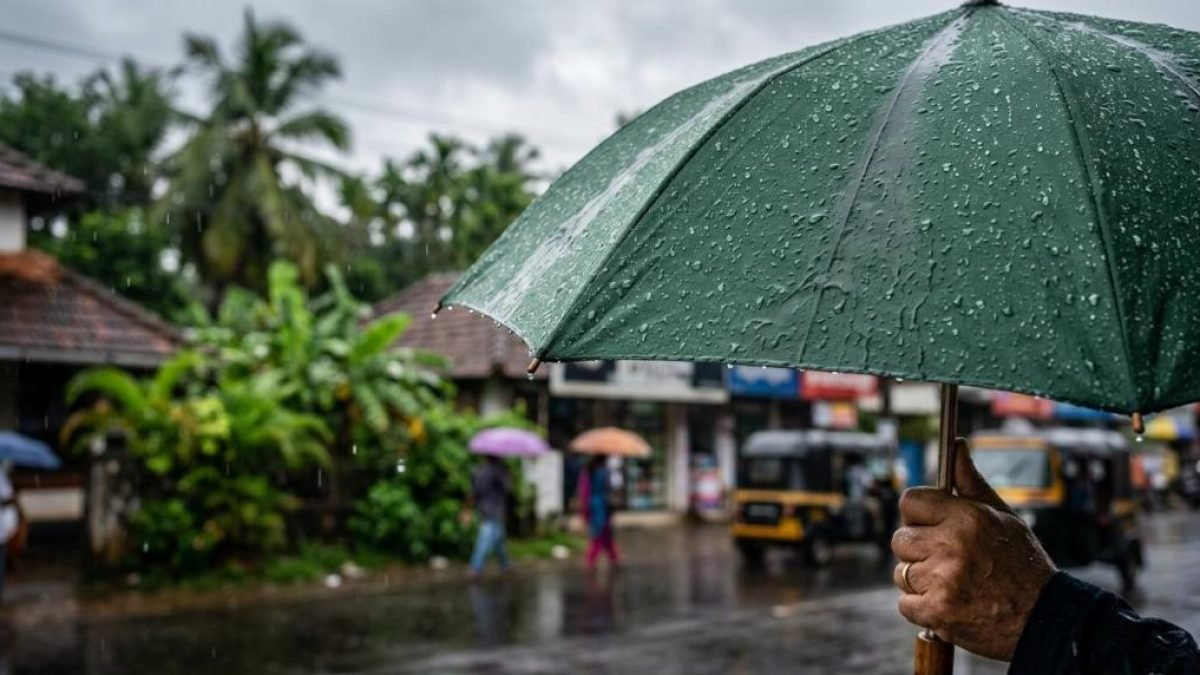
- Rain protection: smart in Kerala across much of the year
Local guidance can be very helpful, especially in wooded habitats where calls and behavior matter as much as visibility. A well-planned trip may also include transport timing, nearby accommodation, and early-entry logistics, which can make the birding day feel more focused from the start.
How to combine Kerala birdwatching sites into one itinerary
A short trip can still be strong if it is structured around habitat contrast rather than distance. Three to five days is enough for many travelers to get a satisfying introduction to Kerala birdlife.
One simple format works well to appreciate the region’s biodiversity, especially when including the rich ecosystems of the Western Ghats:
- Begin with Kumarakom for wetland and backwater birding.
- Move to Thattekkad for woodland and river-edge species.
- Add Kadalundi or Pathiramanal if coastal or additional wetland habitat fits the route.
That kind of plan suits many travel styles, from dedicated birders with optics and checklists to [couples or families](https://tropertours.in/kerala-tour-guide-for-honeymooners-and-families/) who want birdwatching woven into a broader Kerala holiday. The state makes that combination feel natural, which is one of its strongest advantages for anyone planning time outdoors.
Frequently Asked Questions about Birdwatching in Kerala
Birdwatching in Kerala offers incredible opportunities to experience a diversity of avian life. Whether you’re an enthusiastic birder or a curious traveler, knowing the basics can enhance your experience.
What are the best months for birdwatching in Kerala?
October to March is the ideal season, with peak migratory activity from November to February.
Which sites are recommended for birdwatching in Kerala?
Kumarakom and Thattekkad are renowned; other notable sites include Kadalundi, Pathiramanal, Chimmini, and Arippa.
What types of birds can I expect to see in Kerala?
You can observe a variety of birds such as egrets, herons, cormorants, woodpeckers, parrots, and migratory species during winter.
How should I prepare for a birdwatching trip in Kerala?
Start early in the day, wear muted colors, bring a notebook or app for logging sightings, and plan for varying travel times between sites.
Can I combine birdwatching with other activities in Kerala?
Yes, birdwatching can easily be paired with backwater stays, hill holidays, or included in a broader South Indian itinerary.