Kumarakom Bird Sanctuary is one of those places in Kerala that rewards an early wake-up call. The setting is gentle, green, and quiet, yet the experience can feel remarkably vivid once the first calls of the morning begin to travel across the trees and the lake edge.
Set beside Vembanad Lake in Kottayam district, this sanctuary works best when approached with the right expectations. It is not a massive wilderness reserve where visitors spend an entire day crossing long distances. It is a compact, 14-acre birding stop with walking paths, waterside views, and access to boat-based sightings in the surrounding backwaters. That mix is exactly what makes it so appealing.
Kumarakom Bird Sanctuary location and why it matters
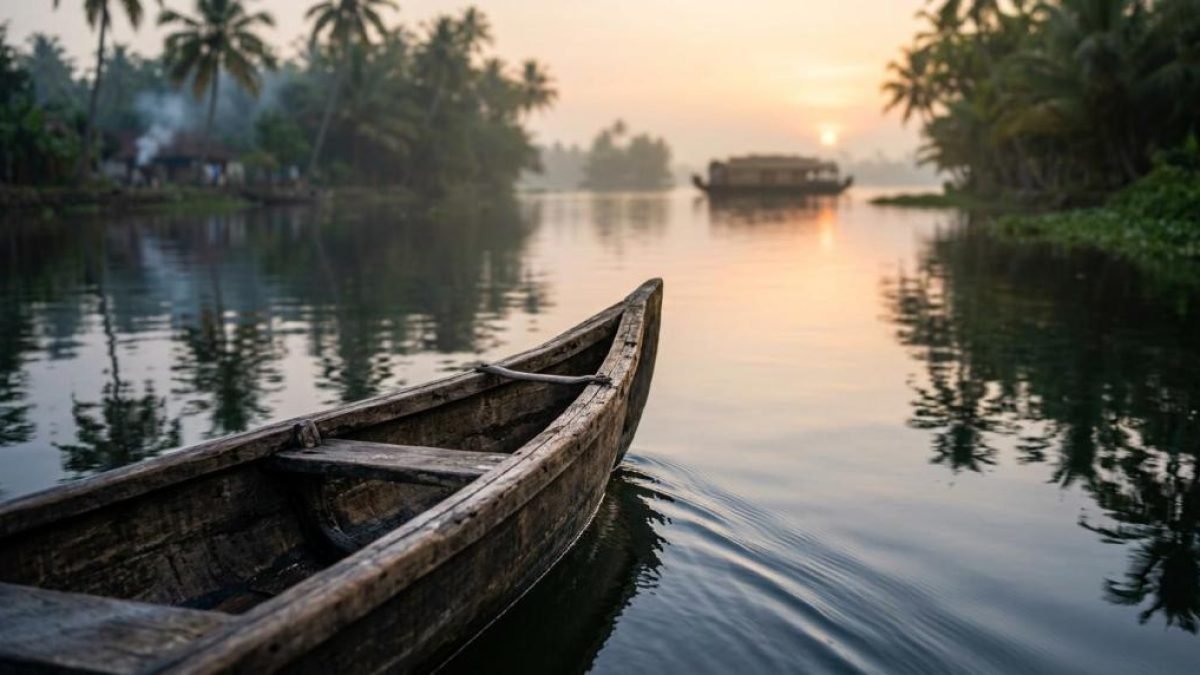
Kumarakom Bird Sanctuary sits on the banks of Vembanad Lake in Kumarakom village, within Kerala’s Kottayam district. You will also see it referred to as Vembanad Bird Sanctuary. The location is a major part of its appeal because it places birdlife right inside one of Kerala’s best-known backwater landscapes.
That setting changes the experience in a meaningful way. You are not simply visiting a bird park. You are stepping into a wetland environment shaped by canals, lake margins, trees, reeds, and still water, making it a unique opportunity for eco-tourism. Even for travelers who are not dedicated birders, the sanctuary feels connected to the wider character of Kumarakom, where houseboats, village life, and slow-moving waterways define the atmosphere.
Official tourism sources describe the sanctuary as covering about 14 acres. They also present slightly different species counts. National tourism material cites more than 180 bird species, while district records note 91 species of local birds and 50 species of migratory birds. For visitors, the main takeaway is simple: the sanctuary has strong biodiversity for a small site, and the seasonal movement of birds is a real draw.
Best time to visit Kumarakom Bird Sanctuary for birdwatching
Season matters here, and timing your visit well can change the quality of the experience.
Kerala Tourism identifies two especially rewarding windows. June through August is best for local birdwatching, when resident birds are active in the lush monsoon landscape. November through February is the prime period for migratory birds, which is when many travelers hope for the richest sightings.
If your main goal is bird photography or a classic birding experience, winter is usually the strongest choice. The weather tends to be more comfortable for long outdoor sessions, the light can be beautiful in the early hours, and migratory movement adds excitement to each scan of the trees and water.
Monsoon visits have their own appeal. The greenery is richer, the water-world atmosphere feels deeper, and resident birdlife can be very active. Travelers who enjoy dramatic skies and a more romantic backwater mood often love this season, even if the day’s rhythm is more weather-dependent.
| Season | What stands out | Best for |
|---|---|---|
| June to August | Resident birds, lush greenery, monsoon atmosphere | Nature lovers, repeat Kerala visitors, local birdwatching |
| September to October | Transitional conditions, fewer peak-season crowds | Flexible travelers combining multiple Kerala stops |
| November to February | Migratory birds, pleasant mornings, strong birding conditions | First-time visitors, photographers, serious birdwatchers |
| March to May | Warmer weather, shorter active birding windows | Early morning visitors already staying in Kumarakom |
Kumarakom Bird Sanctuary timings and ideal visiting hours
The sanctuary is generally open from 06:00 AM to 06:00 PM, according to official tourism listings.
Those hours are useful, though the best experience is usually far shorter than a full-day stay. Dawn through early morning is the sweet spot. Birds are more active, the air is cooler, and the soft light gives the landscape a calm, cinematic quality.
Late afternoon can also be pleasant, especially for travelers who prefer a slower schedule. Still, if you must choose only one slot, early morning is the clear winner.
Birds to spot at Kumarakom Bird Sanctuary
The sanctuary is known for both resident and migratory species. Kerala tourism sources list resident birds including egrets, herons, kingfishers, darters, cormorants, and waterfowls. District references also separate local and migratory populations, which helps explain why the sanctuary feels different at different times of year.
Not every visitor will arrive with a field guide and a long species checklist, and that is perfectly fine. Kumarakom works beautifully even for casual observers. The sight of a kingfisher flashing over water or a cluster of egrets resting in the trees can be memorable without any expert-level identification.
After that first impression, many travelers quickly become more attentive. The sanctuary encourages slower looking. You begin to notice silhouettes, flight patterns, feeding behavior, and the way the lake edge supports different kinds of birdlife.
A few birds and bird groups that visitors often hope to see include:
- Egrets
- Herons
- Kingfishers
- Darters
- Cormorants
- Teals
- Waterfowl
- Seasonal migratory birds
Reports from local travel circuits also mention migratory visitors including storks and other wetland birds during the stronger migration months, highlighting the importance of the wetlands to these species. Actual sightings depend on season, time of day, weather, and patience.
What the visitor experience is actually like
The sanctuary experience is best thought of as a combination of walking, pausing, scanning, and occasionally taking to the water. This is not a fast-paced attraction. It rewards calm attention.
Walking trails let visitors move through shaded sections and look outward toward bird habitat. Watchpoints and open views help with spotting activity in the trees and near the waterline. Guided birdwatching can add a great deal, especially for those who want help with species identification or behavior cues.
Boat access is another important part of the appeal. Government and district tourism references note that houseboats and motorboats are available in Kumarakom for birdwatching cruises. While the sanctuary itself is compact, the surrounding backwater environment extends the birding potential in a very natural way.
That wider setting is often what turns a short visit into a richer half-day experience.
Walking trails, watchtowers, and boat rides in Kumarakom
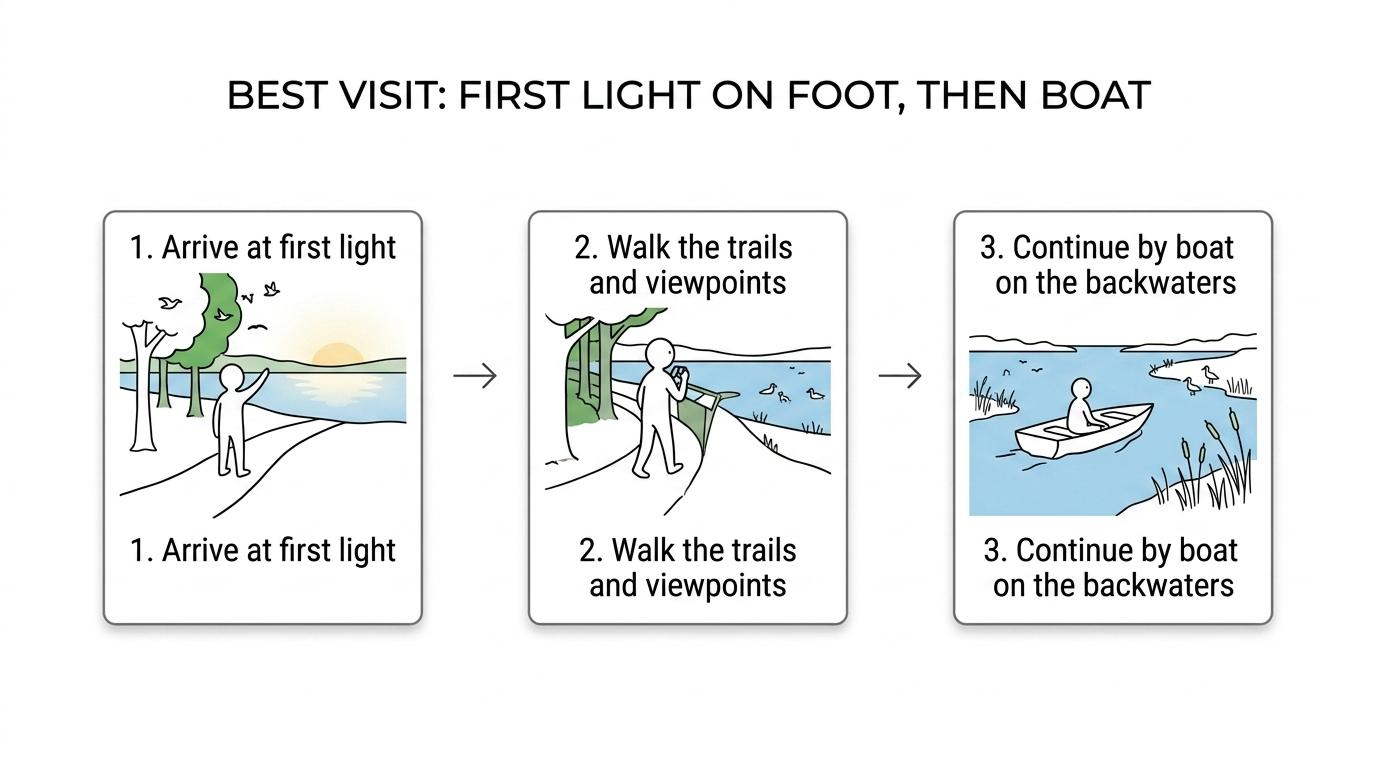
Most visitors do well with a simple plan: begin inside or near the sanctuary at first light, spend time on foot while the birds are active, then follow with a boat ride if the schedule allows. This order makes sense because it captures the strongest morning conditions before the day warms up, offering an excellent opportunity for eco-tourism enthusiasts to observe wildlife.
A good visit often includes these elements:
- Walking trails: Slow observation, shaded sections, easier photography from land
- Watchtowers or viewing points: Wider views over habitat and better scanning
- Motorboat rides: Broader coverage of backwater edges in less time
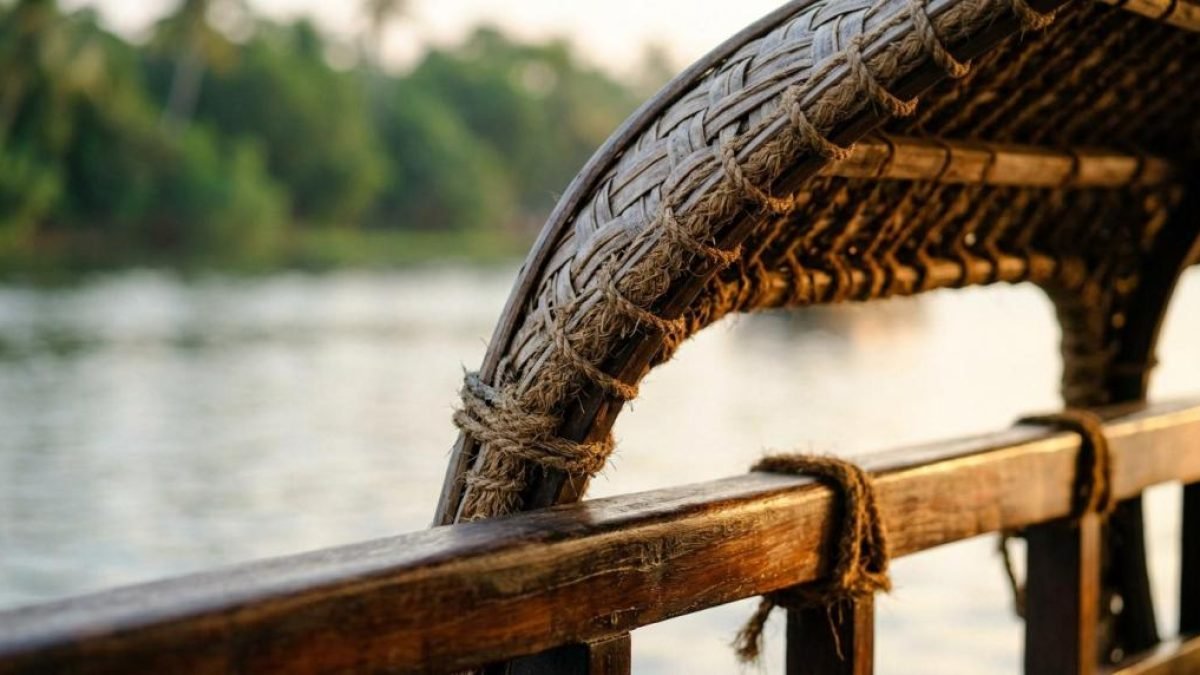
- Houseboat-based viewing: A gentler pace for travelers combining birding with a backwater stay
- Guided birdwatching tours: Better identification support and a more informed experience
Travelers with children or older family members often appreciate this flexible structure. The sanctuary can be enjoyed in short, manageable stretches rather than as a demanding excursion.
How much time to plan for Kumarakom Bird Sanctuary
For most visitors, two to three hours is enough for a satisfying sanctuary visit if it is timed well. A dedicated birder may want longer, especially in migration season, though the value still comes more from timing than from sheer duration.
If you are already staying in Kumarakom, the sanctuary fits beautifully into a larger Kumarakom experience. Start with birdwatching at sunrise, return for breakfast, then continue with a backwater cruise, village sightseeing, or a restful lakeside afternoon.
If you are visiting from another Kerala destination, the sanctuary still works well as a focused morning stop, especially when paired with Kumarakom’s waterfront experiences.
How to reach Kumarakom Bird Sanctuary
Kumarakom is well connected by road and is commonly accessed through Kottayam. Travelers moving through central Kerala often reach the area by private car, taxi, or a pre-arranged transfer. The nearest railway access for many visitors is Kottayam, and onward road travel is straightforward.
Because birdwatching is time-sensitive, overnighting in Kumarakom usually gives the best result. Arriving the previous evening allows a prompt start the next morning, which is far better than losing the prime birding window during transit.
For travelers planning a broader Kerala route, Kumarakom pairs naturally with Alleppey, Thekkady, Munnar, Kochi, and the temple towns of Tamil Nadu if the itinerary extends eastward.
What to wear and carry for a better visit
Preparation does not need to be elaborate, though a few choices can make the visit much more comfortable.
The sanctuary is a place where quiet observation matters, so practical clothing works better than heavily styled vacation wear. Light breathable fabrics are ideal, and subdued colors can help you blend into the setting more comfortably.
A small day kit is usually enough:
- Binoculars: The single most useful item for meaningful birdwatching
- Camera with zoom: Helpful if photography matters to you
- Water bottle: Mornings can turn warm quickly
- Walking shoes: Better grip and comfort on natural paths
- Insect repellent: Sensible in wetlands, where mosquitoes are often present
- Light rain protection: Especially useful in monsoon months
A notebook or birding app can also be surprisingly enjoyable. Even casual visitors often like recording what they spotted once they begin paying closer attention.
Nearby Kumarakom backwater activities to combine with the sanctuary
Kumarakom Bird Sanctuary rarely stands alone as a destination. It fits best inside a larger Kumarakom experience, which is good news for travelers who want both nature and comfort.
The obvious pairing is a backwater cruise. After birdwatching on foot, moving onto the water gives the landscape a new shape. Coconut groves, canals, village jetties, and lakeside life all come into focus. This is where Kumarakom differs from many birding stops. The surrounding destination adds texture before and after the sanctuary visit.
Popular pairings around Kumarakom include:
- Backwater motorboat rides
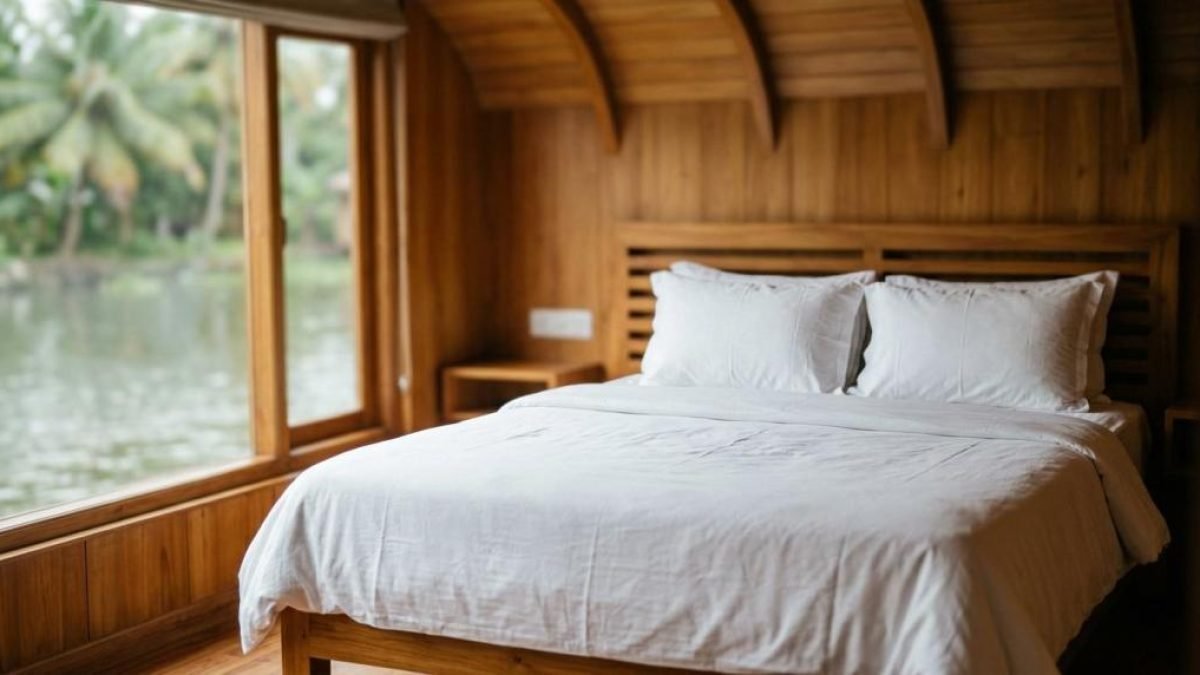
- Houseboat stays
- Village walks
- Lakeside resorts
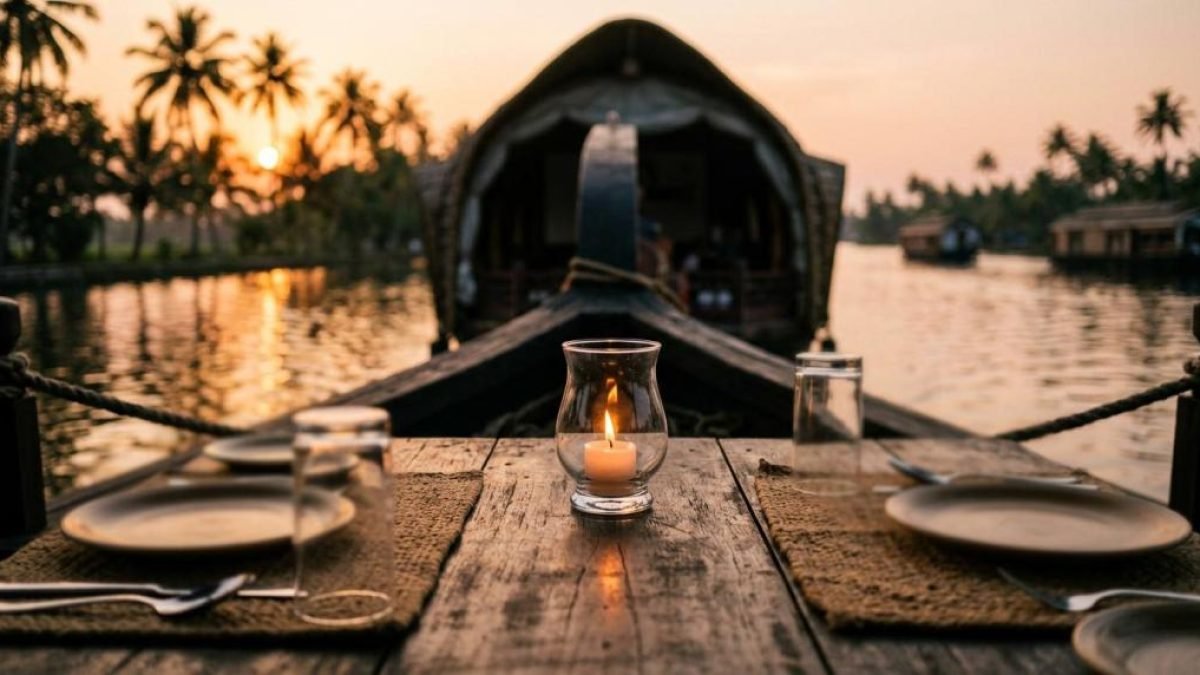
- Sunset cruises
- Ayurveda wellness experiences
Couples often like the sanctuary as part of a calm and refined backwater stay. Families appreciate that it is outdoorsy without being strenuous. Solo travelers tend to enjoy the reflective pace, especially when the morning begins before the crowds.
A smart one-day Kumarakom plan for first-time visitors
A first visit does not need to feel rushed. One well-structured day can cover the essentials with room to enjoy the place rather than simply tick it off.
Start early. Reach the sanctuary close to opening time at 06:00 AM, spend the best light on the trails and viewing points, and keep your phone use low so your attention stays on the sounds and movement around you. After breakfast, shift to the lake experience through a motorboat or houseboat ride. Keep midday for rest, dining, or resort time. If energy remains, return to the waterfront toward evening.
Practical tips for a rewarding Kumarakom Bird Sanctuary visit
The sanctuary is simple to enjoy, though a few habits make the experience better.
- Arrive early: Bird activity and light are usually strongest soon after opening
- Stay patient: Good sightings often come after several quiet minutes in one place
- Keep voices low: Wetland birding improves when the atmosphere stays calm
- Use a guide if possible: Even a short guided session can sharpen what you notice
- Pair land and water: Walking plus a boat ride gives the fullest sense of Kumarakom
For travelers who value slow, well-planned nature experiences and are interested in eco-tourism, Kumarakom Bird Sanctuary is easy to recommend. It offers an appealing balance: accessible yet atmospheric, compact yet rich, and firmly rooted in the wider beauty of Kerala’s backwaters.
FAQ: Kumarakom Bird Sanctuary
Nestled in the vibrant ecology of Kerala, Kumarakom Bird Sanctuary offers visitors a unique blend of tranquility and engagement with nature. Whether you’re a seasoned birder or a curious traveler, understanding the essentials can enhance your visit exponentially.
What are the opening hours of Kumarakom Bird Sanctuary?
The sanctuary opens daily from 06:00 AM to 06:00 PM.
When is the best time to visit for birdwatching?
For local birds, June to August is ideal, while November to February is best for migratory birds.
How much time should I plan for a visit?
Allocate about two to three hours for a fulfilling experience.
What birds can I expect to see?
You can spot egrets, herons, kingfishers, and waterfowl, along with seasonal migratory birds.
Is there guided birdwatching available?
Yes, guided tours are highly recommended for a more insightful visit.
Are boat rides offered at the sanctuary?
Boat rides are available, providing an expanded perspective of the backwaters.
How do I reach Kumarakom Bird Sanctuary?
The sanctuary is well-connected by road via Kottayam, with the nearest rail connection at Kottayam Railway Station.
What should I wear and bring?
Wear light, breathable clothing and bring binoculars, a camera, a water bottle, walking shoes, and insect repellent.
Can the sanctuary visit be combined with other activities?
Yes, complement your sanctuary visit with backwater cruises, houseboat stays, and Ayurveda wellness experiences.