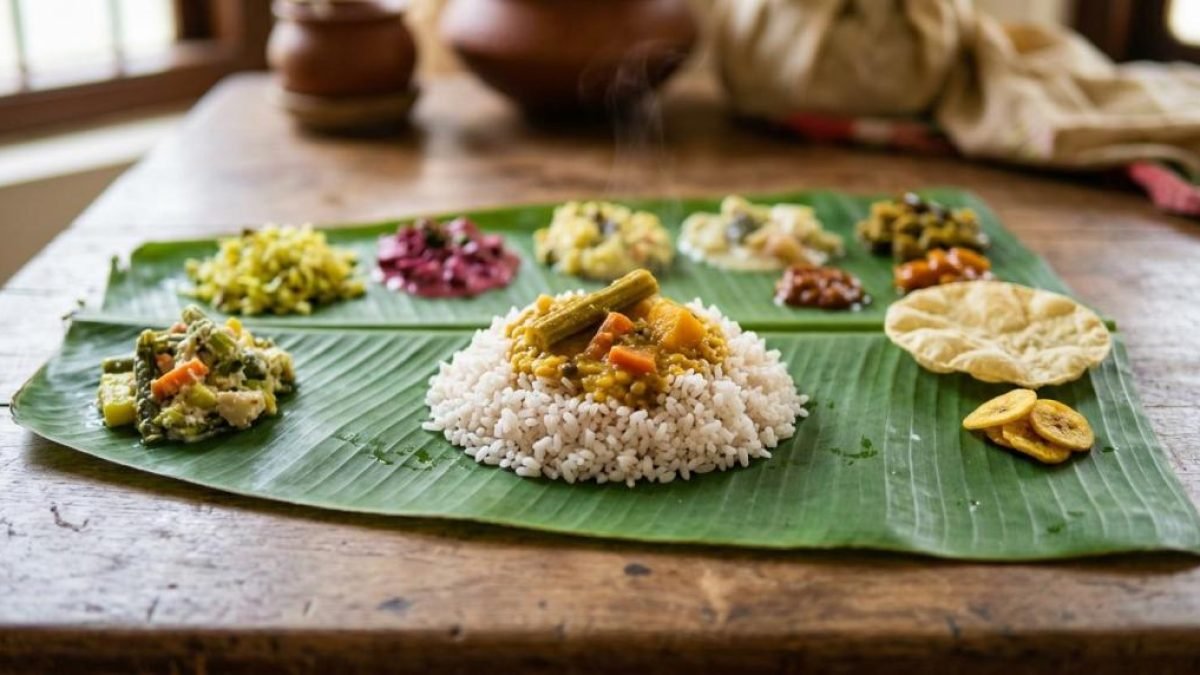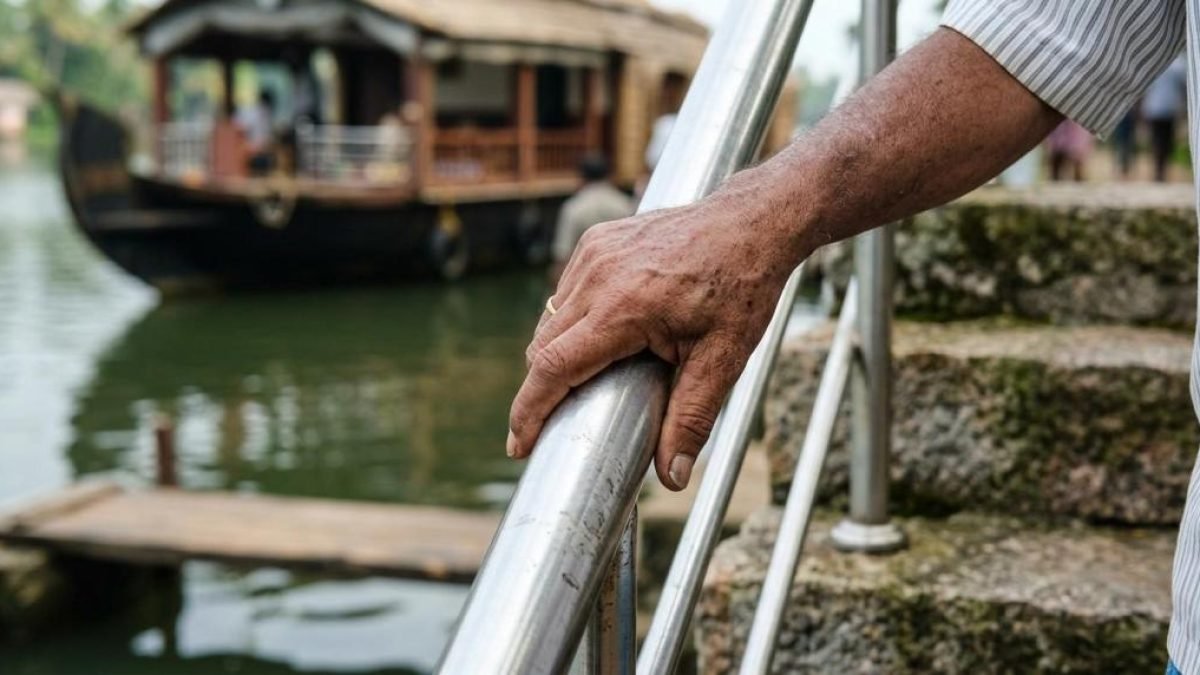
Thrissur has a rare kind of presence. It is not simply a city with temples, festivals, and old neighborhoods; it is a city with a rich history that permeates every corner. It is a place where public life, ritual life, and artistic life still meet in the same open spaces, often with remarkable intensity.
Official tourism and government sources consistently identify Thrissur as the cultural capital of Kerala, and that description holds up well under scrutiny. The district is home to major temple festivals, historic sacred architecture, strong performing arts traditions, and civic spaces that keep culture visible rather than tucked away behind museum walls.
For travelers who want a richer view of Kerala, Thrissur offers exactly that.
Why Thrissur is known for Kerala culture
Thrissur’s cultural identity is tied to both symbolism and substance. Symbolically, it sits in central Kerala and has long functioned as a gathering point for festivals, religious processions, music, and community celebration. In practical terms, it contains some of the state’s most recognized cultural landmarks, including Thrissur Pooram, Vadakkumnathan Temple, and the great festival traditions associated with temple towns across the district.
Kerala Tourism presents Thrissur as a land of temples, festive gaiety, folk performance, and the globally known Thrissur Pooram. The district administration also refers to it as the cultural capital of Kerala and the land of Poorams. That consistency matters. This is not just a poetic label used in travel writing. It is part of the district’s official identity.
The district itself is substantial in scale and influence. According to the Thrissur district profile, the district covers about 3,032 square kilometers in central Kerala. The same profile, drawing on the 2011 census, lists a population of 3,110,327 and a literacy rate of 95.32%. That mix of population size, educational strength, and deep-rooted public culture helps explain why Thrissur remains so central to Kerala’s cultural imagination.
A few elements define the reputation of Thrissur most clearly:
- Festival tradition: Thrissur Pooram, Arattupuzha Pooram
- Temple heritage: Vadakkumnathan Temple, Guruvayur Sri Krishna Temple
- Performance culture: Chenda Melam, folk arts, Pulikali
- Civic setting: Thekkinkadu Maidan as the city’s ceremonial heart
Thrissur Pooram and the public culture of celebration
If one event captures Thrissur’s identity most vividly, it is Thrissur Pooram. Held annually at the Vadakkumnathan Temple grounds, it is widely recognized as one of Kerala’s grandest temple festivals. Decorated elephants, umbrella exchanges, percussion ensembles, and mass public participation give the festival an atmosphere that feels both ceremonial and electric.
What makes the event especially striking is its scale without loss of meaning. Thrissur Pooram is not merely a spectacle staged for visitors. It is still rooted in temple custom, community organization, and musical discipline. The percussion performances, especially Chenda Melam, are not background entertainment. They are central to the emotional architecture of the event.
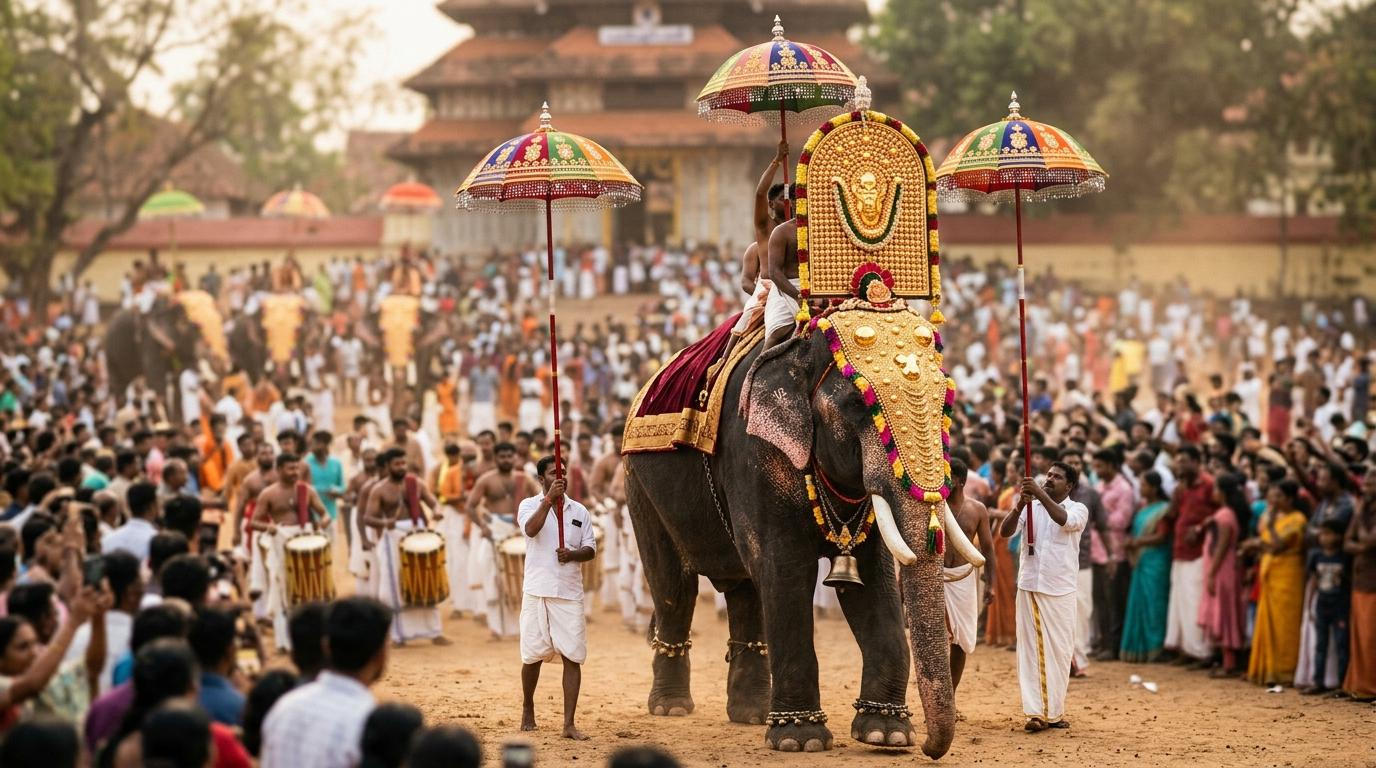
This is one reason Thrissur stands apart. In many destinations, culture is presented in curated fragments. In Thrissur, it still arrives in full volume, in public, and with a strong sense of continuity.
The district’s festival identity extends beyond one event. Arattupuzha Pooram, another major temple festival linked to Thrissur’s cultural life, adds historical depth to the district’s reputation as the land of Poorams. Pulikali, the famous tiger dance associated with Onam season in Thrissur, adds another layer: festive, visual, theatrical, and immediately recognizable.
Vadakkumnathan Temple and Thrissur heritage architecture
At the center of the city stands Vadakkumnathan Temple, one of Kerala’s most important historic temples and a defining landmark of Thrissur’s cultural character. Kerala Tourism describes it as a centuries-old temple built in the classic Kerala architectural style, with wood carvings and murals that reflect the region’s artistic vocabulary.
The temple’s importance is not only religious, but also encompasses a deep history. It is also a major conservation story. UNESCO recognized the restoration of the Sree Vadakkunnathan Temple complex with an Award of Excellence in 2015. According to the UNESCO award profile, the project drew on indigenous knowledge, ritual protocol, and modern conservation practice. It involved 300 artisans over a decade, with work focused on stabilizing the wooden structures and restoring mural traditions.
That recognition places Vadakkumnathan Temple in a wider heritage conversation. Thrissur’s cultural value is not based only on living festival traditions. It is also visible in the preservation of architecture, craft, and ritual spaces that continue to function in everyday life.
Important places to visit in Thrissur district
Thrissur rewards travelers who like variety. Within one district, it is possible to move from temple towns to busy festival spaces to dramatic natural scenery. That range makes it a strong addition to a larger Kerala itinerary, especially for travelers who want more than beaches or backwaters.
A useful way to think about the district of Thrissur is to see it in three layers: sacred centers, festival heritage, and nearby landscape experiences.
| Place | Why it matters | Best suited for |
|---|---|---|
| Vadakkumnathan Temple | Historic Kerala temple architecture and the ceremonial core of Thrissur | Culture-focused travelers, heritage visitors |
| Thekkinkadu Maidan | The open ground around the temple that anchors the city’s public life and major festivals | Walks, festival viewing, city orientation |
| Guruvayur Sri Krishna Temple | One of South India’s most revered pilgrimage centers, attracting millions of devotees | Pilgrims, spiritual travelers, first-time visitors |
| Arattupuzha | Associated with one of the region’s major Pooram traditions | Festival travelers, repeat visitors |
| Athirappilly Waterfalls | A major natural attraction often paired with Thrissur in broader itineraries | Families, photographers, nature lovers |
Guruvayur deserves special mention. Incredible India identifies the Guruvayur Sri Krishna Temple as one of the most revered pilgrimage sites in South India, drawing millions each year. Even travelers who are not on a religious trip often find the town valuable as a window into Kerala’s temple culture and devotional rhythm.
Best time to visit Thrissur for festivals and sightseeing
Timing matters more in Thrissur than in many other destinations. A trip built around a major festival can feel completely different from a quieter cultural visit focused on temples, town life, and day trips.
If your goal is to witness Thrissur at its most intense, the Pooram season is the obvious draw. Thrissur Pooram usually takes place in April or May, depending on the traditional calendar. This period offers unmatched energy, but it also brings large crowds, tighter hotel availability, and more demand for transport.
If you prefer a calmer pace, the months outside peak festival dates can be deeply rewarding. Temple visits are easier, local movement is more relaxed, and nearby excursions can be planned with greater flexibility. Monsoon travel has its own atmosphere as well, with lush landscapes and softer light, especially if Athirappilly is part of the plan.
Travel goals usually shape the best season:
- Major festival atmosphere
- Temple-focused cultural travel
- Monsoon scenery and waterfalls
- Pilgrimage-centered visits
- Slower district touring
How to experience Thrissur well
A strong Thrissur visit is less about rushing between landmarks and more about sequencing the experience properly. The city makes the greatest impact when ritual spaces, public spaces, and local rhythm are allowed to connect.
Start in the heritage core of Thrissur. The area around Vadakkumnathan Temple and Thekkinkadu Maidan gives immediate context to the city. You see how sacred geography and urban geography overlap. From there, temple towns like Guruvayur or festival-linked locations in the district begin to make much more sense.
It also helps to treat Thrissur as a district experience, not just a city stop. Many travelers underestimate how much value lies just beyond the central city, whether that means a pilgrimage town, a seasonal festival center, or a nature excursion.
A few practical habits can improve the visit:
- During festival season: Reserve accommodations and transfers well in advance
- For temple visits: Dress modestly and check local entry customs before arrival
- For cultural depth: Pair city heritage with Guruvayur or Arattupuzha
- For balanced pacing: Add Athirappilly as a contrasting nature day trip
Thrissur travel planning for one-day and two-day stays
Thrissur can work as a short stop, though it reveals much more when given at least one night. The right structure depends on whether your interest is heritage, pilgrimage, festival culture, or a broader district circuit.
One-day Thrissur itinerary with heritage focus
A one-day visit works best when centered on the city itself. Begin with the Vadakkumnathan Temple precinct and Thekkinkadu Maidan, then continue with time for local streets, food, and observation of the city’s public rhythm. If the visit coincides with festival activity, keep the plan flexible and allow extra time for movement.
This format suits travelers moving between Kochi and other central or northern Kerala destinations who still want a meaningful cultural stop rather than a quick photo halt.
Two-day Thrissur itinerary with Guruvayur or Athirappilly
With two days, the district starts to open up. Day one can remain focused on central Thrissur and its heritage core. Day two can move in one of two very different directions: Guruvayur for temple-centered travel, or Athirappilly for landscape and photography.
That contrast is part of Thrissur’s appeal. Few districts can offer a sacred urban center, one of South India’s best-known pilgrimage towns, and a major waterfall excursion within such a manageable travel frame.
For travelers building a wider South India holiday, Thrissur often works best between Kochi, Palakkad, the Nilgiris, or onward routes into Tamil Nadu. It brings a distinct cultural register to the itinerary, grounded in ritual, architecture, music, and public celebration rather than scenery alone.
And that is what gives Thrissur its staying power. It does not ask to be admired from a distance. It asks to be heard, watched, and felt in real time.
Thrissur, celebrated as Kerala’s cultural capital, seamlessly intertwines history, festival, and architecture, offering travelers an immersive experience unlike any other, rooted deeply in the heart of central Kerala. The renowned Thrissur Pooram, with its mesmerizing grandeur and vibrant public participation, epitomizes the district’s thriving cultural pulse, serving as a vibrant testament to its rich traditions. Equally captivating is the Vadakkumnathan Temple, witnessing a UNESCO-recognized restoration that reflects Kerala’s architectural elegance and the enduring legacy of sacred art forms. Beyond the urban epicenter, iconic sites like Guruvayur and the picturesque Athirappilly Waterfalls offer profound insights into Kerala’s religious vibrancy and natural beauty, enhancing the district’s diverse attractions. For travelers, Thrissur promises a holistic cultural journey, integrating sacred spaces, rhythmic festivities, and serene landscapes, inviting them to engage and connect deeply with the region’s soul.
Thrissur: Frequently Asked Questions
Thrissur, known as Kerala’s cultural capital, offers a distinctive blend of tradition, architecture, and celebration, making it a remarkable destination for those seeking a deeper connection to Kerala’s heritage.
What makes Thrissur the cultural capital of Kerala?
Thrissur hosts major festivals, historic temples, and vibrant civic spaces, making it a central hub for Kerala’s cultural activities.
When is the best time to visit Thrissur for festivals?
The most vibrant period is during Thrissur Pooram, typically in April or May, combining intense energy with cultural festivities.
What are the must-visit sites in Thrissur?
Key sites include Vadakkumnathan Temple, Thekkinkadu Maidan, Guruvayur Sri Krishna Temple, and Athirappilly Waterfalls.
How can I experience Thrissur most effectively?
Focus on the heritage core, temple towns, and nature excursions, sequencing visits to immerse in both urban and natural attractions.
What distinguishes Thrissur Pooram from other festivals?
Thrissur Pooram is renowned for its large-scale participation, elaborate rituals, decorated elephants, and spectacular percussion performances.
Can I visit Thrissur in a day?
Yes, but a two-day stay offers a deeper experience, allowing time for central Thrissur and excursions to places like Guruvayur or Athirappilly.
Is there a unique cultural aspect to Thrissur?
Thrissur offers an immersive cultural journey with its blend of ritual, music, architecture, and public festivities that demand real-time appreciation.