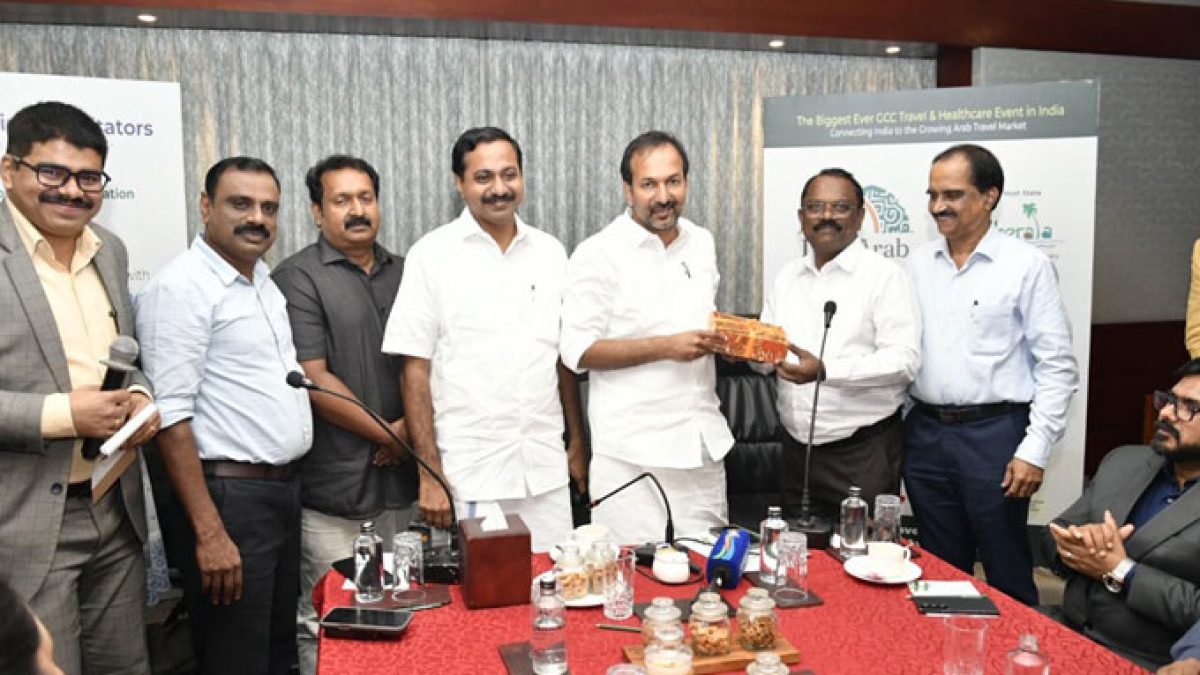
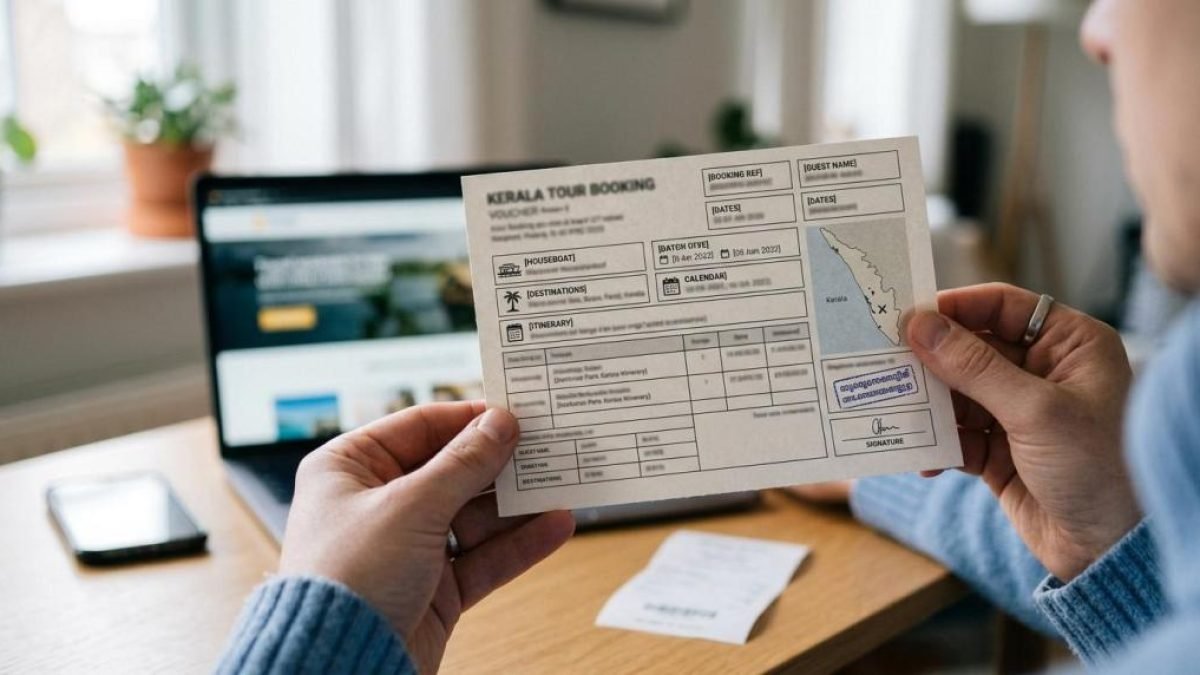
Kerala is stepping into a stronger position in medical and wellness travel, as Kerala eyes medical tourists from Middle East and the Middle East is central to that push. The logic is clear: there is already proven demand, the state has recognizable healthcare capacity, and patient support systems are becoming more organized around international arrivals.
Official Indian government data gives that story real weight. India received 6,44,387 foreign tourists for medical purpose in 2024, and medical tourism represented 6.48% of total foreign arrivals that year. Within that pool, the Middle East accounted for 17.88% of foreign arrivals contributing to medical tourism. That is not a marginal segment. It is one of the source regions that can materially shift hospital demand, aviation links, and travel services on the ground, particularly with the arab nations contributing significantly.
Why Middle East demand matters for Kerala medical tourism
Kerala is not trying to create a market from scratch. It is working with a source region that already sends patients to India and has already shown interest in Kerala’s hospitals and wellness services.
State-linked material has identified Oman, the UAE, Saudi Arabia, the Maldives, and Kochi as major inbound medical tourism source markets for Kerala. That matters because these are not only nearby countries by flight time, but also places where patients often look for a mix of quality treatment, practical travel logistics, and post-treatment comfort.
The Arab population is a significant component contributing to the growing influx of medical tourists to Kerala. As one of the predominant groups in the Middle East, Arabs are increasingly seeking medical services in Kerala due to the high standard of care and the relative proximity of the region. The cultural affinity and longstanding connections between the Arab world and Kerala further bolster this trend, making it a vital demographic in the state’s medical tourism strategy.
That combination suits Kerala unusually well.
The state sits at the intersection of clinical treatment and recovery travel. A patient may come in for surgery, cardiac evaluation, orthopaedic care, or a neurological procedure, while family members look for clean accommodation, reliable transport, language assistance, and a calmer setting for recovery. Kerala’s established visitor economy helps support that full experience rather than only the hospital stay.
Here is a simple view of the numbers and signals shaping this opportunity:
| Indicator | Latest signal | Why it matters for Kerala |
|---|---|---|
| Foreign tourists to India for medical purpose | 6,44,387 in 2024 | Confirms a large national market |
| Share of India’s total foreign arrivals tied to medical tourism | 6.48% in 2024 | Shows medical travel is a meaningful inbound segment |
| Middle East share of India’s medical tourism arrivals | 17.88% in 2024 | Validates Gulf and nearby West Asian markets as high-value targets |
| Key source markets named for Kerala | Oman, UAE, Saudi Arabia, Maldives | Indicates an existing regional pipeline for patient inflow |
| Kerala support ecosystem | Hospitals, visa support, local transport, accommodation help | Makes treatment travel easier to organize |
Kerala hospital infrastructure and treatment specialties for international patients
Medical travel grows when patients trust both the doctors and the system around them. Kerala’s pitch rests on that dual promise.
Government-linked material has described Kerala as having 31 medical colleges, 3 JCI-accredited hospitals, and 48 hospitals accredited by ISQua or NABH. Accreditation does not tell the whole story, yet it remains one of the clearest signals for international patients comparing destinations. It suggests standards, systems, and institutional maturity.
Kerala is also associated with a treatment mix, including eye treatment, that fits common medical travel demand. Reported preferred treatments for inbound medical tourists include neurology or neurosurgery, cardiology or cardiac surgery, orthopaedics, general surgery, and joint replacement. These are not fringe specialties. They are exactly the kinds of treatments where international patients tend to compare wait times, treatment costs, physician reputation, and post-operative support.
After years in which global medical travel became more structured, patients now judge destinations on more than the procedure itself. They ask whether the hospital can coordinate pre-arrival communication, whether family can stay nearby, whether airport transfers are reliable, and whether follow-up care is manageable from abroad. Kerala’s strength grows when those answers are easy and consistent.
A few treatment areas stand out repeatedly in Kerala’s inbound story:
- Cardiology and cardiac surgery
- Neurology and neurosurgery
- Orthopaedics
- Joint replacement
- General surgery
Medical visa support and international patient services in Kerala
One of the strongest reasons Kerala can gain more patients from the Middle East is that medical travel is no longer seen as only a hospital matter. It is a planning matter.

India’s government says medical visa or Ayush visa facilities are available for travelers from 171 countries. That creates a broad national framework. Kerala’s opportunity lies in turning that framework into a smooth patient path, especially for travelers who may be dealing with pain, mobility limits, or urgent treatment timelines.
Kerala Medical Value Travel Society, a government-backed platform focused on connecting global patients with healthcare services in the state, has highlighted services that go beyond hospital appointments. Its listed support includes fast-tracked medical visa processing, flight and airport transfer assistance, accommodation support, local transport help, and personalized visa guidance with invitation letters.
That is the sort of detail that influences decision-making.
Patients and families usually compare destinations through very practical questions, including these:
In tapping into the potential of attracting more patients from the Arab nations, Kerala could leverage cultural similarities, language advantages, and existing expatriate relationships. The cultural affinity and shared values with Arabs, including dietary preferences, can make Kerala a more appealing destination compared to Western alternatives. Additionally, a significant Arab expatriate population in Kerala means that marketing efforts could be supported by word-of-mouth and personal experiences, reinforcing Kerala’s position as a viable medical travel destination for the Arab population.
- Visa guidance: Clear documentation support can reduce delays before travel.
- Invitation letters: Hospitals and facilitation bodies can help formalize the treatment purpose.
- Airport transfers: A reliable pickup matters more when the traveler is unwell or elderly.
- Accommodation planning: Recovery is easier when family can stay nearby without guesswork.
- Local transport: Repeated trips for tests, reviews, and therapy need coordination.
- On-ground assistance: International patient desks help bridge medical and travel needs.
For Arab travelers from the Gulf, these details can make Kerala more competitive against other medical hubs in Asia.
Why Kerala’s wellness and recovery model fits Middle East medical travel
Kerala has an advantage that many healthcare destinations cannot replicate easily: recovery can feel intentional rather than improvised.
The state is already known for ayurveda and therapeutic wellness, and recent reporting has pointed to rising foreign demand in this area. One industry-linked report said ayurvedic medical value tourism in Kerala generated Rs 13,500 crore in 2024, up from Rs 10,800 crore in 2023. It also noted an increase in the number of ayurveda centers serving foreign nationals, from 460 in 2023 to 550 in 2024.
That growth in Kochi matters even for patients whose primary purpose is not ayurveda. A destination with established wellness infrastructure often has better recovery stays, calmer environments, and hospitality providers that understand dietary needs, rest periods, and assisted mobility.
For some Middle Eastern patients, the appeal may not be limited to one surgery or one consultation. It may be the chance to combine treatment with monitored recuperation, short breaks for accompanying family, and a less stressful setting during an otherwise difficult period.
This overlap between medicine and recuperation gives Kerala a distinct profile:
- Clinical treatment in accredited hospitals
- Rehabilitation-friendly stays
- Ayurveda-led wellness for suitable cases
- Family-friendly travel support
Why Gulf travelers may choose Kerala over other medical tourism destinations
Price often enters the conversation, but it is rarely the only factor. Medical travelers, especially those crossing borders with family, usually make decisions based on trust, clarity, and comfort.
Kerala benefits from several practical advantages. Air connectivity with Gulf markets is well established. Long-standing people-to-people ties between Kerala and the Gulf, including relationships with the Arab population, also create a level of familiarity that can lower hesitation. Patients may already know someone who has visited South India for treatment, tourism, education, or work. That social proof matters.
There is also a cultural comfort factor. Food options, prayer needs, family-centered travel habits, and private accommodation preferences are easier to accommodate in places that already host large numbers of international visitors from the region. Hospitals and hospitality providers that recognize these needs are better placed to attract repeat demand and referrals.
A successful medical trip often depends on details that have little to do with surgery itself. The patient may need wheelchair-friendly transport. A companion may need a room near the hospital for ten nights, not two. An elderly parent may need a chauffeur who can wait through appointments. When destinations solve those issues well, they become easier to recommend.
Risks in Middle East patient flows and what Kerala must account for
The opportunity is strong, but it is not insulated from external shocks.
News reporting in 2026 showed how quickly patient movement from the Middle East can dip during regional conflict. Major Indian hospitals were reported to have seen a 50% to 75% fall in overseas patient flows from the region over a two-week period during the West Asia crisis. That kind of disruption can affect treatment schedules, hotel occupancy, airline bookings, and hospital forecasting.
Kerala’s push toward this market, then, has to be smart as well as ambitious. Growth should come with resilience. That means better communication with international patients, flexible booking systems, stronger insurance and payment coordination, and realistic contingency planning when flights or diplomatic conditions shift suddenly.
It also means keeping the proposition broad. Patients may come for high-end surgeries, but wellness travelers, second-opinion seekers, preventive health visitors, and post-treatment recovery guests can help diversify demand.
What medical tourists and companions should plan before arriving in Kerala
A medical trip works best when treatment and travel are planned as one package, even if services are booked through different providers. Patients rarely benefit from fragmented arrangements.
Before arriving, travelers should think through the entire sequence, from airport pickup to discharge to recovery days. The most comfortable experiences usually come when accommodation, hospital scheduling, local transport, and follow-up reviews are mapped in advance.
A useful planning checklist includes:
- Medical records: Carry recent scans, prescriptions, summaries, and digital backups.
- Visa category: Confirm whether a medical visa or Ayush visa applies to the planned treatment.
- Companion travel: Decide who needs to accompany the patient and for how long.
- Recovery stay: Choose a hotel, serviced apartment or wellness property based on mobility and distance from the hospital.
- Transport timing: Keep buffer time for tests, traffic, and repeat visits.
- Post-treatment days: Do not assume the return flight should be booked immediately after discharge.
For travel planners and healthcare facilitators, this creates an opening to offer better structured support. Kerala is especially well placed here because its visitor economy already covers premium hotels, houseboats, wellness retreats, city transfers, hill stays, and coastal breaks. Not every medical traveler will want those extras, yet many companions do appreciate the option of a comfortable, well-managed stay while treatment is underway.
That is why the Middle East focus is more than a hospital marketing effort. It reflects a broader shift in how destinations compete for international patients. Kerala is presenting itself not only as a place for treatment, but as a place where the entire medical trip can be organized with greater ease, from visa paperwork to recuperation.
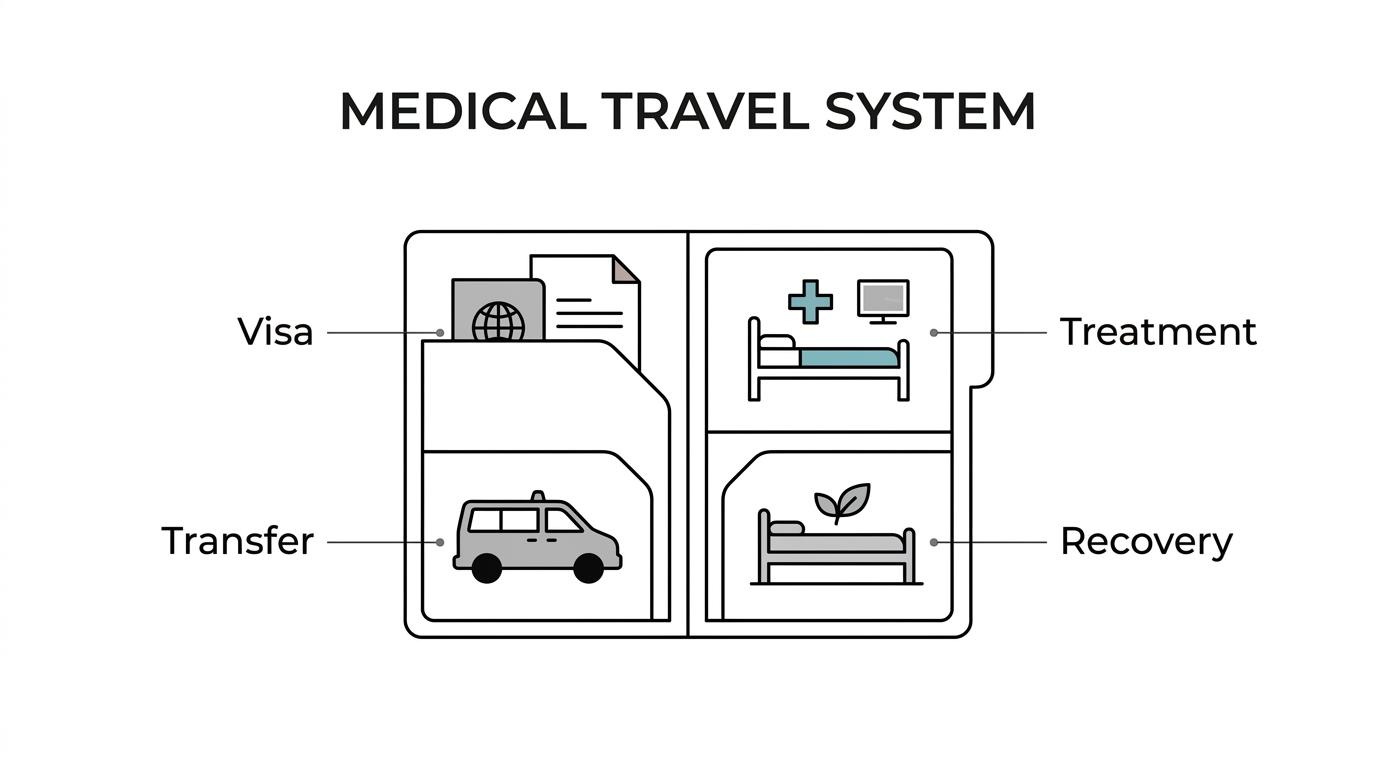
If that system keeps improving, the state will have a strong case in one of the most important regional medical travel markets available to India today.