Kerala’s boat race season has a rhythm of its own.
It begins with rivers filling under the monsoon sky, village teams preparing long before the crowds arrive, and a mood that mixes devotion, competition, music, and local pride. For travelers planning around vallam kali, the biggest advantage is timing. Once you know how the season is arranged, it becomes much easier to build a trip around the right race, the right region, and the right kind of experience.
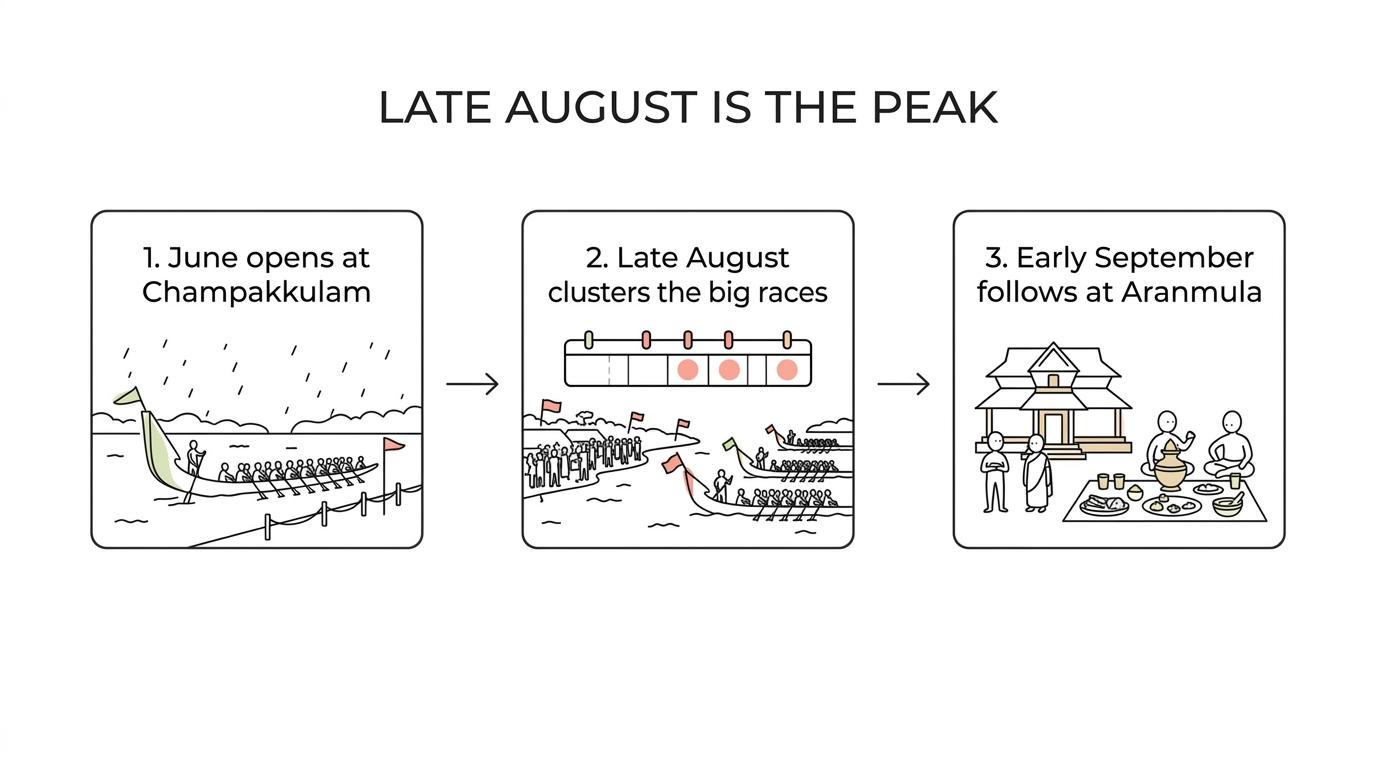
For 2026, the key official dates published by Kerala Tourism cluster between June 29 and September 4. That window covers early-season excitement at Champakkulam, high-profile August races in Alappuzha and Kumarakom, and the temple-linked observances at Aranmula that stand apart from every other major event on the calendar.
Kerala vallam kali calendar for 2026
If your goal is to see Kerala’s snake boat tradition at its most active, the 2026 calendar gives a very usable structure. Official listings place Champakkulam Moolam Vallam Kali on June 29, 2026, followed by the better-known late-August and early-September race period connected with Onam season and Aranmula observances.
The table below brings the main published dates into one view.
| Event | Date in 2026 | Location | Why it matters |
|---|---|---|---|
| Champakkulam Moolam Vallam Kali | June 29 | Champakkulam, Pampa River, Alappuzha district | Widely treated in official festival listings as the opening point of the boat race season |
| Nehru Trophy Boat Race | August 22 | Punnamada backwaters in Alappuzha | Kerala’s most famous public race spectacle |
| Kumarakom Boat Race | August 28 | Kumarakom | A strong late-August option near Vembanad Lake |
| Aranmula Boat Race | August 30 | Pamba River, Pathanamthitta district | Distinct temple-linked event using Palliyodams rather than standard chundan vallams |
| Aranmula Valla Sadya | September 4 | Aranmula Sree Parthasarathy Temple | A major ritual feast closely tied to the Aranmula tradition |
These dates make one thing very clear: if you want more than one vallam kali experience on a single trip, late August is the easiest time to plan. You can combine Alappuzha’s race atmosphere with a move inland toward Pathanamthitta for Aranmula.
Schedules should always be checked again close to travel dates. Temple calendars, weather conditions, and local administrative decisions can affect final timings even when the date itself remains the same.
What vallam kali means in Kerala culture
Vallam kali is not just a sporting event. It is one of Kerala’s most vivid public traditions, where rowing skill, ritual practice, village identity, and festive energy come together on the water.
The image most travelers recognize is the snake boat, or chundan vallam. These boats are long, narrow, and dramatic in profile, with the raised stern creating the distinctive shape that made them famous. When dozens of rowers move in strict rhythm, the effect is powerful from any viewing point, whether you are on a riverside bank, a grandstand, or a nearby boat.
The atmosphere is equally memorable.
- drumbeats and boat songs
- synchronized rowing
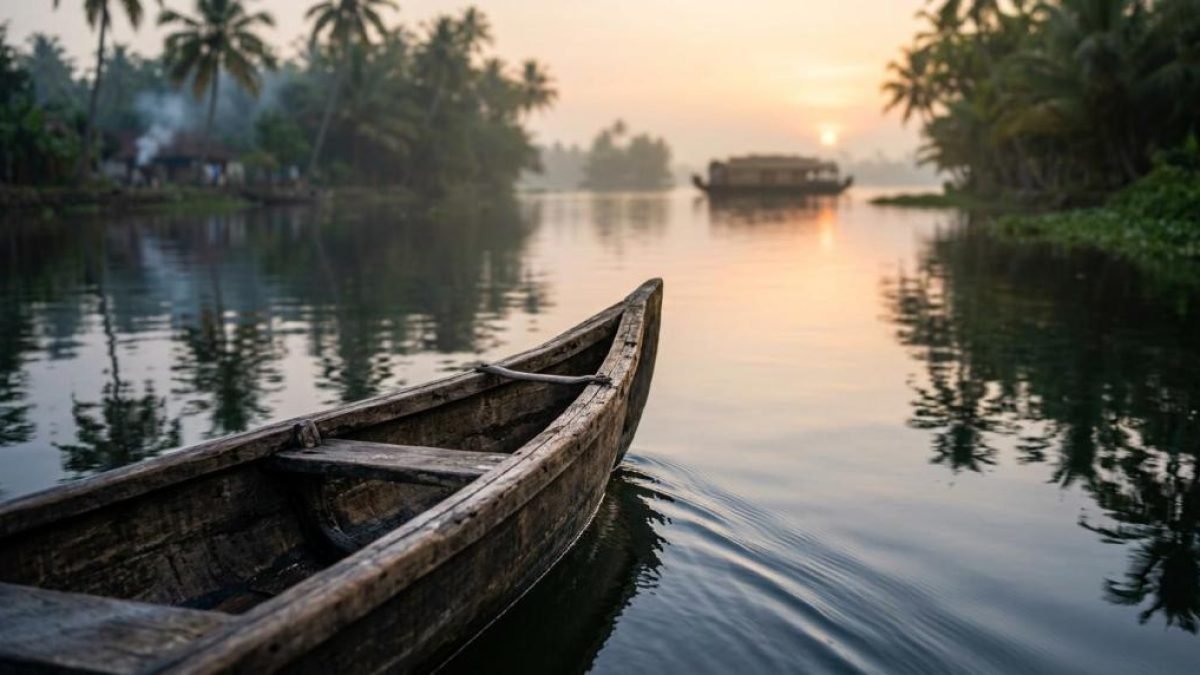
- monsoon light on the backwaters
- village team rivalries
- packed riverbanks and festive crowds
That said, not every vallam kali follows the same pattern. Some are competitive public races built around speed and prestige. Others carry a stronger ritual meaning, and Aranmula is the best example of that difference.
Champakkulam Moolam Vallam Kali in June
For 2026, Kerala Tourism lists Champakkulam Moolam Vallam Kali on June 29 at Champakkulam on the Pampa River. Official festival information also notes that this race is held on the Moolam asterism in the Malayalam month of Mithunam, which generally falls in June or July.
That timing matters for trip planning.
Champakkulam gives travelers an early-season entry point before the denser Onam travel rush. If you want to see vallam kali with a little more breathing room in your itinerary, this is one of the smartest dates to watch. The landscape is lush at that time of year, the monsoon mood is strong, and the event still carries the unmistakable excitement that makes Kerala’s boat races special.
It also helps correct a common assumption. Many visitors think of the season as beginning only with the Nehru Trophy race because that event gets so much attention. In practice, official festival listings place Champakkulam earlier, making it the first key public date in the 2026 calendar window.
A June boat race trip works particularly well if you want to combine Alappuzha’s water landscapes with quieter cultural stops, backwater stays, or a slower route through central Kerala.
Nehru Trophy Boat Race and Kumarakom boat race in August
If one race has become the public face of vallam kali, it is the Nehru Trophy Boat Race. Kerala Tourism’s 2026 event calendar lists it for August 22 at the Punnamada backwaters in Alappuzha, the setting most people associate with Kerala’s grandest race-day visuals.
This is the big stage.
The Nehru Trophy is where scale becomes part of the experience. Crowds are larger, the energy is sharper, and the race atmosphere is built for spectacle. If a traveler wants the most iconic boat-race image of Kerala, this is usually the first recommendation. It fits especially well into classic Kerala holiday plans that include Kochi, Alleppey houseboats, and Kumarakom.
Less than a week later, the calendar lists the Kumarakom Boat Race on August 28. That creates a useful pairing. Instead of treating these races as isolated events, you can see them as part of a single late-August movement across the backwater region.
For planning purposes, a few choices make a big difference:
- Best base for Nehru Trophy: Alappuzha town or a backwater stay with reliable transfer access
- Best base for Kumarakom: Kumarakom itself or Kottayam for wider hotel options
- Crowd strategy: arrive early in the day and expect traffic restrictions near the venue
- Trip style: combine race day with a houseboat or lakeside resort stay rather than a same-day long transfer
Travelers who prefer a polished, comfortable holiday often do best by staying close to the race venue the previous night. August race days are exciting, but they reward planning.
Aranmula vallam kali and why it is different
Aranmula deserves its own section because it is not simply another version of the same spectacle.
Kerala Tourism describes the Aranmula Uthrittathi Vallamkali as a grand cultural event unlike any other boat race in the state, and that description is fair. The race takes place on the Pamba River in Pathanamthitta district, and it is linked to the Aranmula Parthasarathy Temple. In the 2026 event calendar, the date is listed as August 30.
The deeper distinction is structural and ritual. Aranmula is tied to the Uthrittathi asterism in Chingam, and the boats used here are Palliyodams, not the standard chundan vallams that define many backwater races. Kerala Tourism also notes that Aranmula chundan boats differ in shape and size from the chundan vallams of Kuttanad, and official descriptions group Palliyodams into A and B grades.
Aranmula Palliyodams and temple tradition
This is where the traveler’s perspective needs a shift.
At Aranmula, the boats are not just racing craft. They carry ceremonial meaning. Official descriptions note that a Palliyodam can accommodate up to 15 people standing in the center, and the event has a devotional charge that changes the mood on the river. You are not only watching competition. You are also witnessing a temple-linked observance preserved through community participation.
A few features set Aranmula apart very clearly:
- Boats used: Palliyodams with a temple association
- River setting: Pamba River in Pathanamthitta, not the broad backwater setting of Punnamada
- Cultural tone: devotional and ceremonial as much as competitive
- Calendar link: tied to the Uthrittathi day in Chingam
For many travelers, Aranmula becomes the most meaningful vallam kali experience precisely because it is less about public spectacle alone and more about continuity, ritual, and place.
Aranmula Valla Sadya after the race period
The Aranmula calendar does not end with the boat event. Kerala Tourism lists Aranmula Valla Sadya on September 4, 2026 at the Aranmula Sree Parthasarathy Temple.
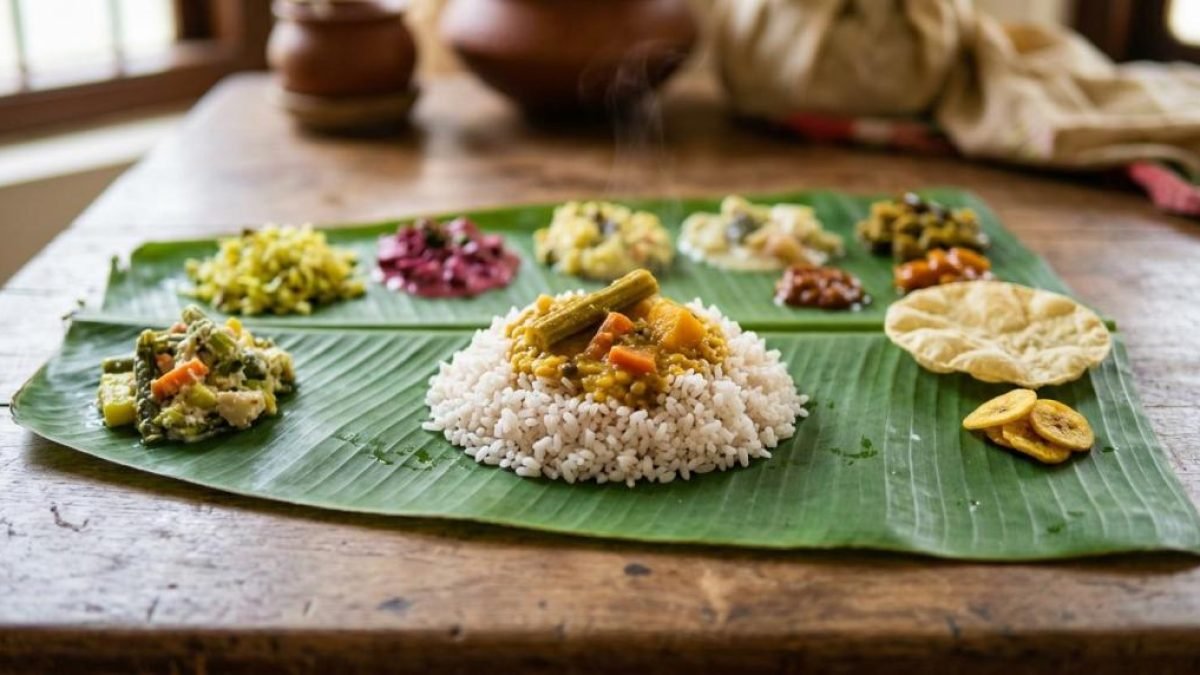
This is a major ritual feast offered by devotees to Lord Krishna, held on the eve of Ashtami Rohini in Chingam. Official descriptions mention around 60 varieties of food, which signals the scale and significance of the offering.
For travelers with a strong interest in Kerala’s living traditions, Valla Sadya adds a second dimension to an Aranmula visit. You are no longer looking only at the river tradition, but also at the temple-centered ritual life that gives the region its identity.
Best places to stay for a vallam kali trip
Where you stay should depend on which event matters most to you.
For Champakkulam and Nehru Trophy, Alappuzha is the natural base. It gives you easy access to race venues, backwater cruises, and a wide range of accommodation styles. For Kumarakom, staying close to the lake works well if your plan includes a slower, resort-focused holiday. For Aranmula, Pathanamthitta is practical, though some travelers also pair it with a stay in nearby heritage settings or with a longer route through central Kerala.
The strongest multi-stop route for 2026 is easy to picture: arrive in Kochi, move to Alappuzha for the backwater races, then continue to Pathanamthitta for Aranmula. That route keeps travel time reasonable while letting you see two very different expressions of vallam kali.
Practical Kerala travel planning for snake boat race season
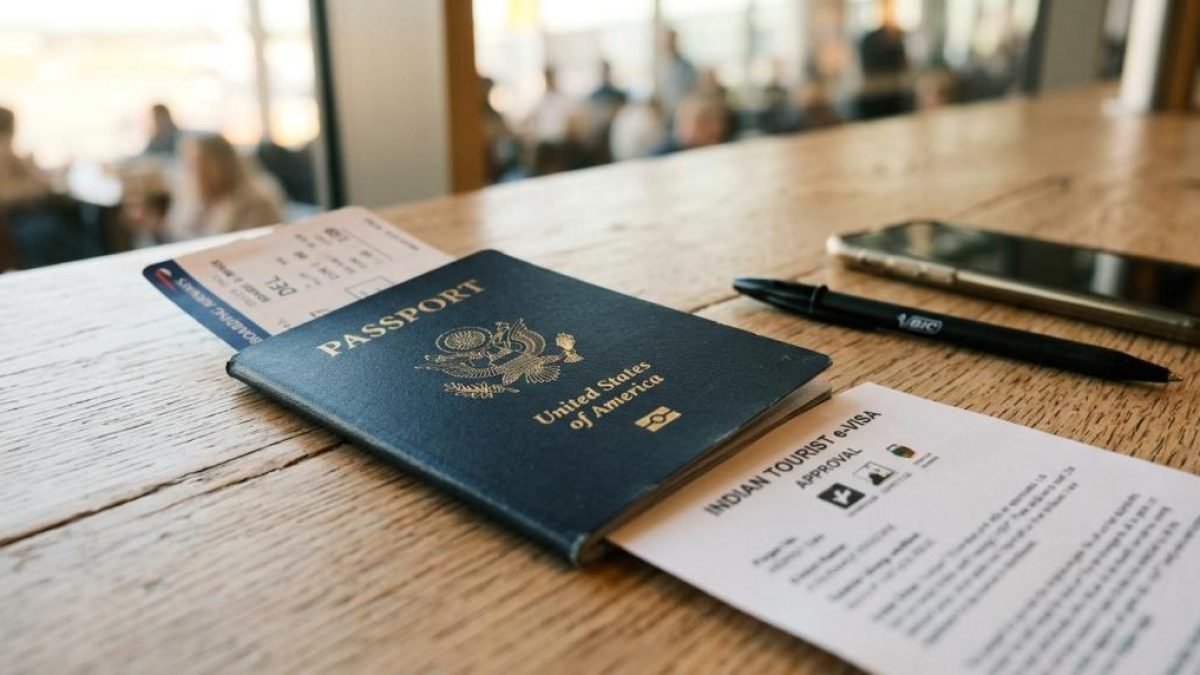
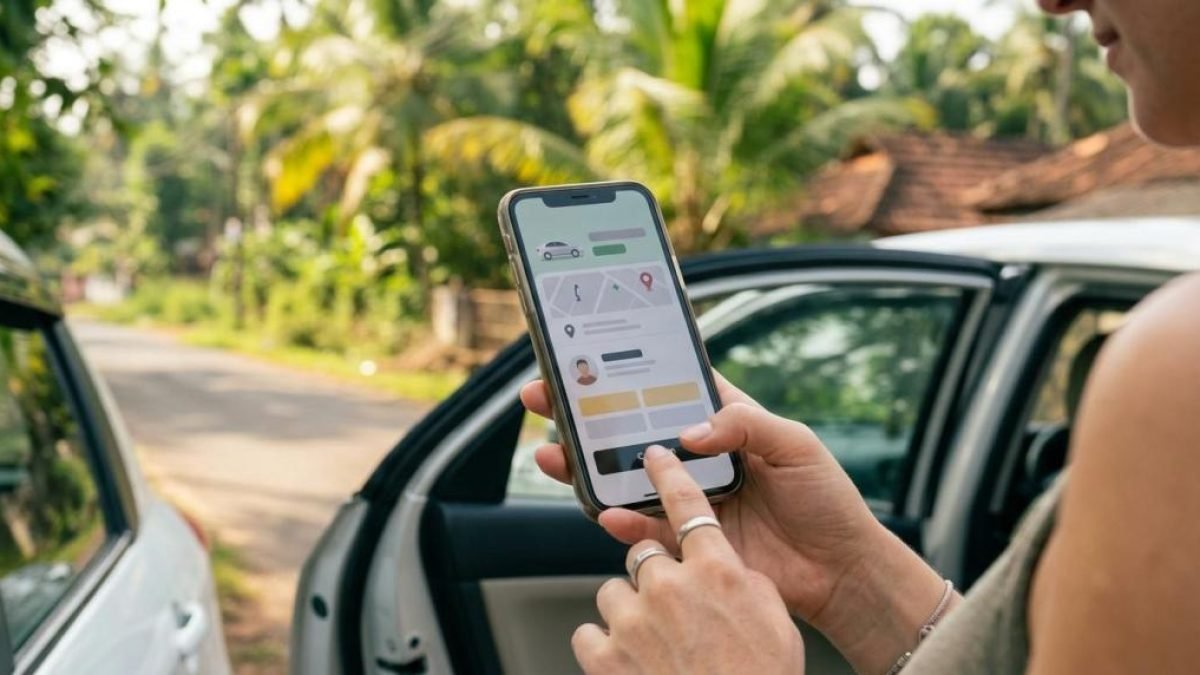
Boat race season brings excellent energy, but it also rewards precise planning. Rooms in race hubs can fill quickly, especially around late August. Transfers can take longer than expected on event days, and riverside access may involve controlled entry or limited parking.
That does not make the trip difficult. It simply means the calendar should drive the itinerary, not the other way around.
- Book early: race-week accommodation in Alappuzha and Kumarakom is best secured well in advance
- Keep dates flexible: confirm event schedules close to departure in case local timing changes
- Plan for weather: June through September means monsoon conditions, so light rain gear and quick-dry clothing help
- Choose your viewing style: some travelers want the biggest public race atmosphere, while others prefer a temple-linked cultural setting
- Bundle nearby experiences: backwaters, houseboats, Kochi heritage walks, and hill stations pair well with the race circuit
A well-planned vallam kali trip is not only about one event. It is about matching the right race to the right travel style. June offers a strong early-season opening at Champakkulam. Late August gives the most active cluster of headline dates. Aranmula adds a layer of meaning that many visitors remember long after the cheering on the river has faded.