A Kalaripayattu performance can change the pace of a Kerala trip in a matter of seconds. The room settles, the lamps glow, and what begins as a cultural program quickly reveals itself as something much deeper: discipline, memory, and physical intelligence shaped over centuries.
Many visitors arrive expecting action. They leave talking about precision.
That reaction makes sense. Kalaripayattu is not simply a theatrical fight display. It is widely presented by official Kerala and Indian cultural sources as a long-established martial tradition from Kerala, with formal training methods, weapon practice, and a strong place in the state’s cultural identity. Watching it well means seeing both the spectacle and the structure behind it.
Kalaripayattu in Kerala: origins, identity, and cultural depth
Kerala Tourism describes Kalaripayattu as the most prominent and best-known traditional martial art of Kerala. It also presents the art as having originated in Kerala more than 3,000 years ago and notes its popular reputation as the “Mother of All Martial Arts.” The Indira Gandhi National Centre for the Arts, or IGNCA, also places its origin in Kerala and describes it as more than 1,500 years old. The exact timeline differs across official sources, yet the central point is consistent: Kalaripayattu is deeply rooted in Kerala and is treated as one of India’s oldest living martial traditions.
That matters when you watch it.
A live demonstration is not just a set of dramatic movements for tourists. The Ministry of Culture has described Kalaripayattu as a martial art designed for the ancient battlefield, with distinctive weapons and combative techniques. That battlefield origin gives the performance a different feel from a stage dance or a stunt routine. Every posture looks purposeful. Every movement seems built to train balance, response, and control under pressure.
This is one reason Kalaripayattu often leaves a strong impression on international travelers, families, couples, and anyone interested in South Indian culture. It offers a vivid window into Kerala’s past while still feeling immediate and physical in the present.
Watching a Kalaripayattu performance in Kerala
A good performance usually builds intensity in layers. You may first notice ritualized opening gestures, disciplined footwork, and body control. Then the pace rises. Empty-hand sequences become more forceful. Weapon work enters the arena. The performers move with a mix of speed and restraint that is difficult to fake and easy to respect.

Even if you know nothing about martial arts, certain details stand out quickly.
- Rhythmic movement patterns
- Sudden bursts of speed
- Strict partner coordination
- Weapon control at close range
- A visible sense of focus and respect
The most memorable moments often come from contrast. One second, the movement is measured and low to the ground. The next, it becomes explosive. That shift creates the excitement many audiences remember most, yet the real artistry lies in how controlled the transitions are.
It is also worth paying attention to the space between movements. Kalaripayattu is not constant chaos. Pauses, salutes, and resets all have their place. Those intervals show that this tradition values discipline as much as force.
Kalaripayattu training structure and the traditional kalari
IGNCA describes the traditional kalari, or training arena, in strikingly specific terms. It notes that the space is dug about three feet into the ground, measures roughly 45 feet by 21 feet, and is lit by oil lamps. That description helps explain why many viewers feel the setting itself is part of the experience. The arena is not a neutral stage. It frames the art in a way that feels grounded, focused, and ceremonial.
The teacher, often referred to as the gurukkal, is central to this environment. Even when visitors only see a short demonstration, the presence of instruction is easy to sense. Performers are not improvising. They are working within a disciplined system passed from teacher to student over time.
IGNCA also states that Kalaripayattu has 10 stages of learning and that it can take 3 to 5 years to master just one stage. That single fact changes how a performance is perceived. What may look like a few minutes of fluid action is actually the visible edge of a very long training process.
Seen through that lens, even a brief evening show becomes more meaningful. You are not watching a quick skill set. You are seeing years of repetition, correction, and refinement condensed into a public presentation.
| Kalaripayattu element | What it tells a spectator |
|---|---|
| Traditional kalari space | The training environment is part of the discipline, not just a backdrop |
| Oil-lamp setting | Ritual and atmosphere remain connected to practice |
| Ten-stage learning structure | Mastery is slow and demanding |
| Weapon training | Technical depth goes far beyond empty-hand movement |
| Teacher-led instruction | Lineage and transmission still matter |
Kalaripayattu styles and weapons spectators should recognize
Kerala Tourism notes that Kalaripayattu includes both barehanded techniques and weapon forms, using implements like swords, staffs, shields, and machetes. It also refers to two major styles: vadakkan kalari and thekkan kalari, commonly understood as northern and southern traditions. A visitor does not need to master these distinctions to appreciate a performance, but knowing that stylistic variety exists adds useful context.
Weapons change the visual language of the performance immediately. A staff creates reach and rhythm. A sword and shield create tension and timing. Faster metallic exchanges raise the emotional intensity in the room. The performers must manage distance, tempo, and control with even greater precision, which is why weapon segments are often the parts audiences talk about later.
Traditional Kalaripayattu vocabulary can also help decode what you are seeing. Terms used within the art often point to different phases or categories of practice.
- Kolthari: weapon-oriented training associated with wooden implements
- Ankathari: weapon-oriented training associated with metal weapons
- Verumkaiprayogam: empty-hand combat application
- Melthari: a traditional term audiences may hear in relation to advanced training sequences
Kalaripayattu weapon forms and empty-hand movement
For spectators, one of the most striking features of Kalaripayattu is how naturally the empty-hand and weapon-based sections can sit alongside each other. There is no sense that one is ornamental and the other is “real.” Both are treated as serious aspects of the system.
That balance is part of what gives Kalaripayattu its distinctive identity. It is not limited to punches and kicks, nor is it defined only by blades and staffs. It is a structured martial discipline in which body mechanics, timing, awareness, and weapon familiarity all interact.
Kalaripayattu heritage recognition and preservation in India
Kalaripayattu has clear cultural value, and official institutions recognize that value. The broader framework for safeguarding India’s intangible cultural heritage is handled through a national scheme run by Sangeet Natak Akademi under the Ministry of Culture. At the same time, a parliamentary reply has stated that there is no Kalaripayattu-specific preservation scheme.
That may sound technical, yet it highlights something important. Living traditions often depend not only on policy but on active practice. Teachers continue to train students. Schools maintain spaces and methods. Audiences keep showing up. Cultural travel, when handled respectfully, can support visibility and continuity for traditions that are still taught rather than only remembered.

This is where Kalaripayattu stands apart from many heritage experiences. It is not frozen. It is alive in movement.
Planning a Kerala cultural trip around a Kalaripayattu show
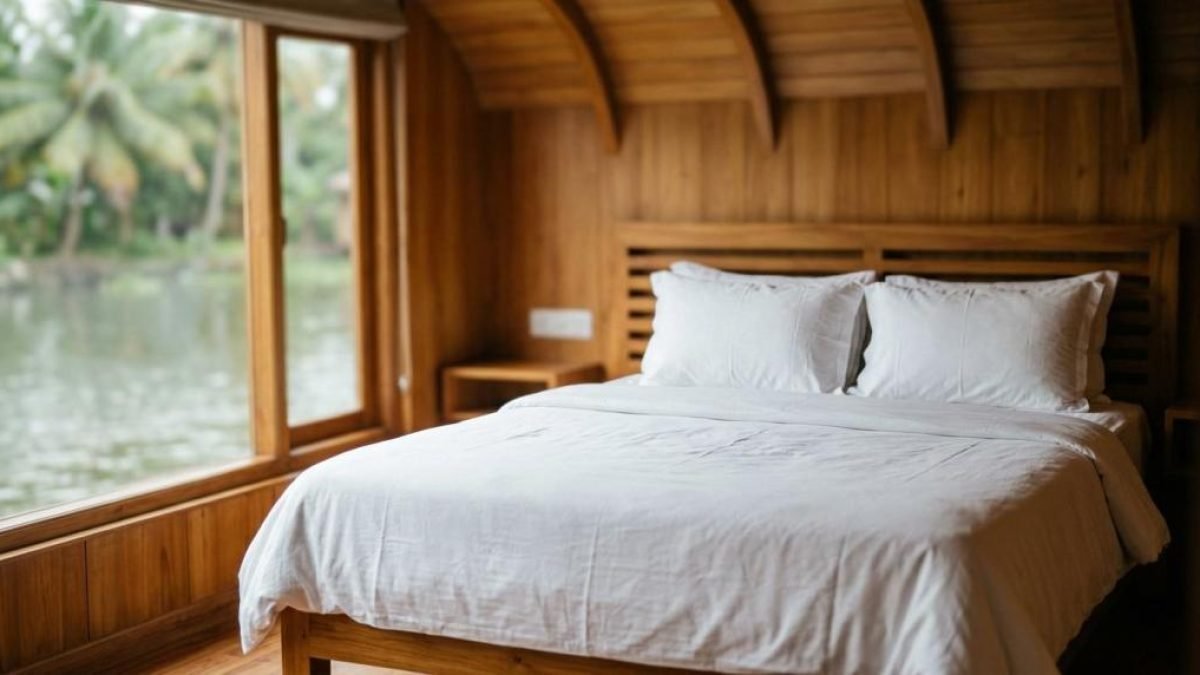
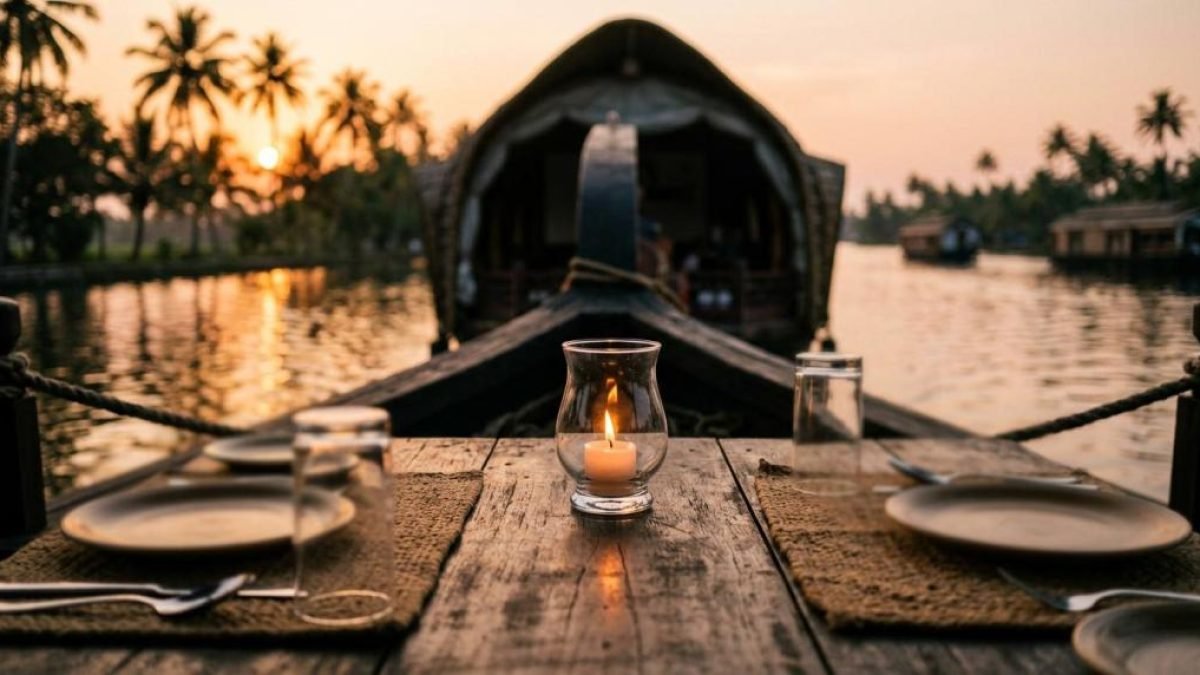
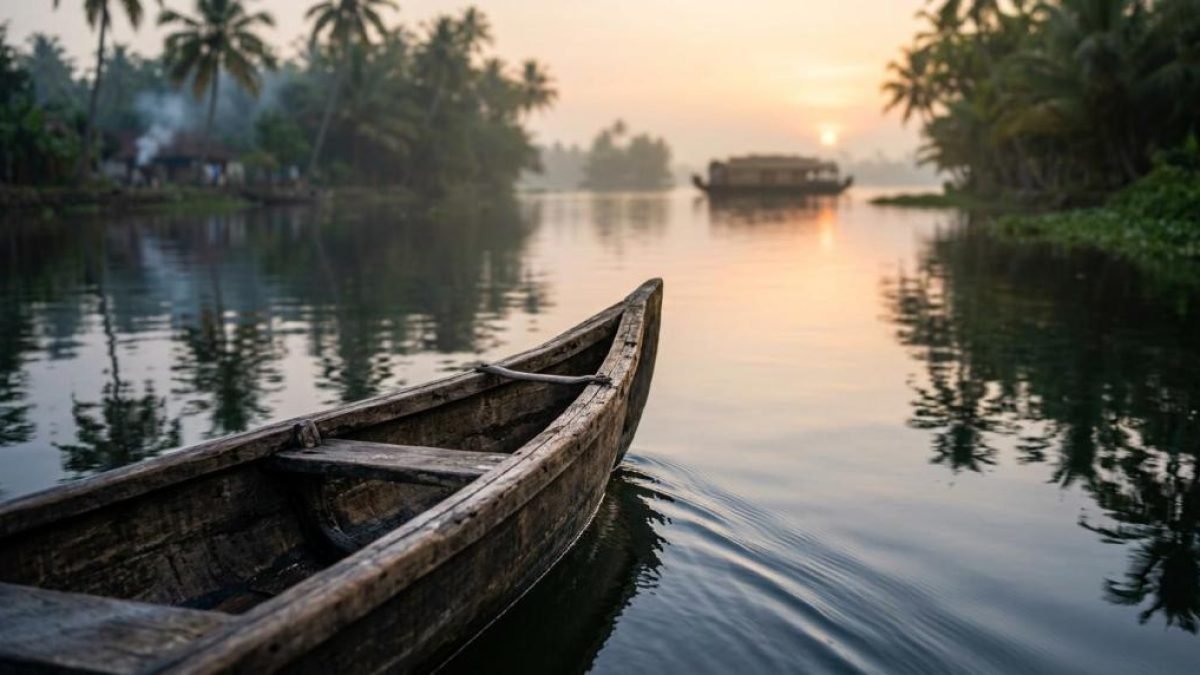
For many travelers, Kalaripayattu works best as part of a broader Kerala itinerary rather than as a standalone activity. A well-paced trip might combine nature, food, temple architecture, backwaters, hill stations, and one or more live cultural experiences. In that mix, Kalaripayattu adds energy and historical depth. It offers a sharp contrast to slower experiences like a houseboat stay or a tea-country retreat.
It also suits a wide range of travelers. Couples often enjoy its dramatic atmosphere. Solo travelers interested in history or performance traditions usually find it highly rewarding. International guests, especially those new to Kerala, often come away with a clearer sense of how deeply culture is woven into everyday travel in the region.
When choosing where to watch, a little care goes a long way.
- Setting: look for a venue linked to active training or a recognized cultural presentation
- Duration: choose a program long enough to include both empty-hand work and weapon forms
- Context: a short explanation before the performance can make the experience much richer
A thoughtfully planned Kerala holiday can place Kalaripayattu in exactly the right context: not rushed, not treated as a novelty, and not reduced to a checklist item. Seen that way, it becomes one of those rare travel moments that is exciting on the surface and meaningful underneath, which is often what people hope for when they want more than sightseeing from South India.