Kerala rewards wildlife travelers who arrive with the right mindset.
If the goal is to see a tiger on demand, the trip can feel uncertain. If the goal is to spend time in living forests and watch what those forests are willing to reveal, Kerala becomes one of the most satisfying wildlife destinations in South India.
That difference matters.
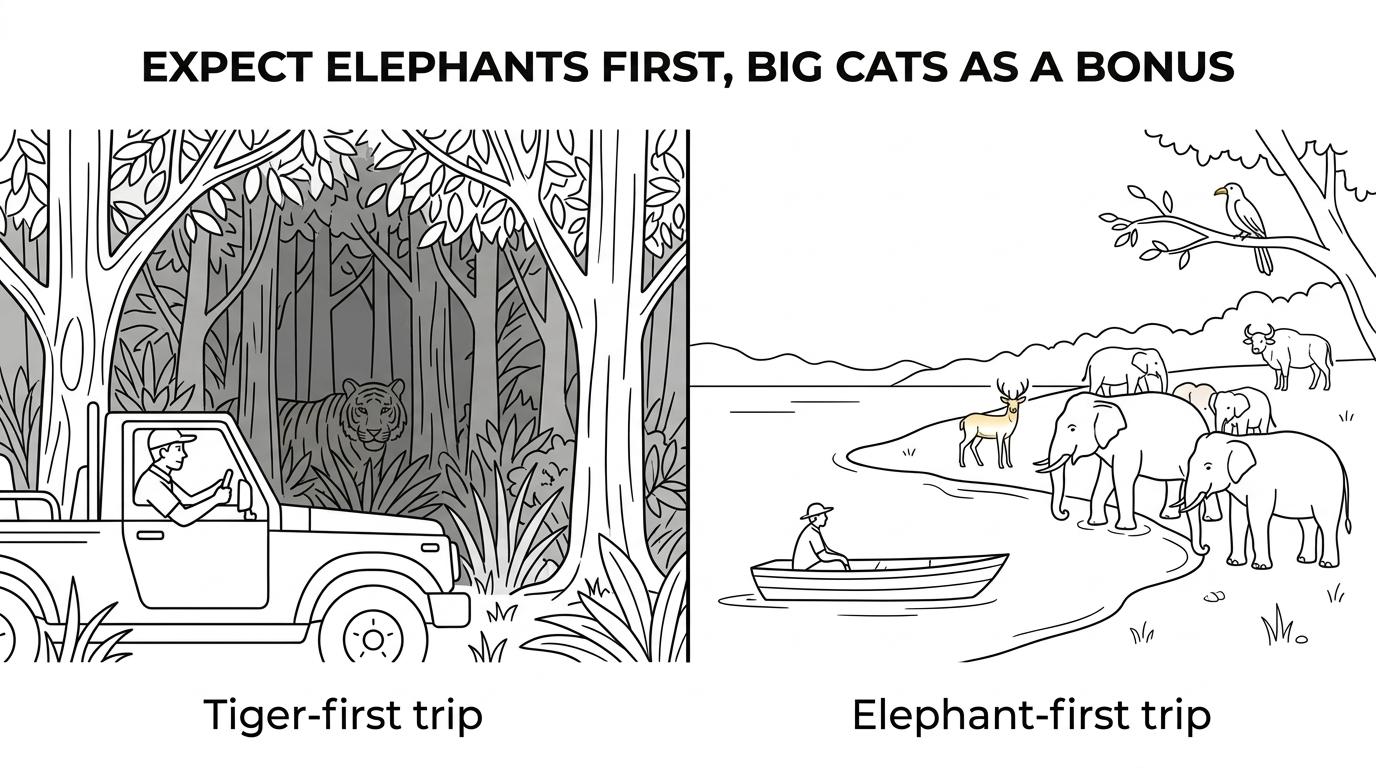
Official tourism and forest guidance across Kerala points to a very practical pattern: elephants, deer, gaur, and birds are the sightings most visitors should expect first. Big cats are present in important reserves, including tiger landscapes, yet they are not the most reliable stars of a short visit. Seen this way, Kerala wildlife is not disappointing at all. It is honest, dynamic, and often richer than many travelers expect.
What wildlife is most realistic to see in Kerala
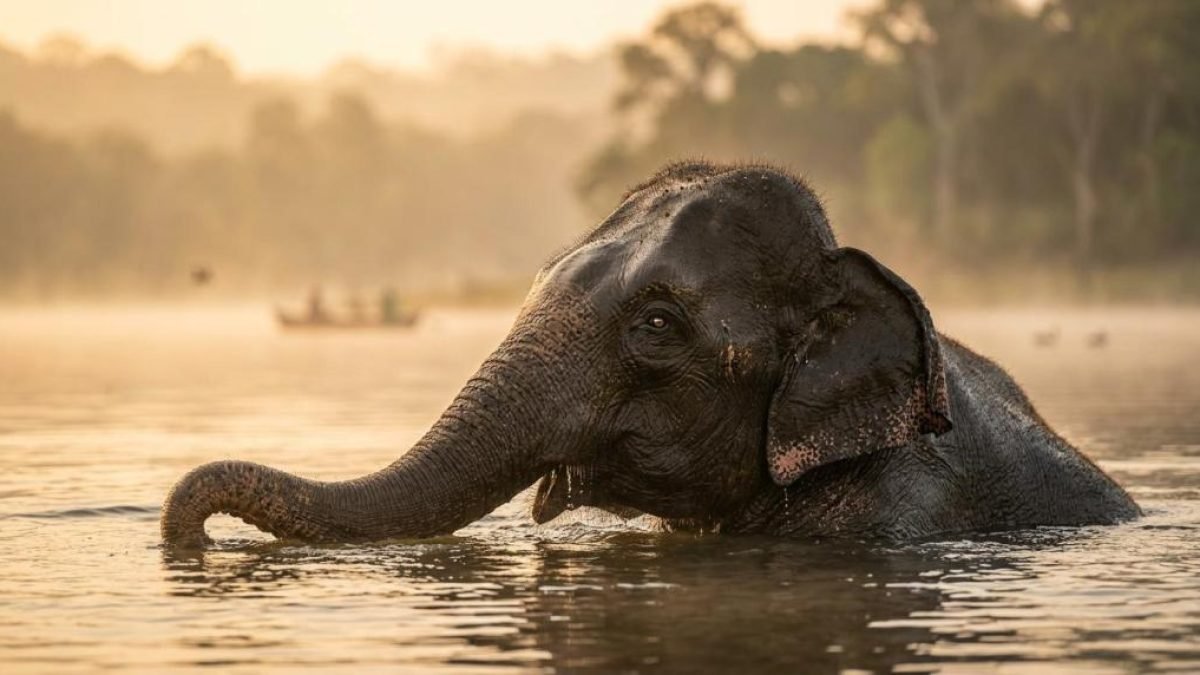
Across Kerala’s protected areas, the most consistent large mammal mentioned for visitor sightings is the Asian elephant. In places like Periyar, official tourism material highlights herds of elephants and wandering deer near the lake, especially during boating trips. That is a strong clue about how to frame expectations: water edges, open patches, and patient observation often bring better results than chasing dramatic predator narratives.
Deer are another realistic part of the experience. Sambar and barking deer appear repeatedly in official reserve descriptions, and they are often among the first mammals visitors notice. Gaur, often called Indian bison in tourism material, also belong on the realistic list. They are imposing, unmistakable, and very much part of the Western Ghats wildlife scene.
Birdlife deserves equal billing with mammals. Wayanad Wildlife Sanctuary is described by official tourism sources as having more than 200 recorded bird species, while Periyar Tiger Reserve’s official brochure lists 330 bird species. That means a wildlife trip in Kerala is not just about one lucky mammal sighting. It is a layered forest experience, shaped by movement, calls, color, and habitat.
For most visitors, the wildlife hierarchy looks something like this:
- Elephants
- Deer
- Gaur
- Monkeys and langurs
- Rich birdlife
- Big cats as a bonus
Kerala wildlife sightings at Periyar and Wayanad
Periyar and Wayanad are two of the most talked-about wildlife areas in Kerala, and they illustrate the state’s wildlife reality very well.
Periyar is especially well suited to travelers who want a strong chance of seeing large herbivores and birdlife in a beautiful setting. Official Kerala Tourism guidance describes Periyar Lake boating as a way to watch wild animals from the safety of the boat, with sunrise and sunset trips suggested for better sighting chances. Elephants and deer are specifically mentioned as common sights near the water. That combination of habitat and viewing format matters. Lake edges concentrate attention. Boats reduce noise. Visibility can be better than in dense forest interiors.
Wayanad, by contrast, often attracts travelers with its wider reserve identity and its link to both Project Elephant and Project Tiger. Official tourism information says visitors may spot elephants, deer, sambar, Indian bison, langurs, sloth bears, and the rare slender loris there, while also noting the sanctuary’s rich birdlife. This is exciting, but the key word is “may.” Presence does not equal probability, especially for elusive species.
A simple comparison helps.
| Kerala wildlife area or experience | Most realistic sightings | Less reliable but possible | Why it stands out |
|---|---|---|---|
| Periyar Lake boating | Elephants, deer, water-edge birdlife | Gaur, otter, big cats very rarely | Open views across the lakeside and calmer observation conditions |
| Periyar guided activities | Birds, deer, primates, occasional larger mammals | Sloth bear, wild dog, leopard, tiger | More immersive forest time, but sightings still depend on luck and conditions |
| Wayanad Wildlife Sanctuary | Elephants, deer, sambar, gaur, birds | Langurs, sloth bear, slender loris, big cats very rarely | Strong biodiversity and a major elephant and tiger landscape |
| Forest edges and flowering zones in Kerala | Sunbirds, hornbills, smaller birds | Endemic forest birds depending on habitat | Excellent for travelers who enjoy detail rather than only large mammals |
This is why many seasoned travelers leave Kerala wildlife areas deeply impressed even without a tiger photograph.
Why elephants, deer, gaur, and birds dominate sightings
Large herbivores are simply easier to see than secretive predators. Elephants move through visible spaces, gather near water, and leave an impression even at a distance. Deer use edges and openings where visibility is better. Gaur are large, dark, and often easier to pick out than a cat designed by nature to disappear into cover.
Kerala’s forests also train the eye over time. On a first drive or boat ride, many visitors scan only for the biggest animal possible. By the second outing, the forest begins to open up. A movement in the understory becomes a deer. A heavy silhouette becomes gaur. A high call leads to a hornbill. A flowering tree turns into a stage for sunbirds, including the purple-rumped sunbird, which the Kerala Forest Department notes as a frequent visitor to flowering trees.
That shift makes the trip better, not smaller.
A rewarding Kerala wildlife experience often comes from recognizing different categories of sightings:
- Large mammals: elephants, deer, gaur, wild boar
- Arboreal life: Nilgiri langur, lion-tailed macaque in some habitats, giant squirrels
- Bird highlights: hornbills, wood pigeons, barbets, sunbirds
- Rare surprises: sloth bear, wild dog, otter, leopard, tiger
Kerala tiger and leopard sightings: why they are rare for visitors
Kerala absolutely has big cats. Official forest and tourism sources list the Royal Bengal tiger and leopard among the state’s important wild animals, and reserves like Periyar and Wayanad are part of serious conservation landscapes.
Still, realistic visitor guidance points elsewhere. Periyar is presented as a place for wildlife viewing, not guaranteed tiger watching. Wayanad’s species lists are broad and exciting, but they do not suggest that a tiger or leopard is a likely outcome of a standard visit. Dense forest, animal behavior, time of day, weather, visitor duration, and simple luck all affect the odds.
This is not a weakness in Kerala’s wildlife offering. In many ways, it is the opposite. A forest where predators remain difficult to see is often a forest still functioning on its own terms.
Travelers usually have the best experience when they frame big cats like this:
- Tiger: present in select reserves, thrilling if seen, not a realistic expectation for most short trips
- Leopard: also present, highly elusive, more often missed than seen
- Wildlife success: better measured by total quality of sightings, habitat, and time in the forest
- Mindset: treat predator sightings as a gift, not the standard outcome
Best times and activities for Kerala wildlife viewing
Timing inside the day can matter more than broad wish lists.
Official Kerala Tourism guidance for Periyar specifically recommends sunrise and sunset boating for better wildlife spotting. That advice fits how many animals use the landscape. Early and late hours tend to be more active, cooler, and visually rewarding. Light is softer. Water edges can come alive. Bird activity often rises.
The activity format matters too. A boat safari at Periyar offers a different experience from a road-based sanctuary visit or a guided forest walk. Boats can be excellent for scanning open banks and lake margins. Guided walks reward patience and attention to smaller details. Sanctuary drives or regulated vehicle entries can cover more ground, though not always with the same intimacy.
A better Kerala wildlife plan usually favors quality over quantity.
- Sunrise outings
- Sunset outings
- Quiet observation
- Binoculars
- Patience
- Realistic expectations
Trying to pack too many wildlife zones into too few days often reduces the experience. One or two well-chosen reserves, with repeat outings, usually produce a fuller picture than a rushed circuit.
Birdwatching in Kerala forests adds depth to every safari
Bird diversity is where Kerala quietly excels.
Periyar’s official reserve material lists 330 bird species, including Western Ghats endemics like the Malabar grey hornbill, Nilgiri wood pigeon, crimson-throated barbet, and white-breasted laughing thrush. Wayanad’s official visitor information mentions over 200 bird species. Those numbers are not decorative. They explain why even a day with modest mammal sightings can still feel rich and active.
Birding also changes how people experience a forest. Instead of waiting for a single dramatic event, visitors begin to notice habitat. Canopy height, fruiting trees, flowering patches, calls from the understory, flight patterns over water, and sudden bursts of color all start to matter. Kerala’s wildlife then becomes less about a checklist and more about a living system.
Even travelers who do not think of themselves as birdwatchers often find this side of Kerala memorable. A hornbill crossing the canopy, a barbet calling from cover, or a sunbird flashing near a bloom can stay with you as clearly as any elephant herd.
Planning a Kerala wildlife itinerary with realistic expectations
The smartest Kerala wildlife itineraries are built around honest probabilities, not fantasy marketing.
If you want the strongest chance of satisfying sightings, focus on places and activities where elephants, deer, gaur, and birds are regularly part of the experience. Periyar is a strong fit for that style of trip, especially if boating is part of the plan. Wayanad can be very rewarding for travelers who appreciate broader biodiversity and can accept that many of its famous residents remain elusive.
Trip design matters here. Customized planning makes a real difference because wildlife experiences depend as much on pacing and format as they do on destination names.
A family may prefer a reserve with easier viewing and comfortable pacing. A couple may enjoy a quieter forest stay with dawn and dusk outings. Serious wildlife travelers may want repeated sessions in the same landscape rather than constant transfers between destinations. Customized planning makes a real difference because wildlife experiences depend as much on pacing and format as they do on destination names.
Kerala is at its best when it is approached with patience, curiosity, and a respect for what the forest naturally offers. Go expecting elephants, deer, gaur, and birds first. Leave space for surprise. That is the version of Kerala wildlife that feels both realistic and genuinely exciting.