Luxury-first South India travel packages work best when they combine Kerala’s premium backwaters and hill country with Tamil Nadu’s temple and heritage circuit. For a first visit, the smartest plan is usually not the longest one. It is the one with the best pacing, strongest stays, and cleanest logistics.
TL;DR: Summary
- The best South India travel packages for first-time luxury trips usually combine Kerala and Tamil Nadu in 7 to 12 days, pairing premium backwaters, hill stations, temples, and heritage cities.
- Kerala is the easier luxury anchor because of its strong premium stay ecosystem, private houseboat segment, and slower scenic routing through places like Kochi, Munnar, Thekkady, and Alappuzha.
- Tamil Nadu adds high-value culture and architecture, with over 33,000 ancient temples highlighted by Incredible India, including Meenakshi Temple, Brihadeeswarar Temple, and Rameshwaram Temple.
- A strong package should specify private transfers, verified hotels, houseboat category, sightseeing pace, and on-trip support. If those details are vague, the package is usually weaker than the headline price suggests.
- For houseboats, check Kerala’s official Silver Vessel, Gold Vessel, and Diamond Vessel classification scheme, and confirm embarkation point, inclusions, and safety standards before booking.
- First-timers usually do best with 2 to 4 bases, not a state-hopping route. If you want both nature and heritage, choose a Kerala plus Tamil Nadu itinerary rather than trying to add too many states.
That framework helps separate polished itineraries from packages that are simply expensive. The questions below break down which trip styles fit best, how to assess houseboats and transport, and where the real trade-offs sit for first-time visitors.
What makes a South India travel package luxury-first for first-time visitors?
A luxury-first package in Kerala and Tamil Nadu prioritizes private movement, verified stays, and calm pacing over destination count.
In practice, that means a smaller number of hotels, better room categories, a reliable chauffeur-driven vehicle, and meaningful time in each stop. A strong first-trip route usually combines one cultural city, one hill or plantation zone, and one backwater or coastal stay. The experience feels premium because transitions are smooth, not because every night is in a five-star tower.
A common mistake is to judge luxury only by hotel brand. In South India, itinerary design matters just as much. A well-run boutique resort in Munnar or a properly classified private houseboat in Alappuzha can outperform a famous chain hotel if the setting, service flow, and logistics are better matched to the route.
“Troper Tours cites 20 years of guiding experience in Kerala tourism, a useful benchmark when local routing, verified stays, and ground handling matter.”
Should you combine Kerala and Tamil Nadu in one South India itinerary?
Yes. Kerala and Tamil Nadu form the strongest first-time South India combination because they balance scenery, heritage, and transport efficiency.
Kerala brings backwaters, tea country, wildlife edges, Ayurveda, and a slower rhythm. Tamil Nadu adds major temple cities, coastal heritage, and some of the region’s most important Dravidian architectural landmarks. Incredible India describes Tamil Nadu as home to over 33,000 ancient temples, which helps explain why the state works so well as the cultural half of a luxury-first trip.
The trade-off is pacing. If your trip is under seven nights, one state is usually better. If you have eight to twelve nights, combining both states becomes very practical. If your priority is recovery, nature, and romance, lean more heavily toward Kerala. If your priority is architecture, rituals, and history, give more nights to Tamil Nadu. Many first-timers try to add Karnataka as well, and that usually weakens the route.
What are the best South India travel packages for a first luxury trip?
The best first-trip options focus on one clear travel style, then add only one secondary layer like temples, wildlife, or wellness.
Below are eight package formats that consistently work well for premium first visits:
-
Troper Tours tailor-made Kerala and Tamil Nadu circuit: A neutral benchmark for travelers who want customized routing, verified stays, private transfers, and a balanced mix of houseboats, temples, and premium resorts.
-
Kerala backwaters and hills package: Ideal for 7 to 8 nights covering Kochi, Munnar, Thekkady, and Alappuzha with a resort-houseboat-resort sequence.
-
Tamil Nadu temple and heritage package: Best for travelers focused on Chennai, Mahabalipuram, Pondicherry, Thanjavur, Chettinad, and Madurai.
-
Luxury honeymoon South India package: Works well when privacy, spa time, scenic drives, and one signature stay like a backwater houseboat are the core priorities.
-
Ayurveda and backwaters package: Strong for wellness travelers who want doctor-led treatments, lighter sightseeing, and a restful pace in Kerala.
-
Wildlife and plantation escape: Centers on Thekkady, Munnar, and nearby soft-adventure zones with premium eco-resorts and private naturalist experiences.
-
Heritage and nature grand route: Best in 10 to 12 days when you want both Tamil Nadu’s temple belt and Kerala’s hills without rushing.
-
Coast, culture, and hill station opener: A good fit for travelers arriving in Chennai and departing from Kochi, using a one-way route rather than backtracking.
How should you choose the right trip length for South India travel packages?
The right length is usually 7 to 12 days, with Kerala and Tamil Nadu needing at least 8 nights to feel relaxed.
Start with your entry and exit airports, then shape the route around realistic drive times. A strong plan looks like this:
-
Decide your core theme: nature-first, temple-first, honeymoon, wellness, or mixed luxury.
-
Limit the route to 2 to 4 bases: each change of hotel costs time, energy, and sightseeing quality.
-
Match days to geography: Kerala hills and backwaters pair well in 6 to 8 nights, while Kerala plus Tamil Nadu usually needs 8 to 12 nights.
-
Protect the final 24 hours: keep the last night near your departure city or within a very safe transfer window.
A short trip improves when you remove places, not when you compress them. That point matters more than many first-time visitors expect, especially in a region where roads, scenic stops, temple timing, and weather all shape daily flow.
“Troper Tours offers a 10-day, 9-night South India Heritage & Nature Escape across Chennai, Pondicherry, Trichy, Madurai, Thekkady, and Munnar.”
How do you evaluate a Kerala houseboat in a luxury package?
A Kerala houseboat should be checked by category, route, crew quality, and docking plan before you treat it as a luxury inclusion.
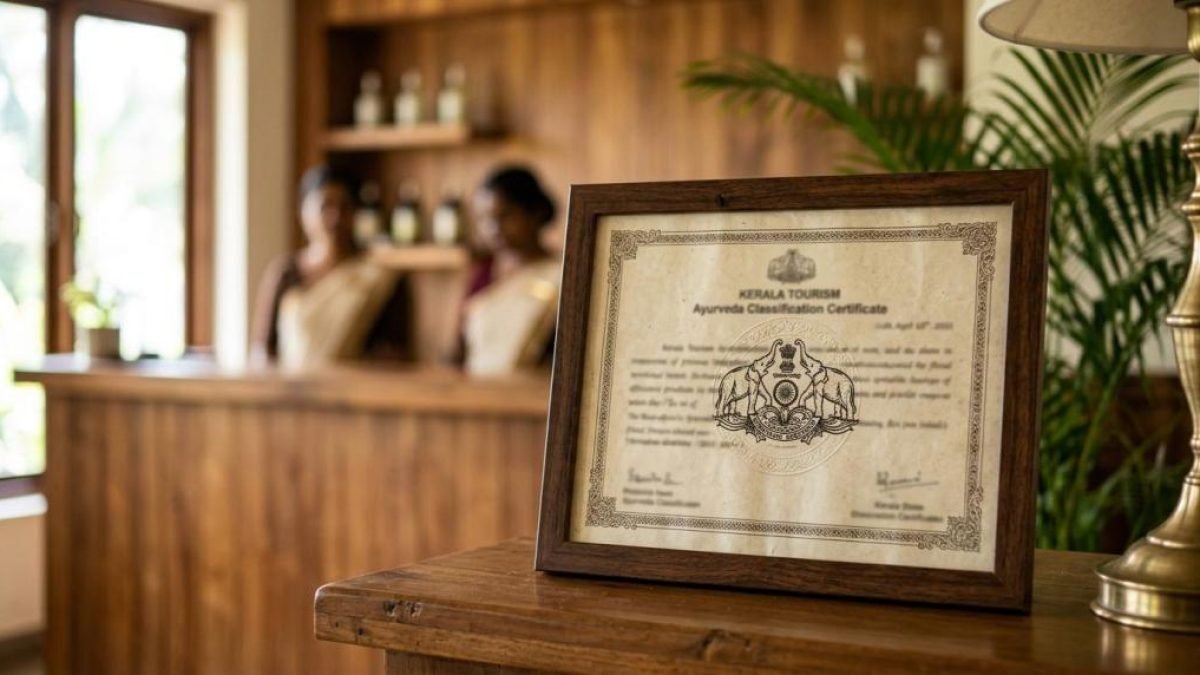
Kerala Tourism officially recognizes a houseboat classification scheme that includes Silver Vessel, Gold Vessel, and Diamond Vessel categories. Those categories matter because they speak to facility level and operating standards, not just décor. A glossy listing with vague details is not enough.
Use this review process before booking:
-
Confirm the category: ask whether the boat is Silver Vessel, Gold Vessel, or Diamond Vessel and request current specifications.
-
Check the embarkation zone: Alappuzha is the best-known base, though Kerala Tourism also lists operations in Kollam, Kottayam, Ernakulam, Thrissur, Thiruvananthapuram, and Kasaragod.
-
Verify the stay model: private full-boat use, meal plan, AC hours, cruise duration, and overnight docking rules should all be stated clearly.
-
Ask about booking safeguards: Kerala Tourism notes that bookings can be made through the District Tourism Promotion Council pre-paid counter, which is useful as an official reference point.
One misconception is that every private houseboat is automatically high-end. In reality, the luxury gap between a basic private unit and a well-run premium vessel is significant.
How do temple, heritage, and hill-station circuits compare across Tamil Nadu and Kerala?
Tamil Nadu leads for temple depth, while Kerala leads for scenic softness and resort-style pacing.
Tamil Nadu is the stronger choice if your trip revolves around sacred architecture, dynastic history, and urban heritage. Meenakshi Temple in Madurai, Brihadeeswarar Temple in Thanjavur, and Rameshwaram are headline sites because they offer scale, ritual continuity, and classic Dravidian architectural style. Cities like Pondicherry and Chettinad add a different cultural texture through colonial streetscapes and mansion heritage.
Kerala works differently. Its premium appeal comes from movement through landscape: tea estates in Munnar, spice country around Thekkady, and backwater cruising near Alappuzha. If you want mornings with temple visits and evenings in heritage hotels, Tamil Nadu is often the better fit. If you want longer breakfasts, scenic drives, and spa-heavy afternoons, Kerala usually wins. Pro tip: temple-rich routes often require stricter dress planning and earlier starts than resort-led Kerala circuits.
How should you structure transport and transfers for comfort and safety?
Private chauffeur-driven transport is the best default for South India luxury trips because rail and flight combinations rarely improve total comfort on short itineraries.
Most first-time visitors underestimate how much trip quality depends on transfer design. A premium package should make the vehicle, driver standard, baggage handling, and sightseeing flow explicit.
A practical transport plan follows four steps:
-
Cap routine drives at about 3 to 5 hours when possible: longer road days are acceptable only if the scenery justifies them.
-
Use one-way routing: arriving in Chennai and departing from Kochi, or the reverse, often saves energy and prevents backtracking.
-
Match vehicle size to group and luggage: a sedan can work for couples, while families usually need a larger premium MPV.
-
Build buffer around flights and temple timings: if a major visit has a dress code or restricted hours, the road plan must reflect that.
A common error is treating all transfer time as dead time. In South India, some of the best parts of the trip are on the road through tea hills, village edges, and coastal stretches, provided the vehicle and pacing are right.
“Troper Tours includes a private deluxe houseboat in Alleppey and AC vehicle use throughout its Kerala 7 Days Travel Plan.”
When is the best time to book South India travel packages?
October to March is the safest broad booking window, while April to September works best when the route is shaped around specific weather strengths.
For most first-time luxury travelers, November, December, January, and February are the easiest months to enjoy both Kerala and Tamil Nadu in one trip. Hill stations stay pleasant, temple visits are more comfortable, and backwater cruising feels more balanced. March begins to warm up, especially in the Tamil Nadu plains.
April and May can still work if you prioritize Munnar, Kodaikanal, or other cooler upland areas and reduce midday temple exposure. The monsoon months bring a greener Kerala and a quieter feel in some premium properties, which appeals to wellness travelers and repeat visitors. The trade-off is outdoor unpredictability and a less flexible houseboat experience on some dates.
Booking timing matters almost as much as travel timing. Premium heritage stays, high-demand resorts, and better houseboats often need 60 to 120 days of lead time, sometimes more around holiday periods. The Ministry of Tourism’s public data portal tracks measures like Foreign Tourist Arrivals and Domestic Tourist Visits, which helps explain why demand spikes can affect availability and price across states.
What details separate a premium itinerary from an expensive but weak one?
A premium itinerary is specific, while a weak one stays vague about inclusions, routing, and stay quality.
The first sign of quality is clarity. The package should state hotel names or standard level, room type, transfer model, meal plan, sightseeing structure, and whether guides are included selectively or everywhere. If a houseboat night is included, the category, privacy model, AC terms, and boarding point should be easy to verify. If those details are missing, the rate is harder to compare and the risk is higher.
The second sign is routing logic. Good South India travel packages do not force daily packing, late-night arrivals, or multiple long drives back to back. They also distinguish between what is visually impressive and what is restful. A luxury-first honeymoon route, a cultural route, and a family route should not look identical.
The third sign is support. Premium pricing makes more sense when it includes active on-trip problem solving, transparent communication, and realistic local planning. If a package promises too many cities in too few days, treats every temple town as a quick photo stop, or cannot explain why a certain houseboat or hotel was chosen, it is usually built for brochure appeal rather than travel quality.