Amazing service. Communication excellent both before and during holiday.
All hotels excellent.
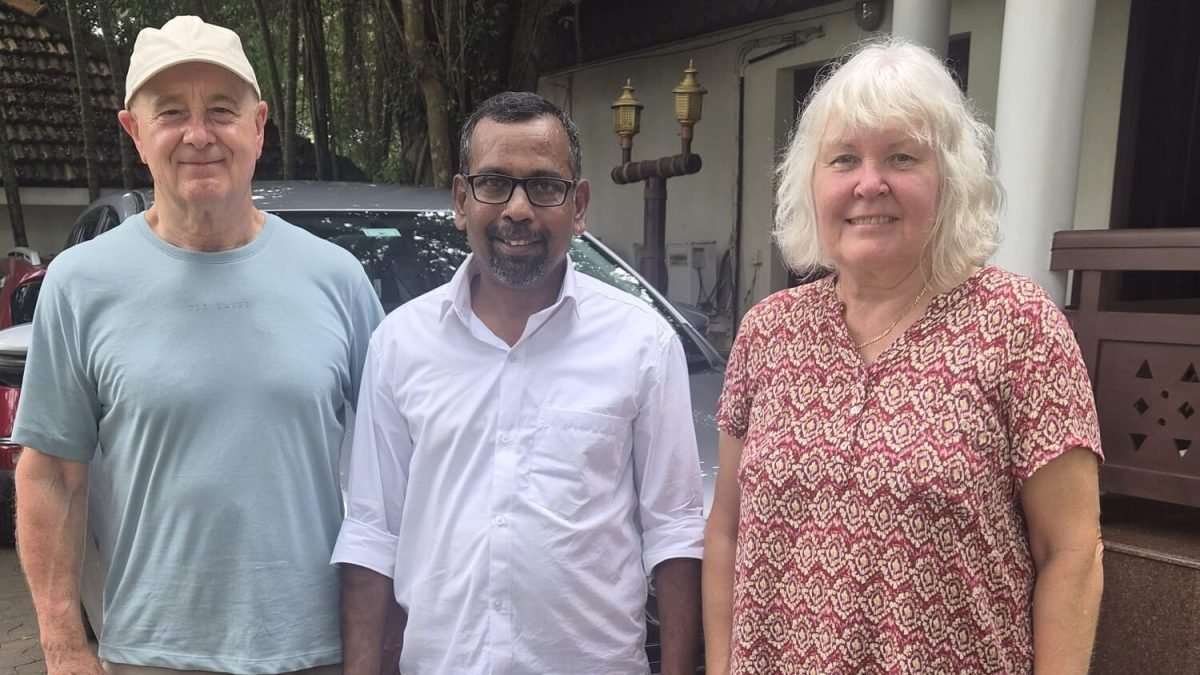
Sree, our driver absolutely superb.
Our 10 day tour around Kerala was perfect.
Sathyamangalam covers more than 1,400 square kilometres, which makes it the largest protected area in Tamil Nadu, and it forms the critical link in one of the most important wildlife corridors in the country. Bandipur sits to the north, Mudumalai to the west, BRT Hills and Cauvery Wildlife Sanctuary to the east. Elephants and tigers move between all of them through this forest.
Most people know the name for the wrong reason. For two decades these hills were the operating ground of the sandalwood smuggler Veerappan, and the manhunt that ended in 2004 kept the entire region closed to outsiders. That history is why the forest survived so well — nobody logged it, nobody built in it, and nothing was developed for tourism. It was declared a tiger reserve in 2013, and it remains one of the least visited in India.
What that means for a visitor is a forest that behaves like a forest. There is no queue of jeeps at the gate. Safari slots are limited and run by the Forest Department, the roads are quiet, and elephant sightings are close to routine. Tigers are present in meaningful numbers, though as everywhere, you should not travel expecting one.
The approach is memorable in its own right. The Dhimbam ghat climbs through 27 hairpin bends from the plains at Sathyamangalam into the reserve, and elephants use the road regularly enough that night traffic is restricted.
At the foot of the hills, Bhavani Sagar is one of the largest earthen dams in India, and its backwaters draw waterbirds and the occasional elephant herd coming down to drink.
Four days, one enormous forest, and almost nobody else in it.
Related: if wildlife is the priority, compare this with the Nilgiri reserves in our Kerala & Tamil Nadu Highlights Tour, or look at the fourteen-day Tamil Nadu Complete itinerary if you want forest alongside temples and coast. All durations are set out on the Tamil Nadu tour packages page
Completely, and the association is now two decades out of date.
The region was closed to outsiders during the manhunt for the sandalwood smuggler Veerappan, which ended in 2004. The forest was declared a wildlife sanctuary in 2008 and a tiger reserve in 2013, and it has been managed for conservation ever since, with regular patrolling and an established safari operation.
What the closed decades left behind is a forest that was never logged, never developed and never opened to mass tourism. That is why the habitat is in the condition it is.
The practical risks here are ordinary wildlife-area risks — elephants on the road, which is why night traffic is restricted on the ghat. Nothing else.
Low, as they are in every tiger reserve, and I would rather say so than sell you an expectation.
Sathyamangalam holds a meaningful tiger population and functions as a genuine breeding and dispersal corridor between Bandipur, Mudumalai and the eastern reserves. The animals are there. They are also solitary, largely nocturnal, and ranging across 1,400 square kilometres of dense forest.
Across three safaris, treat a sighting as good fortune rather than a plan.
Elephants are the reliable sighting here, and the population is one of the strongest in southern India. Gaur, spotted deer, sambar, peafowl and grey junglefowl are consistent. Dhole packs turn up reasonably often. Sloth bear and leopard are occasional, and four-horned antelope are a real possibility in the upper zones.
Come for a large, quiet forest with excellent elephants. Anything else is a bonus.
No. Core zone safaris are run exclusively by the Tamil Nadu Forest Department, in their vehicles, with their drivers and guides. Private vehicles are not admitted to the core under any circumstances.
Slots are limited and released on a daily basis. We book your three safaris at the point of confirmation rather than leaving it to chance at the gate, which matters more here than at busier reserves because the daily allocation is small.
Anyone offering a private jeep “into the park” is either taking you through the buffer and describing it as the core, or operating outside the rules. We will not arrange either.
The buffer drives on Days 1 and 3 are a different thing — your own vehicle, public forest roads, a lodge naturalist alongside. Entirely legal, and often excellent for elephants.
Usually, though it is worth checking before you commit to dates.
Sathyamangalam closes annually during the fire season, generally somewhere between February and April, with exact dates fixed each year by the Forest Department according to conditions. Announcements rarely come far in advance.
We confirm the position before finalising your booking. If your dates coincide with a closure we tell you at that point and restructure around buffer drives, Bhavani Sagar and the Dhimbam ghat, all of which stay open and remain productive for wildlife.
The night traffic restriction on the ghat is separate and permanent. It exists because elephants cross after dark, and we plan your arrival and departure timings around it automatically.
Same forest system, very different experience.
Bandipur and Mudumalai are long-established, well-known and busy. Safari vehicles queue at the gate in season, lodges are numerous, and the roads inside see steady traffic.
Sathyamangalam is larger than either — over 1,400 square kilometres — and receives a small fraction of the visitors. Fewer vehicles, fewer people, and a considerably quieter forest.
The trade-off is infrastructure. Accommodation here is limited and basic compared with Masinagudi or Bandipur’s lodge belt, and there is no established tourism economy.
Sighting quality is comparable for elephants. What differs is how many other jeeps are watching them with you, which for some travellers is the entire point.
Modest, and this is the trip’s main limitation.
Accommodation sits at Sathyamangalam town or on the forest edge — a small number of resorts and forest-facing properties, plus Forest Department accommodation where available. Rooms are clean and functional, food is simple and good, and the upper tier is comfortable rather than luxurious.
Electricity is generally reliable but generators run to a schedule at some properties. Mobile coverage is patchy on all networks once you leave the town.
The alternative is basing at Erode or Coimbatore and driving in each day, which costs you the dawn safari window entirely. Since the first drive of the morning is the best of the three, we would rather you stayed close.
If accommodation standard is a priority for you, say so at booking and we will be straight about what is available rather than letting you find out on arrival.
October to February is the most comfortable — pleasant temperatures, green forest after the monsoon, and good general activity.
March to May produces the strongest sightings. Water sources contract, animals concentrate around what remains, and the dry deciduous canopy thins so visibility improves considerably. It is hot, and it carries the highest risk of a fire-season closure, which is a genuine tension: the best wildlife months are also the least certain ones.
June to September brings monsoon. The forest is at its most beautiful and birding is excellent, but tracks deteriorate and drives are occasionally cancelled.
We will confirm reserve status for your dates before you book rather than after.
Manageable, and considerably gentler than several other Tamil Nadu ghats.
There are 27 hairpin bends climbing from Sathyamangalam into the reserve, on a well-surfaced road. For comparison, Kolli Hills has 70 and Valparai has 40. This one takes around forty-five minutes.
The thing to plan for is not the bends but the elephants. They use this road regularly and traffic stops for them. If you meet a herd: stay in the vehicle, no horn, no attempt to pass, no getting out. Your driver will hold at a safe distance and wait, and delays of twenty minutes are unremarkable.
Night movement is restricted for this reason. We time your ghat drives well inside daylight.
Forest-dwelling communities who have lived in this landscape for generations, long before it was a reserve.
The Soliga are traditionally associated with the BRT and Sathyamangalam forest belt, with deep knowledge of the plant life and honey collection. The Irula are found across the Nilgiri and Eastern Ghats foothills, historically known for snake-catching expertise that is now employed in antivenom production.
Both continue to live in and around the reserve, and their relationship with the forest is part of how it is managed today rather than a historical footnote.
You will pass settlements on the buffer roads. Please ask before photographing anyone, as you would anywhere. Your naturalist can explain more, and does so with considerably more authority than I can from here.
Coimbatore (CJB) at 90 km is the practical airport, roughly two and a half hours, with strong domestic connections and some international.
By rail, Coimbatore Junction (CBE) is the main railhead. Erode Junction (ED) at 60 km is closer and well served on the Chennai–Coimbatore line.
The obvious combinations are wildlife-led. Mudumalai is 120 km west and Bandipur just beyond it, so a two-reserve trip through contiguous forest is straightforward. Ooty is 130 km, and Bhavani Sagar already sits on your route.
If you want forest alongside something else entirely, the fourteen-day Tamil Nadu Complete itinerary pairs the state’s landscapes with its temple country. Tell us your wider plans and we will orient the pickup and drop accordingly.
Planning a holiday in Kerala, Tamil Nadu or Karnataka? Instantly estimate your tour cost based on your travel dates, destinations, hotel category, vehicle, houseboat, activities and more. Download your trip estimate and plan your South India holiday with confidence.
Our prices vary based on season, dates, group size and custom add‑ons. Every quote is tailored for your exact travel plan.
This page shows a sample itinerary to give you a clear idea of the route, inclusions and timings. Every itinerary is fully customisable to match your dates, hotel preferences and interests. Once you share your travel details we will prepare a personalised itinerary and an itemised quote.
Amazing service. Communication excellent both before and during holiday.
All hotels excellent.
Sree, our driver absolutely superb.
Our 10 day tour around Kerala was perfect.
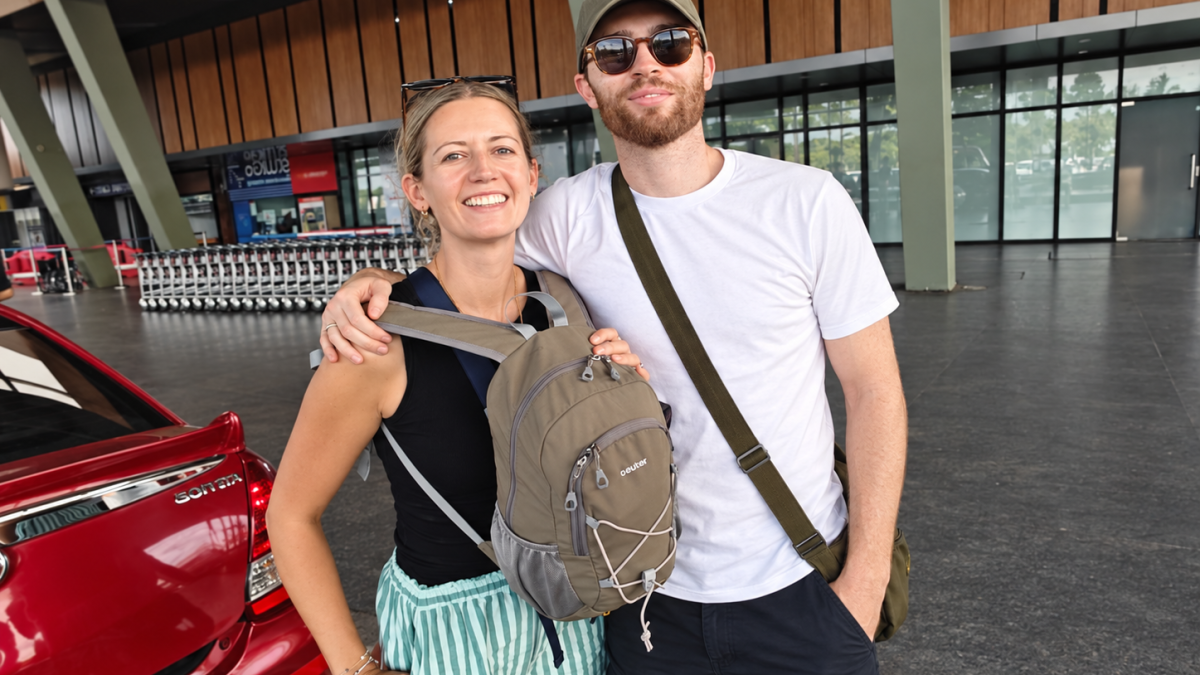
Our 5-day Kerala trip with Troper Tours was a lovely experience from the moment we arrived until the final day. My friend and I travelled from the UK and everything was organised smoothly, which made the journey comfortable and easy. We enjoyed the changing scenery, local food, tea hills, backwaters and the relaxed pace of the trip. One of our favourite moments was reaching Munnar, where we could enjoy the cool weather, plantations and peaceful mountain views. The vehicle was comfortable, our driver was punctual and helpful, and the team was always easy to contact whenever we needed anything. What we appreciated most was that the trip never felt rushed or overly planned. We had enough time to enjoy Munnar, Thekkady, Alleppey and Trivandrum properly. Troper Tours took good care of us throughout the five days. A memorable Kerala holiday, and we would happily recommend them to other travellers visiting from the UK.
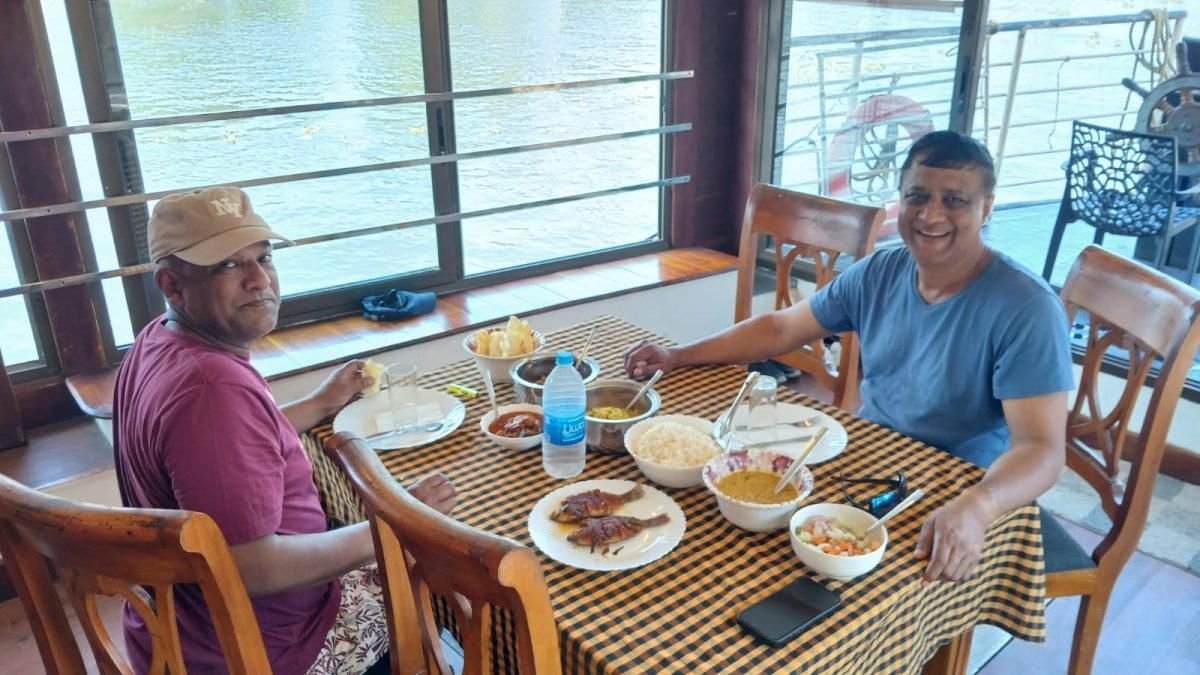
Our 6-day Kerala trip with Troper Tours was a wonderful experience from beginning to end. My brother and I travelled from Australia and everything was arranged very smoothly, which made the journey comfortable and stress free. We enjoyed the changing scenery, local food, backwaters and the relaxed pace of the trip. One of our favourite moments was the houseboat experience, where we could simply sit together, enjoy a nice meal and watch the peaceful water and village life around us. The vehicle was comfortable, our driver was punctual and helpful, and the team was always easy to contact whenever we needed anything. What we appreciated most was that the trip never felt rushed or overly planned. We had enough time to enjoy each place properly. Troper Tours took very good care of us throughout the six days. A memorable Kerala holiday, and we would happily recommend them to other travellers coming from Australia.