There is a moment on almost every Kerala holiday when food stops being background and becomes the experience itself. It might be the first spoonful of a prawn curry so fragrant it genuinely surprises you. Or the Onam Sadya 26 dishes served on a banana leaf that arrives looking impossible and disappears faster than you expected. Or a simple breakfast of appam with coconut milk in a small restaurant in Fort Kochi that you will spend the rest of the trip trying to recreate.
Kerala’s food is extraordinary, and it is one of the most overlooked reasons to visit. At Troper Tours, we build Kerala holiday packages around the full experience of the destination, and that always includes its cuisine. This guide covers what to eat, where to eat it, and how to make food a genuine part of your Kerala tour packages itinerary in 2026.
Why Kerala Cuisine Is Different From the Rest of India
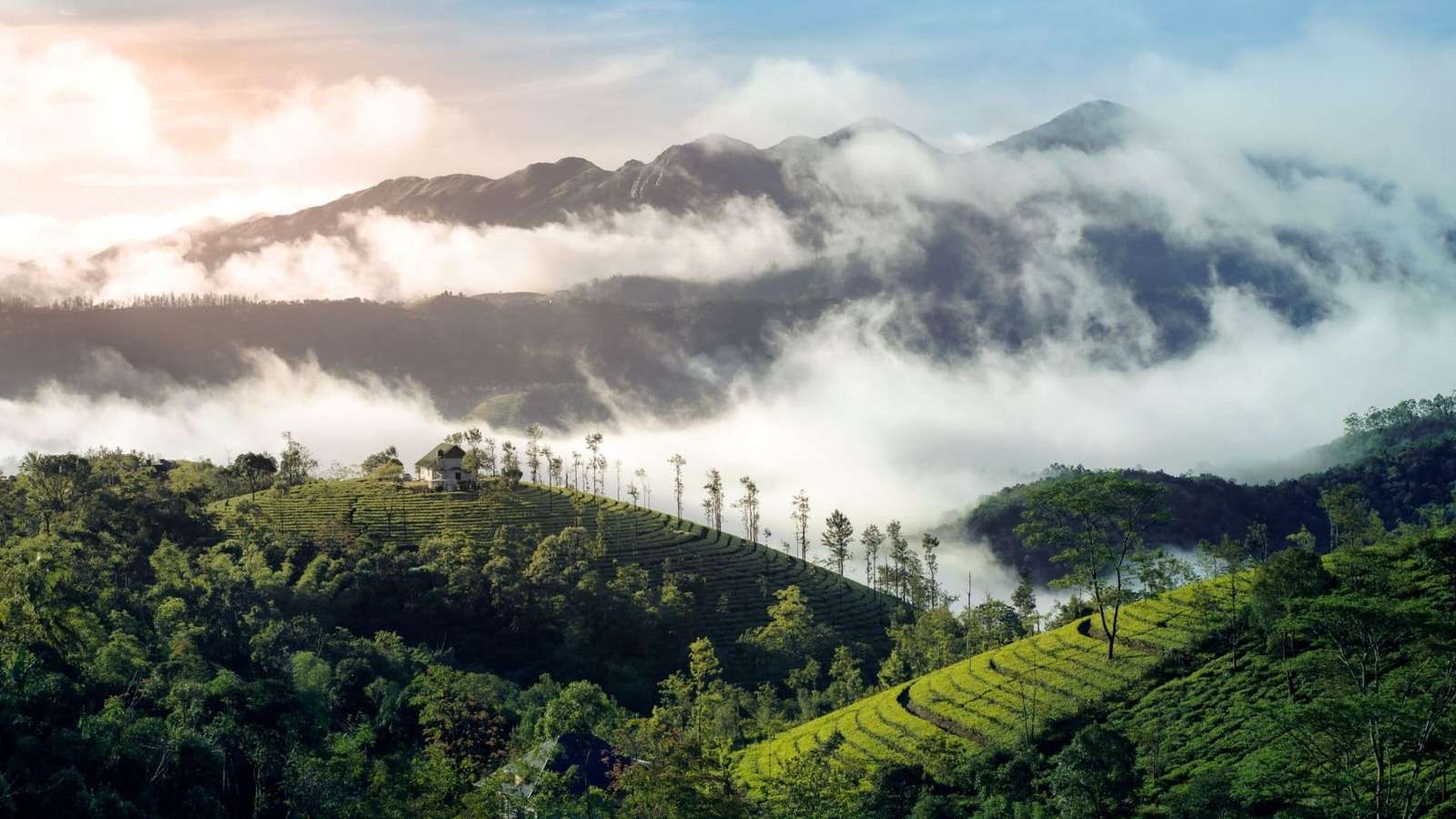
Kerala’s geography explains its food better than any other factor. The Arabian Sea to the west, the Western Ghats to the east, and a coastal strip of extraordinary fertility between them this is a landscape that has produced fresh seafood, coconuts, rice, tropical fruits, and the most celebrated spice heritage in the world for thousands of years.
Kerala has been the leading producer of cardamom, black pepper, clove, nutmeg and vanilla for over 3,000 years. These spices are not just ingredients here; they are part of the landscape you drive through, the air you breathe and the food on every plate. No other cuisine in India carries this combination of the sea, the spice and the coconut in quite the same way.
The result is a food culture that is deeply aromatic, perfectly balanced and surprisingly varied, different in every district, different at every table.
The Essential Kerala Dishes You Must Try
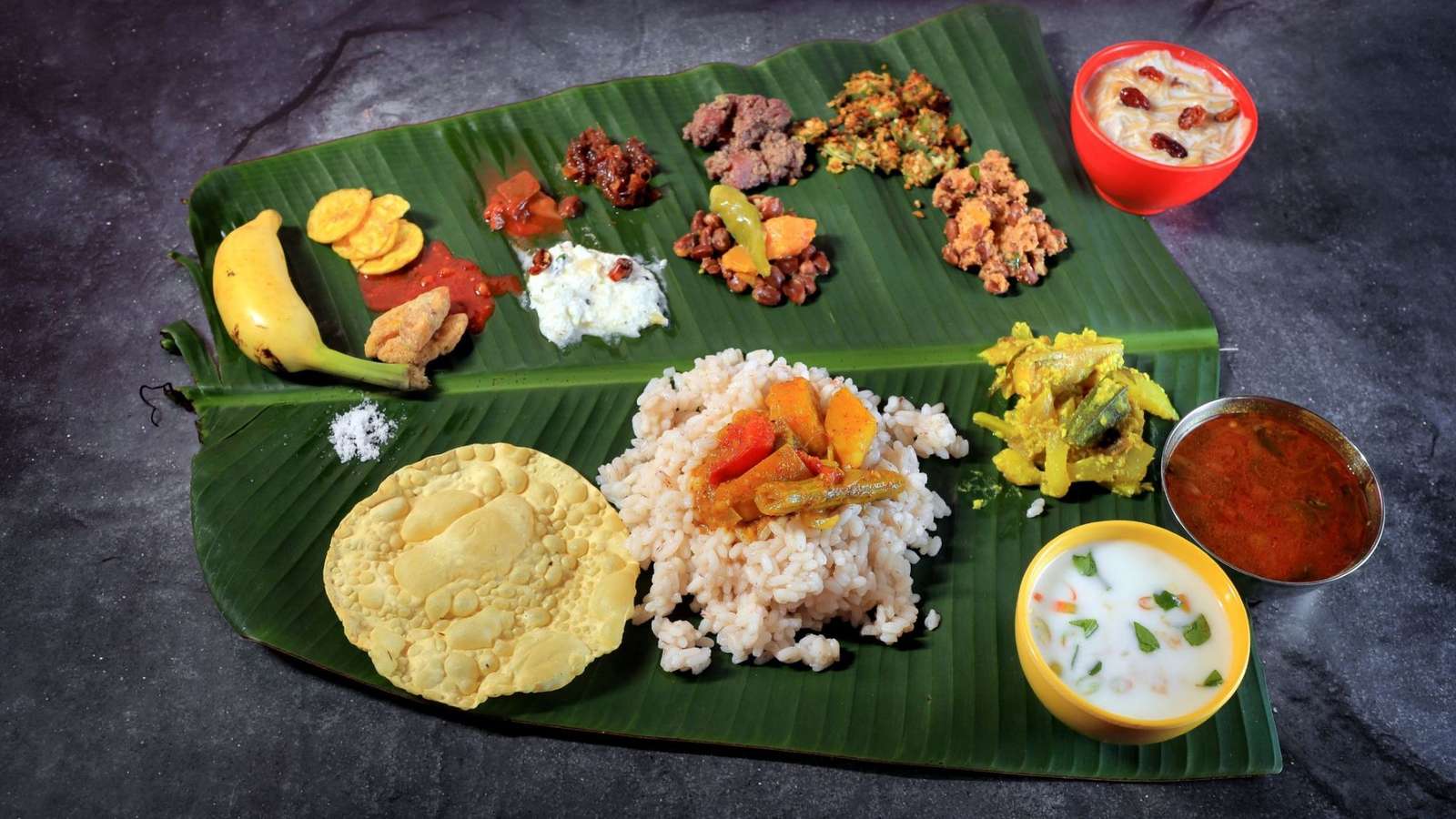
Kerala Sadya is the definitive Kerala food experience: a traditional vegetarian feast served on a fresh banana leaf, comprising 26 dishes including sambar, rasam, avial, thoran, pachadi, payasam and pickles. It is served during Onam but available in traditional restaurants throughout the year. Eating it correctly with your right hand, in the prescribed order, is part of the experience.
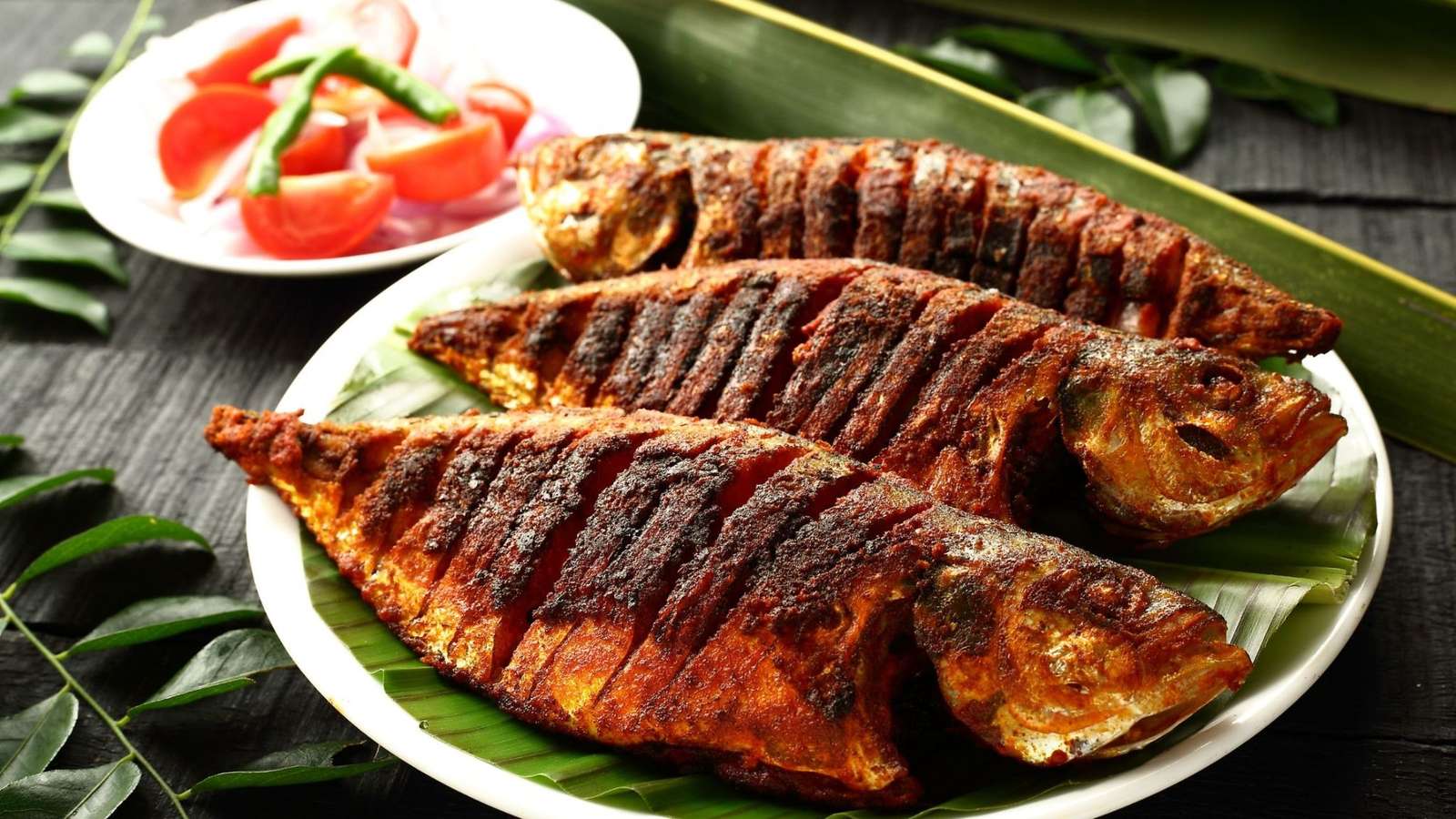
Karimeen Pollichathu is Kerala’s most iconic non-vegetarian dish: pearl spot fish marinated in spices, wrapped in banana leaf and grilled over fire. It is found primarily in backwater regions around Alleppey and Kottayam and is one of the most photographed and most requested dishes in all Kerala travel packages itineraries.
Appam with Stew is the classic Kerala breakfast: a lacy, fermented rice pancake with a soft, spongy centre, served alongside a mild coconut milk stew with vegetables or chicken. Simple, aromatic and deeply satisfying, the kind of breakfast that makes you understand why people return to Kerala.
Kerala Fish Curry cooked in a clay pot with coconut milk, kokum and green chillies is the backbone of coastal Kerala’s daily cooking. The sourness of kokum, the richness of coconut and the heat of green chilli create a balance that feels effortless but takes genuine skill.
Puttu and Kadala Curry steamed cylinders of ground rice and coconut served with a robust black chickpea curry is the most common Kerala breakfast and one of the most satisfying. Found everywhere, from roadside stalls to resort restaurants.
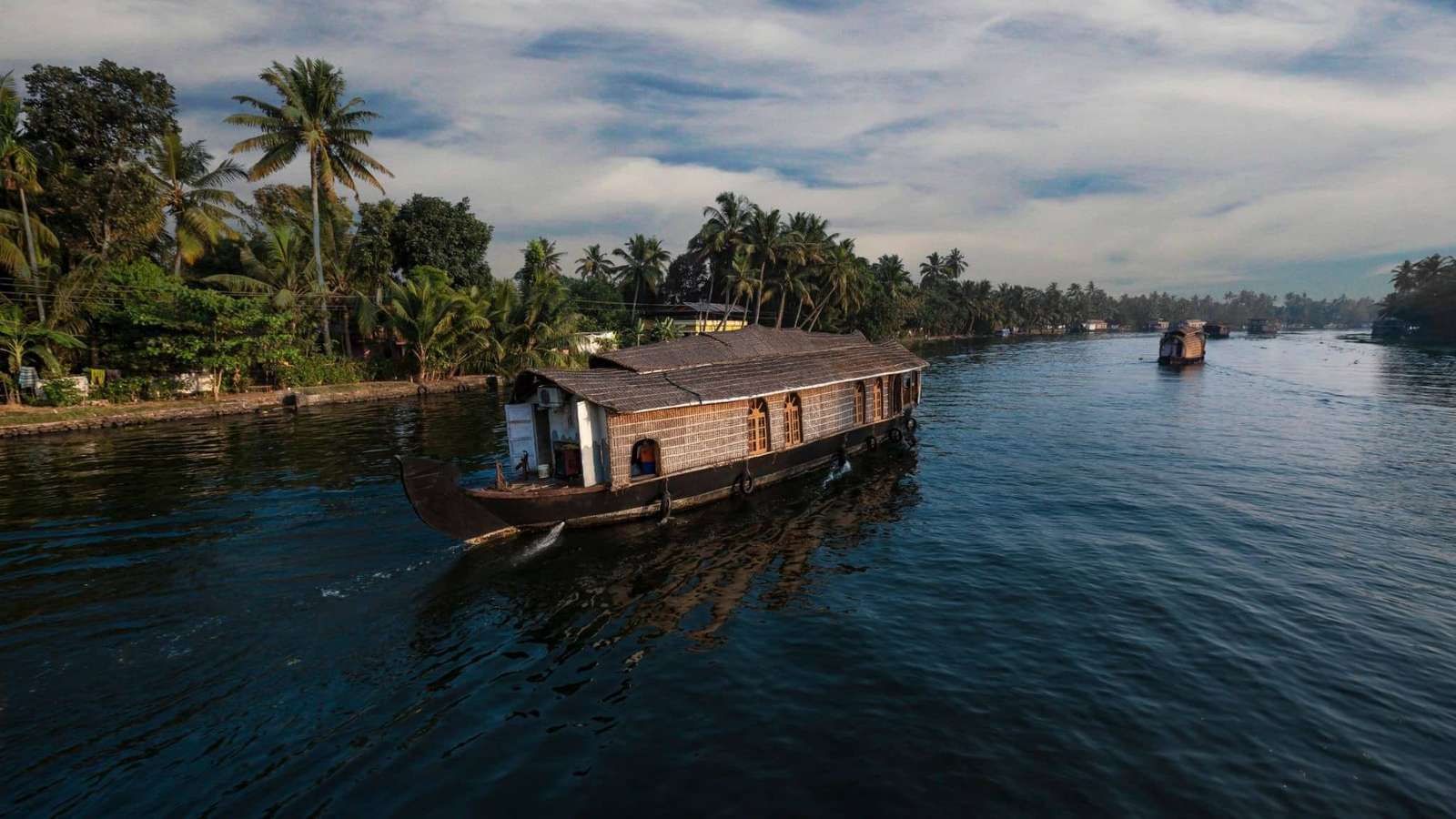
Kerala Prawn Curry with raw mango, tangy, fragrant, and cooked in a red coconut gravy, is a backwater region speciality that appears on almost every houseboat menu and consistently surprises visitors with its complexity.
Payasam is Kerala’s answer to dessert: a rice pudding made with coconut milk, jaggery, and cardamom that comes in dozens of regional variations. The version made with ada (rice flakes) and served during temple festivals is particularly extraordinary.
Where to Eat: Destination by Destination
Kochi: Fort Kochi’s café and restaurant scene reflects the city’s cosmopolitan heritage, a mix of Syrian Christian, Jewish, Portuguese, and Dutch culinary influences layered over Kerala’s coastal base. The restaurants along Princes Street and Burgher Street offer excellent traditional Kerala breakfasts. The Jew Town area has several heritage restaurants serving authentic Syrian Christian cuisine, including duck roast and beef fry that are distinctly different from anything you will find elsewhere in India.
Munnar: Hill station food in Munnar is warming and hearty. Local restaurants serve excellent Kerala meals on banana leaves for lunch, and the tea estate culture means genuinely good tea is available everywhere. Ask your driver for their recommended local restaurant; the best Munnar food is almost never in tourist-facing establishments.
Thekkady: Spice garden tours in Thekkady typically include a cooking demonstration and lunch using freshly ground spices one of the most educational and enjoyable food experiences in any Kerala tour packages itinerary. The region’s cardamom-infused tea is extraordinary.
Alleppey: The houseboat kitchen is where Alleppey’s food story lives. A good houseboat cook prepares karimeen pollichathu, prawn curry, coconut rice, and a simple Kerala fish fry with a skill that most restaurants cannot match, using ingredients sourced from the villages the houseboat passes through. This is the most authentic Kerala food experience available anywhere.
How to Make Food Part of Your Kerala Holiday
The best food experiences in Kerala are rarely found by walking into the most visible restaurant on a main street. Here is how to eat well throughout your trip:
Ask your driver: Kerala drivers eat well and eat locally. They know the best sadya restaurant in every town, the most authentic breakfast spot near your hotel, and the houseboat operators whose cooks are genuinely exceptional. This is local knowledge that no travel guide captures.
Book a cooking class: Several guesthouses and culinary studios in Kochi and Alleppey offer hands-on Kerala cooking classes where you grind your own spices, learn to make appam batter and cook a full Kerala meal from scratch. It is one of the most memorable additions to any Kerala holiday package itinerary.
Eat on the banana leaf: Whenever a traditional Kerala meal is served on a banana leaf at a temple, during Onam, at a local restaurant, eat from it the way it is intended. Remove footwear if required, wash your hands, eat with your right hand, and leave the banana leaf folded toward you if you are satisfied. This is not tourist theatre. It is how Kerala eats.
Try the street food: Kerala’s street food is outstanding and almost entirely overlooked by tour itineraries. Banana chips fried in coconut oil, pazham pori (banana fritters), unniyappam (small sweet rice cakes) and freshly cracked tender coconut are all available at roadside stalls throughout the state.
A Quick Packing Note for Food Travellers
If you have been searching “help me pack for my trip to Kerala next week” and food is important to you, pack light on stomach medication assumptions and heavy on appetite. Kerala food is generally gentle on the digestive system, uses fresh ingredients and is cooked to order in most traditional settings. Carry a small spice tin if you want to bring cardamom, black pepper, or coconut oil home; they are available at every spice market in Thekkady and Munnar at prices significantly lower than any airport or supermarket.
FAQs
What is the most iconic Kerala dish every visitor should try?
Karimeen Pollichathu, pearl spot fish grilled in banana leaf, and the Kerala Sadya feast are the two most essential food experiences for any Kerala visitor.
Is Kerala food very spicy for international travellers?
Kerala cuisine uses complex spices rather than excessive heat; most dishes are aromatic and flavourful rather than aggressively spicy, and most restaurants will adjust chilli levels on request.
Can Kerala holiday packages include a cooking class experience?
Yes, at Troper Tours, we can include a hands-on Kerala cooking class in Kochi or Alleppey as part of any Kerala tour packages itinerary on request.
Where is the best place to experience an authentic Kerala Sadya feast?
Traditional restaurants in Thrissur and Kottayam serve the most authentic Sadya, and any visit during the Onam festival period (August–September) provides the most complete Sadya experience available.
Can the houseboat cook prepare traditional Kerala dishes to order?
Absolutely, a good houseboat cook will prepare karimeen, prawn curry, coconut rice, and fresh fish dishes using locally sourced ingredients, and most operators welcome specific requests in advance.